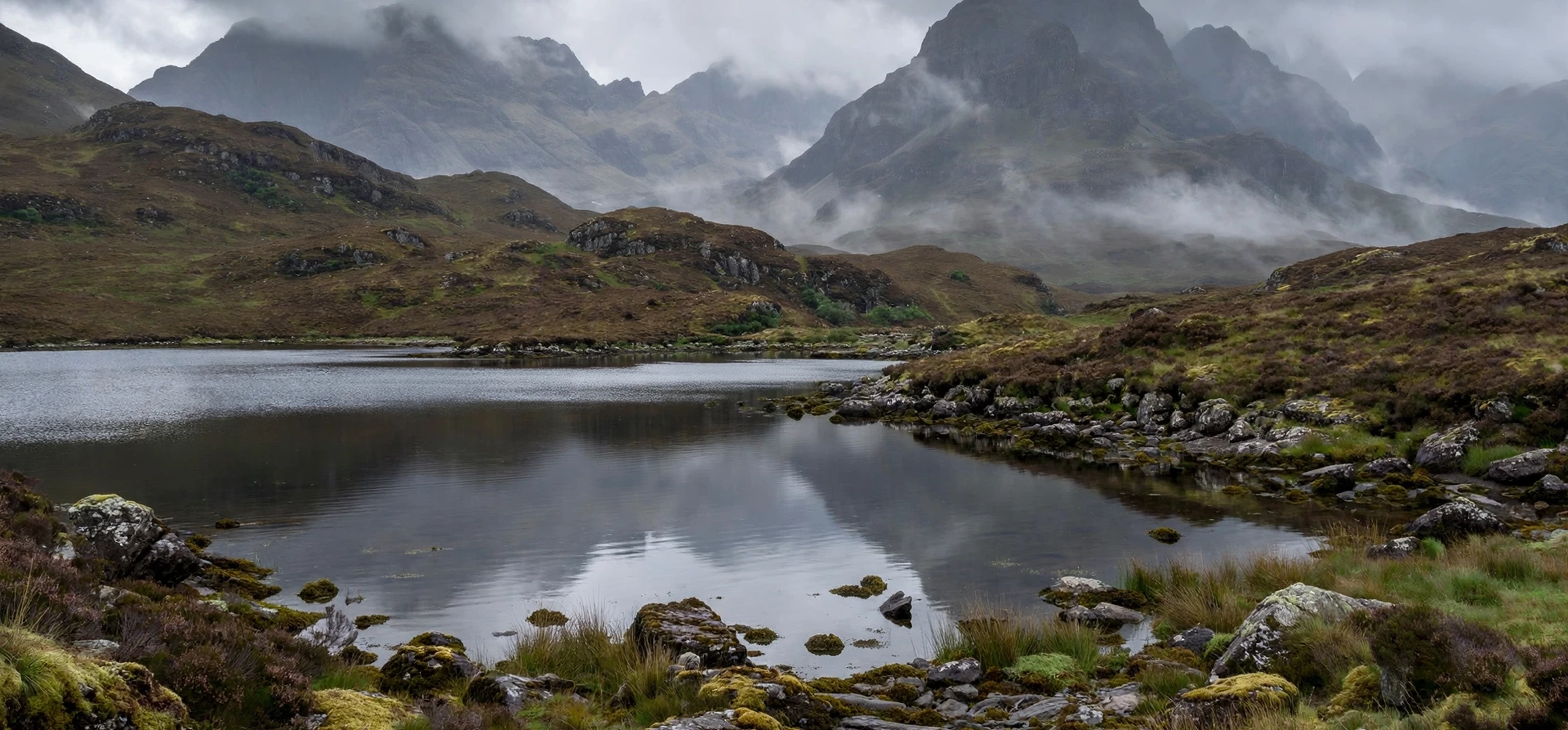
If you have asked where was outlander the series filmed, you are asking about one of the most location-driven dramas on television, a show whose landscapes are almost a character in their own right. In general terms, where was outlander the series filmed? The answer is Scotland, with studio work and location filming across the Scottish countryside, historic towns, and dramatic natural scenery, supplemented by a small number of locations elsewhere for particular story settings. This guide explains where was outlander the series filmed in broad, public terms: the kinds of places used, how studios and real locations work together, and how you can visit the general areas responsibly, without giving any private addresses or presenting any filming detail as current fact.
Outlander, adapted from the novels by Diana Gabaldon, follows a story that moves between Scotland and other parts of the world, and its filming reflects that scope. The production has been based in Scotland for much of its run, using purpose-built studio sets for interiors and carefully chosen outdoor locations for the landscapes, villages, castles, and battlefields that the story requires. Scotland offers a rare combination for filmmakers: varied scenery within short travelling distances, well-preserved historic buildings, and an experienced film industry. That combination is the main reason the series feels so rooted in place.
Where Was Outlander the Series Filmed in Scotland?
Where was outlander the series filmed within Scotland? The broad answer covers the central belt and the Highlands in general terms, with locations chosen to stand in for eighteenth-century Scotland and for the other settings the story visits. Rural glens, lochsides, moorland, and wooded estates provide the open landscapes, while historic villages and towns provide streets and marketplaces that can be dressed to look like an earlier century. Castles and country houses, many of them open to the public as heritage attractions, provide the grand interiors and exteriors that the story needs for its great houses and strongholds.
It is worth understanding that a single fictional place on screen is often made from several real places. A village street may be filmed in one town, a house interior on a studio set, and a surrounding landscape in a different county. Editors and set designers blend these elements so smoothly that viewers experience one convincing place. That is why location guides sometimes disagree: different sources may each name a different real place that contributed to the same fictional setting. The honest answer to where was outlander the series filmed is therefore a map of contributions, not a single pin on a map.
Studios and Purpose-Built Sets
A large share of the series is filmed on sets built in studios in Scotland. Studio filming gives the production control over light, weather, sound, and historical detail that outdoor locations cannot guarantee. Interiors of houses, workshops, and other everyday spaces are usually sets, dressed with period furniture, fabrics, and props researched for the period. Sets can also be redressed between scenes, so one studio space can serve several fictional rooms across episodes. For viewers, the result is a consistent, detailed world that would be impossible to maintain if every interior had to be found in a real historic building.
Studios also protect historic buildings. Filming a full production inside a fragile castle every day would risk damage and disruption, so productions typically film establishing exteriors at a historic site and build the detailed interiors in a studio. This approach lets heritage sites welcome ordinary visitors for most of the year while still appearing on screen. If you visit a site associated with the series, you may therefore recognise an exterior or a courtyard, while the rooms you remember from the show were created elsewhere. That is normal in television production, not a disappointment: both parts are real craft.
Where Was Outlander the Series Filmed: Landscapes and Settings
The landscapes of the series are drawn from Scotland’s most recognisable scenery types: rolling hills, misty glens, lochs, forests, and rugged coastlines. These landscapes do more than look beautiful; they tell the story. Open moorland suggests freedom and danger, enclosed woodland suggests secrecy, and a lochside at dawn suggests a world on the edge of change. Location managers choose landscapes that carry the right mood as well as the right geography, and they return to similar types of scenery across seasons so that the fictional world feels consistent even when the story moves.
Other story settings required different kinds of places. Scenes set in towns needed streets that could plausibly pass for an earlier century, with limited modern signage and adaptable facades. Scenes set in grand houses needed properties with period architecture and grounds that could hold carriages, crowds, and outdoor gatherings. Scenes set at sea or abroad sometimes used locations outside Scotland or studio effects, because no single country can supply every setting a long-running story requires. The production’s skill lies in making these varied contributions feel like one world, and Scotland’s range of scenery is what makes that possible for the bulk of the story.
Why Scotland Suited the Series
Scotland suited the series for practical as well as artistic reasons. Its film industry has experienced crews, equipment suppliers, and location services built up over decades of productions. Its heritage organisations are accustomed to working with filmmakers and balancing filming with public access. Its geography compresses many landscape types into a relatively small area, reducing travel between locations. And its weather, famously changeable, gives cinematographers the dramatic skies and shifting light that suit a historical drama. Together, these factors made Scotland a natural long-term base, and the series in turn has brought sustained attention to Scottish locations.
| Type of setting | How it is usually created | What viewers see |
|---|---|---|
| Grand houses and castles | Historic exteriors plus studio interiors | Imposing homes and strongholds |
| Villages and town streets | Historic streets dressed for the period | Believable eighteenth-century communities |
| Open landscapes | Glens, moorland, and lochsides | Sweeping, atmospheric scenery |
| Everyday interiors | Purpose-built studio sets | Detailed, consistent rooms |
| Distant story settings | Selected locations or studio work | Contrasting worlds beyond Scotland |
Visiting Outlander Locations Responsibly
Many viewers want to visit the general areas associated with the series, and Scotland welcomes that interest, provided visitors respect the places and the people who live and work there. The best approach is to visit public heritage sites, visitor attractions, and towns through their official visitor information, which will tell you opening times, access arrangements, and any filming-related displays. Official sources are also the right place to confirm whether a site is open on a given day, because hours change seasonally and sites occasionally close for events or conservation work.
Responsible visiting means a few simple habits. Stay on marked paths in rural areas, close gates, and avoid trespassing on private land in search of a filming spot. Do not share or seek out private addresses of cast, crew, or residents, and do not approach private homes that happen to resemble a screen location. Remember that many filming areas are working landscapes: farms, estates, and villages where people live. A photograph from a public road or a visitor centre is a fine souvenir; wandering onto private ground is not. If you enjoy screen tourism generally, our guide to another book-to-screen series explains how adaptations choose their settings.
Planning a Screen Tourism Trip
A screen tourism trip works best when it is planned around regions rather than a checklist of exact spots. Choose a base in central Scotland or the Highlands, explore the historic towns and landscapes of that region, and let official visitor guides point you to sites with a genuine connection to the series. This approach is more rewarding than chasing a long list of locations, because it leaves time to enjoy the scenery, food, and history that make Scotland worth visiting in its own right. It also avoids disappointment if a particular site is closed or looks different without cameras, lighting, and set dressing.
Season matters too. Summer brings long daylight and busy visitor sites, while autumn and winter bring quieter roads, dramatic light, and shorter opening hours. Check official visitor information for the season you plan to travel in, and book accommodation and popular attractions in advance during peak periods. If you are travelling by car, note that rural roads can be narrow and single-track in places, and allow extra time between stops. A relaxed itinerary that covers fewer places well will always beat a rushed one that covers many places poorly.
How Filming Locations Affect a Series
Filming locations shape a series in ways viewers may not notice. Natural light in Scotland changes quickly, so scenes shot outdoors carry a shifting, living quality that studio lighting cannot fully reproduce. Real stone, timber, and weathered surfaces give sets a texture that new construction struggles to match. Local extras, regional accents in background speech, and the sounds of a real landscape all add layers of authenticity. These details accumulate across episodes until the world feels lived-in rather than assembled.
Locations also shape the production schedule. Outdoor filming must work around weather, daylight, and public access, while studio filming can run on a steadier timetable. A long-running series learns to balance the two, using studios for dialogue-heavy interiors and locations for the sweeping moments that define its visual identity. That balance is one reason the series has maintained a consistent look across many seasons despite changing stories and settings. For a lighter look at how television worlds are built, see our article on classic sitcom production.
Where Was Outlander the Series Filmed for Each Kind of Scene?
Breaking the question down by scene type gives the clearest answer to where was outlander the series filmed. For grand houses, where was outlander the series filmed usually means a historic property for exteriors and a studio set for interiors, blended by editing into one convincing home. For villages, where was outlander the series filmed usually means a historic street dressed for the period, with modern details hidden or removed for the cameras.
For open countryside, where was outlander the series filmed means the glens, moorland, and lochsides of Scotland, chosen for mood as much as geography. For everyday interiors, where was outlander the series filmed means a purpose-built studio, where light, sound, and historical detail can be controlled. And for settings beyond Scotland, where was outlander the series filmed means selected locations elsewhere or studio work, used only where the story required a world Scotland could not supply.
Asked simply, where was outlander the series filmed? The short answer remains Scotland, with studios at its centre. The longer answer is a production map: studios, historic sites, towns, and landscapes, each contributing the part it does best. Understanding that map helps viewers enjoy the show more, because they can appreciate both the real places and the craft that joins them together.
Frequently Asked Questions
Was Outlander filmed only in Scotland?
No. Scotland is the main base and supplies most of the story’s settings, but some story settings required locations elsewhere or studio work. Scotland remains the heart of the production and the source of its most recognisable landscapes. So where was outlander the series filmed, in short, is mainly Scotland, with other locations only where the story required them.
Can I visit the filming locations?
Many general areas and heritage sites associated with the series are open to the public. Use official visitor information for opening times and access, respect private land, and do not seek out private addresses. Official guides to where was outlander the series filmed in public terms are the safest starting point for planning.
Why do locations look different in person?
Camera angles, lighting, set dressing, and editing all transform a real place on screen. Interiors are often studio sets, and exteriors may be combined from several places, so a real site will rarely match the screen image exactly. That blending is why where was outlander the series filmed has no single simple answer.
Conclusion
Where was outlander the series filmed? In broad terms, it was filmed in Scotland, in studios and across a range of historic towns, castles, villages, and landscapes, with other locations used where the story required them. That combination of studio craft and real Scottish scenery is what gives the series its distinctive sense of place, and it is why the question continues to fascinate viewers years after the first season. That is the honest answer to where was outlander the series filmed.
If you plan to explore that world for yourself, do it through official visitor information, public heritage sites, and regional touring, and leave private addresses and private land alone. For more on how classic shows are made, see our guide to a classic action series. The landscapes will still be there, the stories will still resonate, and a well-planned trip will show you why Scotland was the right home for this story.



