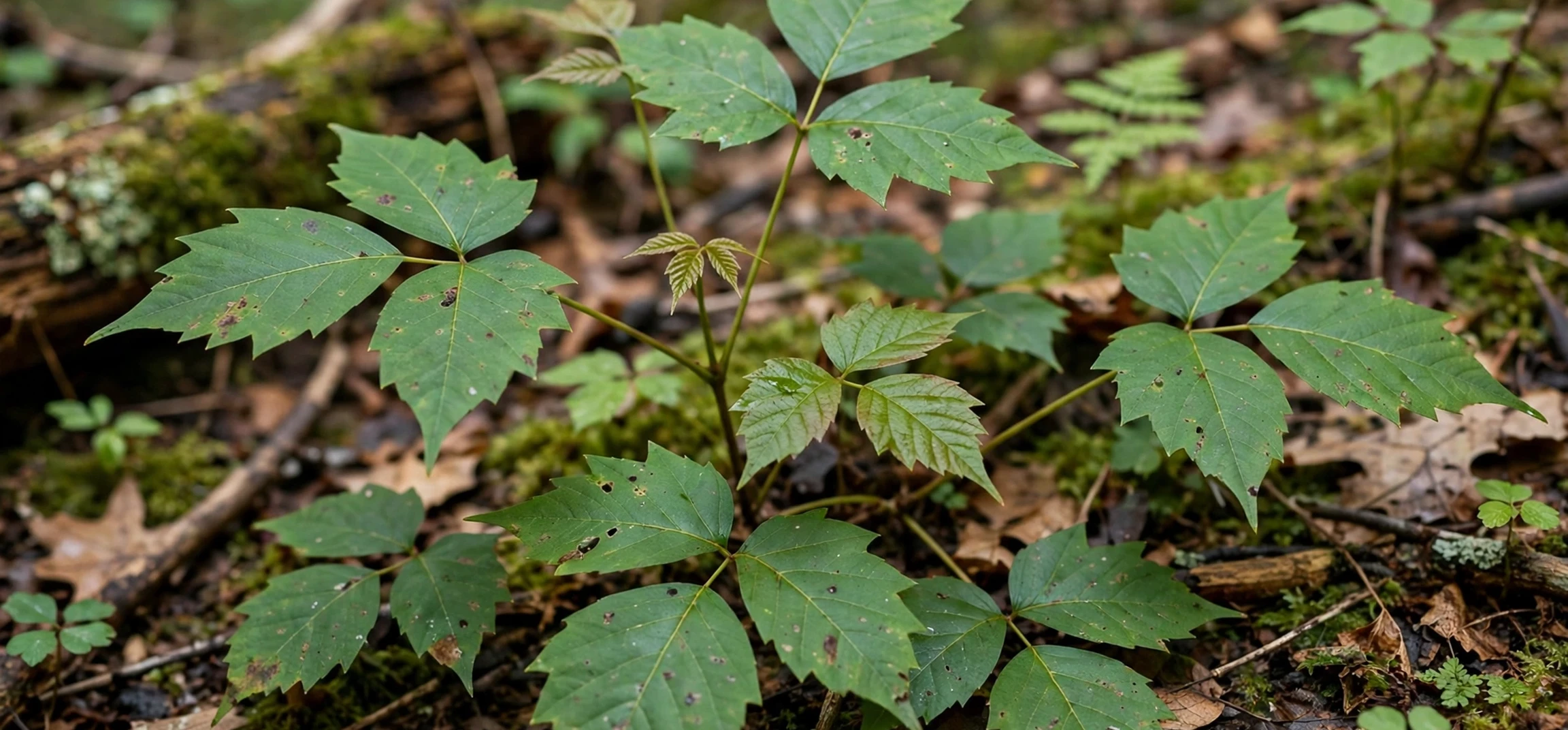
Many people search for pictures of rash from poison sumac because they want to compare what they see on their own skin with a known example. This article takes a different, safer approach: it contains no photographs at all. This article shows no pictures, and it describes pictures of rash from poison sumac only in general, non-graphic words, so you can learn what to expect, how the rash usually develops, and when to seek medical care without looking at close-up images of skin. If you are worried about a rash, the safest step is to contact a clinician or dermatologist promptly rather than trying to diagnose yourself from online images.
Poison sumac is a plant whose oils can trigger an allergic skin reaction in sensitive people. The reaction is related to the reactions caused by poison ivy and poison oak, because all three plants contain similar irritant oils. Searches for pictures of rash from poison sumac often come from people who have spent time near wetlands, wooded edges, or overgrown areas and later noticed itching or skin changes. Understanding the plant, the usual timeline, and the general pattern of the reaction can help you decide what to do next, but only a clinician who examines you can diagnose your condition.
What Is Poison Sumac and Why Does It Cause a Rash
Poison sumac is a woody shrub or small tree that grows in wet soils, including swamps, bogs, and damp woodland edges. It is less common than poison ivy, which is one reason people may not recognize it. Like its relatives, poison sumac contains an oil that can cause an allergic reaction when it touches the skin. The oil can also transfer from clothing, tools, gardening gloves, or pet fur, so a person can develop a reaction without directly touching the plant.
The reaction is an allergic response, not an infection, and it is not contagious from person to person through ordinary contact with the rash itself. However, the oil on unwashed clothing or gear can still cause a reaction in another person, which is why washing exposed items matters. People vary greatly in sensitivity: some develop a strong reaction after brief contact, while others notice only mild irritation. Previous exposure can also affect how strongly a person reacts.
Pictures of Rash From Poison Sumac: The Usual Timeline in Words
People looking for pictures of rash from poison sumac often want to know how quickly the rash appears. In general, the reaction usually develops within one to three days after contact, although it can appear sooner or later depending on sensitivity and the amount of exposure. The first sign is often itching, followed by redness in the areas that touched the plant or the contaminated object. Over the next day or two, the affected area may become more raised and uncomfortable, and the itching may intensify.
In general descriptions, the rash is often described as appearing in lines or streaks where the plant brushed the skin, or in patches where oil was transferred by hands or clothing. Small raised bumps may develop, and in stronger reactions the skin may form blisters. This article deliberately avoids graphic detail, because descriptions are enough to understand the pattern, and close-up images can be distressing without adding diagnostic value. If your skin changes look severe, spread rapidly, or involve the face or eyes, seek medical care promptly rather than comparing images online.
Where the Rash Commonly Appears
The rash usually appears where the skin made contact with the plant or with oil transferred from clothing and gear. Arms, legs, hands, and other exposed areas are the most common sites, because they are most likely to brush against plants during outdoor work or recreation. The rash may also appear where a person touched contaminated gloves, tools, or a pet and then touched another part of the body. Because the pattern follows contact, it often looks uneven rather than symmetrical, which is one feature people notice when they search for pictures of rash from poison sumac.
Washing exposed skin soon after possible contact may reduce the reaction, but once the allergic response has begun, washing does not reverse it. Clothes worn during the exposure should be washed separately and carefully, and tools and gloves should be cleaned before their next use. These steps protect other people in the household from secondary exposure to oil that remains on surfaces.
General Comfort Measures While You Wait for Care
General comfort measures focus on protecting the skin and reducing itching while you arrange professional advice. Keep the affected area clean and avoid scratching, which can break the skin and increase the risk of a secondary infection. Covering the area with clean clothing can reduce scratching and protect it from further irritation. Loose, breathable clothing is usually more comfortable than tight fabrics that rub the affected skin.
Some people find cool compresses or lukewarm baths soothing, while others prefer over-the-counter products marketed for itching. This article does not recommend any specific product or dose, because the right choice depends on your health history, other medications, and the severity of the reaction. Ask a clinician or pharmacist about options that suit you, and read any product label carefully. If itching is severe, sleep is disrupted, or the rash keeps spreading, contact a clinician rather than trying stronger home measures on your own.
When to Seek Medical Care Promptly
Most mild reactions improve over one to three weeks with time and basic skin care, but some situations need prompt medical attention. Seek care promptly if the rash covers a large area of the body, affects the face, eyes, mouth, or genitals, or causes swelling that interferes with movement or vision. Seek urgent care if you have difficulty breathing, swelling of the lips or tongue, dizziness, or any sign of a severe allergic reaction, and call local emergency services if breathing is affected.
Also contact a clinician if the rash shows signs that could indicate infection, such as increasing pain, warmth, spreading redness, or fever, or if it does not begin to improve within the expected timeframe. Children, older adults, and people with existing skin conditions or weakened immune systems should be assessed sooner rather than later. A clinician can examine the skin, confirm whether the cause is consistent with plant exposure, and discuss prescription or in-office treatment options when they are appropriate. This article is general education only and does not diagnose any condition.
| Situation | General guidance | Action |
|---|---|---|
| Mild itching in a small area | Keep skin clean; avoid scratching | Monitor and seek advice if it worsens |
| Rash spreading or very uncomfortable | Do not rely on images for diagnosis | Contact a clinician promptly |
| Face, eyes, or genitals affected | Higher-risk locations | Seek medical care promptly |
| Breathing difficulty or major swelling | Possible severe allergic reaction | Seek urgent or emergency care |
| Possible infection signs | Increasing pain, warmth, or fever | Contact a clinician promptly |
Telling Poison Sumac Apart From Poison Ivy and Oak
Poison sumac, poison ivy, and poison oak are related plants, but they grow in different places and look different. Poison sumac favors wet ground and grows as a shrub or small tree, while poison ivy often grows as a vine or ground cover in a wider range of habitats, and poison oak grows as a shrub or vine in drier regions. Learning to recognize the plants in your area before outdoor work is more useful than studying pictures of rash from poison sumac after exposure, because avoidance is far easier than treatment.
Local extension services, park guides, and nature centers often offer plant identification resources for your region. If you spend time outdoors regularly, learning the common irritant plants in your area is a practical safety skill. Wear long sleeves, long trousers, and gloves when working in overgrown or wetland areas, and wash skin and clothing after outdoor work where exposure is possible. These habits reduce the chance of contact with all three plants, not only poison sumac.
Why This Article Shows No Pictures
Readers searching for pictures of rash from poison sumac deserve an honest explanation of this choice. Close-up images of rashes vary widely in lighting, skin tone, and severity, so comparing your own skin to a single image can mislead you in either direction: a mild-looking image may reassure you when care is needed, or a severe image may alarm you when your reaction is mild. A clinician’s examination, including your history of outdoor exposure and the timeline of symptoms, is far more reliable than any image comparison.
There is also a comfort consideration. Many readers search for this topic while already anxious or uncomfortable, and graphic images can add distress without improving the decision about care. General, non-graphic descriptions plus clear guidance on when to seek help serve readers better. If a clinician wants to see the rash, they can examine it directly or review a photo you choose to share with them through a medical channel, which is a safer use of images than public browsing.
Pictures of Rash From Poison Sumac: What Descriptions Can and Cannot Tell You
People searching for pictures of rash from poison sumac usually hope an image will settle the question of whether their rash matches. In practice, pictures of rash from poison sumac vary so much with lighting, skin tone, camera quality, and reaction severity that a single image rarely settles anything. Two people with the same plant exposure can look quite different, and two different skin conditions can look similar in a photograph. That is why this article describes pictures of rash from poison sumac only in general words and directs readers to a clinician for any real assessment.
Another limit of pictures of rash from poison sumac is that an image cannot capture the timeline. A rash on day one looks different from the same rash on day four, and a still image gives no sense of how quickly redness or itching is changing. When you speak to a clinician, describe when the itching started, where you were outdoors, whether clothing or gear may have carried plant oil, and how the symptoms have changed since they began. That history, combined with an examination, is far more informative than any gallery of pictures of rash from poison sumac found online.
Finally, relying on pictures of rash from poison sumac can delay care. If you spend days comparing images while a rash spreads, involves a sensitive area, or shows signs of infection, you lose time that a clinician could have used to assess and treat you. Use general information to recognize a possible plant reaction and to decide when to seek care, and let a professional make the diagnosis. That approach is safer, faster, and less stressful than image-based self-diagnosis, and it is the approach this article recommends throughout.
Frequently Asked Questions
Is a poison sumac rash contagious?
The rash itself is an allergic reaction, not an infection, so it does not spread from person to person through contact with the rash. However, oil remaining on clothing, tools, or pet fur can cause a reaction in another person, so washing contaminated items matters.
How long does a poison sumac rash usually last?
Mild reactions often improve over one to three weeks, although the timeline varies with sensitivity and the extent of exposure. If the rash is severe, spreading, or not improving, contact a clinician for assessment.
Can pictures of rash from poison sumac diagnose my rash?
No. Many skin conditions can look similar in images, and only a clinician who examines you and reviews your exposure history can diagnose your condition. Use general information to decide when to seek care, not to self-diagnose.
How can I avoid poison sumac exposure?
Learn to recognize the plant in your area, wear protective clothing in overgrown or wetland areas, and wash skin, clothing, and gear after outdoor work. These steps reduce contact with poison sumac and related irritant plants.
Conclusion
Searching for pictures of rash from poison sumac is understandable, but images alone cannot diagnose a rash, and this article has deliberately shown no pictures for that reason. What matters most is recognizing a possible plant exposure, watching the general pattern and timeline, protecting the skin, and seeking medical care promptly when the rash is severe, widespread, in a sensitive location, or not improving. Contact a clinician or dermatologist if you are unsure, and describe your outdoor exposure and symptom timeline clearly. For related reading on similar plant reactions, see this guide to poison ivy and oak and this general rash information guide. When in doubt, professional advice is always the safer choice.



