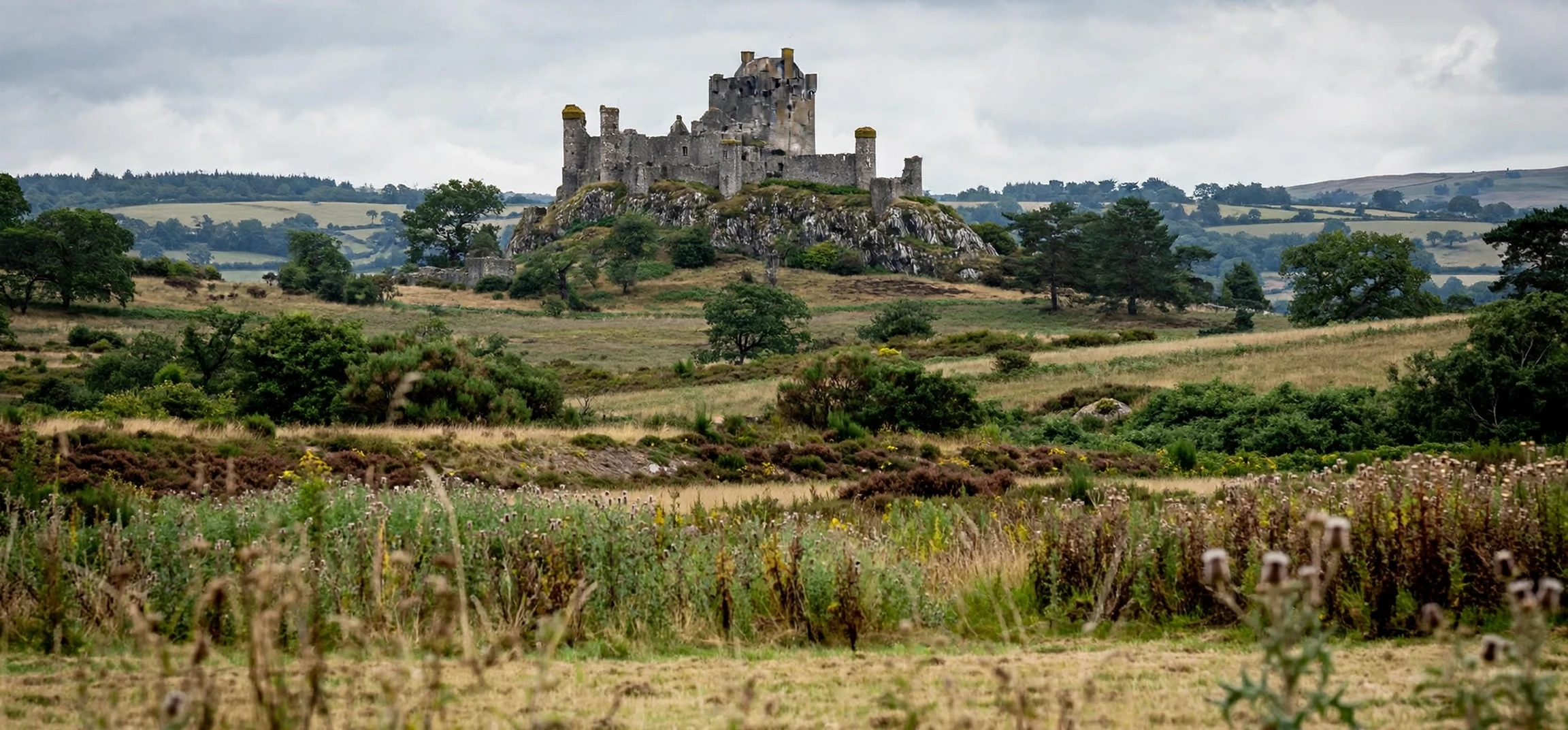
If you are looking for other names for castle, you have come to a word list that is richer than most people expect. The phrase other names for castle covers far more than a single synonym, because castles have existed in many cultures, served many purposes, and been described in many kinds of writing, from history books and travel guides to fantasy novels and everyday speech. Other names for castle include fortress, citadel, stronghold, palace, and keep, but each of those words carries a slightly different meaning, and choosing the right one depends on what kind of building, what period, and what purpose you have in mind.
This guide explains other names for castle in full, with clear differences between the main terms, examples from history and fiction, and advice on which word fits which situation. Whether you are writing an essay, naming a place in a story, solving a crossword, planning a trip to a historic site, or simply curious about language, this list will help you pick a word that is accurate, not just roughly similar. A castle is not exactly the same as a palace, and a fortress is not exactly the same as a fort, even though everyday speech often treats them as interchangeable.
The key idea to keep in mind is function. A castle was primarily a fortified residence: a place where a lord or ruler lived, and from which surrounding land could be defended and controlled. Words that emphasise defence, such as fortress and stronghold, highlight one side of that job. Words that emphasise residence and grandeur, such as palace and chateau, highlight another. Words that describe a part of a castle, such as keep or tower, are not synonyms at all in a strict sense, even though they are often used loosely. Understanding those shades of meaning is what turns a simple synonym list into genuinely useful vocabulary.
Other Names for Castle: The Most Common Synonyms
The most common other names for castle are fortress, citadel, stronghold, and palace, and they are worth learning first because they appear in almost every history book and travel guide. A fortress is a large fortified place, often a military stronghold designed to withstand attack. The word stresses defence above residence, so it suits a building whose main job was to hold territory, guard a border, or protect a harbour. A citadel is a fortress that protects or dominates a town or city, often standing on high ground within or beside the town walls. If a castle overlooks a city and serves as its last line of defence, citadel is often the most precise word.
A stronghold is a place that is strongly defended, or a place where a particular group or idea holds power. It can describe a castle, but it can also describe a fortified town, a mountain refuge, or, in figurative speech, a centre of support for a cause or a team. Because it is broader, stronghold works well in general writing, but it is less precise than fortress or citadel when you are describing a specific historic building. A palace, by contrast, stresses residence and ceremony. A palace may be fortified, but its main purpose is to house a ruler or a royal court in grandeur, not to withstand a siege. Many famous palaces began as castles or contain castle-like features, but calling every palace a castle, or every castle a palace, blurs an important distinction.
Two more everyday words belong on this list. A fort is a smaller fortified military post, often built for soldiers rather than for a lord’s household. A castle is generally larger, more residential, and more permanent than a fort, although the line between them can be fuzzy in older writing. A keep is the strongest tower or central building inside a castle, where the lord’s household could retreat in an attack. People sometimes say keep when they mean the whole castle, but strictly speaking the keep is a part, not the whole. Using keep for the entire building is understandable in casual speech, but it will look imprecise in formal writing.
Other Names for Castle by Culture and Language
Other names for castle also vary by culture and language, because different societies built fortified residences in different styles and gave them different names. In France, a chateau can be a castle, a palace, or a large country house, depending on its age and design. Early chateaux were fortified, while later ones were built for comfort and display, with large windows, gardens, and ornate interiors that would have been useless in a siege. In Spain and Portugal, an alcazar is a fortress-palace, often with Moorish architectural influences, combining military strength with royal residence in a single complex.
In Germany and Central Europe, a burg is a castle, typically a fortified hilltop residence, while a schloss is closer to a palace or a grand country house, often built after the age of serious castle warfare had passed. In Japan, a castle is called a shiro, and Japanese castles look very different from European ones, with multi-tiered towers, white plaster walls, and stone bases designed to resist earthquakes as well as attack. In the Middle East, a citadel or a qalaat can describe a fortified stronghold, often built to guard a city, a trade route, or a water source. Learning these words helps travellers and readers recognise that a castle is a worldwide idea, not a purely European one.
English itself has borrowed many of these terms, and writers often use them to add flavour to a setting. A story set in France may call a building a chateau, a story set in Germany may call it a burg, and a story set in Japan may call it a shiro, even when the English word castle would also be understood. That choice is not just decoration: it signals place, period, and architectural style in a single word. For writers, the lesson is to match the term to the culture of the setting, rather than using a familiar English synonym everywhere.
Table: Castle Terms Compared
| Term | Main emphasis | Best used for |
|---|---|---|
| Fortress | Defence | Large fortified military sites |
| Citadel | Defence of a town | Fortress dominating a city |
| Stronghold | Defended power base | Castles, towns, or figurative centres |
| Palace | Royal residence | Grand homes of rulers |
| Fort | Military post | Smaller garrison sites |
| Keep | Strongest tower | Central tower inside a castle |
| Chateau | French residence | French castles and country houses |
| Alcazar | Fortress-palace | Spanish and Portuguese royal forts |
| Burg | German hill castle | German fortified residences |
Other Names for Castle in Fiction and Fantasy
Fantasy and historical fiction have added their own other names for castle, and those terms often enter everyday speech. A citadel in a fantasy novel may be a vast, almost city-sized fortress, while a keep may be the brooding tower where a villain or a wizard lives. A stronghold may be the headquarters of an order of knights, a clan, or a rebel group, and a bastion may be a projecting part of a fortification, or, in figurative use, a last defence of an idea. A redoubt is a smaller, often temporary fortification, while a rampart is a defensive wall or embankment, not a building at all, although it is often mentioned alongside castles.
Writers also use compound and poetic terms. A seat can mean the home of a noble family, as in a family seat, and a hall can mean a large medieval residence, especially when the building is more domestic than military. A manor is a large house with land, but a manor house is usually less fortified than a castle, so the two should not be swapped without thought. A tower, a turret, and a donjon all describe parts of a castle or a castle-like building: a donjon is in fact another word for a keep in French-influenced writing, which is why it appears in some historical novels as a synonym for the central tower.
If you are naming a fictional castle, the word you choose will shape how readers imagine it before you describe a single stone. Fortress suggests grim military power. Palace suggests wealth, ceremony, and perhaps decadence. Citadel suggests a city and a last stand. Stronghold suggests resistance and loyalty. Chateau suggests elegance, gardens, and French style. Choosing deliberately, rather than picking the first synonym that comes to mind, is one of the simplest ways to make a fictional setting feel specific and believable.
Choosing the Right Word for Your Sentence
Choosing among other names for castle becomes easier with a simple test: ask what the building does in your sentence. If it defends a border or a harbour, fortress is likely the best choice. If it dominates and protects a town, citadel fits well. If it houses a ruler in splendour, palace is more accurate than castle, unless the building is also heavily fortified. If it is a small military post, fort is better than castle. If you mean only the central tower, keep or donjon is precise, while castle describes the whole complex of walls, towers, courtyards, and buildings.
Register matters too. In academic or guidebook writing, precision is valued, and swapping castle for palace without reason may be marked as an error. In poetry, song lyrics, or casual conversation, looser use is normal, and a palace in a fairy tale may be called a castle by everyone, including the author. Context therefore decides how strict you need to be. A crossword clue, for example, may accept fortress, citadel, or stronghold as an answer for castle, because crosswords trade on loose synonymy. A history essay should be stricter.
Figurative use is another area where castle words travel far from their original meaning. A person’s home is sometimes called their castle, meaning a place of privacy and safety. A stronghold can mean a place where a political party always wins, a bastion can mean a defender of a tradition, and a fortress can describe a mind closed to new ideas. These figurative uses work because the literal meanings are so vivid: walls, gates, towers, and defenders are easy to picture, so they make powerful metaphors. Recognising the literal root helps you use the metaphor well and avoid mixing images in a confusing way.
For readers who enjoy the stories behind names in general, similar guides explore how memorable names are built and remembered, from famous groups in stories to legendary figures. You can browse this list of famous group names in stories, this collection of legendary names from myth and story, and this guide to a famous character name in Wonderland. Each shows how a name, like a castle term, carries history and expectation in just a few words.
Other Names for Castle: Writing Tips for Essays and Stories
When you need other names for castle in an essay, variety alone is not enough; accuracy matters more than avoiding repetition. If you use other names for castle simply to avoid repeating the word castle, you may accidentally change the meaning of your sentence, for example by calling a royal palace a fortress when defence is not the point, or by calling a small fort a citadel when no town is involved. A better approach is to choose from other names for castle only when the new word adds a precise shade of meaning, and to keep the word castle itself when it is the most accurate term available.
In fiction, other names for castle can do more work, because the word you choose sets the mood before any description follows. A fortress sounds cold and military, a palace sounds rich and ceremonial, a citadel sounds like a city under threat, and a stronghold sounds like a place of loyalty and resistance. Writers who understand other names for castle can therefore signal character and theme with a single noun, rather than explaining the atmosphere in a paragraph. That is why fantasy authors return to this vocabulary so often: it is compact, visual, and loaded with history.
For students and crossword solvers, other names for castle are also a useful memory exercise, because the list rewards grouping by meaning rather than by rote learning. Group the defence words together, such as fortress, citadel, and stronghold, then group the residence words, such as palace and chateau, and then group the parts, such as keep, tower, and donjon. When you organise other names for castle in that way, you are less likely to confuse a part with a whole, or a residence with a fortification, and more likely to pick the right word under pressure, whether in an exam, a story, or a crossword.
Frequently Asked Questions
What is the best single synonym for castle?
Fortress is usually the closest single synonym, because it shares the idea of a large, fortified place. Citadel is better when the building protects a town, and palace is better when residence and grandeur matter more than defence.
Is a palace the same as a castle?
No, not strictly. A palace is primarily a grand residence for a ruler or court, while a castle is primarily a fortified residence. Some buildings are both, but the words emphasise different purposes.
What is the difference between a castle and a fort?
A castle is generally larger and more residential, housing a lord and household as well as soldiers. A fort is usually a smaller, more purely military post for a garrison.
What do you call the main tower of a castle?
The main tower is usually called the keep, and in French-influenced writing it may be called the donjon. It is a part of the castle, not a synonym for the whole building in strict usage.
Conclusion
Other names for castle turn out to be a small vocabulary lesson in history, architecture, and culture. Fortress, citadel, and stronghold stress defence. Palace, chateau, and alcazar stress residence and grandeur, often in a particular national style. Fort, keep, tower, and donjon describe smaller or partial elements that are often confused with the whole. And cultural terms such as burg, shiro, and qalaat remind us that fortified residences were built all over the world, not only in medieval Europe. The next time you need another word for castle, pause and ask what the building does, where it stands, and what impression you want to leave. Answer those three questions, and the right term, from fortress to citadel to palace, will usually choose itself. That careful choice is the difference between a word that merely sounds similar and other names for castle that are actually correct.



