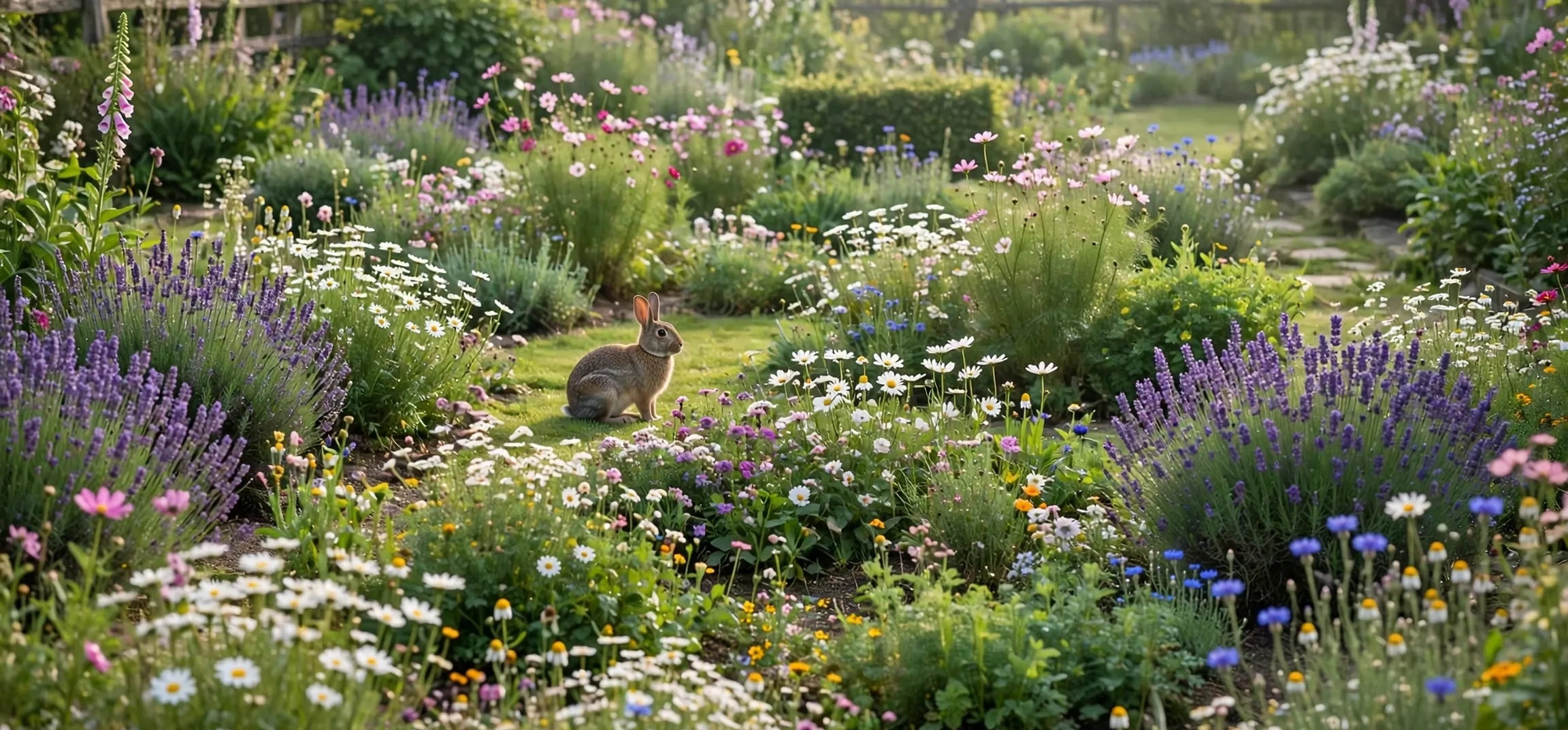
Rabbits and hares have hopped through human stories for thousands of years, and bunny symbolism spiritual meanings are part of that long trail. In popular belief, the bunny is linked with fertility, quick thinking, gentleness, luck, and new beginnings, and many people treat a rabbit sighting as a small nudge to pay attention to growth or change in their own lives. This article is a belief explainer only: it describes what different traditions and popular sources say the bunny represents, framed as symbolism and folklore, not as established fact. Whether you see rabbits as spiritual messengers, cultural emblems, or simply charming animals, their meanings say a great deal about how people interpret the natural world.
The appeal of bunny symbolism spiritual ideas is easy to understand. Rabbits are alert, fast, and famously prolific, so they lend themselves to stories about abundance, intuition, and fresh starts. At the same time, they are prey animals, which makes them symbols of vulnerability, caution, and the need for safe ground. That mix of boldness and tenderness is why the same animal can mean luck in one tradition, cleverness in another, and quiet sensitivity in a third. The sections below walk through the most common interpretations, the cultural stories behind them, and how people today use bunny imagery in art, jewellery, and personal reflection, always as a matter of belief and custom rather than proven cause and effect.
Bunny Symbolism Spiritual Meanings of Fertility and New Life
The most widespread association in bunny symbolism spiritual lore is fertility and new life. Rabbits reproduce quickly and appear in spring, the season when fields and gardens return to growth, so folk tradition has long paired them with abundance, pregnancy, and fresh chapters. In spring festivals across Europe, hares and rabbits appear alongside eggs and flowers as emblems of renewal, and the modern Easter Bunny carries that same seasonal message into family celebrations. Popular belief often reads a rabbit encounter in spring as a sign of a fruitful period ahead, whether that means a creative project, a growing family, or a new venture taking root.
It is worth keeping the framing honest here: these are cultural associations, not biological claims or guarantees about the future. A rabbit does not cause fertility or good fortune, and folklore itself treats the symbol as a prompt for reflection rather than a prediction. People who enjoy this symbolism often use it as a reminder to nurture something new, to protect a fragile idea while it grows, or to welcome change instead of resisting it. Read that way, the fertility theme becomes a gentle metaphor for tending to beginnings, and it explains why bunny imagery remains popular in nurseries, gardens, and spring decorations around the world.
Luck, Intuition, and Quick Thinking
Luck is the second great theme of bunny folklore. The rabbit’s foot as a lucky charm is one of the best-known examples, although its history is complicated and modern readers often prefer the living animal, or an image of one, as a luck symbol instead. Popular belief also credits rabbits with sharp intuition: their large ears, wide vision, and habit of freezing before fleeing are read as signs of alertness to danger and opportunity. In this reading, a rabbit crossing your path is taken as a reminder to trust your instincts, notice small signals, and act promptly rather than hesitating until the moment passes.
Quick thinking follows naturally from the same observations. Rabbits escape predators through speed, zigzag movement, and sudden changes of direction, and storytellers have turned those traits into lessons about cleverness under pressure. The hare in fable and folklore is often witty and resourceful, sometimes outsmarting larger animals through agility rather than strength. For readers who enjoy bunny symbolism spiritual ideas, the practical takeaway is usually framed as advice, not prophecy: stay alert, keep an escape route in mind, and be ready to change direction when a plan stops working. That advice works whether or not you believe in animal messengers.
Gentleness, Vulnerability, and Sensitivity
Not all bunny symbolism is about luck and speed. Because rabbits are gentle prey animals, many traditions also associate them with softness, kindness, and emotional sensitivity. Popular belief sometimes describes the rabbit as a symbol of the tender parts of personality: compassion, shyness, and a need for safety and quiet. A person who identifies with rabbit energy in this sense may be encouraged to protect their rest, set boundaries, and choose calm environments. This gentler reading balances the bolder themes of fertility and luck, and it reminds readers that sensitivity is presented in these traditions as a strength, not a flaw.
Vulnerability carries a cautionary note as well. In folklore, the rabbit survives by knowing its surroundings, staying near cover, and retreating when threatened, and believers sometimes read that behaviour as guidance for difficult periods: conserve energy, avoid unnecessary conflict, and wait for safer ground. This interpretation resonates with people going through stress or transition, who may find comfort in an animal that survives by awareness rather than aggression. Again, the value lies in the metaphor. A rabbit sighting does not diagnose a personal situation, but the stories people tell about rabbits can offer language for feelings that are otherwise hard to name.
Bunny Symbolism Spiritual Traditions Around the World
Different cultures give the rabbit different roles, and comparing them shows how flexible this symbol is. In Chinese tradition, the rabbit is one of the twelve zodiac animals, associated in popular belief with grace, compassion, and good fortune, and people born in rabbit years are often described with those qualities. In Japanese folklore, a rabbit is said to live on the Moon, pounding rice cakes, a story that links the animal with the lunar cycle and quiet diligence. In some Native American stories, the rabbit appears as a trickster or helper figure, clever and quick, while in European folklore hares were linked with the Moon, magic, and spring rites. Each version reflects local landscapes and values, not a single universal doctrine.
Modern popular spirituality has blended many of these threads. Books, blogs, and social media posts about bunny symbolism spiritual meanings often mix zodiac traits, Moon lore, and dream interpretation into one friendly package, and readers pick the parts that resonate. That blending is normal for folklore, which has always travelled and changed, but it means you should treat any single list of rabbit meanings as one author’s summary rather than an official teaching. If a particular tradition matters to you, it is worth reading sources from within that tradition, where the stories carry their full context, instead of relying on a short online summary alone.
Rabbits in Dreams and Everyday Encounters
Dream guides are a popular place to meet rabbit symbolism. In many popular dream dictionaries, a white rabbit is said to suggest purity, new love, or a spiritual guide, a black rabbit is linked with mystery or hidden fears, and a baby rabbit is read as a sign of innocence or a new idea. Running rabbits may be interpreted as avoided problems or fast-moving change, while a calm rabbit may be read as contentment. These readings vary widely between guides, which is itself a useful clue: dream symbolism is a personal and cultural language, not a fixed code, and the same image can mean different things to different dreamers.
Everyday encounters get a similar treatment in popular belief. Some people keep a rabbit charm, wear rabbit jewellery, or place rabbit figures in the home as reminders of luck, gentleness, or new beginnings. Others simply enjoy noticing rabbits on walks and take the sighting as a prompt to pause and appreciate the moment. Neither habit requires belief in supernatural effects to be meaningful; a symbol works when it helps someone reflect, hope, or act with more care. For a related look at how symbols carry meaning across traditions, see this guide to the ankh symbol and its interpretations, and for another popular meaning tradition, this piece on the meaning behind 888 tattoos.
| Bunny theme | Popular association | Framing to remember |
|---|---|---|
| Fertility and spring | New life, abundance, fresh starts | Cultural metaphor, not a guarantee |
| Luck | Good fortune and happy chance | Folk belief, not a proven effect |
| Intuition | Alertness and quick decisions | Advice-style reading |
| Gentleness | Kindness, sensitivity, calm | Personal reflection prompt |
| Moon and mystery | Lunar cycles and hidden wisdom | Story tradition, varies by culture |
How People Use Bunny Symbolism Today
Today, bunny symbolism appears in art, tattoos, children’s stories, fashion, and wellness content, often stripped of any religious claim and used as a cheerful emblem of softness or luck. A rabbit tattoo may mark a fresh start after a hard year, a rabbit pendant may be a gift for someone expecting a child, and a rabbit illustration may simply make a room feel gentle and welcoming. In each case the meaning is chosen by the wearer or giver, which is how folk symbols have always worked: communities pass on images, and individuals fill them with personal significance.
If you want to explore this symbolism for yourself, a few habits help. Notice which rabbit meaning actually resonates with your life right now, rather than collecting every possible interpretation. Check whether a claim comes from a specific tradition or from a general blog summary, and treat sweeping promises about luck or the future with healthy scepticism. Finally, enjoy the animal itself: learning about real rabbits, their behaviour, and their welfare adds a grounded layer to any symbolic interest, and it keeps the focus on respect for a living creature rather than on superstition alone.
Key Points on Bunny Symbolism Spiritual Meanings
A useful way to hold bunny symbolism spiritual ideas is to treat them as stories that invite reflection, not as claims to be proved. The bunny symbolism spiritual tradition links rabbits with fertility, luck, and gentleness, and each theme works best as a question: what is growing in your life, what deserves careful attention, and where do you need softer ground? Framed that way, bunny symbolism spiritual meanings stay enjoyable and honest at the same time.
It also helps to remember that bunny symbolism spiritual meanings change across cultures, and no single list owns the symbol. A Chinese zodiac reading, a Moon folktale, and a modern dream guide may all use the rabbit differently, and that variety is part of the folklore, not a flaw in it. When you meet a new bunny symbolism spiritual claim, ask which tradition it comes from and whether it promises an outcome it cannot guarantee, and keep the parts that help you reflect while letting the rest go.
Finally, bunny symbolism spiritual reading works best as a personal practice, not a test. If a bunny symbolism spiritual idea brings you calm, courage, or a fresh perspective, it has done its job as folklore, and if a bunny symbolism spiritual claim demands money, fear, or obedience, it has left folklore behind. Keep the rabbit as a gentle reminder, enjoy the stories, and let bunny symbolism spiritual meanings stay in their proper place: charming, thoughtful, and entirely yours to interpret.
Frequently Asked Questions
What does a bunny symbolise spiritually?
In popular belief, bunny symbolism spiritual meanings centre on fertility, luck, intuition, gentleness, and new beginnings, but these are folklore associations, not established facts, and they vary between traditions.
Is seeing a rabbit a good omen?
Many folk traditions treat a rabbit sighting as a lucky or hopeful sign, especially in spring, while others read it simply as a reminder to stay alert. There is no scientific basis for treating a sighting as a prediction.
What does a white rabbit mean in dreams?
Popular dream guides often link a white rabbit with purity, new love, or guidance, but dream meanings are personal and vary between guides, so the dreamer’s own associations matter most.
Conclusion
Bunny symbolism spiritual traditions offer a rich, gentle set of stories about fertility, luck, intuition, and sensitivity, drawn from spring festivals, Moon lore, zodiac animals, and trickster tales. Their value lies not in prediction but in reflection: they give people images for new beginnings, for careful alertness, and for kindness toward themselves and others. Enjoy the symbolism for what it is, a living folklore that changes with each generation, and let the rabbit remind you, in the words of popular belief, to stay soft, stay alert, and make room for something new to grow.