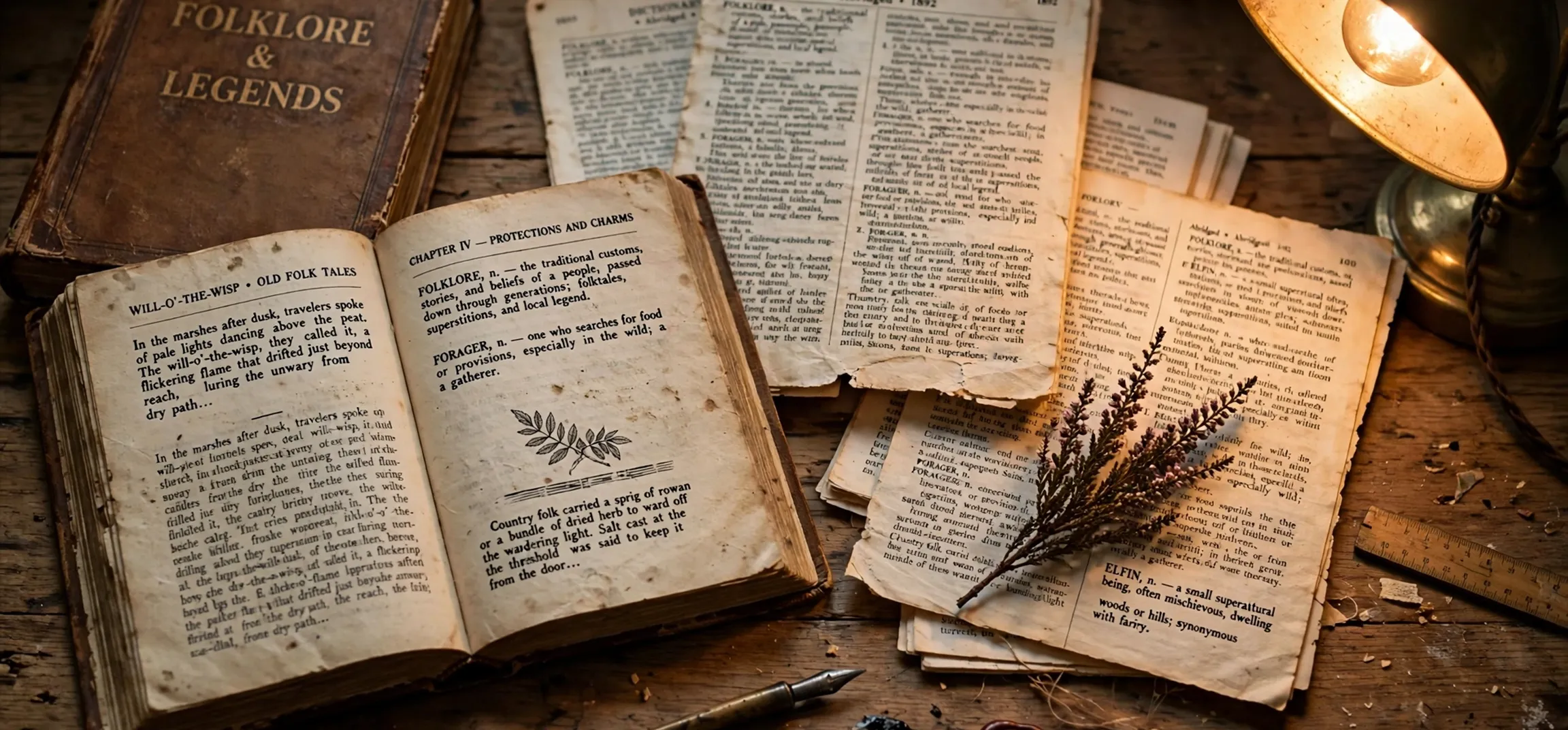
The old hag meaning is one of those phrases that changes completely with context. In folklore, the old hag meaning refers to a frightening night visitor, a witch-like figure said to sit on sleepers’ chests and cause nightmares. In modern slang, “old hag” is used as an insult, usually aimed at an older woman, and it carries no supernatural sense at all. There is also a medical connection: the terrifying night experience behind the folklore is now understood as sleep paralysis, a harmless but frightening state between sleep and waking. This guide explains all three layers so you can tell which meaning is intended.
Old Hag Meaning in Folklore
The old hag meaning in folklore comes from centuries of stories across Britain, Europe and North America. The hag was described as an old woman, sometimes a witch, who visited people at night, sat on their chests and left them unable to move or cry out. Victims woke exhausted, convinced something evil had visited them. The word “nightmare” itself is linked to this tradition: the “mare” part once referred to a night spirit, not to a horse.
These stories were not just entertainment. Before modern sleep science, they gave people an explanation for a genuinely terrifying experience. If you woke unable to move, feeling pressure on your chest and sensing a presence in the room, a story about a night hag made sense of it. Similar figures appear in many cultures under different names, which suggests the underlying experience is universal even though the stories vary.
Old Hag Meaning and Sleep Paralysis
Today, sleep researchers explain the old hag meaning through sleep paralysis. During dreaming sleep, the body is naturally paralysed so you do not act out dreams. Occasionally, the mind wakes before the body, leaving a person conscious but unable to move for seconds or minutes. That state often brings a feeling of pressure on the chest, a sense of a presence in the room, and vivid, frightening hallucinations.
Sleep paralysis is generally harmless, though it can be deeply unsettling, especially the first time it happens. It is more likely when sleep is disrupted, when sleeping on the back, or during periods of stress and irregular sleep. Simple steps help many people: keeping a regular sleep schedule, avoiding screens late at night, and sleeping on your side. If episodes are frequent or distressing, or if they come with excessive daytime sleepiness, it is worth speaking to a clinician, who can check for underlying sleep conditions and offer reassurance and advice. This article is general information only and is not a diagnosis.
What to Do During an Episode
People who experience sleep paralysis often find it helps to focus on slow breathing and small movements, such as wiggling a finger or toe, rather than struggling against the paralysis. Reminding yourself that the episode will pass, usually within a minute or two, can reduce panic. Keeping a calm bedtime routine and avoiding alcohol and heavy meals late in the evening also reduces the chances of disrupted sleep.
Old Hag as a Modern Insult
In modern everyday language, the old hag meaning is simply an insult. It is used to describe an older woman in a cruel or dismissive way, implying she is unpleasant, unattractive or out of touch. The insult draws on old stereotypes that linked older women with witchcraft and bitterness, and it is best avoided. It says more about the speaker’s attitudes than about the person it targets, and it is particularly hurtful because it attacks both age and gender at once.
Writers and editors increasingly avoid the term except when discussing folklore or quoting historical sources. If you meet it in an old book or film, remember that its tone was often meant as comedy or horror at the time, even though it reads as offensive today. Context and era matter when judging historical language.
| Meaning | Context | Tone |
|---|---|---|
| Folklore night visitor | Stories, legends, horror | Frightening, supernatural |
| Sleep paralysis explanation | Health and sleep science | Neutral, scientific |
| Insult for an older woman | Everyday slang | Offensive, dismissive |
The Old Hag in Culture and Language
The hag remains a powerful figure in horror films, novels and games, where she stands for the fear of the night and the unknown. Writers use her because the image is instantly unsettling: a figure at the bedside, in the dark, when you cannot move. At the same time, some modern retellings reclaim the hag as a symbol of wisdom and independence, pushing back against the idea that older women are frightening or worthless. Both uses show how a single folk figure can carry opposite meanings in different hands.
For more on how words change meaning with context, see the meaning of goad, what simultaneously means and the meaning of Saint Patrick’s Day.
Old Hag Meaning: Frequently Asked Questions
Is the old hag real?
As a supernatural being, no. The experiences behind the stories are real and are explained by sleep paralysis, a natural state between sleep and waking.
Is sleep paralysis dangerous?
It is generally harmless, though frightening. Frequent episodes or strong daytime sleepiness are worth discussing with a clinician.
Should I use “old hag” as an insult?
No. It is offensive, ageist and sexist, and it adds nothing that a fair criticism could not say better.
Does “nightmare” come from the hag?
Yes, in part. The “mare” in nightmare once referred to a night spirit in folklore, related to the hag tradition.
Old Hag Stories Around the World
The old hag meaning is not limited to English folklore. In many cultures, a night figure with a similar role appears under a different name. In parts of the Caribbean and West Africa, stories tell of spirits that press on sleepers or ride them at night. In Japan, a figure called kanashibari describes the same bound, pressured feeling. In Scandinavia, the mara gave us the word nightmare itself. The details differ, but the core experience is the same: waking unable to move, feeling pressure, and sensing a presence.
This worldwide pattern is strong evidence that the stories grew from a shared human experience rather than from one culture copying another. Sleep researchers point out that the brain’s dream and waking systems can overlap in ways that produce exactly these sensations, and the mind fills the gap with whatever frightening figure the local culture provides. A person raised on hag stories sees a hag, while a person raised on alien stories may see something else entirely. The experience is real, but the visitor is supplied by culture and imagination.
Understanding this pattern can be comforting. If you have experienced sleep paralysis, knowing that people across centuries and continents have described the same thing, and that science now explains it, often reduces fear. It also explains why folklore remains powerful: old stories gave a name and a shape to something that felt nameless and shapeless in the dark. Modern science gives a different name, but it answers the same human need to understand a frightening night.
How common is sleep paralysis?
Studies suggest a large minority of people experience it at least once, and a smaller number experience it regularly. Exact figures vary because many people never report a single episode.
Can sleep paralysis be prevented?
Regular sleep, a calm bedtime routine and sleeping on your side help many people. Persistent or distressing episodes should be discussed with a clinician, who can check for sleep disorders and suggest further steps.
Modern Retellings of the Hag
In recent years, the old hag meaning has been reshaped by writers who see the hag not as a monster but as a figure of power. Novels, films and games now present older women with knowledge, independence and magic of their own, pushing back against centuries in which older women were feared or dismissed. These retellings do not erase the frightening folklore; instead, they ask why society feared older women in the first place, and what was lost when their wisdom was labelled witchcraft.
This shift matters for readers meeting the hag for the first time. A child reading a modern fantasy may meet a kind, clever older woman, while a reader of old folklore meets a terrifying night visitor. Both are part of the same tradition, and knowing the history helps you appreciate why the modern version feels like a correction. Language and stories change as attitudes change, and the hag’s journey from nightmare to hero is a clear example of that process.
Sleep Hygiene and the Night Hag
Understanding the old hag meaning through sleep science also points to practical help. Sleep hygiene, the set of habits that support regular, restful sleep, reduces the disrupted sleep that makes paralysis more likely. That means a consistent bedtime, a dark and cool bedroom, no heavy meals or alcohol late in the evening, and a wind-down period without bright screens. These steps do not guarantee that an episode will never happen, but they lower the odds and improve sleep overall.
If episodes persist despite good sleep habits, or if they come with loud snoring, breathing pauses or overwhelming daytime sleepiness, a clinician may suggest a sleep study. Such studies are painless and simply record sleep patterns overnight, and they can identify conditions such as sleep apnoea that disrupt sleep and increase paralysis episodes. Treating the underlying condition often reduces the episodes themselves.
Conclusion
The old hag meaning spans folklore, sleep science and modern insult, and only context tells you which one is meant. In stories, she is the night visitor who explains a terrifying waking dream. In science, she is sleep paralysis, a harmless but frightening state that many people experience. In slang, she is an insult best left unused. Knowing all three meanings lets you read old tales, understand a strange night and choose kinder words in everyday life.



