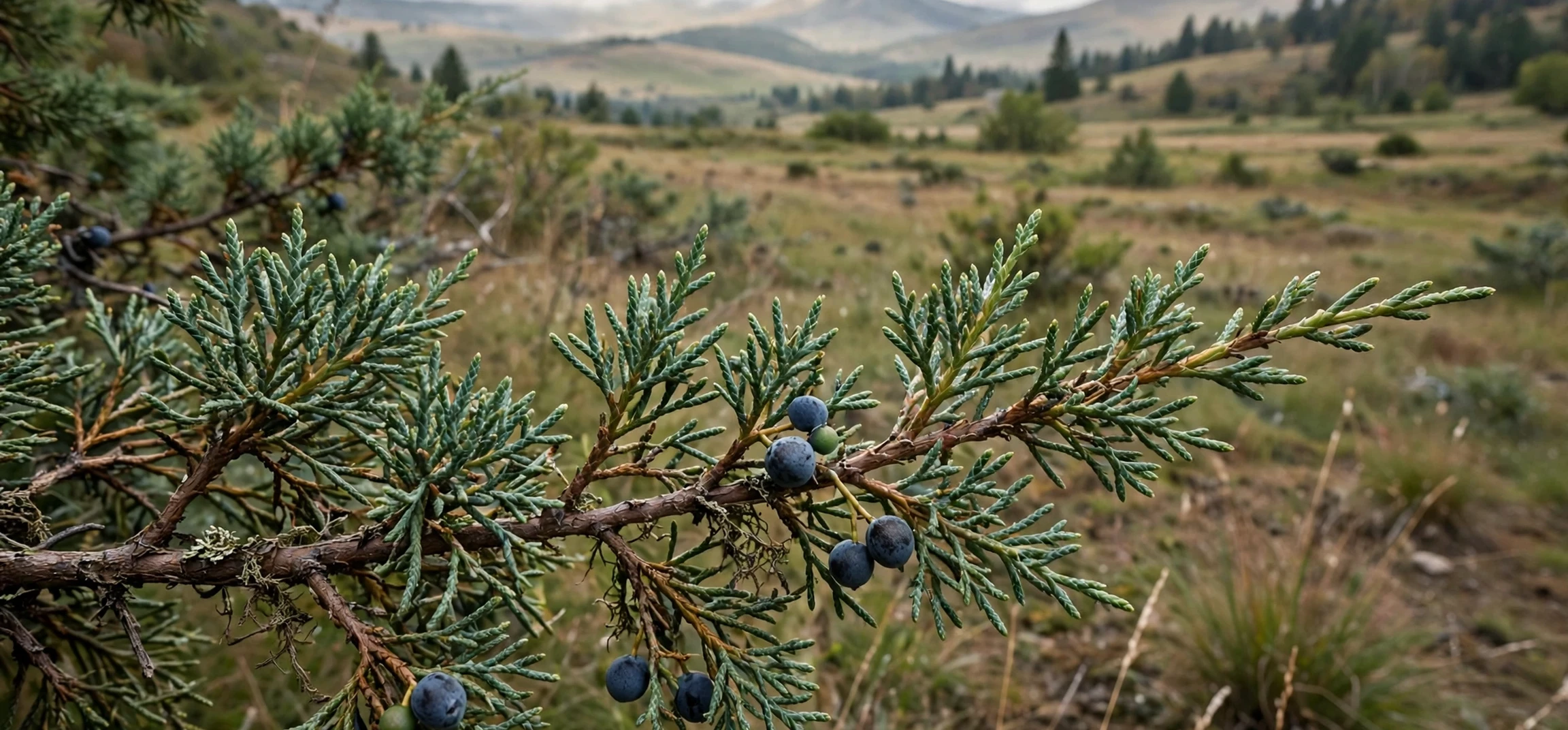
Fresh, botanical, and quietly distinctive, Juniper has grown from a rare nature name into a modern favourite — but what exactly is the meaning of juniper name? In short, the meaning of juniper name comes from the juniper tree and its berries: the name is taken directly from the Latin word for the evergreen shrub, and it carries associations of protection, resilience, and natural beauty. This guide explores the meaning of juniper name in full, from its Latin roots and historical use to its modern character, popularity, variations, and pairing ideas for parents who are considering it.
Juniper belongs to a family of nature names that includes Willow, Ivy, Rowan, and Hazel — names drawn from trees and plants rather than from traditional given names. What sets Juniper apart is its sound: three syllables, a soft beginning, and a crisp ending that feels both gentle and spirited. It is used most often for girls in recent years, although nature names in general are increasingly used across genders, and Juniper has occasionally been chosen for boys as well. Parents who like it often cite the same reasons: it sounds fresh without being invented, it has a clear natural image, and it is recognisable without being overused.
Meaning of Juniper Name: Latin Origin Explained
The meaning of juniper name begins with Latin. The English word juniper comes from the Latin juniperus, the name of the juniper tree itself. Botanists believe the Latin word may combine elements meaning “young” and “to produce”, a reference to the tree’s evergreen habit of always appearing youthful and productive — although, as with many ancient plant names, the exact breakdown is debated by scholars. What is not in doubt is the directness of the borrowing: Juniper as a name is simply the plant’s name, adopted as a given name, in the same way that Rose, Lily, and Holly moved from the garden into the register of names.
The juniper plant itself adds layers to the meaning of juniper name to the name’s character. Junipers are hardy evergreens that thrive in difficult conditions, from rocky hillsides to cold northern climates, and they keep their colour through winter when other plants lose theirs. Their berries — technically fleshy cones — have been used for centuries in cooking, in traditional medicine, and in the making of gin, where juniper berries provide the spirit’s defining flavour. A name drawn from such a plant therefore carries natural associations with endurance, freshness, and a certain wild, aromatic charm, even though the formal meaning of the name is simply “juniper tree”.
In folklore, juniper has long been linked with protection, which enriches the meaning of juniper name beyond its literal definition. In several European traditions, juniper branches were hung over doorways or burned as incense in the belief that the plant warded off illness and ill fortune. That folklore is not part of the name’s dictionary definition, but it colours how the name feels to many people: Juniper sounds like a name for someone sheltered, strong, and a little bit magical. Parents who enjoy names with a story often appreciate that extra layer, even when they choose the name mainly for its sound.
Meaning of Juniper Name: History and Traditional Use
Unlike names with centuries of continuous use as given names, Juniper is a relatively recent arrival in the naming mainstream. The word itself is ancient, and the plant appears in literature, herbal texts, and place names across Europe, but Juniper as a personal name was rare before the late twentieth century. Its rise belongs to the broader nature-name movement, in which parents began looking beyond the traditional name pool to words that evoked the natural world — first flowers, then trees, then a wider range of plants, seasons, and landscapes.
That recent history gives Juniper a particular character, and it shapes how the meaning of juniper name is understood today. It does not carry the weight of a royal or biblical namesake, and it has no single famous historical bearer who defines it. Instead, its character comes from the plant and from the modern parents who have chosen it: people who value nature, individuality, and names that feel both grounded and imaginative. In that sense, Juniper is a name whose meaning is still being written by the generation growing up with it, which is part of its appeal for parents who want a name that feels fresh rather than inherited.
The name’s literary and cultural appearances have helped its rise, adding storybook warmth to the meaning of juniper name. Juniper appears as a character name in children’s books and fiction, where it suits curious, outdoorsy, nature-loving characters, and that association reinforces the name’s gentle, adventurous image. It has also benefited from the general popularity of botanical names for girls in English-speaking countries over the past two decades, a trend that has brought names such as Ivy, Willow, and Hazel back into regular use and introduced newer ones such as Juniper, Wren, and Fern alongside them.
The Impression Juniper Gives
Names create first impressions, and Juniper tends to create a warm one — the lived side of the meaning of juniper name. People often describe it as fresh, friendly, and slightly whimsical, with a natural, outdoorsy feel. It suggests someone creative and independent rather than formal or traditional, and its three syllables give it a musical quality that shorter names sometimes lack. At the same time, it is easy to spell and pronounce, which matters in everyday life: a distinctive name that still causes no confusion is a practical advantage for a child.
Nickname options add to its flexibility. June is the most natural short form, and it is a lovely name in its own right — simple, classic, and summery. Junie is a popular affectionate version, especially for young children, while Juni offers a playful, modern shortening. Some families use the full name always, enjoying its length and rhythm, while others move between Juniper and June depending on the occasion. That flexibility means the name can grow with its bearer, from a playful childhood nickname to a full, elegant adult name.
Meaning of Juniper Name: Popularity and Modern Use
The meaning of juniper name is sometimes confused with its popularity, but the two are different questions. Popularity figures change year by year and differ by country, so any specific ranking quoted today may be out of date tomorrow. The broad pattern, however, is clear: Juniper has risen steadily in English-speaking countries over the past two decades, moving from obscurity into regular use, particularly in the United States, the United Kingdom, Canada, and Australia. It remains far less common than top-ten names, which is exactly the balance many parents want — familiar enough to be recognised, unusual enough to stand out.
That balance matters because names follow fashions, even though the meaning of juniper name itself stays rooted in the tree., and today’s rising name can become tomorrow’s common one. Juniper’s plant origin gives it a certain protection against dating: nature names tend to age more gracefully than names tied to a particular celebrity or trend, because the plant itself never goes out of style. A Juniper born today will share her name with a tree that has existed for millennia, which gives the name a timeless anchor even as its popularity rises and falls.
Parents considering Juniper often weigh the meaning of juniper name against similar names. Willow shares its gentle, tree-based feel but is more common. Ivy is shorter and more traditional. Rowan is another tree name, used more often for boys in some countries and for girls in others. Hazel has a vintage warmth that Juniper lacks, while Juniper has a brightness and energy that Hazel does not. Comparing these names side by side helps parents decide whether they want the softest option, the rarest option, or the one whose sound they simply love most — and sound, in the end, is often the deciding factor. For a similar exploration of another name’s story, see our guide to the meaning of the name Angelica.
| Aspect | What it means for Juniper |
|---|---|
| Origin | Latin juniperus, the juniper tree |
| Literal meaning | Juniper tree / juniper berry |
| Associations | Evergreen resilience, protection, natural freshness |
| Typical use today | Most often for girls; occasionally for boys |
| Common nicknames | June, Junie, Juni |
| Style family | Botanical names: Willow, Ivy, Rowan, Hazel |
Variations, Spellings, and Middle Name Pairings
Juniper has few established spelling variations, which keeps the meaning of juniper name clear and consistent., which is part of its charm: the standard spelling is the plant’s spelling, and alternative spellings are rare. Some families use Junipero as a masculine form, drawing on the Spanish form of the name, which is also associated with Saint Junípero Serra, a historical Franciscan figure — although that connection belongs to Junipero rather than to Juniper itself, and parents who choose Juniper are usually thinking of the tree rather than the saint. The name also appears in place names, such as Juniper Hills and Juniper Ridge, which reinforce its landscape associations.
Middle names pair well with Juniper when they balance its three syllables. A short, classic middle name — Juniper Rose, Juniper Grace, Juniper Mae, Juniper Claire — lets the first name shine while giving the full name a pleasing rhythm. A longer middle name, such as Juniper Elizabeth or Juniper Alexandra, creates a more formal, flowing combination. Nature-themed middles, like Juniper Wren or Juniper Fern, double down on the botanical theme, which some families love and others find too much of a good thing. There is no right answer; the test is simply to say the full name aloud and notice whether it flows.
Sibling names often follow a similar logic. Families who choose Juniper for one child frequently choose other nature names — Rowan, Ivy, Hazel, August, River — for siblings, creating a gentle theme without strict matching. Others prefer contrast, pairing Juniper with a classic name such as Henry, Eleanor, or Thomas. Either approach works, because Juniper is distinctive enough to hold its own in any sibling set, and flexible enough to sit comfortably beside both traditional and modern names. The same balance of meaning and sound matters in other word histories too, as our guide to the meaning of Bildungsroman shows for a very different kind of word.
Frequently Asked Questions About the Meaning of Juniper Name
What does the name Juniper mean?
Juniper means the juniper tree, from the Latin juniperus. It carries associations of evergreen resilience, protection, and natural beauty.
Is Juniper a girl’s name or a boy’s name?
It is used most often for girls today, but nature names are increasingly used across genders, and Juniper has occasionally been chosen for boys as well.
What are common nicknames for Juniper?
June is the most natural short form, with Junie and Juni as popular affectionate alternatives.
Is Juniper a popular name?
It has risen steadily in English-speaking countries over the past two decades but remains far less common than top-ten names, which many parents see as an ideal balance.
Conclusion: Meaning of Juniper Name
The meaning of juniper name is, at its simplest, the juniper tree — a hardy evergreen whose name comes from Latin and whose character suggests resilience, freshness, and quiet protection. Around that simple definition, the name has grown a modern identity: botanical, musical, distinctive without being difficult, and flexible enough to suit a child, a teenager, and an adult. Whether parents choose it for its plant roots, its folklore, its sound, or simply because they love the way it feels to say, Juniper offers something rare in naming — a name that is both rooted in nature and entirely of its moment. For more on names and their stories, see our guide to the meaning of Saint Patrick’s Day and the traditions behind the names it celebrates.



