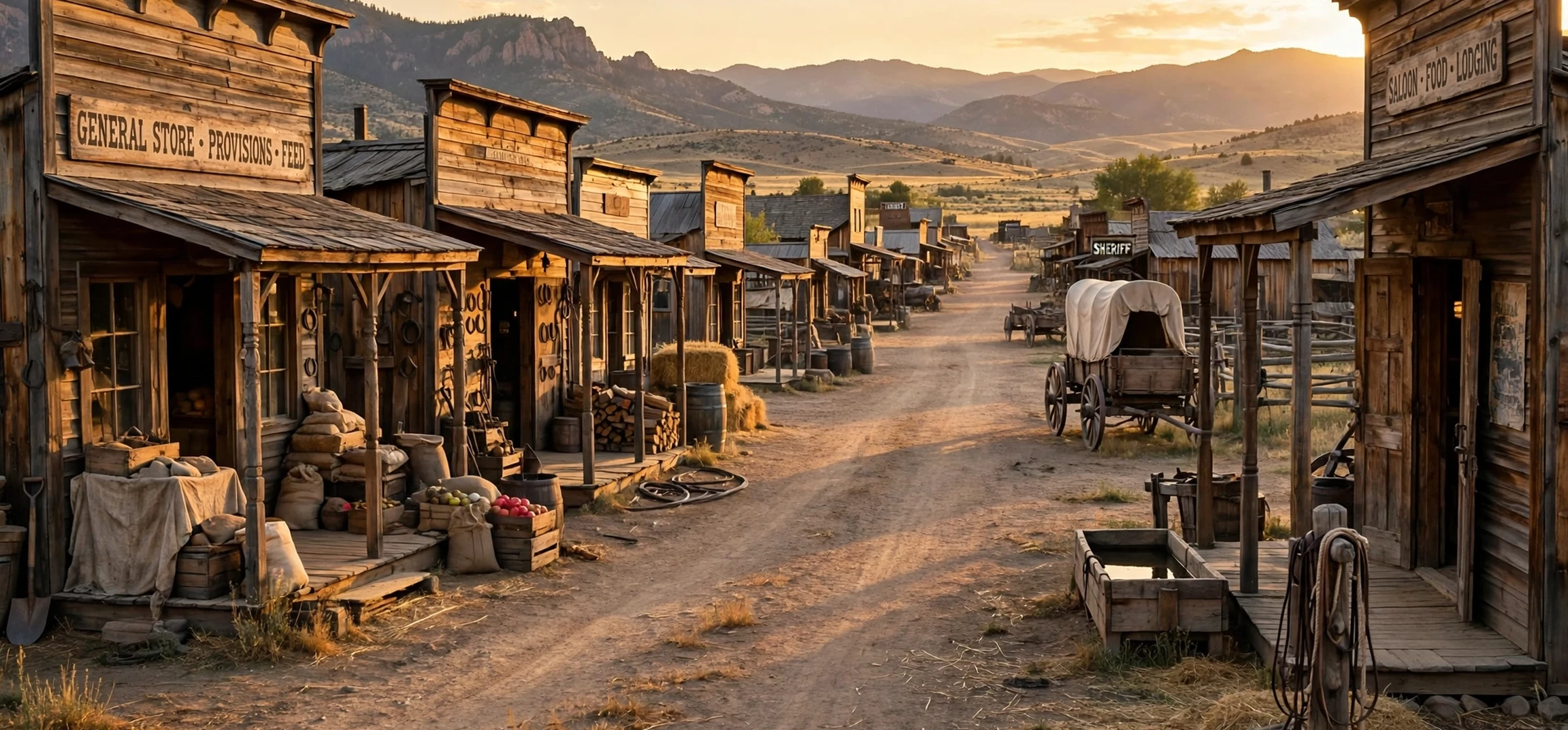
When fans ask about Maverick the TV show, one question comes up more than any other: who actually played Maverick? The answer is a little richer than a single name, because Maverick the TV show was built around two leading men, a clever rotation system and a hero who broke almost every rule of the television western. Maverick the TV show ran on American television from 1957 to 1962, and its blend of comedy, charm and cardsharp cunning made it one of the most distinctive westerns of its era. This guide explains who played Maverick, how the show worked and why it still matters.
At the centre of Maverick the TV show stands Bret Maverick, a gambler, drifter and reluctant hero who would much rather talk, bluff or run than reach for a gun. That character, played with effortless wit, turned the western hero on its head and gave audiences something they had not seen before: a cowboy who was honest about preferring a comfortable life to a dangerous one.
Who Played Maverick in Maverick the TV Show?
The short answer is that James Garner played Bret Maverick, the original and best-known Maverick, while Jack Kelly played his brother Bart Maverick. Maverick the TV show used both actors as leads, often alternating episodes between Bret and Bart so that production could keep pace with the demanding weekly schedule. Garner and Kelly had genuine chemistry, and when they appeared together, the brotherly banter became one of the show’s great pleasures.
James Garner brought a relaxed, wry authority to Bret Maverick. His delivery made even the most outlandish bluff sound reasonable, and his comic timing allowed the show to be funny without ever becoming a parody. Bret was intelligent, good-natured and allergic to unnecessary violence, and Garner played those qualities as strengths rather than jokes. It is no exaggeration to say that Garner’s performance defined Maverick the TV show and set the template for the charming rogue heroes who followed in film and television.
Jack Kelly, as Bart Maverick, was no mere understudy. Bart was smoother and more polished than Bret, a touch more comfortable in polite society, and Kelly played him with elegance and dry humour. Audiences took to Bart quickly, and his episodes are among the most fondly remembered in the series. Together, Garner and Kelly proved that Maverick the TV show could thrive with either brother at its centre, and that flexibility became one of its greatest assets.
How Maverick the TV Show Worked
Maverick the TV show followed Bret and Bart Maverick, professional gamblers travelling through the American West of the late nineteenth century. Each episode typically dropped them into a new town, a new card game or a new scheme, where they encountered con artists, ranchers, lawmen, saloon keepers and the occasional genuinely dangerous villain. The Mavericks survived less through gunplay than through intelligence, observation and an uncanny ability to read a room.
The show’s format was deliberately flexible. Some episodes were light comedies built around mistaken identity or a rigged poker game. Others were more conventional western adventures, with cattle, gold, railways or land disputes at stake. A few were quietly touching, showing the brothers’ loyalty to friends and family. That variety kept Maverick the TV show fresh across five seasons, because no two weeks ever felt quite the same.
The rotation system deserves special mention. By alternating Bret and Bart episodes, the producers could film more efficiently while giving each actor time to rest. It also meant that viewers never quite knew which Maverick they would get in a given week, which added a small weekly thrill. When both brothers appeared together, usually for a special story or a season highlight, the episodes felt like events, and fans still single them out today.
Bret Maverick: The Gambler Who Changed the Western
Bret Maverick mattered because he refused to behave like a traditional western hero. Where other television cowboys solved problems with fists and firearms, Bret preferred negotiation, deception and, when all else failed, a swift exit. He was brave when it counted, but he never pretended to enjoy danger, and he was refreshingly honest about money: he gambled to make a living, not to prove a point.
This approach made Maverick the TV show feel modern even in the late 1950s. Bret’s scepticism towards authority, his distaste for pomposity and his willingness to mock western clichés gave the series a comic edge that set it apart from more earnest rivals. Writers could poke fun at gunfighters, town bosses and self-important villains, secure in the knowledge that Bret, and Garner, would deliver the joke with a grin rather than a sneer.
Bret’s famous reluctance also made his moments of courage land harder. When Bret did stand his ground, audiences knew it cost him something, which made those scenes more dramatic than a dozen routine shootouts. That emotional logic is a large part of why Maverick the TV show has aged better than many westerns of its period: its hero felt human, not merely heroic.
Bart Maverick and the Maverick Brothers
Bart Maverick, played by Jack Kelly, gave Maverick the TV show its second engine. Bart shared Bret’s profession and much of his philosophy, but he was a distinct character rather than a copy. He was a little more urbane, a little more romantic and a little more inclined to trust first impressions, which meant his episodes could explore different kinds of stories and different kinds of trouble.
The relationship between the brothers is central to the show’s appeal. Bret and Bart teased each other mercilessly, competed over cards and company, and yet never hesitated to come to each other’s aid. That mix of rivalry and loyalty felt authentic, and it gave the series a family warmth that pure lone-wolf westerns lacked. For viewers who enjoy ensemble television history, our guide to the cast of classic TV show casts offers a similar look at how strong ensembles carry long-running series.
Later in the run, other Maverick relatives appeared, including Beau Maverick, played by Roger Moore, and Brent Maverick, played by Robert Colbert. These additions reflected the show’s evolving production needs as much as its storytelling, and while neither replaced Bret or Bart in the audience’s affections, they underlined an important truth about Maverick the TV show: the name Maverick was bigger than any single performer, even though Garner and Kelly remain its definitive faces.
Why Maverick the TV Show Still Matters
The legacy of Maverick the TV show extends far beyond its original broadcast. Its witty, self-aware western influenced later series that mixed comedy with adventure, and its hero became a model for the charming rogue in popular culture. James Garner’s later career, including his beloved work in detective and western roles, owes an obvious debt to Bret Maverick, the part that first made him a star.
The show also demonstrated that a western could succeed without constant violence. By trusting writing, performance and character, Maverick the TV show attracted viewers who might never have watched a traditional horse opera. That lesson shaped television for decades, as producers learned that genre shows could be funny, clever and character-driven without losing their audience.
For modern viewers, the show remains highly watchable. The black-and-white photography is handsome, the scripts are sharp, and Garner and Kelly are simply delightful company. If you are exploring vintage television, you may also enjoy our retrospective on retro TV action series, which traces how later shows borrowed Maverick’s blend of charm and adventure.
| Role | Actor | Notes |
|---|---|---|
| Bret Maverick | James Garner | Original lead; witty gambler and reluctant hero |
| Bart Maverick | Jack Kelly | Bret’s brother; polished, dry-witted co-lead |
| Beau Maverick | Roger Moore | Later addition as another Maverick brother |
| Brent Maverick | Robert Colbert | Appeared towards the end of the run |
| Series run | 1957–1962 | Five seasons of western comedy-adventure |
Memorable Qualities of Maverick the TV Show Episodes
What do fans remember most about the show? First, the poker scenes, which were staged with genuine tension and wit rather than as mere background colour. Bret and Bart read opponents, spotted cheats and turned losing hands into winning bluffs, and the show took visible pleasure in the psychology of the card table. Second, the humour: Maverick episodes are genuinely funny, with dialogue that rewards attention and jokes that land without undermining the story.
Third, the guest stars and settings gave the series variety. The Mavericks moved through riverboats, mining towns, ranches and frontier settlements, meeting a rotating cast of rogues, romantics and authority figures. That sense of travel kept the show visually interesting and narratively open-ended. Finally, the moral centre held firm: for all their gambling and trickery, the Mavericks were fundamentally decent men who sided with the vulnerable and exposed the greedy. That decency, played lightly, is why the show still feels warm rather than cynical.
Viewers curious about other long-running television ensembles can also explore our guide to classic sitcom casts, which examines how beloved shows balanced star performances with strong supporting players.
Frequently Asked Questions About Maverick the TV Show
Who played Maverick in the show?
James Garner played Bret Maverick and Jack Kelly played his brother Bart Maverick. The two actors alternated as leads in the show, with Garner as the original and most famous Maverick.
When did the show air?
the show aired from 1957 to 1962, running for five seasons and becoming one of the most popular westerns of its era.
Was the show a comedy or a western?
It was both. the show was a western comedy-adventure, mixing frontier settings and cardsharp plots with witty dialogue and a hero who preferred brains to bullets.
Did James Garner leave the show?
Yes. Garner departed before the end of the run amid a contract dispute, after which the show continued with Kelly and other Maverick relatives, but the Garner era remains the definitive one for most fans.
Conclusion
So, who played Maverick? James Garner as Bret Maverick and Jack Kelly as Bart Maverick, two performances that together made the show a classic. Garner gave the series its wit and warmth, Kelly gave it elegance and depth, and their partnership turned a gambler’s adventures into one of television’s most enduring westerns. If you have never watched it, start with a Bret episode, follow it with a Bart episode, and you will quickly understand why the show still earns its place in television history.