A zone 9 gardening map is the starting point for anyone growing plants in one of the warmest planting regions in the United States. Zone 9 covers areas with mild winters and long, hot growing seasons, including parts of California, Arizona, Texas, Florida, and the Gulf Coast, where gardeners can grow many crops almost year round. Reading a zone 9 gardening map correctly helps you choose plants that survive winter, time your sowing so seedlings are not scorched by summer heat, and plan succession planting so beds rarely sit empty. This guide explains how the map works, what grows well in zone 9, and how to build a planting calendar that fits your local microclimate, soil, and water supply.
It is important to understand what a zone 9 gardening map does and does not tell you. The map is based on average annual minimum winter temperatures, not on summer heat, rainfall, humidity, or soil type. Two gardens in zone 9 can therefore feel very different: a dry garden in inland Arizona faces intense heat and low humidity, while a humid garden in Florida faces heavy rain, pests, and fungal disease. A zone 9 gardening map is best used as a first filter for winter survival, followed by local knowledge about heat tolerance, water needs, and disease resistance. Used that way, it saves money, reduces plant losses, and makes garden planning far more enjoyable.
Zone 9 Gardening Map Basics
The planting zone system divides North America into zones based on the average lowest winter temperature in each area. Zone 9 is split into two subzones: zone 9a, where average minimum temperatures fall roughly between 20 and 25 degrees Fahrenheit, and zone 9b, where they fall roughly between 25 and 30 degrees Fahrenheit. Those few degrees matter, because a plant hardy to 25 degrees may survive in zone 9b but fail in a cold snap in zone 9a. When you consult a zone 9 gardening map, check your subzone as well as your zone, and note whether your garden sits in a frost pocket, on a slope, or near a warm wall, all of which shift real temperatures away from the map average.
Microclimates deserve special attention in zone 9. A south facing wall can add several degrees of warmth on a winter night, while a low lying hollow can collect cold air and frost even when nearby gardens escape damage. Containers cool faster than soil in the ground, and raised beds dry faster than level beds. Urban gardens may benefit from heat radiated by buildings and paving, while rural gardens may cool more sharply at night. A zone 9 gardening map gives you the regional picture, but a simple minimum maximum thermometer in your own garden, checked through one winter, gives you the local truth that matters for borderline plants.
What the Zone 9 Gardening Map Means for Climate
Zone 9 gardens enjoy a long growing season, often 250 days or more without frost, and in the warmest parts of zone 9b, frost may be rare or absent in many years. That long season is a gift, but it brings its own challenges. Summer heat can exceed the tolerance of cool season crops, soil dries quickly, and pests breed continuously without a hard winter to suppress them. A zone 9 gardening map therefore needs to be paired with a heat strategy: shade cloth for lettuce and herbs in midsummer, mulching to hold soil moisture, deep watering to encourage deep roots, and planting cool season crops in autumn and winter rather than in spring.
Rainfall patterns vary sharply across zone 9. Some areas receive winter rain and dry summers, others receive summer thunderstorms and humid winters, and others rely heavily on irrigation. Before choosing plants from a zone 9 gardening map, check your local rainfall pattern and your water rules, because a plant that is winter hardy in zone 9 may still fail if it needs more water than your garden can supply. Drought tolerant plants, native species, and Mediterranean herbs often thrive in dry zone 9 gardens, while tropical and subtropical plants suit humid zone 9 gardens with reliable summer rain.
Vegetables on a Zone 9 Gardening Map
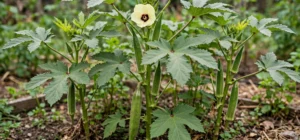
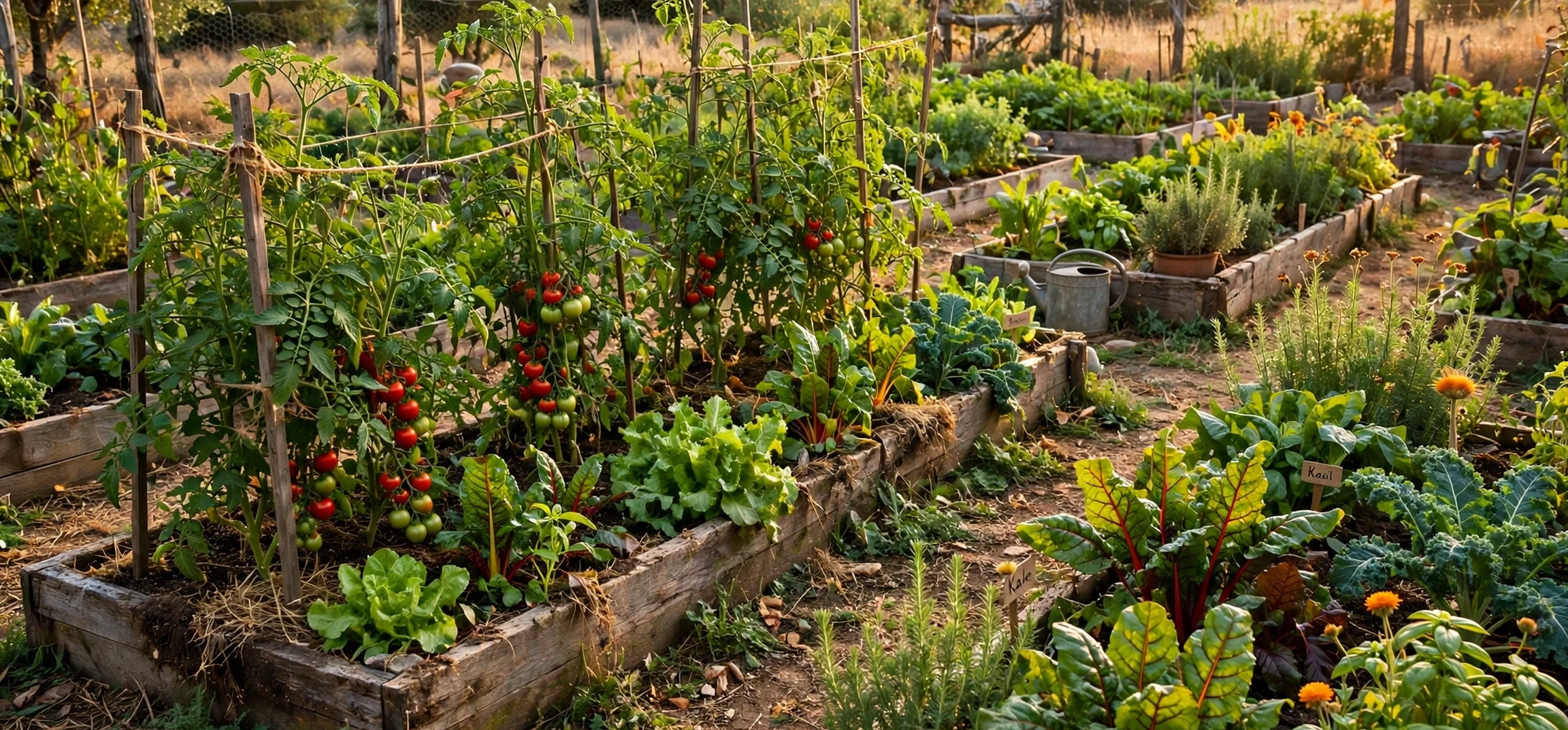
Vegetable gardening in zone 9 is best organised into two main seasons: a cool season from autumn through spring, and a warm season from spring through autumn, with overlap in mild areas. Cool season crops such as lettuce, spinach, kale, broccoli, cauliflower, peas, carrots, and onions grow best when sown in autumn, because they mature in mild winter weather and finish before summer heat arrives. Warm season crops such as tomatoes, peppers, eggplants, squash, beans, cucumbers, and okra thrive in summer heat, but they need consistent water and, in the hottest areas, some afternoon shade. A zone 9 gardening map helps you time those sowings, but your local last and first frost dates, which are often only a few weeks apart in zone 9, fine tune the calendar.
Succession planting is the secret to a productive zone 9 vegetable garden. Instead of sowing everything at once, sow small batches every two to three weeks, so harvests continue steadily and a single heatwave or pest outbreak does not wipe out the whole crop. Interplant fast crops, such as radishes and salad leaves, between slower crops, such as brassicas, to use space efficiently. Rotate crop families each season to reduce soil borne disease, and add compost before each new planting to replace nutrients removed by the previous crop. With those habits, a zone 9 garden can produce fresh food in every month of the year.
Fruit, Herbs, and Flowers for Zone 9
Fruit choice in zone 9 is generous, but chilling hours matter. Many fruit trees need a certain number of winter hours below a threshold temperature to fruit well, and zone 9 winters may not supply enough chilling for high chill varieties of apples, pears, and cherries. Choose low chill varieties bred for warm climates, and check the chilling requirement before buying. Citrus, figs, pomegranates, loquats, olives, and many tropical fruits thrive in zone 9, provided they are protected from rare hard frosts. Berries such as blackberries and low chill blueberries also do well, especially with mulching and regular watering.
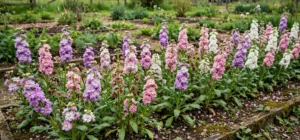
Herbs are among the easiest wins on a zone 9 gardening map. Basil, rosemary, thyme, oregano, sage, mint, and parsley all grow vigorously, though basil prefers summer warmth and parsley prefers cooler months. Mediterranean herbs need sharp drainage and dislike wet winter soil, so plant them in raised beds or containers with gritty compost in humid zone 9 areas. Flowers for zone 9 include zinnias, marigolds, sunflowers, lantana, salvia, and bougainvillea, which all love heat and sun, while roses, with good air circulation and disease resistant varieties, can flower for much of the year. Choosing flowers that suit your humidity level, not just your zone, reduces spraying and disappointment.
A Seasonal Planting Calendar for Zone 9
A practical zone 9 gardening map calendar starts in autumn. From September to November, sow cool season vegetables, plant garlic and onions, and put in new trees and shrubs so roots establish over winter. From December to February, harvest cool season crops, protect tender plants on frost nights with fleece or cloches, and prune deciduous fruit trees while they are dormant. From March to May, sow warm season crops after the last frost risk, transplant tomatoes and peppers, and mulch beds before summer heat arrives. From June to August, water deeply, harvest daily, sow heat loving crops such as okra and sweet potatoes, and start autumn seedlings in partial shade.
That calendar is a template, not a rule. Coastal zone 9 gardens may start warm season crops earlier, while inland gardens may need to wait for soil to warm. If a late frost is forecast, cover tender plants in the evening and remove covers in the morning, and water soil before a frost, because moist soil holds heat better than dry soil. Keep a garden diary noting sowing dates, first harvests, frost nights, and pest outbreaks. After one full year, your diary becomes a personal zone 9 gardening map, far more precise than any regional map, because it records what actually happened in your garden.
Soil, Water, and Mulch in Zone 9
Soil preparation matters more in zone 9 than in cooler zones, because heat and continuous cropping deplete organic matter quickly. Add compost twice a year, mulch beds to a depth of several inches with straw, wood chips, or leaves, and avoid leaving soil bare in summer, when sun bakes it and kills soil life. Test your soil every year or two for pH and nutrients, because zone 9 soils range from acidic and sandy in Florida to alkaline and clay heavy in parts of Texas and California. Correcting pH and adding organic matter gradually is more effective than chasing quick fixes with heavy fertiliser, which can burn roots in hot weather.
Watering in zone 9 should be deep and infrequent rather than shallow and daily, so roots grow down toward cooler, moister soil. Water in the early morning to reduce evaporation and disease, and use drip irrigation or soaker hoses where possible, because they deliver water to roots without wetting leaves. Group plants by water need, so drought tolerant herbs are not overwatered alongside thirsty vegetables. In areas with watering restrictions, rain barrels, greywater where permitted, and drought tolerant planting choices become essential parts of a zone 9 gardening map plan, not optional extras.
| Season | Best crops to sow or plant | Key tasks |
|---|---|---|
| Autumn | Lettuce, kale, broccoli, peas, garlic | Mulch, plant trees, sow cool season crops |
| Winter | Onions, carrots, spinach, broad beans | Harvest, frost protection, prune fruit trees |
| Spring | Tomatoes, peppers, beans, squash | Transplant after frost, mulch before heat |
| Summer | Okra, sweet potatoes, basil, zinnias | Deep watering, daily harvest, shade tender crops |
Pests and Problems in Zone 9 Gardens
Pests in zone 9 do not take a winter break, so prevention matters more than cure. Aphids, whitefly, caterpillars, and spider mites can build up quickly in warm weather, and fungal diseases thrive in humid zone 9 gardens. Inspect plants weekly, remove affected leaves promptly, and encourage beneficial insects by planting flowers such as marigolds and alyssum near vegetables. Crop rotation, clean tools, and resistant varieties reduce pressure without heavy spraying. If you do spray, choose the least harmful option, apply it in the evening to protect pollinators, and follow the label exactly.
Heat stress is another common zone 9 problem. Wilting in the afternoon is normal for some plants and does not always mean they need water, so check soil moisture before watering. Blossom drop on tomatoes in extreme heat, sunscald on peppers, and bolting in lettuce are all heat responses, and shade cloth, mulching, and choosing heat tolerant varieties help more than extra fertiliser. Remember that a zone 9 gardening map tells you about winter survival, not heat tolerance, so always check a variety’s heat performance in your area before planting a large bed of it.
Frequently Asked Questions About a Zone 9 Gardening Map
How do I find my exact zone on a zone 9 gardening map?
Use an official planting zone lookup for your address, then confirm your subzone, 9a or 9b, and note your local frost dates. A map gives the regional zone, while your garden’s microclimate and a winter thermometer give the local detail.
Can I grow tropical plants in zone 9?
Many tropical and subtropical plants grow well in zone 9, especially in 9b, but most need protection on the coldest nights. Keep tender plants in containers that can be moved indoors, or cover them with fleece when frost is forecast.
When should I plant tomatoes in zone 9?
Plant tomatoes after the last frost risk in spring, and in many zone 9 areas you can plant a second crop in late summer for an autumn harvest. Choose heat tolerant varieties for the hottest gardens, and mulch well to hold moisture.
Does zone 9 mean I can garden all year?
In most zone 9 areas, yes, with the right crop choices. Cool season crops fill winter beds, warm season crops fill summer beds, and succession sowing keeps harvests continuous, provided water and pest control are managed.
Conclusion
A zone 9 gardening map is a powerful planning tool when it is used correctly: as a guide to winter survival, paired with local knowledge about heat, water, soil, and pests. Start by confirming your subzone, then build a seasonal calendar around cool season crops in autumn and winter and warm season crops in spring and summer. Improve your soil with compost and mulch, water deeply, choose low chill fruit and heat tolerant vegetables, and keep a diary so your second year is better than your first. With those steps, a zone 9 garden can reward you with fresh food and colour in almost every month. For more planning ideas, explore our comprehensive guide collection and seasonal guide for inspiration on structuring your year.