If you searched for “____stok and bloom”, you have probably landed here because a search phrase was cut off or typed in a hurry, and this guide sorts out what you most likely meant. The phrase “____stok and bloom” looks like a truncated version of a search about stock plants and their blooms, so this article treats “____stok and bloom” honestly as a search-term artifact and gives you the genuinely useful guide behind it: how to grow stock flowers, the fragrant plants gardeners love for their tall flower spikes and sweet scent. Rather than pretending “____stok and bloom” is a standard gardening term, we explain the mix-up plainly and then deliver a complete stock flower growing guide.
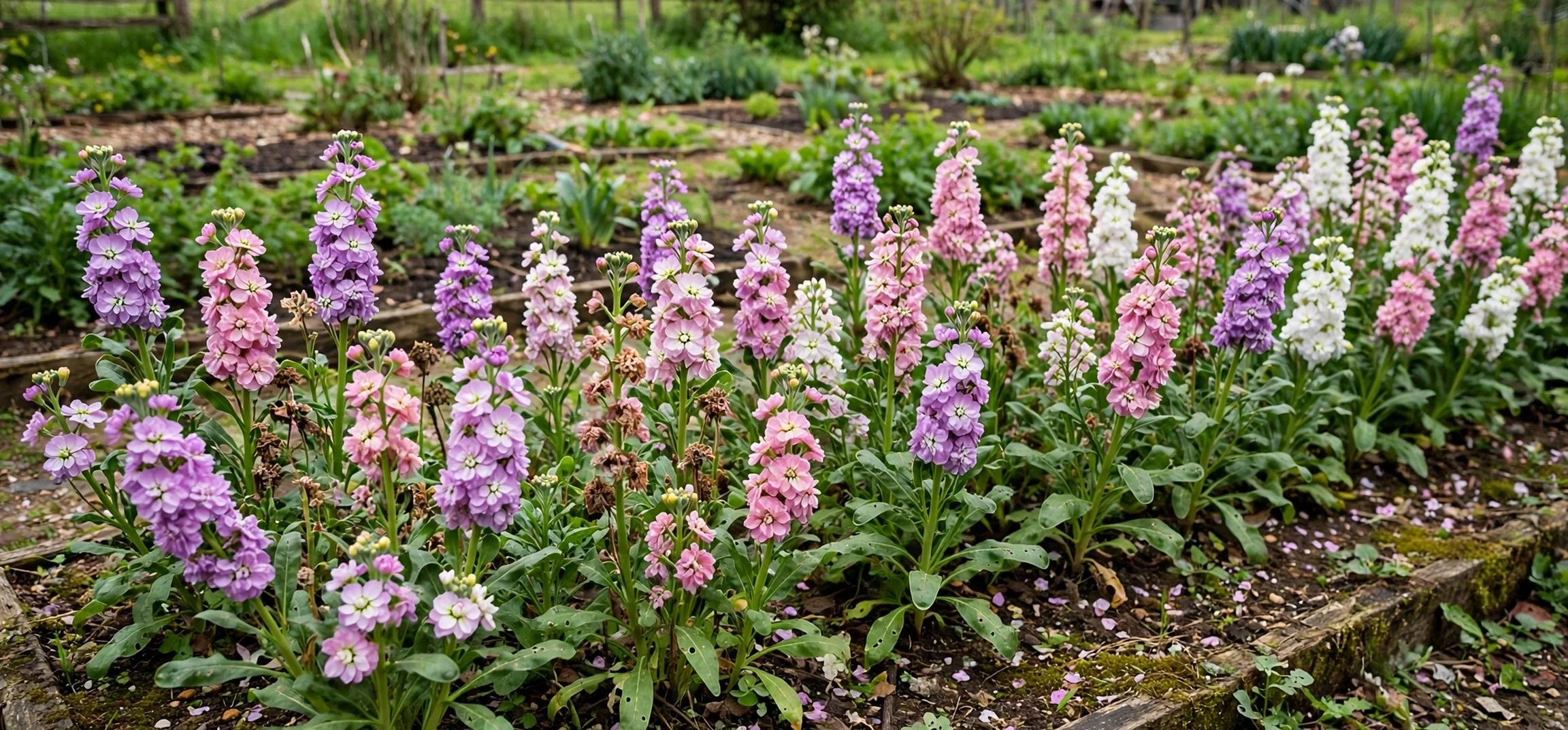
Stock flowers, botanically known as Matthiola, are old-fashioned cottage garden favourites. They produce dense spikes of flowers in shades of white, pink, purple, red, and yellow, and many varieties are strongly scented, especially in the evening. Gardeners grow them in beds, borders, and containers, and florists value them as cut flowers because their stems are long and their blooms last well in a vase. If your search for “____stok and bloom” was really about finding a plant that flowers beautifully and smells wonderful, stock is an excellent choice, and the rest of this guide shows you how to grow it well.
What “____stok and bloom” Means as a Search Phrase
Search phrases get truncated in all sorts of ways. A phrase can be cut off by a search box, a copied link, an autocomplete suggestion, or a typing slip, and the result is a fragment that looks odd on its own. The fragment “____stok and bloom” is a good example: the missing letters at the start and the pairing of a plant word with bloom strongly suggest the searcher meant stock plants in flower. That reading fits the gardening world perfectly, because gardeners constantly search for when stock blooms, how to make stock bloom better, and which stock varieties bloom longest.
There is another clue in the wording. The word bloom in a plant search almost always refers to flowers, not to anything else, and stock is a well-known flowering plant name. Put together, “____stok and bloom” reads as a garden search that lost a few characters along the way. This guide therefore answers the question behind the fragment: what are stock plants, when do they bloom, and how do you grow them successfully? If you actually meant something else by “____stok and bloom”, the gardening information below will still help you judge whether stock flowers are the plant you had in mind.
Why Truncated Searches Happen
Truncation happens when a longer phrase is clipped, often at the beginning, by software that limits characters or by a careless copy and paste. Underscores sometimes appear where characters were masked or removed, which explains the row of underscores at the front of “____stok and bloom”. The practical lesson is simple: when a search result looks garbled, read it for intent rather than taking it literally, and look for the recognisable words inside it. Here, stock and bloom are the recognisable words, and they point clearly to a flowering plant guide.
Stock Flowers: The Plant Behind “____stok and bloom”
Stock flowers belong to the brassica family, which also includes cabbages and wallflowers, and they have been grown in gardens for centuries. The most common garden stock is Matthiola incana, often sold as garden stock or Brompton stock, while night-scented stock, Matthiola longipetala, is grown mainly for its powerful evening fragrance rather than its showy daytime flowers. Both types are cool-season plants: they prefer mild temperatures and often struggle in intense summer heat, which is why timing matters so much when growing them.
Growth habits vary by variety. Some stocks grow as compact plants around thirty centimetres tall, ideal for containers and edging, while others reach seventy centimetres or more, making them better for the middle of a border or for cutting. Flower spikes are dense and upright, opening gradually from the bottom upward, which gives a long display from each stem. Colours range from soft pastels to rich, deep shades, and double-flowered varieties look especially lush, though single-flowered types are often more fragrant and better for pollinators. If “____stok and bloom” brought you here hoping for a scented, cottage-style flower, stock delivers on both looks and perfume.
For planting calendars and seasonal planning, our zone 9 planting guide is a useful companion read, because it explains how planting times shift with climate. Stock is a cool-season crop, so matching its planting window to your local conditions is one of the most important steps in this whole guide.
Growing Stock Flowers After Searching “____stok and bloom”
Start stock from seed indoors or buy young plants from a garden centre, depending on your season and patience. Seeds are small and should be sown thinly on the surface of moist seed compost, barely covered, and kept at a mild temperature until they germinate, usually within one to two weeks. Seedlings need bright light and good air movement, and they should be moved on into individual pots once they are large enough to handle. Harden young plants off gradually before planting them outside, so a sudden cold night or strong wind does not check their growth.
Choose a sunny or lightly shaded spot with fertile, well-drained soil. Stock dislikes waterlogged ground, which can rot its roots, so heavy clay soil should be improved with garden compost and grit before planting. Space plants about twenty to thirty centimetres apart, water them in well, and mulch lightly to hold moisture. In mild climates, stock can be sown in autumn for spring flowering, while in colder areas a spring sowing for summer flowering works better. The key idea behind “____stok and bloom” as a gardening search is timing: get the timing right, and the bloom follows naturally.
Soil, Water, and Feeding
Stock prefers soil that is rich but not overfed. Dig in well-rotted compost before planting, and feed container plants every couple of weeks with a balanced liquid feed once they are growing strongly. Water regularly so the soil stays evenly moist, but avoid soaking the foliage, which can encourage disease. A plant that is stressed by drought or waterlogging will flower poorly, so steady, moderate watering is better than occasional flooding followed by neglect.
Sunlight and Temperature
Full sun gives the strongest stems and the most flowers, though light afternoon shade is welcome in hot climates. Stock flowers best in cool to mild weather, and prolonged heat can shorten the flowering season or cause plants to run to seed early. If you live somewhere with hot summers, treat stock as a spring or autumn flower, and enjoy its peak display in the milder months rather than fighting the heat of midsummer.
Making Stock Bloom Longer and Better
Deadheading, the removal of faded flower spikes, encourages many stock varieties to produce side shoots and further flowers, extending the display by weeks. Cut faded stems back to a healthy leaf joint, and keep watering and feeding while the plant is still in active growth. For cut flowers, pick stems when about half the flowers on the spike are open, and place them in water immediately: stock lasts well in a vase, often for a week or more, and its scent will fill a room, especially in the evening.
Watch for common problems. Aphids may cluster on young growth and buds, and they can be washed off or treated with a gentle, garden-safe method. Fungal problems are more likely in damp, crowded conditions, so give plants space and air, avoid wetting the leaves when watering, and remove any badly affected material promptly. Slugs and snails may nibble young seedlings, so protect early plantings, particularly in damp weather. None of these problems is unusual, and a little attention early in the season prevents most of them from spoiling the bloom.
| Variety Type | Height | Best For | Fragrance |
|---|---|---|---|
| Garden stock | 45 to 70 centimetres | Borders and cutting | Strong, sweet |
| Brompton stock | 45 to 60 centimetres | Spring borders | Strong, sweet |
| Night-scented stock | 30 to 45 centimetres | Evening scent near paths | Very strong at night |
| Dwarf stock | 20 to 30 centimetres | Containers and edging | Moderate to strong |
Design Ideas for Stock in the Garden
Stock works beautifully in a cottage garden border, mixed with other cool-season flowers such as sweet peas, violas, and forget-me-nots. Readers who enjoy plant names may also like our guide to the scientific name for the coconut tree, which shows how botanical names work for a very different plant. Its upright spikes contrast nicely with rounded flowers and soft foliage, and its scent rewards planting near a path, a bench, or a doorway where you will pass it in the evening. In containers, dwarf varieties make excellent patio plants, and a pot of stock by a front door gives visitors a fragrant welcome in spring.
For cutting gardens, plant stock in rows, as you would vegetables, so you can harvest stems without disturbing a display border. Succession sowing, sowing a small batch every two to three weeks during the sowing season, spreads the flowering period and keeps fresh stems coming. If you grow night-scented stock, plant it where you sit outside in the evening, because its perfume is faint by day and powerful after dusk. That evening transformation is one of the great small pleasures of growing stock, and it is a good reason why a search like “____stok and bloom” is worth answering properly.
Saving Seed and Next Year Plants
Stock plants often self-seed lightly, and you can also save seed from your own plants by letting a few spikes mature and dry on the plant, then collecting the small seeds from the pods. Saved seed will not always match the parent variety exactly, especially with hybrid types, but it is a pleasant, low-cost way to keep stock in your garden. Alternatively, buy fresh seed each year for reliable colours and habits, and treat stock as a seasonal flower to be renewed annually. Either approach keeps the garden stocked with bloom from year to year.
Frequently Asked Questions
What does “____stok and bloom” mean?
It appears to be a truncated search phrase about stock plants and their blooms. This guide treats it as a search artifact and answers the gardening question behind it: how to grow stock flowers.
When do stock flowers bloom?
Stock typically blooms in spring or early summer, depending on when it was sown and on local temperatures. Autumn-sown plants flower in spring, while spring-sown plants flower in summer.
Are stock flowers fragrant?
Yes. Most garden stocks are sweetly scented, and night-scented stock is especially fragrant in the evening, even though its daytime flowers are modest.
Can stock be grown in containers?
Yes. Dwarf varieties suit pots and window boxes well, provided the container has drainage holes and the plants receive sun and regular water.
Conclusion
A garbled search phrase can still lead to a good garden. The fragment “____stok and bloom” most likely began life as a question about stock plants in flower, and stock flowers are well worth the search: fragrant, colourful, easy to grow in cool weather, and excellent both in the border and in a vase. Sow at the right time, give plants sun and well-drained soil, water steadily, and deadhead faded spikes, and your stock will reward you with weeks of bloom. If “____stok and bloom” was your search, we hope this guide has turned a confusing fragment into a clear planting plan.