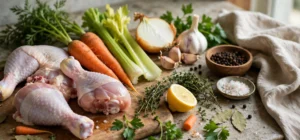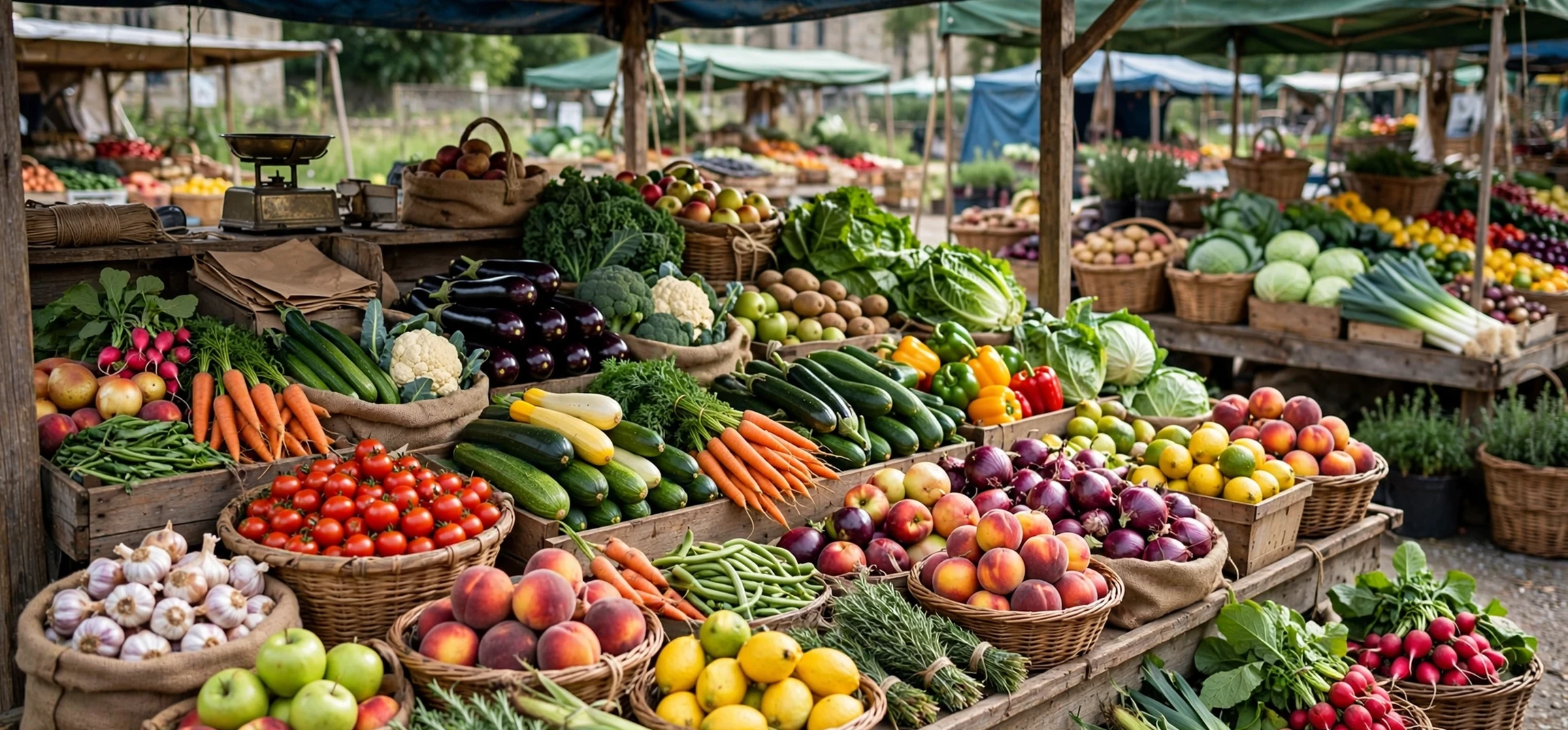
If you have ever wondered what is seasonal food, the answer is refreshingly simple: it is food that is grown, harvested, and eaten at the time of year when it naturally ripens in your local area. Instead of relying on produce that has travelled a long distance or been grown out of season in artificial conditions, seasonal eating follows the rhythm of the calendar. Strawberries in early summer, pumpkins in autumn, root vegetables in winter, and tender greens in spring are all classic examples. This way of eating is not a new diet trend. It is how people ate for most of history, before modern transport and cold storage made almost every ingredient available all year round. Today, seasonal food is enjoying a comeback because it tends to taste better, cost less, support local growers, and reduce the environmental impact of our meals.
Seasonal food is also about connection. When you eat what is in season, you notice the changing year in a more tangible way. A market stall piled with asparagus in spring feels different from one stacked with squash in autumn, and that variety keeps cooking interesting. You are not eating the same few ingredients on repeat. Instead, your meals shift gently with the weather, the daylight, and what local farms can produce well right now. For many home cooks, that change is the best part: it encourages creativity, reduces food boredom, and makes even simple meals feel fresh.
What Is Seasonal Food in Simple Terms?
At its core, seasonal food means produce that is at its natural peak. A tomato grown outdoors in summer sunshine will usually be sweeter, juicier, and more fragrant than one grown in winter under lights. The same principle applies to fruit, vegetables, herbs, and even some fish and dairy products, although the term is most often used for fruit and vegetables. Seasonality depends on where you live. What is in season in a warm southern region in January may be very different from what is in season in a colder northern region at the same time. That is why a seasonal guide for one country, or even one state, does not always work for another.
It helps to think of seasonal food in three parts. First, there is the growing season: the period when a crop can grow well outdoors in a given climate. Second, there is the harvest window: the shorter period when that crop is ripe and ready to pick. Third, there is availability: how long the crop stays fresh and tasty after harvest, whether through storage, preserving, or quick transport from nearby farms. Foods that are truly seasonal score well on all three. They grow easily, they are picked at the right moment, and they reach your plate quickly.
How seasonality differs by climate
In mild climates, the growing season can be long, and some crops may be available for many months. In colder climates, the season is shorter and more sharply defined, with a burst of summer produce followed by hardy winter crops such as cabbage, carrots, and potatoes. In tropical climates, seasons are often described by wet and dry periods rather than by summer and winter, and fruits such as mangoes and pineapples follow those cycles. Understanding your own local climate is therefore the first step to eating seasonally, and a quick check of a local farmers market or farm box scheme will tell you more than any generic calendar.
Seasonal, local, and fresh are related but not identical
People often use the words seasonal, local, and fresh as if they meant the same thing, but they describe different qualities. Local food is grown near where you live, which often means it is also seasonal, but not always, because heated greenhouses can produce out-of-season crops locally. Fresh food has been picked recently and has not been heavily processed, but it may have been flown in from another continent. Seasonal food is specifically about timing. Ideally, you want all three: food that is in season, grown nearby, and freshly picked. When you can combine them, flavour and value usually follow.
What Is Seasonal Food and Why It Matters for Flavour?
Flavour is the most immediate reason people choose seasonal food. Produce that ripens naturally on the plant develops sugars, acids, and aromatic compounds in balance. When crops are picked early so they can survive a long journey, they may look ripe by the time they reach the shop, but they often lack depth of flavour. A peach picked ripe and eaten the same week tastes different from one picked hard and ripened in storage. The same is true for herbs, which lose their scent quickly, and for leafy greens, which wilt and lose sweetness within days.
Texture matters too. Seasonal vegetables tend to be crisp, tender, or firm in the way that variety is meant to be, rather than woody, watery, or mealy. Asparagus in season snaps cleanly. Autumn apples are crisp. Winter root vegetables are dense and sweet after a cold snap, because the plant stores sugars to protect itself. Cooks notice these differences immediately, because seasonal ingredients need less help: a little olive oil, salt, and heat is often enough, whereas out-of-season produce may need sauces and seasoning to make it interesting.
For more ideas on building simple, tasty meals around fresh ingredients, see this healthy snack guide and this home recipe guide, both of which show how everyday ingredients can become satisfying dishes without complicated techniques.
Seasonal Food by Season: A Practical Overview
While exact lists vary by region, the broad pattern below gives a useful starting point. Use it as a guide, then adjust it with what you actually see at local markets, which is the most reliable seasonal calendar of all.
| Season | Typical seasonal foods | Best cooking styles |
|---|---|---|
| Spring | Asparagus, peas, spring onions, radishes, spinach, rhubarb, new potatoes | Light steaming, salads, quick stir-fries, soups |
| Summer | Tomatoes, courgettes, sweetcorn, berries, stone fruit, cucumbers, herbs | Grilling, raw salads, chilled soups, baking |
| Autumn | Pumpkins, squash, apples, pears, mushrooms, leeks, sweet potatoes | Roasting, slow soups, pies, braising |
| Winter | Cabbage, carrots, parsnips, potatoes, citrus fruit, kale, onions | Stews, roasting, mashing, slow cooking |
Spring: tender, green, and fresh
Spring is the season of first growth. After winter, the first shoots, leaves, and early vegetables appear, and they tend to be delicate and quick to cook. This is the time for salads, lightly steamed vegetables, and dishes that celebrate freshness rather than richness. Spring herbs such as mint, chives, and parsley are also at their best, and they can lift simple meals with very little effort.
Summer: abundance and colour
Summer brings the widest choice. Warm weather ripens tomatoes, berries, stone fruit, and many vegetables at once, so markets overflow and prices often fall. This is the best season for eating raw, grilling outdoors, and preserving the surplus by freezing, jam-making, or pickling. If you have ever wanted to try preserving, summer is the most forgiving time to start, because the ingredients are cheap and plentiful.
Autumn: hearty and comforting
Autumn shifts cooking toward warmth and depth. Squash, roots, apples, and mushrooms lend themselves to roasting and slow cooking, and the kitchen naturally moves from salads to soups and baked dishes. Autumn is also harvest festival season in many cultures, a reminder that seasonal eating has long been tied to celebration and community.
Winter: stored, hardy, and sustaining
Winter seasonal food is often misunderstood as limited, but it has its own strengths. Hardy greens, roots, stored apples, and citrus fruit provide flavour and variety, and slow-cooked dishes make the most of them. Citrus is a winter highlight in many regions, bringing brightness to the darkest months. Winter is also a good time for dried beans, grains, and preserved foods, which complement fresh seasonal produce beautifully.
Benefits of Eating Seasonally
Beyond flavour, seasonal eating offers practical benefits. Cost is one of the clearest. When a crop is in season, supply is high, and prices usually drop. Buying strawberries in peak summer is often far cheaper than buying them in midwinter, and the summer berries will taste better too. Over a year, shifting your shopping to follow the seasons can reduce your grocery bill without reducing quality or variety.
Nutrition is another often-cited benefit, although it should be stated carefully. Freshly picked produce can retain more vitamins than produce stored for a long time, but the difference depends on the crop, the storage method, and how the food is cooked. The bigger nutritional benefit of seasonal eating may be behavioural: it encourages a varied diet. Instead of eating the same vegetables every week, you rotate through different ones as the year changes, and dietary variety is strongly linked to a healthier overall pattern of eating.
Environmental impact is also relevant. Seasonal food grown nearby usually needs less energy for heating, lighting, transport, and cold storage than out-of-season food grown far away. It also tends to need fewer interventions to force growth outside its natural window. No single food choice solves environmental problems on its own, but seasonal eating is one straightforward way to lower the footprint of everyday meals.
Finally, seasonal eating supports local farmers and food businesses. When you buy what local farms produce now, you help them plan, reduce waste, and keep diverse crops in production. Farmers markets, farm boxes, and community-supported agriculture schemes all depend on customers who are willing to eat with the seasons rather than demanding the same items every week.
How to Start Eating Seasonally Without Overhauling Your Kitchen
You do not need to change everything at once. Start with one or two swaps. Next time you shop, look for the produce that looks best and costs least: those are often the seasonal items, because shops promote what is plentiful. Ask market stallholders what is fresh this week. They will usually tell you proudly, and they may suggest how to cook it.
A second easy step is to build meals around one seasonal star ingredient. If sweetcorn is in season, make it the centre of a salad, soup, or grilled side dish, and let other ingredients play a supporting role. If apples are plentiful, bake them, slice them into salads, or cook them down into a sauce. This approach keeps cooking simple and lets the seasonal ingredient shine.
Meal planning helps too. Before you write a shopping list, glance at a local seasonal chart or a market list for your area. Then choose recipes that use those ingredients. Over a few weeks, this becomes habit, and you will start to recognise seasonal patterns without checking a chart at all. For broader menu inspiration, this menu guide with prices and pictures shows how restaurants also build dishes around popular, readily available ingredients.
Storing and preserving seasonal gluts
When seasonal food is cheap and plentiful, preserving the surplus extends the benefit. Freezing berries, blanching vegetables, making soup bases, or cooking fruit into compotes are all simple methods that need no special equipment beyond a freezer and some containers. Drying herbs, pickling vegetables, and making jam are also rewarding, but start small. Preserve one item well rather than trying to preserve everything at once.
Common mistakes to avoid
One common mistake is assuming that a printed seasonal calendar applies everywhere. Always cross-check with local availability. Another is buying too much of a seasonal bargain and letting it spoil, which wipes out the cost saving. Buy what you can use or preserve within a few days. A third mistake is forcing seasonal eating into a rigid rule. If you love a particular out-of-season ingredient, enjoy it occasionally. Seasonal eating works best as a guiding pattern, not a strict ban, and flexibility keeps it enjoyable for the long term.
Seasonal Food FAQ
Is seasonal food always organic?
No. Seasonal describes timing, while organic describes farming methods. Seasonal food can be grown conventionally or organically. If organic matters to you, check the label or ask the grower, separately from asking whether the item is in season.
Is frozen food seasonal?
Frozen vegetables and fruit are often frozen at peak harvest, so they can be a good way to enjoy seasonal quality out of season. They are not fresh seasonal produce in the strict sense, but they are a practical and nutritious option when fresh seasonal choice is limited.
How do I find what is in season near me?
Visit a farmers market, join a local farm box, or check a regional seasonal guide from a local agricultural extension service or food charity. The produce that is most abundant, best looking, and best priced in local shops is also a strong clue.
Does seasonal eating work for busy cooks?
Yes, often better than a fixed menu, because seasonal ingredients need less preparation to taste good. A simple roast, salad, or soup built around one fresh seasonal ingredient can be faster than a complicated recipe using out-of-season produce.
Conclusion
Seasonal food is food eaten at the time of year when it grows and ripens naturally in your area. It usually tastes better, costs less, offers more variety across the year, and supports local growers while reducing the energy needed to bring food to your plate. You do not need a perfect seasonal calendar or a complete kitchen overhaul to benefit. Start by noticing what looks best and costs least at the market, build a few meals around that ingredient, and let your cooking shift gently with the seasons. Over time, you will find that eating seasonally is not a restriction at all. It is a way to enjoy food at its best, exactly when nature intended it to be enjoyed.