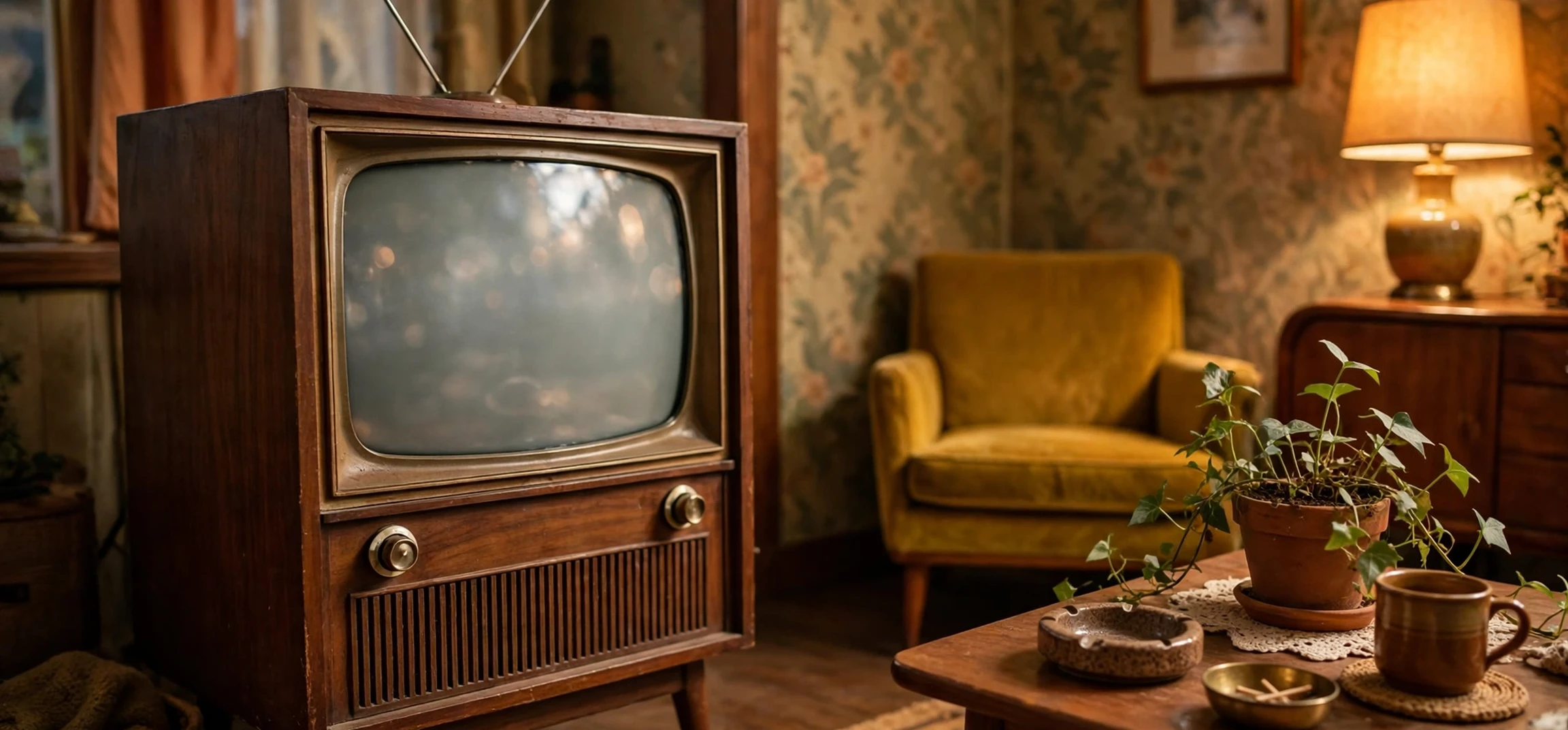
When people talk about 50s cartoons, they often mean the golden-age short films and early television shows that defined animation in the 1950s. This was a decade when cinema cartoons were still a major attraction, when colour, music and larger-than-life characters mattered enormously, and when a handful of studios set the style for generations. The characters created or carried to new heights in this era, from quick-witted rabbits and mischievous mice to laid-back bears and clever cats, became household names. Their appeal lay in strong personalities, clear comedy and animation that felt alive in every frame.
This guide focuses on the studios and landmark characters of the decade. It does not try to list every cartoon ever made in the 1950s, which would be an enormous catalogue. Instead, it explains which studios led the field, which characters became icons, and why their comedy still works. All the characters discussed here are fictional, and the guide keeps to their on-screen stories rather than to details about real people behind the scenes.
Warner Bros and the Looney Tunes stars of 50s cartoons
The Warner Bros cartoon studio was at a creative peak in the 1950s. Its best-known characters were already established, but the decade gave them some of their most polished, confident and funny outings. Bugs Bunny, the calm, carrot-munching rabbit who always seemed one step ahead of his rivals, became the studio’s defining star. His comedy came from wit rather than brute force: he outtalked hunters, opera singers, monsters and fellow tricksters, and he rarely lost his cool. That cool confidence made him a perfect hero for audiences of all ages.
Around Bugs, a rich cast kept the shorts fresh. Daffy Duck, once purely manic, developed into a frustrated, ambitious foil, forever chasing fame and fortune and forever being outdone. Porky Pig provided a gentler, more good-natured presence, often playing the straight character to wilder partners. Tweety, the small yellow canary, and Sylvester, the lisping cat determined to catch him, created a perfect chase formula: tiny versus large, innocent-looking versus scheming, with Granny’s house as the battleground. Their cartoons relied on timing, disguise and escalating plans that always went wrong.
Other Warner characters flourished in the same period. The Road Runner and Wile E. Coyote, who debuted just before the decade, became a 1950s signature act: a near-silent, impossibly fast bird and a determined coyote whose elaborate traps always backfired. Foghorn Leghorn, the loud, Southern-style rooster, brought wordplay and barnyard bluster, while Pepe Le Pew, the romantic skunk, turned pursuit into farce. Speedy Gonzales, the fastest mouse in Mexico in cartoon terms, added speed-based comedy. Together, these characters showed the studio’s range: verbal wit, visual gags, musical parody and pure chase comedy, all in seven-minute packages.
MGM, Tom and Jerry, and cinema comedy in 50s cartoons
Metro-Goldwyn-Mayer’s cartoon studio was best known in the 1950s for Tom and Jerry, the cat and mouse duo whose silent, music-driven comedy became a world standard. Tom, the house cat, and Jerry, the clever mouse, chased each other through kitchens, gardens, concert halls and even historical settings, with almost no dialogue. Their comedy depended on music, sound effects, facial expressions and perfectly timed physical gags. A falling piano, a runaway lawnmower or a carefully laid trap could carry an entire scene without a single spoken joke.
The 1950s Tom and Jerry shorts are noted for their polish and ambition. Some used classical music as a central device, turning a piano recital or an orchestral performance into a comic battleground. Others expanded the cast with a small bulldog, a tiny duckling or a baby mouse, each of whom changed the balance between cat and mouse. The formula stayed simple, but the settings and the scale of the gags kept growing. That combination of simplicity and craftsmanship is a large part of why the duo endured far beyond the cinema era.
MGM also produced other notable work in the decade, including cartoons built around a bear and a dog, and one-off shorts that experimented with style and story. The studio’s house style favoured smooth, full animation, rich backgrounds and expressive character movement. Even when a short was a simple chase, it looked expensive and carefully made. For cinema audiences in the 1950s, an MGM cartoon before the main feature was a reliable treat, and Tom and Jerry were its most dependable stars.
Disney Shorts and Feature Animation in 50s Cartoons
The Disney studio in the 1950s balanced two kinds of work: short cartoons for cinemas and feature-length animated films. In shorts, Donald Duck remained a major star, his temper and bad luck making him an ideal comic lead. Goofy, in a series of how-to shorts, turned everyday activities such as driving, camping and playing sport into gentle, instructional chaos. Chip and Dale, the two chipmunks, became regular foils for Donald, their high-pitched chatter and teamwork contrasting with his frustration.
Pluto, Mickey’s loyal dog, continued to headline shorts built around curiosity, loyalty and trouble with smaller creatures. Mickey himself appeared less often in shorts during the decade, as the studio focused on other characters and on feature production. That shift reflected a broader change: Disney’s feature films were becoming the studio’s main showcase, while shorts remained a place for established stars to shine in smaller stories.
On the feature side, the 1950s brought several landmark animated films that shaped the studio’s reputation. Cinderella, released at the start of the decade, returned the studio to fairy-tale storytelling after the war years. Alice in Wonderland followed with a more episodic, whimsical approach, while Peter Pan brought a beloved children’s story to the screen with pirates, fairies and flight. Lady and the Tramp, a story about two dogs from different worlds, became a classic of romantic animation, and Sleeping Beauty, at the end of the decade, was noted for its stylised, storybook visual design. These films are not short cartoons, but they belong to any account of 1950s animation because they set the visual and musical standards that other studios measured themselves against.
| Studio | Landmark 1950s characters | Signature comedy style |
|---|---|---|
| Warner Bros | Bugs Bunny, Daffy Duck, Tweety, Sylvester | Verbal wit, parody and chase gags |
| MGM | Tom, Jerry | Near-silent, music-driven physical comedy |
| Disney | Donald Duck, Goofy, Chip and Dale, Pluto | Character temper, how-to farce and charm |
| Walter Lantz | Woody Woodpecker | Manic energy and mischievous laughter |
| UPA | Mr Magoo, Gerald McBoing-Boing | Modern design and character-driven humour |
| Hanna-Barbera | Huckleberry Hound, Yogi Bear, Quick Draw McGraw | Television-friendly dialogue and personality |
Walter Lantz, UPA, and Different Voices in 50s Cartoons
Not every landmark 1950s cartoon came from the three largest studios. The Walter Lantz studio kept Woody Woodpecker in the spotlight through the decade. Woody’s comedy was built on energy, a distinctive laugh and a refusal to be ignored. He pecked, teased and outmanoeuvred larger opponents, and his cartoons favoured fast, noisy, slapstick humour. Woody’s popularity showed that a single strong character, with a clear sound and a clear attitude, could sustain a series without a large supporting cast.
United Productions of America, known as UPA, took a very different path. Its cartoons used flatter, more modern designs, limited backgrounds and a focus on character personality over realistic movement. Mr Magoo, a short-sighted, stubborn and good-natured older gentleman, became its best-known star. His comedy came from misunderstanding: Magoo mistook construction sites for theatres, wild animals for pets, and dangerous situations for ordinary outings, and he always emerged unscathed. Gerald McBoing-Boing, a boy who spoke only in sound effects, showed that UPA was willing to build a cartoon around a single unusual idea.
UPA’s influence went beyond its own characters. Its modern, graphic style encouraged other studios to experiment with simpler shapes, bolder colours and less literal backgrounds. That influence became especially important as television animation grew, because simpler designs were cheaper and faster to produce. In that sense, UPA was a bridge between the lush cinema cartoons of the early 1950s and the television cartoons that would dominate the next decade.
Hanna-Barbera and the First Television Stars of 50s Cartoons
The late 1950s saw the arrival of cartoon stars made for television rather than for cinemas. Huckleberry Hound, a relaxed, drawling blue dog, headlined a television show that mixed short adventures with songs and gentle comedy. Yogi Bear, a clever bear living in a fictional park, first appeared as a supporting character in that show before becoming a star in his own right. Yogi’s comedy centred on his attempts to obtain picnic baskets, his friendship with a smaller bear companion, and his running battles with the park ranger. Quick Draw McGraw, a horse sheriff in a western setting, added another television personality to the same stable.
These television characters were designed for a different rhythm from cinema shorts. Their episodes were shorter, their animation was simpler, and their comedy relied more on dialogue, catchphrases and recurring situations. Huckleberry Hound’s laid-back manner, Yogi’s confident schemes and Quick Draw’s western heroics could be recognised within seconds, which suited viewers dropping in for a short segment at home. That recognisability became a hallmark of television animation, and it explains why these characters transferred so well to later series, merchandise and revivals.
Other television animation also appeared in the late 1950s, including adventure and comedy shows built for the new medium. The shift was not instant: cinema cartoons remained important throughout the decade, and many children first met Bugs Bunny, Tom and Jerry and Woody Woodpecker on cinema screens or in later television packages. The late-1950s television stars matter because they showed that animation could live happily on the small screen, with its own stars, its own pace and its own audience habits.
Why These 1950s Characters Endured
The staying power of 1950s cartoon characters comes down to clarity. Each major character can be described in a sentence: a witty rabbit who never panics, a cat and mouse locked in an endless chase, a temperamental duck, a laid-back dog, a picnic-loving bear. That clarity made the characters easy to remember, easy to parody and easy to revive. It also made them flexible: the same character could appear in a western, a fairy tale, a musical parody or a modern setting without losing the core personality.
Music and sound also played a large role. Theme tunes, catchphrases, laughs and sound effects gave characters an audio identity as strong as their visual one. A viewer could recognise a character from a laugh, a voice pattern or a musical cue before seeing the picture. That audio branding helped cartoons travel across countries and languages, because physical comedy and music need less translation than wordy dialogue. Even heavily verbal characters such as Bugs Bunny and Daffy Duck relied on rhythm, timing and vocal personality as much as on the words themselves.
Finally, the 1950s characters benefited from repetition. Cinema shorts were re-shown, television packages collected them for new audiences, and later generations met them as children and then shared them with their own children. A character who survives that cycle becomes part of shared culture, not just a product of one decade. For readers exploring cartoon history, guides to cartoon characters with distinctive designs, to cartoon dogs as characters and to fast cartoon characters offer useful next steps into how design, species and speed shape a character’s comedy.
Frequently Asked Questions
Which studio made Bugs Bunny cartoons in the 1950s?
Bugs Bunny was a Warner Bros cartoon star. The studio’s 1950s shorts featured Bugs alongside Daffy Duck, Porky Pig, Tweety, Sylvester and other members of its cast, in comedies built on wit, parody and chase gags.
Are Tom and Jerry from the 1950s?
Tom and Jerry debuted before the 1950s, but the decade was a major period for the duo at MGM. Their 1950s shorts refined the near-silent, music-driven chase comedy that made them internationally famous.
What was the first major television cartoon star of the late 1950s?
Huckleberry Hound is often cited as a breakthrough television cartoon star of the late 1950s, with Yogi Bear and Quick Draw McGraw following closely in the same television stable. These characters were designed for shorter, dialogue-led episodes at home.
Why do 1950s cartoons still feel fresh?
Their comedy rests on clear characters, strong timing and visual gags that do not depend on topical references. A well-built chase, a clever reversal or a confident one-liner works for a new audience almost as well as it worked for the first audience.
Conclusion
The golden-age studios of the 1950s gave animation a set of characters that have never really left popular culture. Warner Bros supplied wit and parody, MGM supplied polished physical comedy, Disney supplied charm and feature-film ambition, Walter Lantz supplied manic energy, UPA supplied modern design, and the new television studios supplied the first small-screen stars. Together, they turned 50s cartoons from a cinema attraction into a shared language of comedy. That is why a rabbit’s cool confidence, a cat-and-mouse chase, or a bear’s picnic scheme still brings a smile: the characters were built clearly, performed brilliantly, and designed to be remembered.



