The phrase tight knit group describes a small group of people who are closely connected, loyal to one another, and strongly bonded by shared experience, trust, and regular contact. Members of a tight knit group know each other well, support each other in difficult times, and often share values, habits, jokes, and history that outsiders may not fully understand. The phrase is usually positive, suggesting warmth, reliability, and belonging, although it can also hint at exclusivity when a group becomes closed to newcomers.
You might hear the phrase in many settings: a tight knit family, a tight knit team at work, a tight knit neighbourhood, or a tight knit group of friends from school. In each case, the core idea is the same. The group is not just a list of people who happen to be together; it is a community with strong ties. Understanding the phrase means looking at how those ties form, what they feel like from inside, how they appear from outside, and how to build or join such a group without shutting others out.
What Is a tight knit group?
A tight knit group is a group in which relationships are close, frequent, and mutually supportive. Members communicate often, remember personal details, and notice when someone is missing or struggling. They share a sense of identity, often expressed through phrases such as our team, our family, or our community. That identity gives members confidence, because they know they have people to turn to, and it gives the group stability, because members are less likely to drift away when problems arise.
Size matters, but it is not the only factor. Tight knit groups are usually small enough for everyone to know everyone else, often ranging from a handful of friends to a team, club, or extended family. Larger organisations can contain several tight knit groups within them, such as a department, a sports squad, or a volunteer crew. What makes the group tight is the density of connections: many members are connected to many others, not just to one leader or organiser.
Tight knit versus close-knit
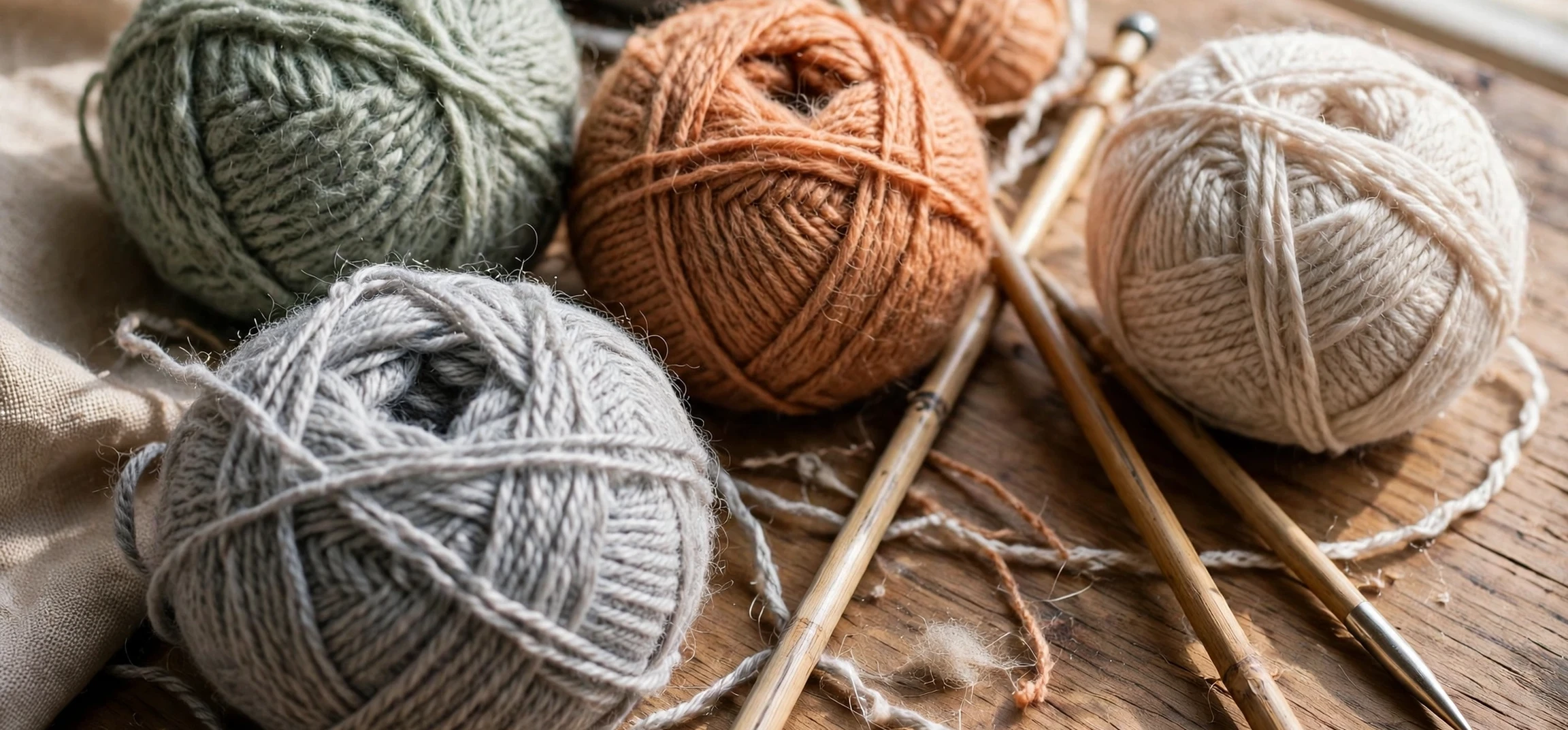
You may also see the spelling close-knit, which means the same thing. Tight knit and close-knit are interchangeable in most contexts, although close-knit is the more common form in dictionaries. Both phrases use knitting as a metaphor: just as tightly knitted fabric has threads that hold firmly together, a tight knit group has relationships that hold firmly together. When writing, use a hyphen in the adjective form before a noun, as in a tight-knit group, and keep the meaning consistent throughout.
Signs of a tight knit group
Several signs show that a group is tight knit. First, members check in without being asked. A message, a call, or a quick visit happens because someone cares, not because a task requires it. Second, members share both good news and bad news. Celebrations feel shared, and problems are discussed openly rather than hidden. Third, members help practically: they offer lifts, cover shifts, share meals, lend tools, or step in during emergencies.
Other signs include shared routines and shared history. The group may meet regularly, celebrate the same traditions, and retell the same stories. New members often notice inside jokes, nicknames, and references to past events. Those details can feel welcoming once explained, but they can also feel excluding at first. A healthy tight knit group explains its stories to newcomers and invites them to create new ones, rather than using shared history as a barrier.
| Sign | What it looks like | Why it matters |
|---|---|---|
| Frequent contact | Regular messages, meetings, and visits | Keeps relationships current and strong |
| Mutual support | Help in illness, stress, or busy periods | Builds trust and safety |
| Shared identity | Common values, traditions, and language | Gives members belonging |
| Honest communication | Kind but direct feedback | Prevents resentment and confusion |
| Loyalty in difficulty | Members stay during disagreements | Shows commitment beyond convenience |
Why People Value a tight knit group
People value a tight knit group because belonging is a basic human need. A strong group provides emotional support, practical help, and a sense of place. Research in psychology and sociology consistently links strong social ties to better wellbeing, lower stress, and greater resilience during illness, job loss, or bereavement. A tight knit group does not remove hardship, but it gives people companions, advice, and practical resources to face it.
Tight knit groups also help people learn and grow. Friends challenge each other, colleagues share skills, and families pass on values and knowledge. In a good group, members can admit mistakes without fear of rejection, try new roles, and receive honest feedback. That safety encourages learning, because people are more willing to take risks when they know the group will support them if they fail.
Benefits at work and in communities
At work, a tight knit team often communicates faster, trusts each other under pressure, and shares knowledge more freely. Team members know each other’s strengths, cover for each other during absence, and solve problems without waiting for formal instructions. In neighbourhoods and clubs, tight knit groups organise events, look after shared spaces, and support vulnerable residents. In families, tight bonds provide childcare, elder care, and a safety net across generations.
These benefits depend on balance. A team that is too closed may resist new ideas, while a family that is too enmeshed may limit independence. The healthiest groups combine closeness with respect for individual boundaries. Members can be loyal without agreeing on everything, and they can support each other without controlling each other’s choices.
When a tight knit group Becomes Exclusive
The same closeness that makes a tight knit group supportive can also make it exclusive. When a group only socialises internally, uses private jokes to exclude others, or resists new members, outsiders may feel unwelcome even if no one intends harm. In workplaces, exclusive groups can affect promotions, information sharing, and morale. In schools and clubs, they can leave newcomers isolated. Recognising this risk is important, because a group can be both warm to insiders and cold to outsiders at the same time.
Another risk is groupthink, where members avoid disagreement to preserve harmony. If everyone agrees too quickly, the group may miss errors, ignore warning signs, or pressure dissenters into silence. Healthy groups welcome respectful disagreement and treat questions as contributions, not as disloyalty. Leaders and long-standing members have a special role here: by inviting new voices and thanking people who raise concerns, they keep the group open and thoughtful.
How to keep a close group open
Keeping a close group open does not mean weakening its bonds. It means adding welcoming habits. Explain inside jokes to newcomers, invite new members to events early, and rotate roles so that influence is shared. Ask new members for ideas, and act on at least some of them, so that joining feels meaningful rather than tokenistic. In teams, share information openly and avoid decisions made only in private chats or side conversations. In families, welcome partners and friends without expecting them to adopt every tradition at once.
If you are joining a tight knit group, patience helps. Learn names, histories, and routines, but also bring your own perspective. Ask questions, offer help, and attend regularly, because trust builds through repeated, reliable contact. If you feel excluded, a direct, calm conversation with a friendly member often helps more than withdrawing. Most groups do not intend to exclude; they simply forget how their habits look from outside.
How to Build a tight knit group
Building a tight knit group takes time, consistency, and shared effort. Start with a clear shared purpose, whether that is a sports team, a study group, a volunteer project, or a regular social circle. Purpose gives the group a reason to meet beyond small talk, and shared tasks create memories and trust. Regular contact matters more than grand events: a weekly walk, a shared meal, or a short team check-in often builds stronger bonds than an annual party.
Communication habits also matter. Groups become tighter when members listen well, remember details, and follow up. A simple message after a difficult week, a thank-you note, or a shared photo from an event can strengthen a connection. Rituals help too: a welcome routine for new members, a celebration for milestones, or a regular tradition that everyone can join. Rituals do not need to be formal; they just need to be repeated and inclusive.
Practical steps for teams, friends, and families
For teams, set shared goals, clarify roles, and create space for informal conversation as well as formal meetings. Celebrate small wins, review setbacks together, and make sure credit is shared. For friendship groups, protect regular time together, even when life gets busy, and vary activities so that different members can contribute. For families, create routines that include all generations, such as shared meals, calls, or visits, and respect different schedules and needs.
In all settings, handle conflict early and kindly. Tight groups are not groups without disagreement; they are groups that can disagree and stay connected. Use clear language, focus on behaviour rather than character, and aim for repair rather than victory. A group that survives a well-handled disagreement often becomes stronger, because members learn that honesty does not end belonging.
Frequently Asked Questions
What does tight knit group mean?
It means a group of people who are closely connected, loyal, and supportive, with strong shared bonds, frequent contact, and a shared sense of identity.
Is a tight knit group always a good thing?
Usually it is positive, because it provides support and belonging. It can become a problem if the group becomes exclusive, resists new members, or discourages honest disagreement. Healthy groups stay close while remaining open.
How is a tight knit group different from a clique?
A clique is a tight group that often excludes others deliberately and values status or secrecy. A tight knit group can be warm and inclusive, even though it is close. The difference lies in how newcomers are treated and whether disagreement is welcomed.
Can a large organisation be tight knit?
A very large organisation is rarely tight knit as a whole, because not everyone can know everyone else. It can, however, contain many tight knit teams, departments, or communities that together create a strong culture.
Conclusion
A tight knit group is more than a collection of people who spend time together. It is a network of close, trusting relationships built through shared experience, regular contact, mutual support, and honest communication. Such groups offer belonging, resilience, and practical help, whether they are families, teams, neighbourhoods, or friendship circles. The best tight knit groups also stay open: they welcome newcomers, invite disagreement, and share influence rather than guarding it. If you belong to one, nurture it with consistency and kindness. If you want to build one, start with a shared purpose, meet regularly, and make room for new stories alongside the old ones. For related guides, see Meet the team guide, SWAT team meaning guide, and Leadership team names guide.