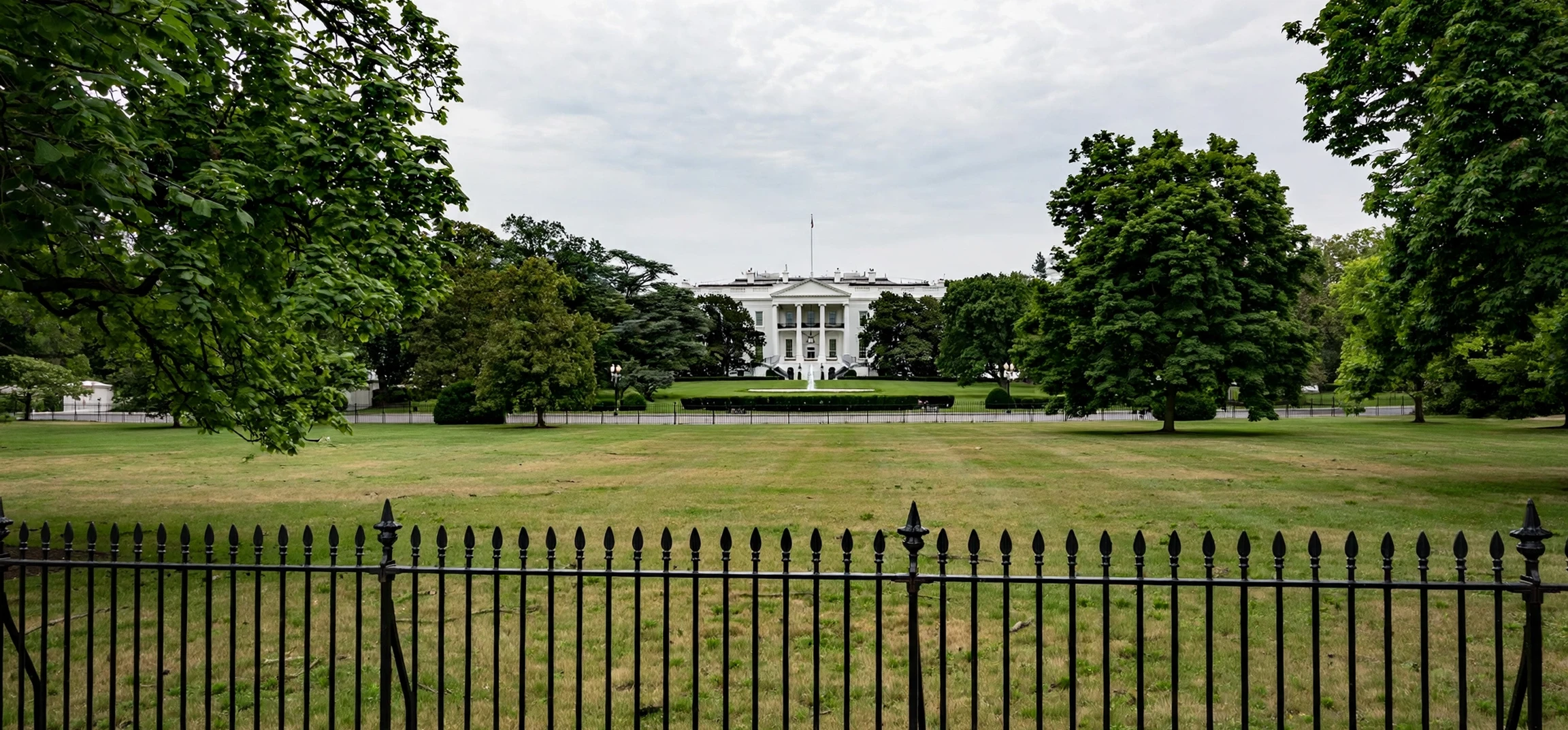
If you are asking what is the address for the white house, the safest and most reliable answer is not a line you copy from a search result. It is to use the official White House contact pages, which are kept current by the White House itself and which tell you exactly how to write, how to request a visit, and how to follow the correct process for your purpose. Many people search for this question because they want to send a letter, plan a tour, invite an official, or simply satisfy curiosity. Each of those goals has a different official route, and using the official route matters far more than memorising a postal line. This guide explains how to contact the White House and how to request a visit through official channels only, without publishing a street line, postal code, or telephone number here.
Search results can be confusing because they mix history, tourism, news, and comedy sketches with practical information. A joke about the White House, a film scene, or a trivia post may mention a location in passing, but none of those sources should be treated as instructions for mail or visits. Official channels exist precisely to avoid that confusion. When you start from the official contact page, you get the current mailing instructions, the current visitor guidance, and any notices about security, closures, or changes to tour availability. That is especially important for a working government building, where procedures change for security reasons and where unofficial guides quickly go out of date.
The first step is to decide what you actually want to do. Writing a letter to the President is different from requesting a tour, and both are different from contacting a specific office or staff member. The official contact page separates these tasks so that your message reaches the right place. For correspondence, it explains the format the White House prefers and the details you should include, such as your full name and your return details, so that a reply can be sent if appropriate. For visits, it explains that tours are arranged through a separate process and are subject to availability and security screening. Starting with your goal, rather than with a generic search, will save time and reduce the chance of your request going astray.
Many readers are surprised to learn that White House tours are not booked like an ordinary museum visit. You cannot simply turn up and join a queue on the day in the way you might at many public attractions. Tours are typically requested in advance through your Member of Congress, and they are subject to approval, scheduling, and security checks. That process is described on official visitor pages and on congressional office pages. It is worth reading those pages in full before you make travel plans, because availability is limited, dates fill quickly, and not every request can be granted. Planning early, being flexible about dates, and following the instructions exactly will give your request the best chance.
What Is the Address for the White House: The Official Contact Guide
When people ask what is the address for the white house, they often mean one of three things: where to send mail, where to go for a visit, or how to reach the White House online. The official contact pages answer all three, and they do so without requiring you to guess. For mail, the official page gives the current mailing format and guidance for addressing a letter to the President, the First Lady, or a specific office. For visits, it points you to the tour request process and to the visitor centre information. For online contact, it provides an official contact form where you can submit a message, choose a topic, and provide your details securely. Using that form is often faster and more reliable than paper mail, especially if your message is time-sensitive.
It is also worth understanding why this guide deliberately does not print a postal line here. A printed line in an article can become outdated, can be copied into scam letters, and can mislead readers who do not notice that procedures have changed. The official page, by contrast, is updated by the institution itself. If mailing guidance changes, the official page changes first. If tour procedures change, the official page reflects that change. By directing you to the source, this guide stays accurate even when details shift. That approach is also safer for readers, because it reduces the risk of sending sensitive personal information to the wrong place.
How to Write a Letter Through Official Channels
Writing to the White House is a long American tradition. Schoolchildren, veterans, business owners, and ordinary citizens have written to presidents for generations, sometimes to share an opinion, sometimes to ask for help, and sometimes simply to say thank you. If you choose to write, keep your letter clear, respectful, and concise. State your purpose in the first paragraph, give enough context for the reader to understand your point, and include your full name and return details as instructed on the official page. Avoid including sensitive personal information that is not needed, such as financial account details or identification numbers. A short, focused letter is far more likely to be read and routed correctly than a long, rambling one.
Online messages follow a similar logic. The official contact form will ask you to select a topic, which helps staff route your message to the right office. Choose the closest topic rather than leaving the field blank or choosing at random. Write in plain language, avoid excessive formatting, and proofread before you submit. If you are writing about a personal case involving a federal agency, include only the details that are needed to identify the issue, and be aware that a reply may direct you to the relevant agency rather than resolving the matter directly. The White House receives a very large volume of mail, so a reply may take time, and not every message receives an individual response.
| Your Goal | Best Official Route | What to Prepare |
|---|---|---|
| Send a letter or message | Official contact page and contact form | Clear purpose, full name, return details |
| Request a tour | Tour request process via your Member of Congress | Preferred dates, group size, identification details |
| Learn about visits | Official visitor information pages | Travel dates, accessibility needs, group details |
| Follow news and events | Official White House news and briefing pages | Nothing special, just check regularly |
What Is the Address for the White House: The Visit Guide
A visit to the White House is a memorable experience, but it requires preparation. The first thing to check is eligibility and timing. Tour requests are usually submitted weeks or months in advance, and you will need to provide details for every member of your group. Security screening is a standard part of the process, and visitors should expect rules about what can be brought inside, how early to arrive, and what identification to carry. Reading the official visitor guidance before you travel will help you avoid disappointment at the gate. It will also help you plan what to do if your preferred date is unavailable.
Accessibility is another reason to use official sources. If a member of your group has mobility, vision, hearing, or other access needs, the official visitor pages explain what assistance is available and how to request it in advance. Do not rely on a travel blog or a social media post for accessibility information, because facilities and procedures can change. Contacting the official visitor team through the channels listed on the official pages is the reliable way to confirm arrangements. The same advice applies to school groups, large parties, and visitors travelling from outside the country, who may face additional requirements.
If a White House tour is not available on your dates, Washington offers many other official visitor experiences that do not require the same advance process. The visitor centre, nearby museums, and public monuments provide rich context about American history and government. Planning a broader itinerary means that your trip will still be rewarding even if a tour request is not granted. It also takes pressure off a single date, which is helpful when availability is limited. Many visitors find that combining a tour request with other nearby attractions makes for a better trip overall.
Common Mistakes to Avoid
The most common mistake is copying a postal line from an unofficial website and assuming it is current. A second mistake is sending a letter or parcel to a general location without following the official mailing guidance, which can delay delivery. A third mistake is booking travel before a tour request has been confirmed, and then discovering that the tour is unavailable. A fourth mistake is sharing personal details with a third-party site that claims to forward messages to the White House for a fee. The official contact form is free, and you should be cautious about any service that charges for a service the White House provides directly. If a site asks for payment to deliver a message, treat that as a warning sign.
Scams are a real risk in this area. Fraudsters sometimes create pages that look official and ask for personal information or money. Always check that you are on the genuine official site before entering details, and never send money to a site that claims it can guarantee a tour or a reply. Official tour requests do not require payment to a third party, and official correspondence does not require a fee. If something feels rushed, secretive, or too good to be true, pause and verify through the official pages. That caution will protect both your personal information and your travel plans.
How Official Channels Work
Official channels work because they are designed for volume, security, and routing. Mail is sorted, screened, and directed to the relevant office. Online messages are categorised by topic and passed to staff who handle that subject. Tour requests are checked against schedules and security requirements before confirmation. This system is not instant, and it can feel slow compared with sending an ordinary email. Patience is part of the process. A well-written, correctly routed message stands a better chance than a message sent to the wrong place, even if the correctly routed message takes longer to receive a reply.
For readers who want to learn more about American civic life, it is helpful to place the White House in context. It is both a home and a workplace, a historic building and a modern office, a symbol and a functioning centre of government. That dual role explains why access is managed so carefully. Public interest is enormous, yet daily government work must continue. The balance between openness and security is visible in every part of the visitor process, from advance requests to screening on the day. Understanding that balance helps visitors set realistic expectations and appreciate the experience when it comes. Related civic reading includes an explainer on the text of the First Amendment and a guide to a famous presidential address, which together show how American public life is expressed in words as well as in buildings.
Frequently Asked Questions
Can I just turn up for a tour?
No, tours are generally requested in advance through the official process, usually via your Member of Congress, and are subject to availability and security screening. Check the official visitor pages before making travel plans, and do not assume that arrival guarantees entry.
Is the online contact form official?
Yes, the contact form on the official White House website is the recognised online route for messages. Use that form rather than a third-party site, and never pay a third party to forward a message that the official form handles for free.
How long does a reply take?
Reply times vary with volume and topic. Some messages receive a standard acknowledgement, while others are routed to a relevant agency. Allow generous time, and avoid sending the same message repeatedly through multiple channels, which can slow routing.
What should I include in a letter?
Include a clear purpose, enough context to understand your point, and your full name and return details as instructed on the official page. Avoid sensitive personal details that are not needed, and keep the letter concise and respectful.
Conclusion
Asking what the White House contact details are is really asking how to reach one of the most important institutions in American life through the right door. The answer is to start with the official White House contact pages, choose the route that matches your goal, and follow the instructions exactly. Whether you are writing a letter, submitting an online message, or requesting a tour, the official route is current, secure, and free. It protects your message, your personal information, and your travel plans far better than any copied line from an unofficial source. For further guidance on writing and addressing mail in general, see a guide to writing an address for mailing. Plan early, read the official guidance in full, and you will give your request the best possible chance.



