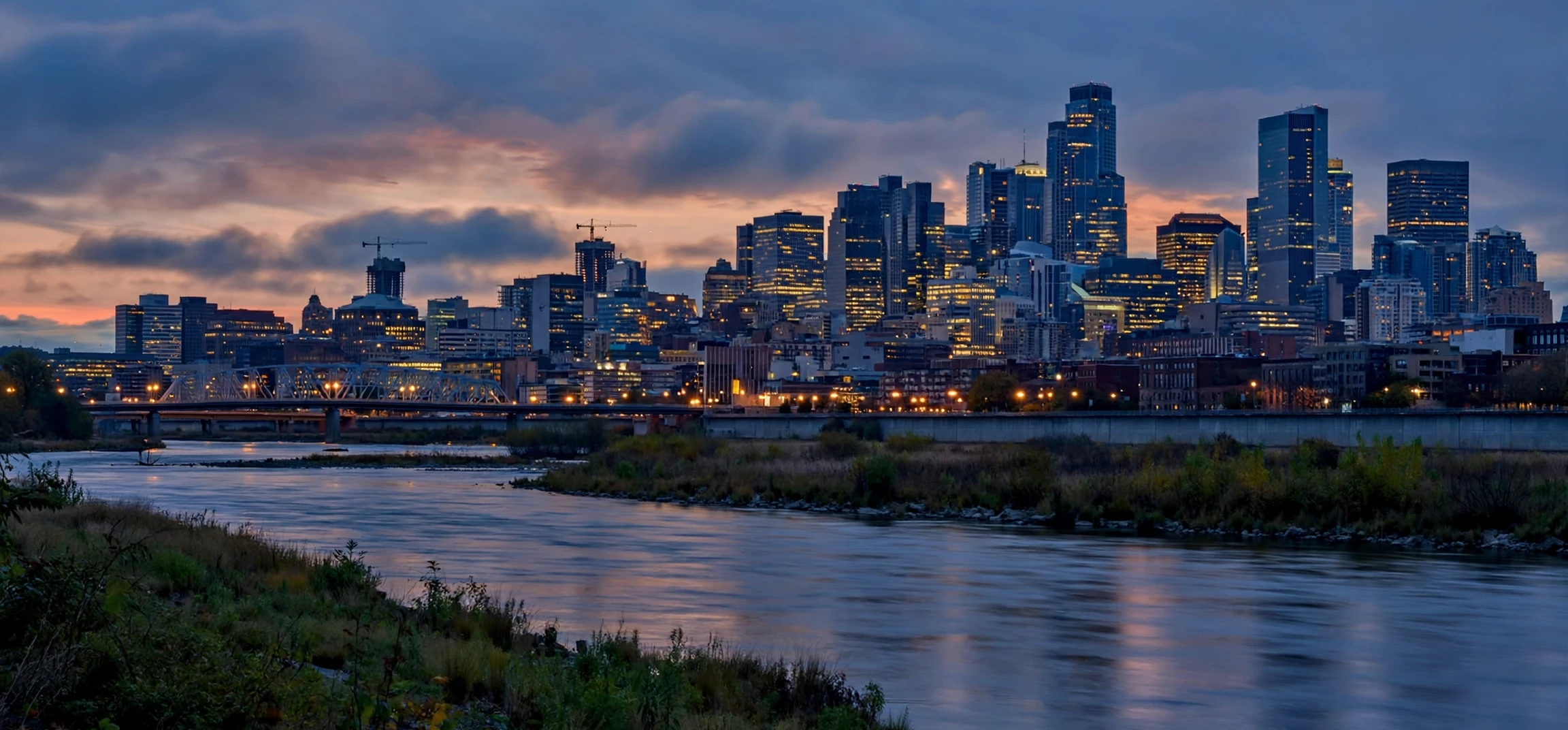
When someone asks you to name a city in america, the first answers are usually the famous ones: New York, Los Angeles, Chicago. But the request to name a city in america opens a much bigger map — the United States has thousands of incorporated cities, from huge metropolitan centres to small cities with a few thousand residents. This guide takes a tour through American cities by region and character, so you can name a city in america for any purpose, whether it is a quiz, a travel plan, or simple curiosity.
American cities vary enormously in size, history, and atmosphere. Some grew as ports or railway hubs, others as state capitals, mining towns, or university centres. Their names reflect that history: Native American words, European settlers’ home towns, presidents, saints, and geographical features all appear on the map. Knowing a spread of cities — not just the famous few — makes you better at quizzes, conversations, and travel planning alike.
Name a City in America: The Famous Ones
Start with the cities everyone knows. New York City is the largest city in the United States and a global centre of finance, culture, and media. Los Angeles is the centre of the American film industry and the second-largest city. Chicago, on Lake Michigan, is known for architecture, food, and music. Houston, Phoenix, Philadelphia, San Antonio, San Diego, Dallas, and San Jose round out the ten largest cities by population, and each anchors a large metropolitan region.
Beyond the largest cities, famous names include Boston, with its revolutionary history and universities; San Francisco, known for its hills, bay, and technology industry; Seattle, home to major technology companies and a famous music scene; Miami, a gateway to Latin America with a distinctive cultural mix; and New Orleans, celebrated for jazz, cuisine, and festivals. Any of these answers the request to name a city in america with confidence.
Name a City in America: A Regional Tour
A good way to broaden your knowledge is to learn one or two cities per region:
- Northeast: Boston, Providence, Hartford, Buffalo, Pittsburgh, Albany
- Southeast: Atlanta, Charlotte, Nashville, Charleston, Savannah, Jacksonville
- Midwest: Chicago, Cleveland, Detroit, St. Louis, Minneapolis, Milwaukee, Indianapolis, Kansas City
- South Central: Houston, Dallas, Austin, New Orleans, Oklahoma City, Little Rock
- Mountain West: Denver, Salt Lake City, Boise, Albuquerque, Phoenix, Tucson
- West Coast: Los Angeles, San Francisco, Seattle, Portland, San Diego, Sacramento
- Non-contiguous: Honolulu (Hawaii), Anchorage (Alaska)
Each of these cities has its own character. Nashville is known for music, Austin for technology and live performance, Denver for its mountain setting, and Honolulu for its Pacific island culture. Learning cities by region also helps with geography quizzes, where questions often ask for a city in a particular state or region.
Name a City in America: State Capitals
State capitals are a useful category, because they are often not the largest city in their state — a classic quiz trap. Examples include Sacramento (not Los Angeles) in California, Albany (not New York City) in New York, Springfield in Illinois, Austin in Texas, Salem in Oregon, and Olympia in Washington. Other capitals, such as Boston, Denver, and Atlanta, are also their states’ best-known cities. Knowing the difference between largest cities and capitals is a quick way to sound well-informed.
| State | Capital | Largest city |
|---|---|---|
| California | Sacramento | Los Angeles |
| New York | Albany | New York City |
| Illinois | Springfield | Chicago |
| Florida | Tallahassee | Jacksonville |
| Washington | Olympia | Seattle |
| Nevada | Carson City | Las Vegas |
Smaller Cities Worth Knowing
Some of America’s most interesting cities are not large at all. Santa Fe, New Mexico, is known for adobe architecture and art. Burlington, Vermont, sits on Lake Champlain. Asheville, North Carolina, is a mountain city with a strong arts scene. Bend, Oregon, is an outdoor recreation hub. Savannah, Georgia, is famed for its historic squares. These smaller cities often make the best travel destinations precisely because they are less crowded and more distinctive than the biggest centres.
Frequently Asked Questions
How many cities are there in the United States?
There are tens of thousands of incorporated places, of which several thousand are classified as cities. The exact count depends on definitions, which vary by state.
What is the largest city in America?
By population within city limits, New York City is the largest, followed by Los Angeles and Chicago.
What is the difference between a city and a town?
It varies by state law. In some states the distinction is based on population or form of government; in others, “city” and “town” are simply different legal categories.
Name a City in America: Quiz Tips and Tricks
If you need to name a city in america for a quiz, a few strategies help. First, learn the largest city in each state, since quiz questions often ask for it: Anchorage in Alaska, Phoenix in Arizona, Los Angeles in California, Denver in Colorado, Jacksonville in Florida, Chicago in Illinois, and so on. Second, learn the state capitals separately, since they are a favourite quiz category precisely because they are often not the largest city.
Third, build a mental map by region. If a question asks for a city in the Pacific Northwest, Seattle and Portland should come to mind immediately; for New England, Boston and Providence; for the Deep South, Atlanta, New Orleans, and Charleston. Regional groupings make recall faster than an unstructured list, because each city cues its neighbours.
Finally, use distinctive associations as memory hooks: Detroit and cars, Nashville and music, Las Vegas and casinos, San Francisco and hills, Miami and beaches. A vivid association is far easier to recall under pressure than a bare name, and it often supplies the answer even when the city itself momentarily escapes you.
Name a City in America: Choosing a City to Visit
Choosing an American city to visit depends on what you enjoy. For history, Boston, Philadelphia, and Williamsburg offer deep revolutionary and colonial heritage. For food, New Orleans, Chicago, and San Francisco are outstanding, each with distinct local cuisines. For nature nearby, Denver, Salt Lake City, and Seattle give easy access to mountains, lakes, and national parks. For culture, New York, Los Angeles, and Washington, D.C., offer museums, theatre, and music at a scale few cities match.
Smaller cities can be better choices for a relaxed trip. Savannah’s walkable historic district, Santa Fe’s art scene and adobe architecture, and Burlington’s lakeside setting all reward a slower pace. A smaller city also tends to be cheaper and less crowded, which matters if you are travelling with children or on a budget.
Practical tips apply everywhere: check the season, since American cities vary hugely in climate; book accommodation early for festival periods; and use public transport where it is good — New York, Chicago, Boston, and Washington all have strong systems — while planning to drive in cities where it is not.
Name a City in America: Fast-Growing Cities
American cities change, and some of the fastest-growing ones are less famous than the giants. Austin, Texas, has grown rapidly on the strength of its technology industry and cultural reputation. Boise, Idaho, has attracted new residents with its outdoor lifestyle and relative affordability. Raleigh and Charlotte in North Carolina have grown as technology and finance hubs. Nashville’s growth reflects music, healthcare, and tourism.
Growth brings both energy and strain: new restaurants, jobs, and cultural life alongside rising housing costs and traffic. For visitors, a growing city often feels lively and optimistic, with new neighbourhoods to explore. For quiz-takers, growth trends are worth noting, since questions about “the fastest-growing city” change over time and depend on whether growth is measured by percentage or by absolute numbers.
Whatever the rankings in a given year, the broader lesson is that America’s urban map is not fixed. Cities rise and fall with industries, migration, and culture, and today’s overlooked city may be tomorrow’s hotspot.
Name a City in America: College Towns
College towns form a distinctive category of American city: smaller places whose character is shaped by a university. Ann Arbor, Michigan, home to the University of Michigan, combines a lively downtown with a strong cultural scene. Madison, Wisconsin, similarly blends state capital functions with university life. Boulder, Colorado, sits against the mountains and draws students and outdoor enthusiasts alike. Ithaca, New York, home to Cornell and Ithaca College, is known for gorges, waterfalls, and a progressive atmosphere.
College towns are often excellent places to visit: they offer good restaurants, bookshops, museums, and live music disproportionate to their size, and they tend to be walkable and welcoming. They also make good quiz answers, since their names are distinctive and their universities are famous. Knowing a handful of college towns — Ann Arbor, Madison, Boulder, Ithaca, Athens (Georgia), and Chapel Hill (North Carolina) — covers a useful slice of American geography.
For students choosing a university, the town matters as much as the institution: climate, cost of living, safety, and cultural life all shape the experience. A college town’s character is part of what students are choosing, whether they realise it at the time or not.
Conclusion
To name a city in america, you can start with the famous names and then broaden your map: regional centres, state capitals, and smaller cities each add something. Whether you need an answer for a quiz or inspiration for a trip, America’s cities offer an extraordinary range of history, culture, and character. For more geography and general knowledge guides, see our practical explainers and word guides, plus our name meanings.



