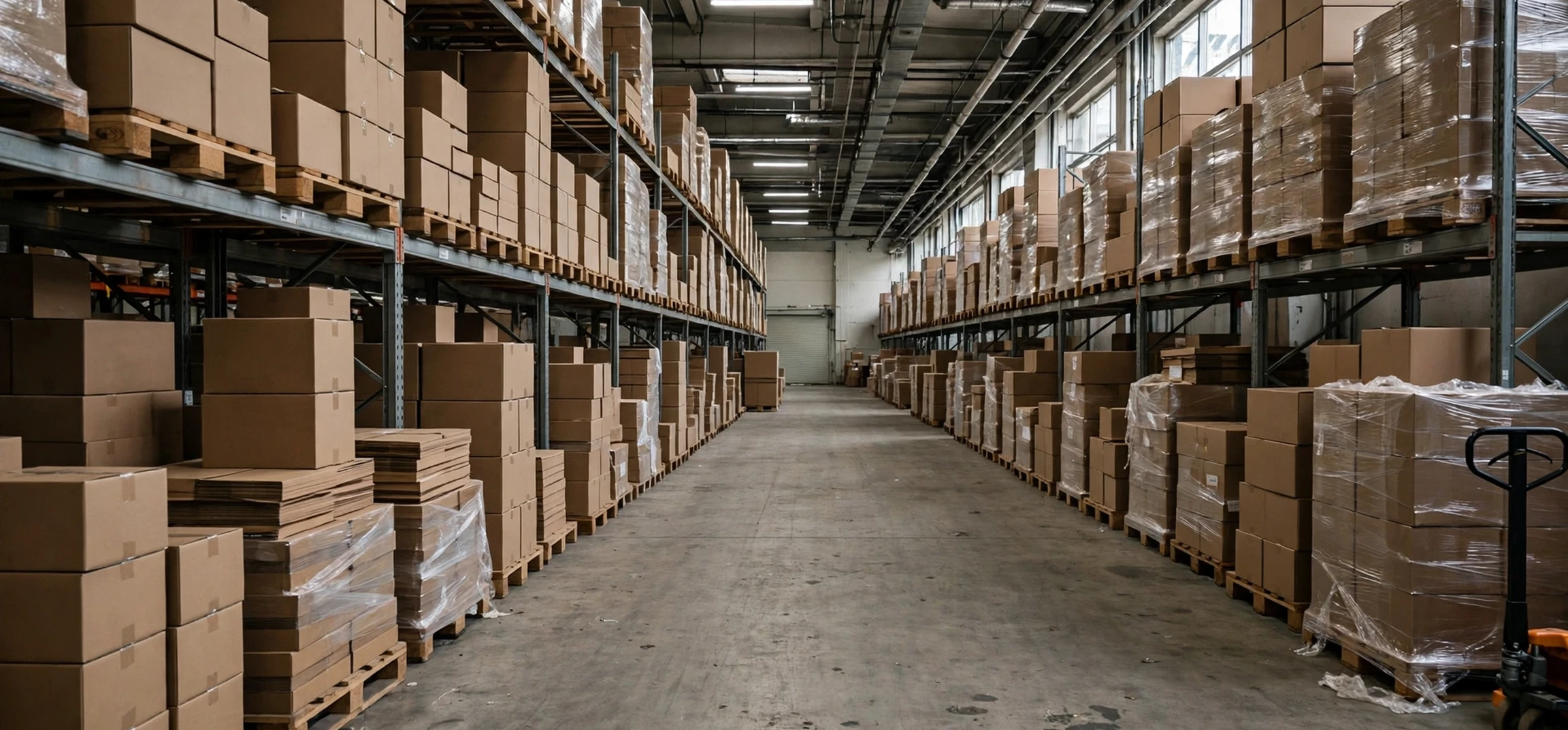
If you have ever wondered about wholesale.meaning in plain English, you are not alone. The word wholesale appears on shop signs, invoices, business guides, and online marketplaces, yet it is often used without a clear explanation. In short, wholesale.meaning refers to selling goods in large quantities, usually to retailers or other businesses rather than to individual shoppers, and generally at a lower price per unit than the retail price. This guide explains wholesale.meaning in full: how wholesale works, how it differs from retail, who uses it, and what to watch out for before you buy or sell wholesale.
Wholesale.Meaning: The Simple Definition
The wholesale.meaning at its core is about volume and position in the supply chain. A wholesaler buys products in bulk from a manufacturer or producer, stores them, and then sells them on to shops, traders, or other businesses that will either resell them or use them in their own work. Because the quantities are larger, the price per item is lower. The retailer then sells smaller quantities to the public at a higher price, and the difference covers their costs and profit.
Think of a simple chain. A factory makes one thousand bottles of shampoo. Selling them one by one to shoppers would be slow and expensive for the factory, so it sells the whole batch to a wholesaler. The wholesaler breaks the batch into smaller lots — perhaps fifty or one hundred bottles at a time — and sells those lots to hair salons, chemists, and small shops. Each shop then sells single bottles to customers. Everyone in the chain adds a service: the factory makes, the wholesaler distributes, and the retailer serves the final customer.
Wholesale is not only about shops. Restaurants buy ingredients wholesale, builders buy materials wholesale, and offices buy stationery wholesale. Whenever a business buys in bulk for resale or for professional use, rather than for personal consumption, wholesale is usually involved somewhere in the background.
Wholesale.Meaning Compared With Retail
Understanding wholesale.meaning is easiest when you compare it directly with retail. Retail is the final step: a shop sells one item, or a small number of items, to a member of the public. Wholesale is the step before that: larger quantities, business customers, and lower unit prices. The two stages serve different needs, and most products pass through both before they reach your home.
| Feature | Wholesale | Retail |
|---|---|---|
| Customer | Businesses and resellers | Individual shoppers |
| Quantity | Bulk, cases, or pallets | Single items or small packs |
| Price per unit | Lower | Higher |
| Minimum order | Often applies | Usually none |
| Typical location | Warehouses and trade outlets | High streets and online shops |
Price is the most visible difference, but service is just as important. A retailer helps you choose, answers questions, and lets you buy a single item today. A wholesaler helps a business keep stock flowing, offers trade terms, and delivers in bulk. Neither model is better in absolute terms; they do different jobs, and a healthy market needs both.
There is also a grey area that confuses many shoppers. Some warehouses and membership clubs sell in bulk to the public, and some online sellers describe themselves as wholesale when they are really discount retailers. The key test is not the label on the door, but the model: are you buying a trade quantity at a trade price, or simply buying a large pack at a shop? True wholesale usually involves a business account, a minimum order, or trade documentation.
Types of Wholesale and How Wholesalers Work
Wholesale.meaning covers several different business models. A merchant wholesaler buys stock, stores it, and resells it, taking ownership of the goods and the risk that goes with them. An agent or broker, by contrast, arranges sales between a manufacturer and a buyer without taking ownership, earning a commission instead. A manufacturer’s sales branch sells its own products directly to retailers, cutting out the independent wholesaler altogether.
Other common forms include cash-and-carry wholesalers, where trade customers visit a warehouse, pay on the spot, and transport goods themselves, and drop-shipping wholesalers, where the wholesaler ships directly to the retailer’s customer without the retailer ever holding stock. Each model suits a different kind of product. Heavy, bulky goods favour local warehouses, while light, standardised goods work well with drop shipping and central distribution.
Modern wholesale has also moved online. Business-to-business marketplaces let small retailers order from many suppliers in one place, compare prices, and track deliveries. This has lowered the barrier for small shops, which can now access wholesale pricing without a long-standing relationship with a single distributor. It has also increased competition, which tends to benefit buyers who shop around carefully.
Advantages of Buying Wholesale
For a business, the main advantage of wholesale is cost. Buying in bulk usually reduces the price per unit, which improves margins and makes it easier to compete. It also simplifies ordering: one large delivery replaces many small ones, saving time, paperwork, and delivery charges. Reliable wholesale suppliers can also offer consistent stock, trade credit, and product advice, which matters enormously for a small business trying to keep shelves full.
For shoppers, wholesale-style buying can save money too, provided you genuinely need the quantity. A family that uses a product every week may save by buying a large pack, and a community group or small club may benefit from pooling an order. The danger is buying more than you need. A bargain is only a bargain if the product gets used before it expires, goes out of fashion, or takes up storage space you cannot spare.
Wholesale also supports choice. Because wholesalers stock many brands, retailers can offer a wider range than if they bought directly from a single manufacturer. That variety flows through to the customer, who finds more flavours, sizes, and price points on the shelf.
Risks and Things to Check Before You Buy Wholesale
Wholesale.meaning also involves risks that buyers should understand. Minimum order quantities can tie up cash in stock that sells slowly. Storage costs, breakages, and expiry dates can eat into savings. Returns policies for trade sales are often stricter than for consumer sales, so a faulty batch may be harder to send back. Always check the terms before placing a large order.
Quality and authenticity deserve attention as well. Reputable wholesalers supply genuine products with proper documentation, but bargain lots from unknown sources may include damaged, out-of-date, or counterfeit goods. Check the supplier’s reputation, ask for samples where possible, and confirm warranties and batch details in writing. If a price looks far below every other supplier, treat it as a warning sign rather than a windfall.
Finally, consider whether you are eligible. Some wholesalers sell only to registered businesses and ask for a trade account, tax details, or proof of business activity. Others are open to the public but set high minimum spends. Understanding those requirements before you order saves wasted time and avoids disappointment at the checkout.
For related business concepts, see our guide to business functions and founder roles and our explainer on name-your-price car rental, which shows another way pricing can work for buyers. For a broader finance overview, read our finance guide.
Wholesale.Meaning for Small Businesses and Start-Ups
For a small business, understanding wholesale.meaning is a practical skill, not just vocabulary. A start-up café, for example, needs a reliable wholesale supplier for coffee, milk, and packaging, and the terms of that supply can decide whether the business survives its first year. A good wholesaler offers steady prices, flexible delivery days, and a contact who can solve problems quickly. A poor one leaves you short-stocked on a busy weekend, which costs far more than a small saving on unit price.
Start by listing what you use every week, in what quantities, and how quickly it sells. Then compare at least three suppliers on price, minimum order, delivery charges, and payment terms. Ask whether prices are fixed for a period or variable, whether damaged goods can be returned, and whether you can order online at short notice. The wholesale.meaning of a good deal is not only the cheapest headline price; it is the total cost, including delivery, storage, waste, and your own time. A supplier who delivers reliably on Tuesday, every Tuesday, is often worth more than a supplier who is slightly cheaper but unpredictable.
Negotiation is also part of wholesale. As your orders grow, ask about volume discounts, loyalty terms, or longer payment windows. Many wholesalers expect this conversation and build room for it into their pricing. Keep records of what you paid, what sold, and what was wasted, so your next negotiation is based on evidence rather than guesswork. Over time, that discipline turns wholesale buying from a cost into a genuine competitive advantage.
Frequently Asked Questions About Wholesale.Meaning
What does wholesale mean in simple terms?
Wholesale means selling goods in bulk to businesses, usually at a lower price per unit than retail. The buyer then resells the goods in smaller quantities or uses them professionally.
Is wholesale cheaper than retail?
Usually, yes, per unit. The saving comes from buying a larger quantity at once. The total bill, however, is higher, because you are buying more items.
Can anyone buy wholesale?
It depends on the supplier. Some wholesalers serve only registered businesses, while others sell to anyone who meets a minimum order. Always check the supplier’s terms before ordering.
What is the difference between wholesale and bulk buying?
Bulk buying means buying a large quantity, and it is often done by shoppers. Wholesale is a business model in the supply chain, where goods are sold to resellers. The two overlap, but they are not identical.
Does wholesale mean lower quality?
No. Wholesale goods are normally the same products sold at retail. Lower quality, where it occurs, is a sign of a poor supplier or a clearance lot, not of wholesale itself.
Conclusion: Wholesale.Meaning in One Sentence
To sum up, wholesale.meaning is the sale of goods in large quantities to businesses and resellers at a lower price per unit, forming the vital middle step between manufacturer and shop. It keeps prices competitive, shelves stocked, and small businesses viable, provided buyers check minimum orders, quality, and terms before committing. Whether you run a shop, a salon, a café, or simply want to understand the price tag in front of you, knowing how wholesale works gives you a clearer view of where products come from — and why they cost what they do.



