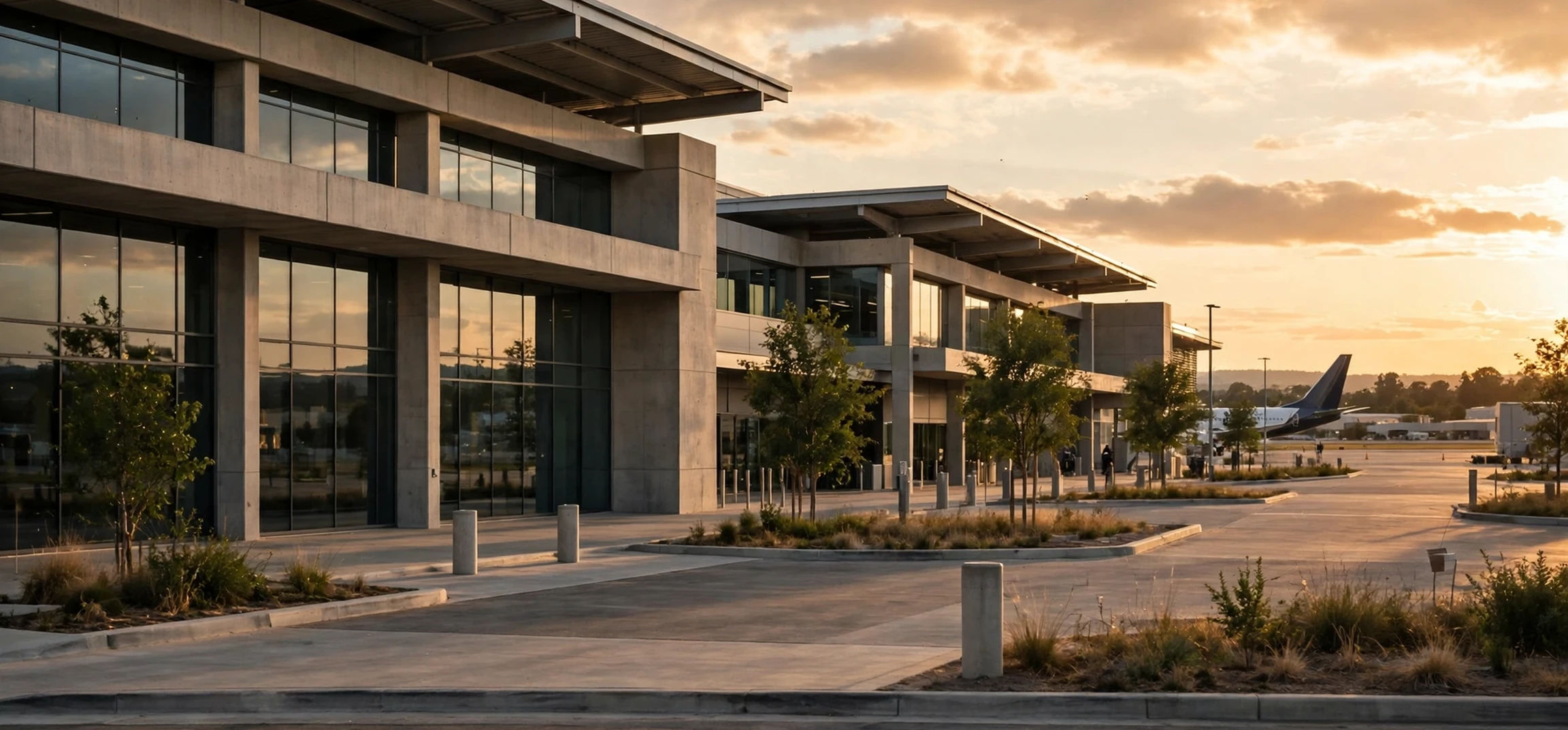
When travellers search for airports in Seattle, they are usually trying to answer a practical question: which airport should I use, and how do I get there without stress? Seattle is served by more than one airfield, and the right choice depends on whether you are catching a commercial flight, flying privately, travelling for business, or simply planning a visit to the Pacific Northwest. This guide to airports in Seattle explains the main options, how they differ, and how to plan your journey using official channels, so you can book with confidence and avoid last-minute surprises.
Seattle sits in a region where water, hills, and urban development shape every journey. That geography matters for air travel. The largest airport handles the overwhelming majority of scheduled passenger flights, while smaller fields serve general aviation, business aircraft, cargo, and regional services. Understanding that split is the first step in choosing well among the airports in Seattle, because a smaller field may look convenient on a map but may not offer the scheduled airline service you need.
Throughout this guide, we recommend checking the official airport website or official airline channel before you travel. Flight times, terminal information, parking arrangements, and ground transport options can change, and official sources carry the most current details. Treat any third-party summary, including this one, as a planning starting point rather than a substitute for that final official check.
Airports in Seattle at a Glance
The best-known of the airports in Seattle is Seattle-Tacoma International Airport, widely known by its code SEA. It is the region’s principal gateway for domestic and international scheduled flights, with a large network of routes across North America and services to destinations further afield. For most holidaymakers and business travellers, SEA is the default choice, and it is the airport most people mean when they talk about flying to Seattle.
Alongside SEA, King County International Airport, commonly called Boeing Field and coded BFI, plays a different but important role. It supports general aviation, business flights, cargo operations, and some specialised services. It is not generally the place to book an ordinary scheduled passenger ticket, but it is a vital part of the region’s aviation system. Similarly, Paine Field in Everett, coded PAE, serves the wider Seattle metropolitan area and has developed scheduled passenger services alongside its long-established aerospace and general aviation activity. Travellers in the northern suburbs sometimes find Paine Field more convenient than travelling south to SEA.
Other smaller airfields around the region, including Renton Municipal Airport and Tacoma Narrows Airport, mainly serve general aviation, flight training, and private aircraft. They matter to pilots, aviation businesses, and local communities, but they are not typical choices for a scheduled holiday flight. When people compare airports in Seattle, therefore, the practical shortlist for most passengers is SEA first, then PAE for certain routes, with BFI and the smaller fields relevant mainly to private and business aviation.
| Airport | Code | Best for | Typical traveller |
|---|---|---|---|
| Seattle-Tacoma International Airport | SEA | Scheduled domestic and international flights | Most holiday and business passengers |
| King County International Airport (Boeing Field) | BFI | General and business aviation, cargo | Private and business flyers |
| Paine Field, Everett | PAE | Selected scheduled services and general aviation | Travellers in the north of the metro area |
| Renton Municipal Airport | RNT | General aviation and training | Pilots and private operators |
| Tacoma Narrows Airport | TIW | General aviation | Private flyers in the south sound area |
Seattle-Tacoma International Airport (SEA)
Seattle-Tacoma International Airport is the workhorse among airports in Seattle. It offers a wide choice of airlines, frequent domestic connections, and international routes that make it a natural hub for travel to and from the Pacific Northwest. Its scale brings advantages: more flight times to choose from, more competition on popular routes, and a broader range of onward connections if your journey involves a change of aircraft.
Scale also brings complexity. SEA is a large airport, so allow generous time for check-in, security, and walking to your gate, especially at busy periods. Check your airline’s terminal and gate information on the official airport or airline channel on the day of travel, and follow signs inside the terminal rather than relying on memory from a previous visit, since gate allocations and facilities can change. If you have a tight connection, build in a buffer where possible; a relaxed connection is usually worth more than a slightly cheaper ticket with a stressful transfer.
Facilities and services at SEA
As the largest of the airports in Seattle, SEA provides the full range of passenger facilities you would expect: places to eat and drink, shops, lounges, assistance services, and information points. If you need special assistance, contact your airline in advance through its official channel so arrangements can be made before you arrive. Families, older travellers, and passengers with reduced mobility all benefit from planning assistance early rather than asking at the last moment.
Parking, rental cars, taxis, ride-share pick-up points, and public transport links are all organised around the airport, but their exact locations and charges change from time to time. Again, the official airport website is the reliable source. Before you set off, confirm where your chosen transport option picks up, how long the journey to the city centre is likely to take at your time of day, and whether you need to book in advance.
Other Airports in Seattle and the Wider Area
Boeing Field deserves a closer look because its name appears so often in searches for airports in Seattle. Its history is closely tied to the region’s aerospace industry, and it remains a busy field for business jets, cargo aircraft, and general aviation. Some travellers encounter it when flying privately or when using a charter service. If you are booking a scheduled commercial ticket, however, you should check carefully which airport your booking actually uses; do not assume that a Seattle-area flight automatically departs from SEA.
Paine Field offers a useful contrast. For travellers living in or visiting Everett and the northern suburbs, it can save a long drive south, and its smaller scale can make the airport experience feel calmer and simpler. Its scheduled route network is smaller than SEA’s, so it suits particular journeys rather than every journey. Compare the total journey, including ground transport at both ends, rather than judging by flight time alone.
Smaller fields such as Renton Municipal Airport illustrate another side of the region’s aviation life. They support flight schools, maintenance, and private flying, and they keep general aviation activity from crowding the main commercial airport. They are rarely relevant to a first-time visitor, but they are part of why the Seattle area has such a rich aviation culture, from historic aircraft to modern aerospace manufacturing.
Choosing Among Airports in Seattle
Choosing well among the airports in Seattle comes down to five questions. First, where are you actually going, and which airport offers a suitable scheduled service? Second, how will you get to and from the airport, and how long will that take in real traffic? Third, what is the total cost, including parking, ground transport, and any extra baggage charges? Fourth, how much time do you have, and does a smaller airport’s calmer experience outweigh a larger airport’s wider choice? Fifth, what happens if your flight is delayed or cancelled — does the larger airport give you more rebooking options?
For most visitors, SEA wins on choice and resilience. If something goes wrong, a larger airport usually offers more alternative flights. For a traveller whose destination is served from Paine Field and who is staying in the north, however, PAE may win on convenience. For private and business aviation, Boeing Field and the smaller fields may be the natural choice. There is no single right answer; there is only the right answer for your particular trip.
Families travelling with children, groups with lots of luggage, and travellers on a tight schedule should pay particular attention to ground transport. A flight that looks short can become a long day if the airport is far from your hotel or if public transport connections are infrequent. Check journey planners and official transport information in advance, and consider staying near the airport the night before an early flight if the alternative is a very early start.
Getting To and From Seattle Airports
Ground transport is where good planning pays off. Seattle’s light rail, bus services, taxis, ride-share services, and rental cars all connect with the main airport, and the best option depends on your group size, luggage, budget, and destination. Public transport is often the most predictable choice at busy times because it avoids road congestion, while a taxi or ride-share may suit late-night arrivals or travellers with heavy bags. Rental cars suit visitors planning to explore beyond the city, including trips to the mountains, the coast, or national parks.
Whatever you choose, confirm pick-up points and service hours through official channels before you travel. Ride-share and taxi arrangements at large airports are sometimes reorganised, and bus and rail timetables vary by day of the week. If you are arriving late, check that your chosen option still runs at that hour. A little research here prevents the most common airport frustration: arriving safely and then struggling to leave.
If you are planning a wider trip, our family travelling guide offers general planning ideas, and our car rental guide explains how rental pricing works. For broader itinerary ideas, see our travel guides collection. These internal guides complement this overview of airports in Seattle and help you plan the whole journey, not just the flight.
Tips for a Smooth Seattle Airport Experience
Arrive early, especially for international flights and at peak holiday periods. Keep travel documents, booking references, and identification easily accessible. Pack liquids and electronics in line with current security rules, which your airline and the official airport channel will summarise. Label your luggage, keep valuables in hand luggage, and take a photograph of your bag in case you need to describe it later.
Weather is another factor worth considering. Seattle’s rain is famous, but it rarely stops flights on its own; low cloud, wind, and winter conditions can cause delays anywhere. Check your flight status on the day of travel through your airline’s official channel, and allow extra time for the journey to the airport in poor weather. If you are connecting onward, keep your airline’s rebooking information handy.
Finally, think about what you need after landing. If you are visiting Seattle for the first time, decide in advance whether you want to head straight to your accommodation, explore the city centre, or collect a rental car. Having that plan ready makes arrival feel easy rather than overwhelming, and it lets you enjoy the city from the first hour.
Frequently Asked Questions About Airports in Seattle
Which is the main airport for Seattle?
Seattle-Tacoma International Airport (SEA) is the main airport for scheduled passenger flights and the usual choice for visitors. It offers the widest range of domestic and international routes among the airports in Seattle.
Is Boeing Field used for ordinary passenger flights?
Boeing Field mainly serves general aviation, business flights, and cargo. Most ordinary scheduled passenger tickets use SEA or, for certain routes, Paine Field. Always check the airport code on your booking.
Which airport is best if I am staying near Everett?
Paine Field may be more convenient for the northern suburbs, depending on whether it serves your route. Compare total journey time, including ground transport, before deciding between Paine Field and SEA.
How do I confirm my terminal and gate?
Use your airline’s official website or app and the official airport channel on the day of travel. Gate and terminal information can change, so a same-day check is the safest approach.
Conclusion
Seattle’s airports work as a system: SEA provides the broad scheduled network, Paine Field adds a northern option for selected routes, and Boeing Field and the smaller fields support business and general aviation. For most travellers, the decision is straightforward — start with SEA, check Paine Field if you are heading north, and confirm every detail through official channels. With that approach, the airports in Seattle become the easy beginning of your trip rather than a source of worry, leaving you free to enjoy one of America’s most distinctive cities.



