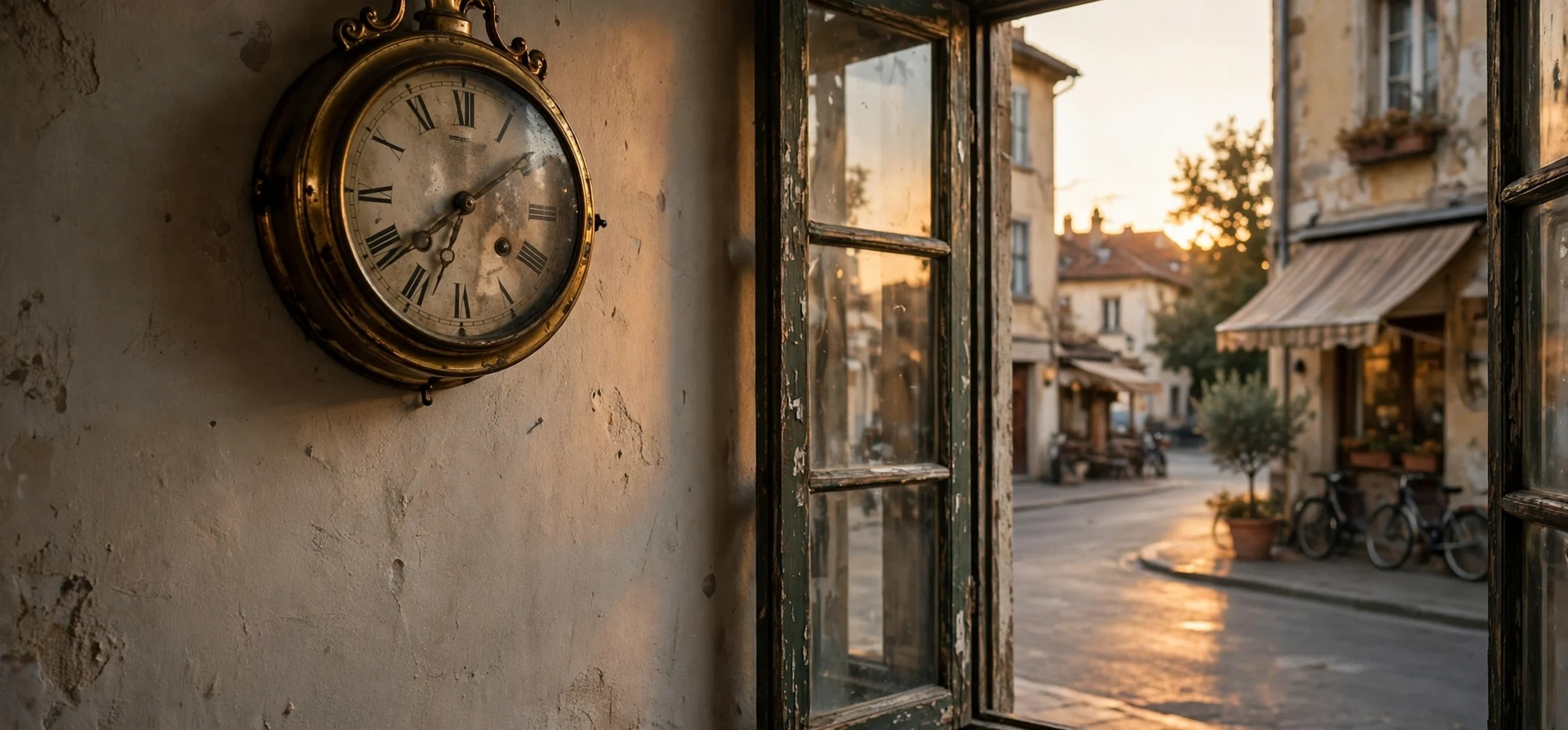
The phrase end of era is used whenever something familiar comes to a close and a new chapter begins. You might hear it when a long-running television show airs its final episode, when a beloved shop closes after decades, when a sports star retires, or when a technology that shaped daily life is finally replaced. It is not a technical term with a single fixed definition; it is an expressive idiom, and its power comes from the sense of scale it carries. Saying that something marks the end of era suggests that the change is not small or temporary, but part of a larger turning point.
What Does End of Era Mean?
At its simplest, end of era describes the close of a distinctive period. An era is a stretch of time defined by a particular style, person, technology, or way of life, and the phrase signals that this stretch has finished. The words are often used with a touch of nostalgia, because the end of a familiar period can feel emotional even when the change itself is positive. A new phone replacing an old model is a small example; a whole industry moving from one format to another is a larger one. In both cases, the phrase frames the change as historic rather than routine.
Grammar matters here. The fuller form is usually the end of an era, with the articles included, while headlines and social media posts often shorten it to end of era. Both versions are widely understood, and the shortened form works well as a headline or a caption. Writers sometimes add a possessive or a description, such as the end of an era for print newspapers, to make clear which period they mean. Without that context, the phrase can sound vague, so good writing pairs it with a specific subject: what ended, when, and what replaced it.
End of Era in Everyday Language
In everyday conversation, end of era is used loosely and often playfully. Friends might say it when a favourite cafe changes its menu, when a group chat goes quiet after years of daily messages, or when a childhood toy is finally put away. In these cases the phrase is deliberately dramatic, borrowing the language of history for a personal moment. That playful use is part of its charm: it lets people mark a small ending with humour and warmth, while still acknowledging that something has genuinely changed. Context tells the listener whether the tone is serious, sentimental, or joking.
In news and commentary, the phrase carries more weight. Journalists use it to describe retirements, closures, policy changes, and technological shifts that affect many people at once. A headline declaring the end of era invites readers to reflect on what the period meant and what comes next. Because the phrase is so flexible, careful writers support it with evidence: dates, figures, or quotes that show why this moment counts as a turning point rather than an ordinary update. Without that support, the phrase can feel exaggerated, and readers may discount the story behind it.
Serious, Sentimental, and Playful Uses
- Serious: a major retirement, closure, or industry shift that affects a wide audience.
- Sentimental: the final episode, last performance, or closing day of something loved.
- Playful: a small personal change described in grand terms among friends.
- Reflective: an anniversary piece looking back at what a period meant.
- Critical: a commentator arguing that a change is overdue rather than sad.
End of Era Examples Across Culture and Technology
Culture provides some of the clearest examples of turning-point moments. When a long-running show ends, fans often describe it as the end of an era because the programme shaped viewing habits, conversations, and even friendships over many years. The same language appears when a famous band gives a farewell tour, when a beloved author publishes a final book, or when a sports team says goodbye to a stadium it has called home for decades. In each case, the ending matters because the thing itself mattered to a community, not simply because time passed.
Technology offers equally strong examples. The move from physical media to streaming, from keypad phones to touchscreens, and from dial-up connections to always-on broadband each marked the closing chapter for an older way of doing things. These transitions rarely happen overnight; they unfold over months or years, and the phrase is usually applied in hindsight, once it becomes clear that the old approach will not return. That retrospective quality is important. People often recognise the end of an era only after the new normal has settled in, which is why anniversary articles and retrospectives use the phrase so often.
Workplaces and communities have their own versions too. The retirement of a founder, the closure of a factory that employed generations of local families, or the end of a long-standing local tradition can all be described as a turning point for that place. These uses remind us that eras are not only global or national; they can be deeply local and personal. A small town losing its weekly market may experience that loss as keenly as a country experiences a change of leadership, because the market shaped the rhythm of local life.
How to Use End of Era in Your Own Writing
If you want to use end of era well, start with specifics. Name the period that is ending, explain what defined it, and describe what is replacing it. Instead of writing only that something is the end of an era, add a sentence about why: the audience changed, the technology moved on, or the people involved chose a new direction. That detail turns a cliché into a meaningful observation. It also helps readers who may not share your nostalgia to understand why the moment matters, which is essential when you are writing for a broad audience.
Use the phrase sparingly. Because end of era is vivid, repeating it weakens its impact, and using it for every minor update makes it sound hollow. Reserve it for moments that genuinely close a chapter, and choose plainer language for ordinary changes. Consider tone as well: the phrase can sound mournful, celebratory, or ironic depending on the surrounding sentences, so make sure the surrounding words match the feeling you intend. A farewell that is actually a celebration should not read like an obituary, and a genuinely sad closure should not be undercut by jokes.
End of Era Synonyms and Related Phrases
Several related phrases can add variety when this phrase starts to feel overused. A turning point suggests a decisive change of direction, while a changing of the guard points specifically to new leadership. The close of a chapter borrows the language of books to describe a life stage or project ending, and a new chapter describes what follows. Saying that times have changed is plainer and more neutral, while a fond farewell focuses on gratitude rather than history. Choosing among these options lets you match the scale and mood of the moment more precisely.
It is also worth noting what the phrase does not mean. End of era does not necessarily mean that everything from the past disappears. Old songs are still played, old technologies still have enthusiasts, and old traditions often survive in new forms. The phrase marks a shift in dominance or centrality, not total erasure. A format can cease to be the mainstream choice while remaining loved by a smaller community, and that nuance makes the phrase richer than a simple announcement that something is gone.
Conclusion
End of era is a flexible, expressive phrase for marking the close of a distinctive period, whether that period is cultural, technological, local, or personal. Used with specific detail and a fitting tone, it helps readers feel the scale of a change and reflect on what came before. Used carelessly, it becomes an empty headline. The best approach is to name what ended, explain why it mattered, and look honestly at what comes next, so the end of an era becomes the start of a clear and thoughtful story.
| Context | Example | Tone |
|---|---|---|
| Culture | A long-running show airs its final episode | Sentimental |
| Technology | A mainstream format is replaced by a new one | Reflective |
| Sport | A star player retires after a long career | Respectful |
| Community | A local tradition or venue closes | Nostalgic |
| Personal | A familiar routine comes to an end | Playful or warm |
Frequently Asked Questions
Is it end of era or end of an era?
Both are understood. The fuller form, the end of an era, is standard in sentences, while the shortened end of era is common in headlines, captions, and search queries.
Is end of era always sad?
No. It can be celebratory, reflective, or playful depending on context. It marks a significant change, not necessarily a loss.
Can a small change be the end of an era?
In personal or humorous use, yes. In serious writing, reserve it for changes that genuinely close a distinctive period.
Explore more word guides, including our look at related meaning explainers and our TV guide for programme-related reading.