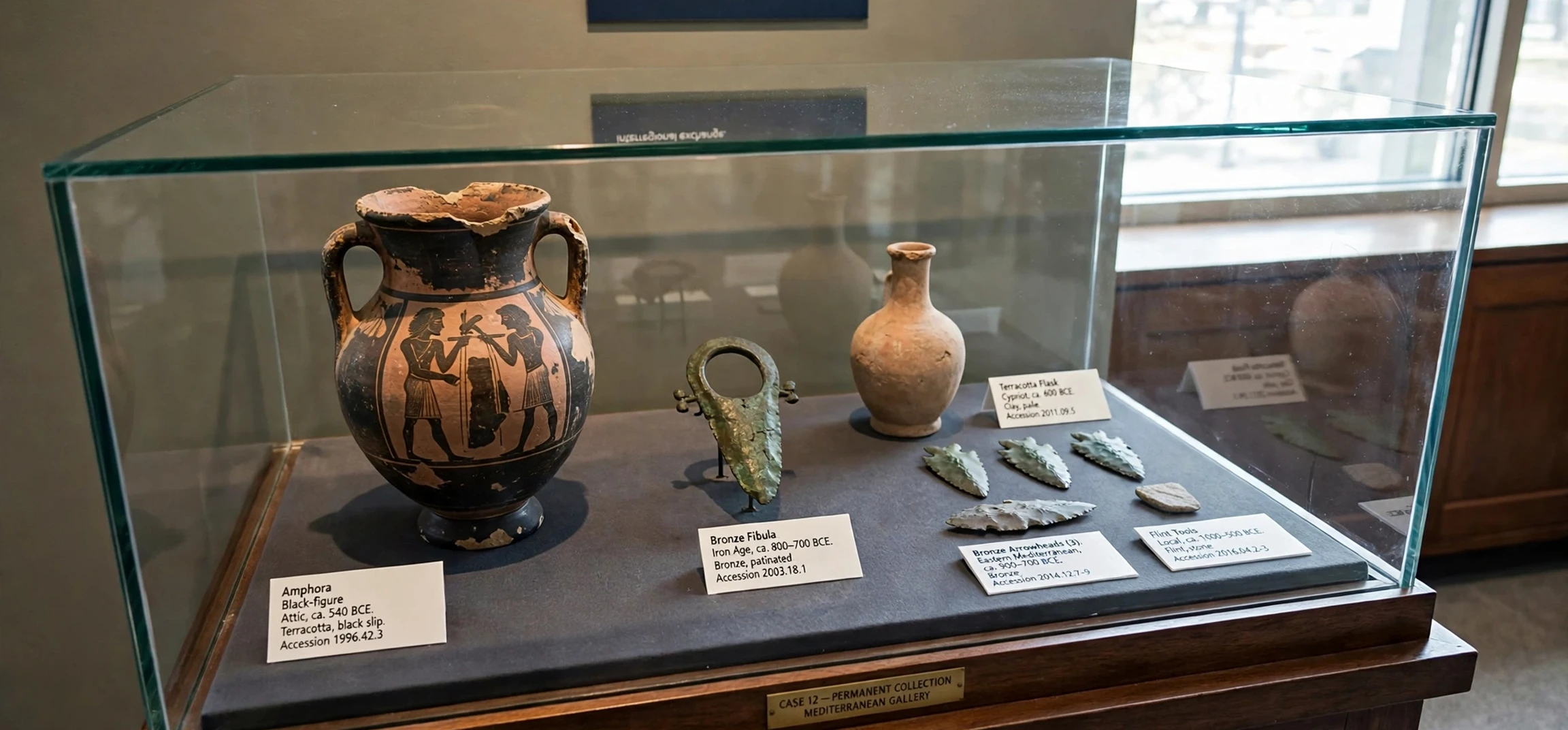
When someone asks what does artifact mean, they are usually asking about a word that appears in history, archaeology, museums, and everyday conversation, but with slightly different shades of meaning in each setting. The phrase what does artifact mean points to a noun with a clear core idea: an artifact is something made or shaped by human beings, especially an object from the past that tells us about the people who made or used it. This guide explains that core definition, explores how the word is used in archaeology, history, museums, and modern technology, gives examples, and clears up common confusions, so you can use the word accurately in essays, exams, and general writing.
The word comes from Latin roots meaning made by skill or art, and that origin still shapes its modern sense. An artifact is not a naturally occurring rock or an untouched piece of wood; it is something that human hands, tools, or decisions have altered. A stone that has been shaped into a tool is an artifact, while an unshaped stone lying in a field is not. A clay pot, a coin, a handwritten letter, and a piece of software can all be described as artifacts in different contexts, because in each case a person or a group created something that carries information about its maker, its purpose, and its time. That human-made quality is the heart of what does artifact mean across history, archaeology, and museum work.
What Does Artifact Mean: The Core Definition
At its simplest, what does artifact mean can be answered in one sentence: an artifact is an object made by humans, especially one of historical or cultural interest. Dictionaries emphasise two elements: human manufacture and significance. The first element excludes natural objects, however interesting they may be. The second element explains why not every human-made object is called an artifact in ordinary speech. A plastic bottle made yesterday is technically a human-made object, but people are more likely to call it an artifact if it is old, rare, or revealing, or if it is being studied as evidence of a culture, a period, or a way of life. Students often meet what does artifact mean first in a history lesson, where objects are treated as evidence.
That significance can be historical, cultural, scientific, or personal. A family photograph from a century ago is an artifact of family history. A railway ticket from a discontinued line is an artifact of transport history. A first edition book is an artifact of publishing history. In each case, the object matters not only for what it is, but for what it reveals: how people lived, travelled, communicated, and understood their world. The word therefore carries a sense of evidence. Artifacts are things we can examine when written records are incomplete, biased, or missing altogether. A useful test for what does artifact mean is to ask whether people made or modified the object in question.
What Does Artifact Mean in Archaeology and History
In archaeology, artifact has a technical meaning. Archaeologists use it for portable objects made or modified by people and recovered from a site, such as tools, pottery fragments, ornaments, weapons, and coins. Larger structures, such as walls or buildings, are usually described differently, as features or architecture, while the smaller movable finds are artifacts. The distinction helps archaeologists record and analyse a site systematically: artifacts can be collected, measured, photographed, catalogued, and compared, while features must be studied in place. Context is equally important to what does artifact mean, since an object without provenance tells a thinner story.
Historians use the word more broadly. A historical artifact can be a document, a uniform, a machine, a painting, or any surviving object that helps reconstruct the past. Museums organise their collections around artifacts, grouping them by period, culture, material, or theme, and writing labels that explain who made them, how they were used, and why they survive. When you visit a museum and read about an artifact, you are reading a short argument: this object is evidence, and here is what it suggests about the people who lived with it. That evidential role is why artifacts are treated with care, conservation, and documentation, rather than as mere curiosities. The examples above illustrate what does artifact mean far better than a bare definition alone.
Examples of Artifacts Across Periods
Examples help fix the definition. In the ancient world, artifacts include clay tablets with writing, bronze tools, jewellery, and fragments of pottery decorated with patterns that identify a culture or workshop. In the medieval period, artifacts include illuminated manuscripts, swords, seals, coins, and everyday items such as cooking pots and shoes, which reveal as much about ordinary life as grand objects reveal about rulers. In the modern period, artifacts include early telephones, typewriters, cameras, posters, and clothing, all of which show how technology and fashion changed within living memory. In technology, what does artifact mean shifts toward deliverables and build products, so context must be checked.
Not all artifacts are old in the sense of ancient. A concert ticket, a protest badge, or a mobile phone from twenty years ago can become an artifact when it is collected as evidence of a particular moment. Museums increasingly collect contemporary objects for exactly this reason: today’s ordinary items will be tomorrow’s evidence. The key question is not only age, but context. An object becomes a meaningful artifact when we know, or can discover, where it came from, who used it, and what it meant to them. Without that context, even a beautiful object loses much of its power as evidence. The scientific sense of what does artifact mean is a useful warning that instruments can create false effects.
| Context | Example Artifact | What It Reveals |
|---|---|---|
| Archaeology | Shaped stone tool | How early people hunted, cut, and worked materials |
| Ancient history | Clay tablet with writing | Record-keeping, language, and administration |
| Medieval life | Cooking pot | Diet, household routines, and craft skills |
| Modern history | Early telephone | How communication technology changed society |
| Contemporary collecting | Printed poster | Design, politics, and popular culture of its time |
The table shows how the same word covers a wide range of objects, united by human making and evidential value. When you write about an artifact, naming its context, material, maker or user, and purpose will make your description far more informative than simply calling it old or interesting. Spelling is a smaller but persistent part of what does artifact mean in essays, where consistency is expected.
Artifacts in Technology and Other Modern Uses
Outside history, artifact takes on related technical meanings. In software development, an artifact is a file or product created during the building process, such as a compiled program, a document, or a package ready for release. In project work, artifacts include plans, reports, diagrams, and other outputs produced along the way. In science, an artifact can also mean an unwanted effect introduced by an instrument or a method, such as a distortion in an image or a measurement error caused by the equipment itself. In that scientific sense, the word is a warning: the apparent result may be a product of the process, not of the thing being studied. Distinguishing artifacts from fossils and relics sharpens what does artifact mean in precise writing.
These modern uses share the core idea of something made or produced, but they shift the emphasis. A software artifact is valued because it is usable, not because it is old. A scientific artifact is a problem to be identified and removed, not evidence to be preserved. Context therefore matters greatly. If you meet the word in a technology article, check whether it means a deliverable, a build product, or an error. If you meet it in a history article, assume it means a human-made object of cultural or historical interest, unless the author signals otherwise. For museum visitors, what does artifact mean comes alive in labels that explain maker, use, and survival.
Artifact, Artefact, and Related Words
Spelling is a common source of confusion. Artifact is the standard spelling in American English, while artefact is common in British English, especially in archaeology and museum writing. Both refer to the same concept, and neither is incorrect; the choice depends on the variety of English you are using and the style guide you follow. Consistency matters more than the choice itself, so pick one spelling for a document and stick to it, unless you are quoting a source that uses the other form. That evidential role is why what does artifact mean matters beyond vocabulary lists.
Related words also need care. A relic is usually an object surviving from the past, often with religious or sentimental associations, and it may or may not have been made by humans. A fossil is the preserved remains or traces of a once-living organism, and it is not an artifact, because it was not made by people. An antique is an old object valued for age, rarity, or craftsmanship, and many antiques are artifacts, but not every artifact is an antique in the commercial sense. Keeping these distinctions clear will make your writing more precise, especially in essays where examiners reward accurate vocabulary. For other word-meaning explainers on this site, see ADES meaning, Akimbo mean, and All-encompassing meaning. In short, what does artifact mean is answered by human making plus significance as evidence.
Using Artifact Correctly in Writing
To use artifact well, give the reader enough detail to understand why the object matters. A weak sentence says that a museum contains many artifacts. A stronger sentence names one artifact, says what it is made of, when and where it was used, and what it reveals. For example, a sentence that identifies a pottery fragment, its decoration, and the culture that produced it tells the reader something specific, while a vague reference tells them almost nothing. Precision is the point of the word: artifact promises evidence, so the writing should deliver some.
Also avoid calling every old thing an artifact without thought. A natural specimen in a museum, such as a mineral or a shell, is an exhibit, but it is not an artifact unless humans shaped or used it in a meaningful way. Similarly, a modern mass-produced item is not automatically an artifact simply because it is in a collection; it becomes one when its context makes it significant. Asking two questions, was it made by people, and does it tell us something, will guide you correctly in almost every case. That discipline keeps the word meaningful, rather than letting it become a fancy synonym for old object.
Frequently Asked Questions
What is a simple definition of artifact?
An artifact is an object made by humans, especially one that is historically or culturally interesting because it provides evidence about the people who made or used it.
Is it artifact or artefact?
Both spellings are correct. Artifact is standard in American English, while artefact is common in British English, particularly in archaeology and museum contexts. Use one consistently within a document.
Is a fossil an artifact?
No. A fossil is the preserved remains or trace of a living organism, not something made by humans. An artifact must be made or modified by people.
Can a modern object be an artifact?
Yes, if it is collected or studied as evidence of a culture, period, or event. Contemporary posters, tickets, and devices can become artifacts when their context makes them significant.
Conclusion
The answer to what does artifact mean is both simple and rich: an artifact is a human-made object that carries information about its maker, its users, and its time. In archaeology and museums, it is evidence of past life. In technology, it is a product or deliverable of a process. In science, it can be an unwanted effect to watch for. Across all these uses, the core idea remains: something made, shaped, or produced, rather than something merely found in nature. Use the word with that core in mind, add concrete detail about material, origin, and purpose, and choose the spelling that fits your variety of English, and artifact will serve as a precise and useful term in your writing. Keeping a notebook example beside what does artifact mean helps the definition stay concrete. Each new example deepens what does artifact mean beyond a dictionary entry. With that practice, what does artifact mean will feel natural in essays and conversation alike.



