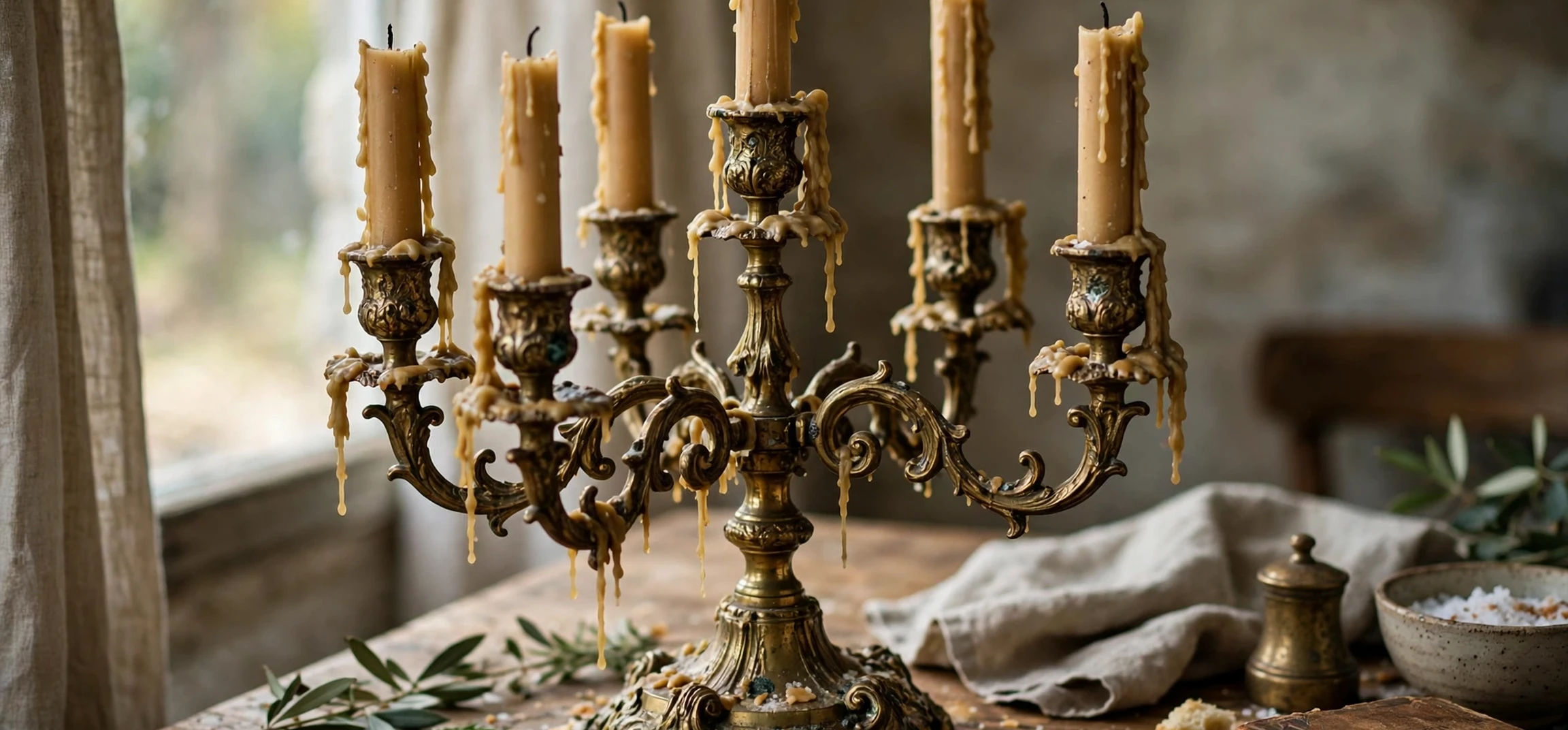
If you have typed candlestick name from beauty and the beast into a search box, the answer is short, memorable, and easy to mix up with the other enchanted objects in the story. The candlestick is Lumière, the charming, witty, and endlessly hospitable household servant who was transformed into a candelabrum when the Beast’s castle fell under an enchantment. This guide explains who Lumière is, why his name matters to the plot, how he differs from the other famous objects in the castle, and why the candlestick name from beauty and the beast keeps trending in quizzes, fan discussions, and family movie nights.
Lumière is a fictional character, and that fact is worth stating plainly at the start. He is not a historical person, and his story belongs to a fairy tale that has been retold in many forms: the original French tale, the animated film, the stage musical, and the live-action retelling. Across those versions, the core idea stays the same. Lumière is the castle’s maître d’hôtel, a gracious host who believes in warmth, music, and good company even when the castle itself is under a curse. When the enchantment turns the household staff into objects, his form becomes a candelabrum with candles for hands, and his personality stays flamboyant, kind, and funny.
The name itself is a clue. Lumière is a French word linked with light, which fits a candlestick perfectly. It is a piece of character naming that works on two levels at once: it sounds elegant and French, matching the fairy-tale setting, and it quietly tells the audience what the character has become. That kind of naming is one reason the character sticks in memory long after the credits roll. Viewers may forget a plot detail, but they remember the talking candlestick who sings about being a guest and lights the way. That is why the candlestick name from beauty and the beast is asked so often in quizzes.
The candlestick name from beauty and the beast, answered in full
The candlestick name from beauty and the beast is Lumière. In the animated film, he is voiced as a warm, accented showman who welcomes Belle to the castle, encourages the Beast to be a better host, and leads the famous musical celebration of hospitality. His design is instantly recognisable: a golden candelabrum body, two candle arms that gesture like hands, a face that can shift from mischief to tenderness, and a flame that seems to dance when he is excited. Children often recognise him before they can spell his name, which is why parents and teachers search for the spelling after a first viewing.
Lumière’s role is larger than comic relief, although he is very funny. He acts as a bridge between Belle and the Beast. Where the Beast is gruff, impatient, and afraid of rejection, Lumière is patient, encouraging, and socially skilled. He arranges the welcome, smooths over awkward moments, and nudges the Beast toward kindness without lecturing him. In story terms, he is the castle’s heart: the character who keeps hope alive while everyone waits for the enchantment to break. Without Lumière, the castle would feel colder, and Belle’s first nights there would feel far less welcoming. Parents, teachers, and trivia fans all search for the candlestick name from beauty and the beast before a quiz night.
His friendship with Cogsworth, the mantel clock, is another reason audiences love him. Lumière is impulsive, romantic, and fond of a grand gesture, while Cogsworth is careful, rule-bound, and anxious about order. Their back-and-forth gives the film some of its best humour, and it also shows two different ways of coping with the same curse: one character leans into joy, the other leans into control. That contrast makes both characters feel more human, even though both are household objects.
Why the candlestick name from beauty and the beast keeps going viral
The candlestick name from beauty and the beast trends for a simple reason: it is a perfect quiz question. It is specific enough to feel like a test of knowledge, short enough to fit in a video title or a caption, and attached to a character that almost everyone recognises on sight. Reaction videos, trivia clips, and family challenge videos often ask viewers to name the candlestick before revealing the answer, and that format travels well across platforms. A viewer who knows the answer feels clever, and a viewer who does not know it learns something satisfying in a few seconds. Once you know it, the candlestick name from beauty and the beast is easy to remember.
There is also a spelling effect. Lumière contains an accent and a combination of letters that English speakers do not always guess on the first try, so people search to check the spelling before they use it in a quiz, a costume description, a party theme, or a piece of fan art. That checking behaviour keeps the search steady over time, rather than spiking only when a new film is released. The same pattern applies to other character names in the story, but the candlestick is the most visually distinctive object, so his name gets the most questions.
Costume and party culture adds another layer. Lumière is a popular choice for themed parties, school plays, and Halloween costumes, because the design is bold, golden, and fun to build from simple materials. A costume guide, a cake design, or a decoration tutorial will often name the character in the title, which sends more readers back to search to confirm the name. In that sense, the viral life of the name is not about a single video. It is about a character who keeps appearing in new creative contexts, year after year. That is why the candlestick name from beauty and the beast is asked so often in quizzes.
Lumière and the other enchanted objects, clearly separated
Part of the confusion around the candlestick comes from the castle’s crowded cast of enchanted objects, so it helps to separate them clearly. Lumière is the candlestick. Cogsworth is the clock, and he is often the character people confuse with Lumière when they remember only that there was a talking household object. Mrs. Potts is the teapot, and she is the warm, maternal voice of the household. Chip, her son, is the teacup with a chip in his rim. Plumette, in some versions, is the feather duster, and she is linked with Lumière as a romantic partner. Each object keeps the personality of the servant it once was, which is why the castle feels like a household rather than a collection of props.
That separation matters for quizzes and for homework-style questions, because the question usually asks for one object, not for the whole cast. If a question asks for the candlestick, the answer is Lumière, not Cogsworth and not Mrs. Potts. If it asks for the clock, the answer is Cogsworth. Keeping those pairs straight is the whole trick, and a simple memory aid helps: light belongs to Lumière, time belongs to Cogsworth, and tea belongs to Mrs. Potts. The functions of the objects match the jobs of the servants they once were. Parents, teachers, and trivia fans all search for the candlestick name from beauty and the beast before a quiz night.
For readers who enjoy character guides on this site, our list of Jungle Book cartoon characters follows the same approach: name the character, explain the role, and separate lookalikes before they cause confusion. Clear character guides are useful precisely because animated casts are large and easy to mix up.
What kind of character is Lumière
Lumière is best understood as a host, a friend, and a hopeful romantic. As a host, he believes that a guest should be welcomed, fed, entertained, and made to feel at home, even in difficult circumstances. As a friend, he is loyal to the Beast, honest about the Beast’s faults, and willing to take risks to help him change. As a romantic, he is playful and devoted, and his relationship with Plumette adds warmth without taking over the main story. Those three traits together make him feel complete rather than one-note. Once you know it, the candlestick name from beauty and the beast is easy to remember.
His famous musical moment, the celebration of being a guest, is more than a showpiece. It is the story’s argument in song form: hospitality is a form of hope. The castle staff cannot break the enchantment by themselves, but they can keep the castle feeling alive, and they can give Belle a reason to stay long enough to see the Beast clearly. Lumière leads that effort with music, food, dance, and humour, and the sequence works because it is joyful without pretending the curse does not exist. The joy is the point, and also the strategy.
Lumière also grows across the story. Early on, he is eager to please and sometimes too quick to stage-manage events. Later, he shows courage, standing with the castle household when it is threatened, and he shows tenderness when the stakes turn serious. That growth mirrors the Beast’s larger arc on a smaller scale: a character who learns that charm alone is not enough, and that loyalty must include honesty and sacrifice. It is a surprisingly rich arc for a candlestick, and it is why adult viewers often enjoy him as much as children do. That spelling check is exactly why the candlestick name from beauty and the beast is searched so often.
How Lumière changes across versions of the tale
Different versions of Beauty and the Beast present Lumière with different levels of detail, but the core identity remains stable. In the animated film, he is a leading supporting character with major musical numbers and a strong comic partnership with Cogsworth. In the stage musical, his role expands further, because live theatre rewards a showman who can address the audience and drive big ensemble moments. In the live-action retelling, his design becomes more detailed and his backstory receives more attention, while his personality stays recognisably warm and witty.
Those differences can cause small confusions for viewers who move between versions. A character who is prominent in one version may have less screen time in another, and a design detail may change, but the name does not change. Lumière remains Lumière in each major retelling, which is helpful for anyone searching after watching a newer version. If you watched a stage production or a live-action film and wondered whether the candlestick had a different name there, the answer is no: the candlestick is still Lumière. For a quiz, write it down once and the candlestick name from beauty and the beast will stay with you.
The original fairy tale, by contrast, does not feature the same cast of talking objects in the same way. The enchanted household is largely a later invention, developed as the tale was adapted for film and stage. That history is worth knowing, because it explains why a search for the candlestick name leads mainly to film and musical sources rather than to the earliest printed tale. The character is a product of adaptation, and a very successful one, since he has become one of the most famous parts of the story.
Character-name guides like our list of Ghostbusters character names show the same pattern: a famous cast, a few lookalike characters, and one name that everyone wants to confirm. When in doubt, check the role, not just the appearance, and the answer usually becomes clear.
| Enchanted object | Character name | Role in the castle |
|---|---|---|
| Candelabrum | Lumière | Maître d’hôtel, host and showman |
| Mantel clock | Cogsworth | Head of household, keeper of order |
| Teapot | Mrs. Potts | Housekeeper, warm maternal voice |
| Teacup | Chip | Young, curious, affectionate |
| Feather duster | Plumette | Maid, linked with Lumière |
A quick recap: the candlestick name from beauty and the beast is Lumiere, and the candlestick name from beauty and the beast is distinct from Cogsworth the clock.
Frequently asked questions about the Beauty and the Beast candlestick
What is the candlestick called in Beauty and the Beast?
The candlestick is called Lumière. He is the castle’s maître d’hôtel, transformed into a candelabrum by the enchantment, and he remains one of the most recognisable fictional characters in the story.
Is Lumière the clock or the candlestick?
Lumière is the candlestick. Cogsworth is the clock. The two are close friends and comic partners, which is why they are sometimes confused, but their objects and jobs are different.
Why is he named Lumière?
The name is linked with the French word for light, which fits a candlestick character. It also sounds elegant and French, matching the fairy-tale setting and the character’s gracious, hospitable personality.
Does Lumière appear in every version of the tale?
He appears in the major film and stage adaptations, where the enchanted household is a central feature. The earliest printed tale does not develop the talking objects in the same way, so film and stage sources are the best place to check his name and role.
Conclusion
The candlestick name from beauty and the beast is Lumière: the golden, witty, warm-hearted host whose light, in both senses, keeps the enchanted castle feeling alive. He is distinct from Cogsworth the clock and Mrs. Potts the teapot, and his name, linked with light, is a small piece of perfect character naming. Whether you needed the answer for a quiz, a costume, a party theme, or a family movie night, you now have it, spelled correctly, with the context that makes it easy to remember next time.



