The spy drama known in some listings as berlin.station is, in standard styling, Berlin Station, a television series about an American intelligence station in the German capital and the people who work inside it. This guide to berlin.station focuses on premise, plot structure, and themes, explaining what the show is about, how its story is built across seasons, and why its Berlin setting matters so much to the drama. It is written for readers who want an overview before watching or who want to make sense of the story afterwards, and it avoids streaming links and download links entirely. Adult cast members only are discussed here, in professional terms, and the emphasis throughout is on storytelling craft rather than on private detail.
Berlin Station belongs to a particular tradition of espionage drama: the workplace thriller, where the tension comes less from gadgets and chases than from loyalty, information, and the cost of decisions made behind closed doors. The station itself functions as both a workplace and a pressure cooker. Colleagues must trust each other to do dangerous work, yet they cannot always know what each colleague truly knows or intends. That contradiction drives much of the series, and it is what separates berlin.station from more action-driven spy stories. The show asks, in different ways each season, what happens when the people charged with protecting secrets become secrets themselves.
The Premise of berlin.station
The premise of berlin.station is straightforward to state and difficult to live inside, which is precisely why it works as drama. An American intelligence station operating in Berlin must gather information, manage sources, respond to threats, and cooperate or compete with other agencies, all while operating in a city layered with history. Berlin is not a neutral backdrop here. Its divided past, its role as a crossroads of European politics, and its present as a modern capital all feed into the stories the station handles. Cases that might seem routine in another city carry extra weight in Berlin, because history, politics, and personal memory intersect there.
Within the station, the drama is organised around roles that will feel familiar to viewers of workplace series: a station chief who must balance headquarters, local politics, and staff welfare; case officers who recruit and run sources; analysts who turn fragments of information into assessments; and support staff who keep the operation running. The series gives each of these roles weight, so the story is not only about field operations but about the office that makes those operations possible. That workplace realism is one of the reasons berlin.station rewards patient viewing. The stakes build through meetings, reports, and quiet conversations as much as through field sequences.
How berlin.station Builds Its Plot
Each season of berlin.station is built around a central investigation or threat, with episode plots that advance that larger arc while also developing the characters. Early episodes typically establish a case, introduce the key players, and reveal a complication that changes what the station thought it knew. Mid-season episodes deepen the mystery, test loyalties, and force characters to choose between competing duties. Later episodes bring those choices to a head, often with consequences that carry into the next season. This structure gives the show both the satisfaction of a season-long mystery and the continuity of a workplace drama.
The plotting also relies on perspective. Viewers often know slightly more, or slightly less, than any single character, which creates dramatic irony and keeps attention focused on motive as much as on action. A character may act on incomplete information, a source may withhold a crucial fact, or a headquarters decision may look different from Berlin than it does from afar. By playing with who knows what, berlin.station keeps its central question alive: in a world built on secrets, how can anyone be sure they are acting on the truth?
Secrets, Loyalty, and Trust
Secrets, loyalty, and trust are the three themes that run through berlin.station from start to finish. Secrets are the currency of the station, but they are also its burden, because every secret creates a distance between the person who holds it and everyone else. Loyalty is tested not only by betrayal, but by competing loyalties: to a colleague, to a source, to headquarters, to a personal principle, or to the truth itself. Trust, meanwhile, is shown as something earned in small moments and lost in a single decision. The series returns to these themes in different forms each season, which is why its stories feel connected even when the cases change.
Berlin as a Character
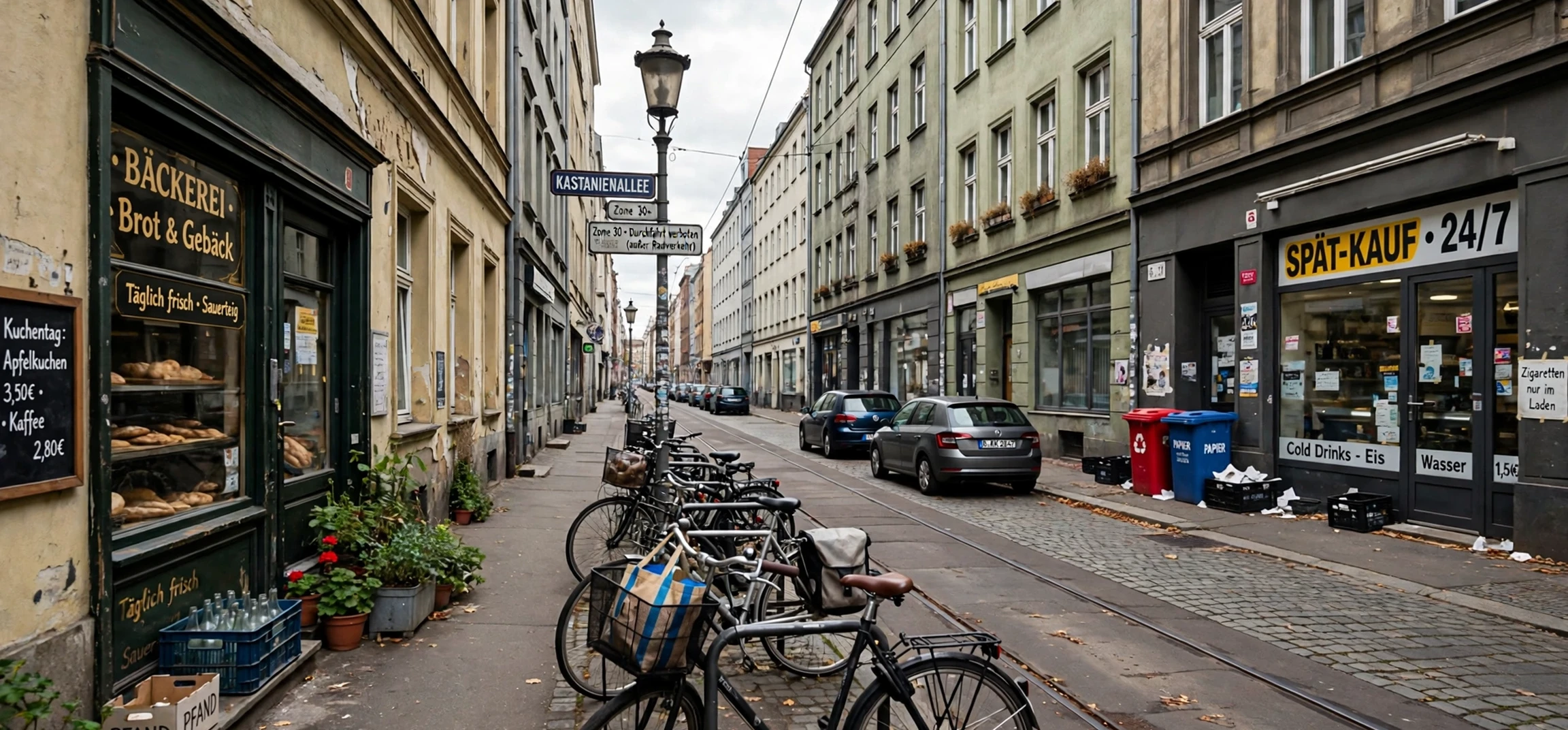
Berlin functions almost as a character in berlin.station. The show uses the city visually and thematically, from government districts and residential streets to the remnants of division that still mark the urban landscape. Location work gives the series a grounded, European feel that distinguishes it from spy dramas set in anonymous cities. More importantly, the city shapes the stories. A meeting in a Berlin cafe, a source with roots in the city, or a political development in Germany can change the meaning of a case. Viewers who know Berlin will recognise its textures, and viewers who do not will still feel its presence as a place with its own history and pressures.
Characters and Performance in berlin.station
The adult ensemble at the centre of berlin.station is built around contrasting professional styles. Some characters are instinctive and field-oriented, comfortable with risk and improvisation. Others are analytical and cautious, focused on evidence, procedure, and long-term consequences. The drama comes from forcing these styles to work together under pressure, and from showing how each style can be both a strength and a blind spot. A cautious character may miss an opportunity, while a bold character may create a problem that caution would have avoided. The series does not present one style as correct. It shows the cost of each.
Performance in berlin.station is deliberately restrained. Much of the acting happens in stillness, in listening, and in the gap between what a character says and what they appear to mean. That restraint suits the subject matter, because intelligence work in the series is often about reading people, managing impressions, and holding back information. Viewers who enjoy dialogue-driven drama and slow-burn tension will find this approach rewarding, while viewers who prefer constant action may need to adjust expectations. The show trusts its audience to follow nuance, and that trust is part of its identity.
| Story element | How the show uses it | Why it matters |
|---|---|---|
| Central case per season | A season-long investigation drives episodes | Gives mystery and momentum |
| Workplace ensemble | Chiefs, officers, analysts, and support staff | Grounds espionage in daily work |
| Berlin setting | History, politics, and location work | Adds depth and distinct identity |
| Secrets and loyalty | Competing duties test every character | Creates lasting dramatic tension |
Themes That Give berlin.station Its Identity
Beyond its plots, berlin.station is interested in the human cost of secret work. Characters carry the weight of decisions that cannot be discussed outside the station, maintain relationships under false pretences or partial truths, and live with the knowledge that a mistake can harm a source or a colleague. The series does not glamorise this cost. It presents it as the price of the work, and it shows characters coping in different ways, some healthier than others. That focus gives the show an emotional core that action alone could not provide.
The series is also interested in institutions. Headquarters, local government, allied agencies, and the station itself all have their own interests, and those interests do not always align. A decision that makes sense from headquarters may look reckless from Berlin, and a decision that protects a source may frustrate a political objective. By showing these institutional tensions, berlin.station avoids simple heroes and villains. Its conflicts are often between reasonable people with incompatible responsibilities, which makes the drama harder to resolve and more interesting to watch.
For readers who enjoy television overviews built around premise and performance, our guide to Ballard series reviews and our overview of A Good Girl’s Guide to Murder series take a similar approach, focusing on story, character, and craft. As with those guides, the aim here is to help you understand a series and decide whether its style suits you, using public, professional information only.
Watching Berlin Station With Fresh Eyes
For a first-time viewer, the best way to approach this series is to treat it as a workplace drama that happens to involve intelligence work, rather than as a thriller that happens to have an office. That framing changes what you notice. Instead of waiting for the next action sequence, you start to watch how a briefing is run, how a source meeting is prepared, and how a disagreement between colleagues is handled when neither side can say everything they know. Those small scenes are where the show does its most important work, because they establish the rules of its world and the pressures on its people.
It also helps to pay attention to recurring locations and routines. A regular meeting room, a familiar street, or a repeated procedure can take on new meaning as a season develops, because the show uses familiarity to make change feel significant. When a routine is broken, or when a familiar place appears in an unfamiliar context, that is usually a signal that something important has shifted. Viewers who notice these patterns tend to enjoy the series more, because they are reading it on the same level the writers intended.
Finally, give the series time to build. Its early episodes are deliberately measured, establishing characters and systems before testing them. That patience pays off, because later episodes draw on details planted quietly in earlier ones. A viewer who watches attentively from the start will catch callbacks, ironies, and consequences that a casual viewer might miss, and that sense of earned understanding is one of the most satisfying parts of following a well-made season-long drama.
Frequently Asked Questions About berlin.station
What is berlin.station about?
It is a spy drama about an American intelligence station in Berlin, following the officers, analysts, and chiefs who handle cases, manage sources, and navigate loyalty, secrets, and institutional pressure in a city shaped by history.
Is berlin.station action-driven or dialogue-driven?
It is primarily a dialogue-driven workplace thriller, with tension built through investigations, meetings, and character decisions, alongside field sequences when a case requires them. Viewers who enjoy slow-burn espionage will find its pace rewarding.
Why does the Berlin setting matter?
Berlin brings history, European politics, and a distinctive urban landscape to the stories. Its past and present shape the cases the station handles and give the series an identity that a generic city setting could not provide.
Who should watch berlin.station?
Viewers who enjoy espionage dramas focused on character, loyalty, and institutional tension, rather than on spectacle alone, are the most likely to enjoy it. It rewards patient viewing and attention to detail.
Conclusion
Berlin.station, styled in standard form as Berlin Station, earns its place in the espionage genre by treating intelligence work as a human, institutional, and moral drama, not only as a source of action. Its premise is clear, its plotting rewards attention, its Berlin setting gives it a distinct identity, and its themes of secrets, loyalty, and trust give its stories lasting weight. For viewers who value a spy drama that trusts its audience and builds tension through character as much as through plot, berlin.station remains a thoughtful and distinctive series to explore.



