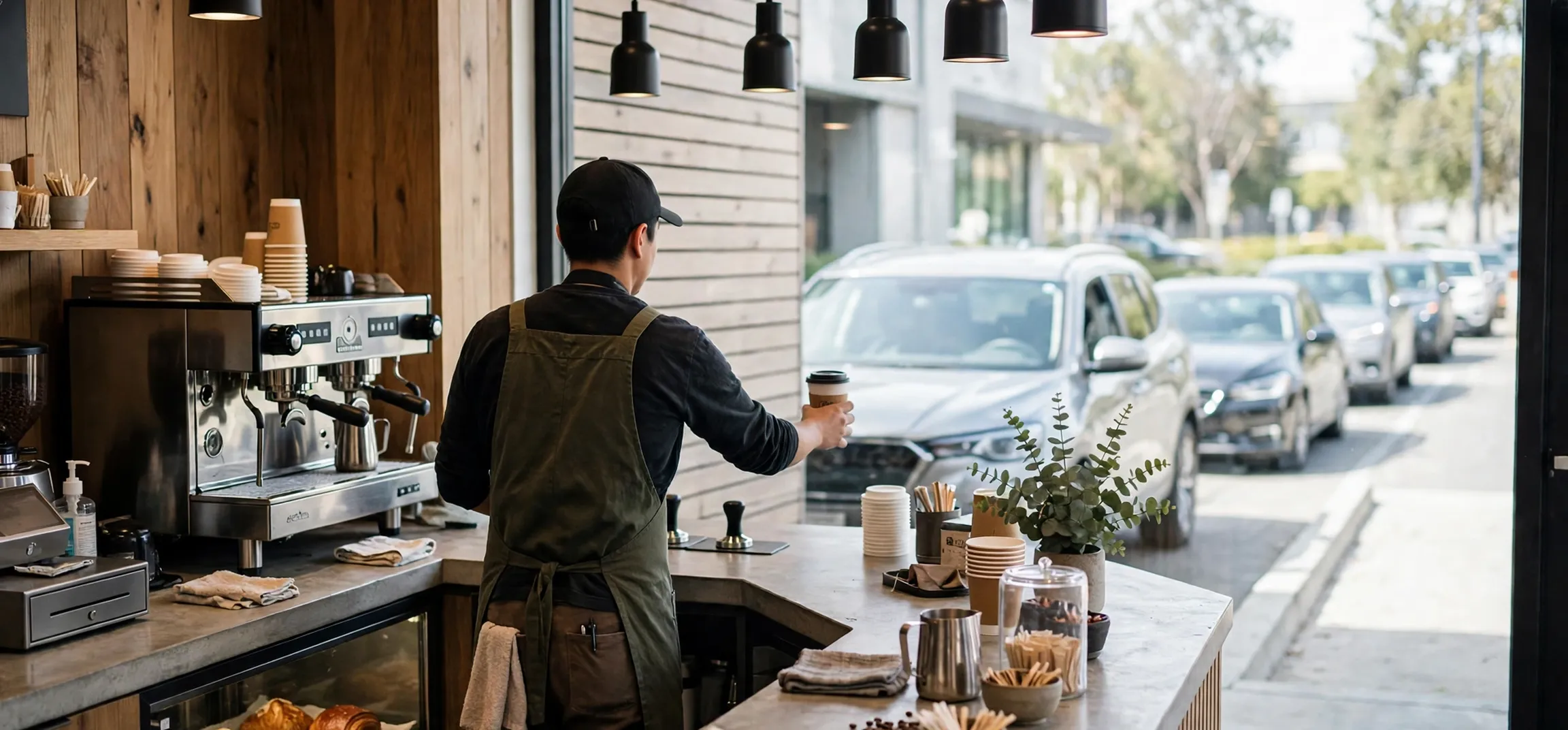
On stock apps and social media, $brcb is the cashtag for Black Rock Coffee Bar, Inc., the drive-thru coffee chain whose shares trade on the Nasdaq stock exchange under the ticker symbol BRCB. The dollar sign in front is simply how finance platforms tag a stock symbol so readers can tap it and see the price, news and discussion for that company. This guide explains what the business behind $brcb actually does, how it makes money, what its shares represent, and the sensible checks any investor should make before buying any newly listed consumer stock like this one.
A few ground rules before we go further. This article explains how to read and research $brcb; it is general education, not financial advice, and it deliberately avoids price predictions and buy or sell calls. Coffee chains can be exciting growth stories and brutal investments, sometimes in the same year, because their value depends on store openings, coffee and labour costs, and consumer habits. Understanding the company first, and the ticker second, is the order professionals use. We will cover the business model, what the listing means, the main numbers investors watch, the risks specific to restaurant stocks, and where to verify facts for yourself.
What the Company Behind $brcb Does
Black Rock Coffee Bar is an American chain of drive-thru coffee bars, founded in Oregon in 2008 and now headquartered in Arizona. Its shops sell espresso drinks, brewed coffee, teas, smoothies and energy drinks, plus a small food range, served quickly to customers in cars. The drive-thru format is the point: small footprints, fast service and commuter locations rather than large cafes where people linger. The company grew across the western and southern United States before listing its shares publicly in 2025, which is when the $brcb cashtag began appearing wherever investors discuss restaurant and consumer stocks online.
A share of $brcb is a small ownership slice of that whole business: its shops, brand, recipes, leases and debts. When the chain earns more than it spends and grows sensibly, the business can become more valuable; when costs rise or new shops disappoint, value falls. Public listing gives the company a way to raise money for expansion by selling shares, and gives early backers and employees a market where they can sell. For new investors, the key idea is that you are buying a piece of a real, physical business whose fortunes are decided in car parks and drive-thru queues, not on the chart screen.
How a Ticker and Cashtag Work
Every listed company gets a short code, its ticker, so orders can be routed precisely; BRCB is this company’s code on Nasdaq, one of the two big United States exchanges. On social platforms and many broker apps, writing the code with a dollar sign, $brcb, turns it into a link to the stock’s page, which is why finance posts look different from ordinary text. The cashtag always refers to the same security, but be careful: similar-looking tickers exist for other companies, including a very large asset manager with a similar name, BlackRock, whose ticker is different. Confusing the two is a genuine beginner error the cashtag system cannot prevent.
Prices for $brcb move throughout the trading day as buyers and sellers agree prices, and they can swing sharply for a smaller, recently listed company because fewer shares change hands. You will see the price quoted with a percentage change for the day, a market value for the whole company calculated from the share price, and a trading volume counting shares swapped. None of those figures tells you whether the stock is cheap or dear; they describe activity and size. Judging value means comparing price with the company’s sales, profits, debts and growth, which is the work the next sections outline for any stock, using this one as the example.
| Item | What it tells you |
|---|---|
| Ticker / cashtag | BRCB / $brcb — the Nasdaq code for Black Rock Coffee Bar |
| Business | Drive-thru coffee bars in the United States |
| Store growth | New openings and total shop count each quarter |
| Same-store sales | Whether existing shops are growing |
| Filings | Official reports with audited numbers and risks |
$brcb and the Numbers Investors Watch
Restaurant investors start with store economics. They watch how many shops the company has, how fast it is opening new ones, and same-store sales, which measure whether existing shops are growing. For $brcb, filings and earnings reports publish these figures, along with revenue, the cost of coffee, milk and labour, and the profit left after everything. Young chains often lose money while expanding, because new shops cost money before they mature; investors then judge whether losses are buying healthy growth or hiding weak demand. Reading two or three quarterly reports in a row teaches more than a month of social media commentary about any stock.
The balance sheet matters as much as the sales line. Drive-thru chains sign long leases, so rent obligations and debt deserve attention alongside cash in the bank. Check whether the company funds expansion from its own cash flow or by repeatedly selling new shares, which dilutes existing holders. With $brcb or any recent listing, also read the risk section of the official prospectus and annual report: companies must list, in plain sight, the things that could hurt them, from commodity prices to competition with far larger coffee rivals. Those documents are free, public and far more reliable than influencer posts, which is why professionals read them first.
Risks Specific to a Stock Like This
Consumer taste is fickle, and coffee is crowded territory. $brcb competes with global giants, regional chains and independent cafes, all fighting for the same morning customer. Input costs swing: coffee beans are an agricultural commodity, milk and energy prices move, and wages in many states rise by law. A drive-thru model depends on car traffic and good sites, so road changes or a poor location decision linger for years. None of this makes the company a bad business; it means the range of possible futures is wide, and wide ranges are exactly what make single small stocks risky for money you cannot afford to lose.
Newly listed shares carry extra hazards. Early investors and insiders may be free to sell after lock-up periods end, which can pressure the price regardless of trading. Analyst coverage is thin at first, so news travels unevenly and rumours move prices. The honest approach to $brcb, and to every recent listing, is position sizing: if you invest at all, keep any single speculative stock a small part of a diversified portfolio, use money whose loss would not change your life, and write down in advance what evidence would make you sell. An exit rule written calmly is worth more than confidence felt loudly in a rising market.
How to Research $brcb Properly
Do the research in a fixed order. First, the company’s own investor materials and regulatory filings, which contain audited numbers and the risk list. Second, its earnings calls or transcripts, where executives explain results and answer hard questions. Third, comparison with listed peers, similar restaurant and beverage companies, to see whether growth and margins look strong or weak for the sector. Only then read commentary, treating cashtag feeds such as $brcb streams as sentiment indicators, useful for knowing what the crowd hopes and fears, useless for knowing what the business is worth. Sentiment moves prices today; cash flow decides values eventually.
Finally, keep a simple written record: why you are interested, what the company must achieve for the investment to work, and the dates of its next reports. Review that note each quarter against reality. If the story you wrote no longer matches the numbers the company publishes, the disciplined response is to reconsider, not to find new stories. That habit, applied to $brcb or any other ticker, is the real difference between investing and merely trading symbols. The cashtag makes a stock easy to follow; your process is what makes following it worthwhile, and process, unlike price, is entirely within your control.
Frequently Asked Questions
What company is $brcb? $brcb is the cashtag for Black Rock Coffee Bar, Inc., a United States drive-thru coffee chain listed on Nasdaq under the ticker BRCB. It is not the asset manager BlackRock, which trades under a different symbol.
Is $brcb a new stock? The company listed publicly in 2025, so its trading history is short compared with established chains. Short histories mean less evidence about how the business performs through tough years, which investors should factor into their caution.
Where can I check facts about the company? In its regulatory filings and earnings reports, which are public and free. Broker summaries and the $brcb cashtag feed are useful starting points, but the filings are the primary source.
Should I buy it? This guide cannot answer that; it is education, not advice. Judge the business on its filings, compare it with peers, diversify, and only ever invest money you can afford to lose.
Conclusion
A cashtag is a doorway, not a decision: behind it sits a real coffee business whose shops, costs and debts decide its value. Do the filings-first research and let evidence lead. For wider market reading, see our explainers on the 3 major stock exchanges in the US, things to know before the stock market opens, and beta stock definition.