Readers who search for burlington railroad stock are usually trying to understand a famous name in American railroad history and what, if anything, can be bought or followed in the stock market today. The honest educational answer is important from the start: burlington railroad stock does not correspond to a currently traded, standalone listed share in the way that a search for a stock price might suggest. The modern successor company, BNSF Railway, operates as part of Burlington Northern Santa Fe, LLC, which is owned by Berkshire Hathaway, a publicly traded company, but BNSF itself is not listed separately. This guide explains that structure, traces the history behind the name, and explains how readers can learn about railroads and investing in general terms. It is education only, not investment advice, and it states no current share price as fact.
Confusion is understandable, because the Burlington name has appeared in several companies over more than a century, and older stock certificates, historical price charts, and company histories all use similar names. A reader may find a reference to the Chicago, Burlington and Quincy Railroad, to the Burlington Northern Railroad, or to the Burlington Northern Santa Fe Corporation, and may reasonably wonder whether those names describe one company, several companies, or a share that can still be traded. The sections below untangle those names in order, so that the modern position becomes clear: a proud railroad history, a major modern freight railway, and a private subsidiary structure within a larger public group.
Burlington Railroad Stock: The Key Fact First
The key fact about burlington railroad stock is that there is no separate BNSF share listed on a stock exchange today for an ordinary investor to buy under that name. BNSF Railway Company is a subsidiary of Burlington Northern Santa Fe, LLC, which Berkshire Hathaway acquired in full in 2010. When a company is wholly owned by a parent group, its own shares are not traded publicly, even if the parent group’s shares are. Readers who see a price quoted alongside a Burlington name should therefore check carefully what security, if any, that price actually refers to, and when the quotation dates from. Historical prices relate to earlier corporate forms, not to a live BNSF listing.
This distinction matters for anyone learning about markets. Public companies issue shares that trade on exchanges, and their prices move throughout the trading day. Private subsidiaries, by contrast, are owned by a parent and do not have their own exchange-traded price. A subsidiary can still be very large, very profitable, and very important to its industry, as BNSF is, without having a ticker of its own. Understanding that difference protects readers from misleading search results, old data pages, and unofficial lists that present a historical name as though it were a current trading opportunity.
It also explains why Berkshire Hathaway appears in discussions of burlington railroad stock. Berkshire Hathaway is a publicly traded holding company whose businesses include BNSF alongside insurance, energy, manufacturing, and retail interests. An investor who buys Berkshire Hathaway shares gains exposure to the group as a whole, not to BNSF alone, and the group’s share price reflects all of its businesses together. That is a general educational point about holding companies, not a recommendation to buy or sell any security. Anyone considering an investment should research the full group, understand the risks, and seek independent professional advice where appropriate.
Burlington Railroad Stock and the History of the Name
The Burlington story begins in the nineteenth century with the Chicago, Burlington and Quincy Railroad, often known as the Burlington Route. It grew into a major Midwestern and Western carrier, known for passenger trains, freight service, and a distinctive public image. In the twentieth century, railroad mergers reshaped the industry, and in 1970 the Chicago, Burlington and Quincy combined with other carriers to form the Burlington Northern Railroad. That merger brought together several historic names under one system, creating one of the largest rail networks in North America at the time.
A further major step came in the mid-1990s, when Burlington Northern merged with the Atchison, Topeka and Santa Fe Railway to form the Burlington Northern and Santa Fe Railway, later known as BNSF Railway. The new name combined two celebrated railroad heritages, and the combined network stretched across the western and central United States. During the period when Burlington Northern Santa Fe Corporation was publicly traded, its shares did trade on an exchange, and historical charts from that era reflect that listed company. That era ended with the Berkshire Hathaway acquisition, after which the company ceased to be separately listed.
For readers researching burlington railroad stock, this timeline explains most of the confusion. A price chart that stops around 2010, a certificate bearing an older company name, or a reference book describing Burlington Northern Santa Fe Corporation all belong to the earlier listed era or to predecessor companies. None of them establishes a current standalone price. Historical information remains valuable for understanding railroad development, merger history, and market history, but it should be labelled as historical when it is used, rather than presented as a live quotation.
Burlington Railroad Stock Today: What BNSF Is Now
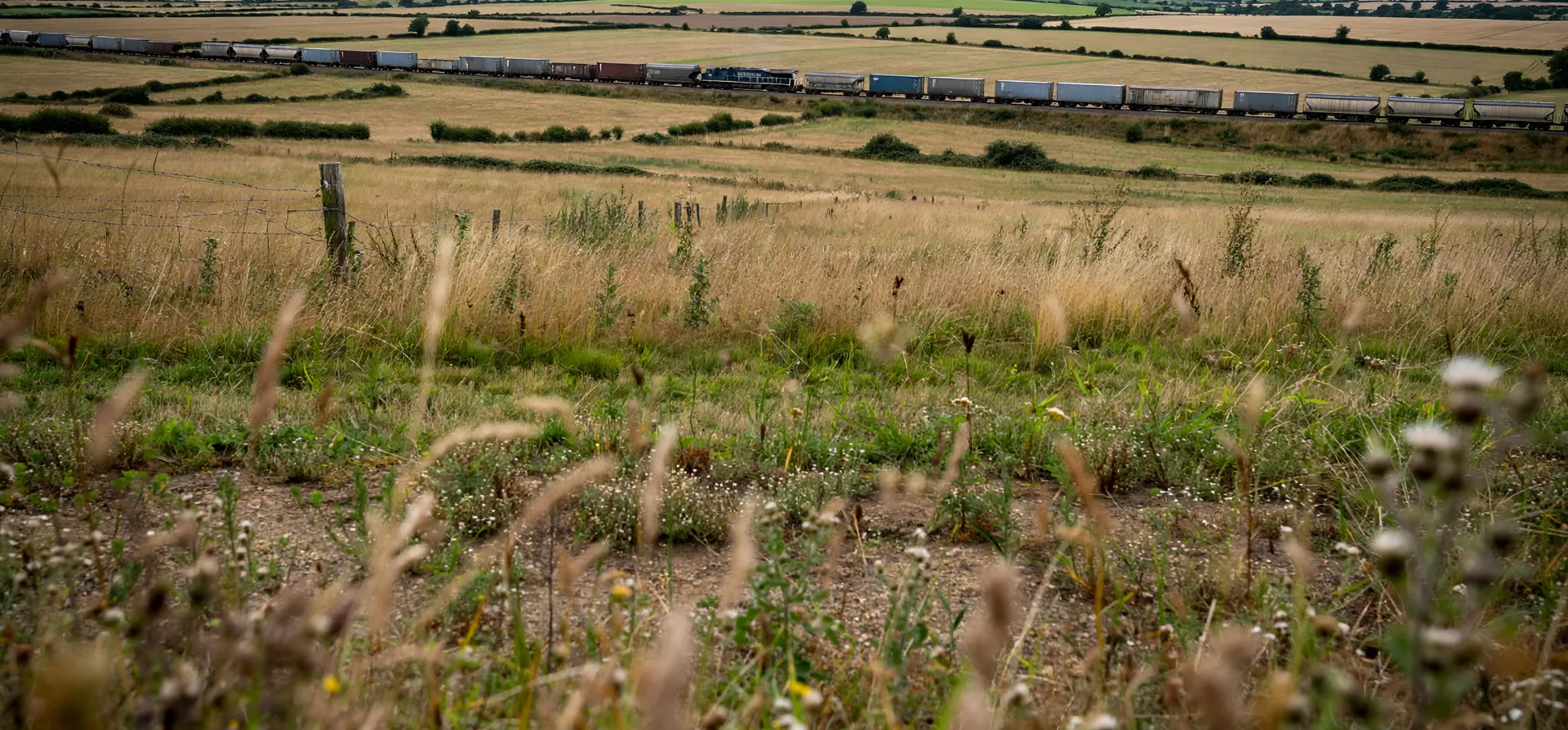
Today, BNSF Railway is one of the largest freight railroad networks in North America, operating thousands of route miles across the western and central United States. Its trains carry agricultural products, consumer goods, industrial materials, energy products, and intermodal containers, which are standard shipping containers moved between trains, trucks, and ships. The railway’s scale, its investment in track, locomotives, and technology, and its role in supply chains make it a frequent subject of business and transport reporting. Readers interested in railroads can follow BNSF through its own public information, industry publications, and regulatory filings made as part of its parent group.
How a Private Subsidiary Reports Results
As a private subsidiary, BNSF reports financial and operating information through its parent’s disclosures rather than through its own listed share price. Berkshire Hathaway’s annual reports and regulatory filings include discussion of BNSF’s performance within the group, alongside the group’s other businesses. Students of business often use those reports to learn how a large operating subsidiary is described, how capital investment in railroads is discussed, and how a holding company presents diverse businesses together. That approach teaches more about the railway than a single price quotation ever could, because it places operations, investment, and results in context.
It is also worth noting that railroad investing in general involves a small number of large listed freight carriers in North America, alongside many related businesses in transport, logistics, and equipment. Each listed carrier has its own network, markets, and history, and their results differ for reasons that include geography, commodity mix, and operating efficiency. General education about the sector therefore benefits from comparing business models and networks, rather than focusing on a single historical name. Readers should treat any list that presents burlington railroad stock as a current buyable ticker with caution, and should verify the listing status through an exchange or a reputable market data source before drawing any conclusion.
How to Research Burlington Railroad Stock Safely
Safe research begins with checking listing status. A reputable exchange directory, a market data provider, or a company’s own investor information will show whether a security is listed and under what name. If no listing can be found for a historical name, that absence is itself informative, and it should prompt a search for the successor company and its parent. Next, readers can look for the parent group’s filings and annual letters, which explain the subsidiary’s role in plain language. Finally, industry sources such as railroad associations, transport journals, and regulatory bodies provide operating context without making investment claims.
Common Traps in Railroad Stock Research
Readers should also be alert to common traps. Old stock certificates are collectible historical documents, not live claims on a current company, unless a successor arrangement says otherwise, and their value as collectibles differs from any former share value. Unofficial price pages may repeat stale or mislabelled data, and social media posts may use a famous railroad name to attract attention to unrelated securities. A careful reader checks the date, the exact company name, and the source before repeating any figure. When in doubt, the absence of a current listing for burlington railroad stock is the safer and more accurate conclusion.
| Era | Company name | Listing position in general terms |
|---|---|---|
| Nineteenth to twentieth century | Chicago, Burlington and Quincy Railroad | Historic predecessor carrier |
| 1970 onward | Burlington Northern Railroad | Formed by merger of historic carriers |
| Mid-1990s to 2010 | Burlington Northern Santa Fe Corporation | Publicly traded in that era |
| 2010 to present | BNSF under Berkshire Hathaway | Wholly owned subsidiary, not separately listed |
For broader market education, readers may find a guide to long-run stock market returns useful, because it explains how historical averages are calculated and why they do not predict future results, and a guide to how listed company shares are described useful for contrasting a listed company with a private subsidiary. Both are general education, and neither is a recommendation about any particular security.
Burlington Railroad Stock: Frequently Asked Questions
Can an ordinary investor buy burlington railroad stock today? Not as a separate BNSF listing, because BNSF is wholly owned within Berkshire Hathaway and is not separately listed. Does that mean BNSF is small or unimportant? No, it remains one of North America’s largest freight railways, and size and listing status are different things. A private subsidiary can be enormous, just as a small listed company can be modest in scale.
Why do some websites still show a price for a Burlington name? Usually because the page reflects historical data from the era when Burlington Northern Santa Fe Corporation was listed, or because it mislabels another security. Readers should check the date and the exact security name, and should not treat an undated figure as a current price. What is the safest summary for a newcomer? Burlington is a historic railroad name, BNSF is its major modern successor, and that successor sits inside Berkshire Hathaway rather than trading on its own. That summary is accurate, easy to remember, and avoids the most common misunderstanding.
Conclusion
In conclusion, burlington railroad stock is best understood as a historical search phrase rather than a current trading opportunity. The Burlington name carries a rich railroad heritage, from the Chicago, Burlington and Quincy through Burlington Northern to the modern BNSF Railway, and that heritage now continues inside Berkshire Hathaway as a wholly owned subsidiary without its own separate listing. Readers who keep that structure in mind will interpret old charts, certificates, and price pages correctly, and will be well placed to learn more about railroads, holding companies, and markets in general terms. This article is education only and offers no investment advice and no current price.