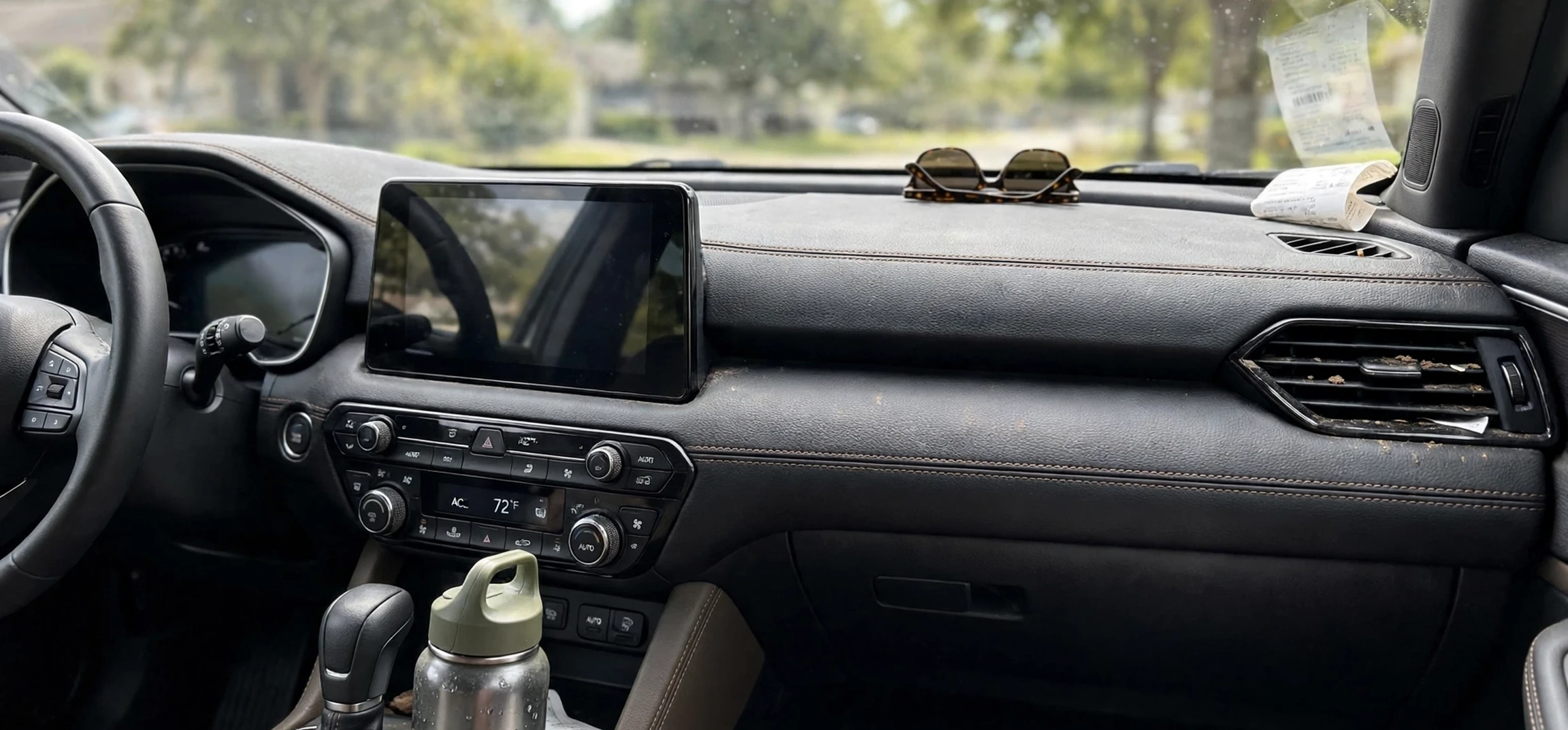
If you have recently noticed a small green leaf or the letters ECO glowing on your dashboard, you have probably asked yourself: what does eco on my car mean? In plain language, ECO is short for economy, and it marks a driving mode designed to help your car use fuel more efficiently. When ECO mode is switched on, your car changes the way it responds to your inputs, usually by softening acceleration, adjusting the air conditioning, and encouraging gentler gear changes. The goal is simple: to squeeze more distance out of every tank of fuel and to reduce the strain on the engine during everyday driving. It does not mean your car has suddenly become a different vehicle, and it does not mean something is wrong. It is simply a setting, much like a sport mode or a comfort mode, that prioritises efficiency over sharp performance.
The reason so many drivers search for what does eco on my car mean is that the ECO indicator can appear in different ways. On some cars, it is a button you press. On others, it is a light that comes on automatically when you are driving gently. On still others, it is a full drive mode you select with a dial or a switch near the gear lever. Because car makers do not all use the same system, the exact behaviour varies from one model to another. This guide explains the general idea behind ECO mode, what it usually changes, when it helps, when it does not, and how to use it wisely. It is a general explainer only, and it makes no claims about any particular brand or model, because those details always depend on the individual car and its own manual.
Answering “what does eco on my car mean” in Plain Language
At its core, ECO mode is an efficiency setting. When it is active, the car is told to favour saving fuel over delivering the fastest possible response. The most noticeable change is usually in the accelerator pedal. In normal driving, a small press of the pedal can produce a brisk surge of power. In ECO mode, that same press typically produces a gentler, more gradual response. This does not remove power from the car, but it spreads the power out more smoothly, which discourages the sharp bursts of acceleration that use the most fuel. For many drivers, this change feels like the car has become calmer and less eager, and that calm feeling is exactly the point.
Another common change involves the transmission. An automatic gearbox in ECO mode will often shift up to a higher gear earlier than it otherwise would, keeping the engine speed lower. Lower engine speed during steady cruising generally means lower fuel use, so this is one of the easiest efficiency gains a car maker can build in. In cars with a continuously variable transmission, the system may hold a more economical ratio for longer. If you would like a deeper explanation of how that kind of gearbox works, our guide to continuously variable transmission meaning is a useful companion read.
The air conditioning and heating system may also be adjusted. Climate control is one of the bigger drains on fuel, especially in very hot or very cold weather, so ECO mode often reduces the power of the fan or the compressor slightly. You may notice the cabin takes a little longer to reach your chosen temperature, or that the air feels a touch less forceful. This is normal and is part of the trade-off: a small loss of comfort in exchange for a small saving in fuel. Most drivers barely notice it in mild weather, but it can be more obvious on extreme days.
How the ECO Light and Button Work
It helps to separate two things that are often confused: the ECO indicator light and the ECO drive mode. The indicator light, sometimes shown as a green leaf or the word ECO, may simply be telling you that you are currently driving in an economical way. In this case, the light turns on when your speed is steady, your acceleration is gentle, and your braking is smooth, and it turns off when you accelerate hard. It is a coaching aid, a quiet pat on the back for efficient driving, and it does not by itself change how the car behaves.
The ECO drive mode, by contrast, is a setting you choose, and it actively changes the car. You may switch it on with a button marked ECO, or by turning a drive-mode selector to ECO. Once it is on, it stays on until you switch it off or choose another mode, although some cars reset to a default mode each time the engine is started. If you are unsure which kind your car has, your owner’s manual is the best place to check, because the same dashboard symbol can mean different things on different cars. A quick look at the manual will also tell you whether ECO mode affects anything else, such as the steering feel or the cruise control behaviour.
There is no need to worry if the ECO light flickers on and off during a journey. That usually just reflects your driving in that moment. Gentle driving brings it on, and a sharp burst of acceleration to join a fast road switches it off again. Think of it less as a warning and more as a live report card. It is not a fault light, and it does not mean your car needs attention. Genuine warning lights are usually amber or red and are accompanied by a message, whereas an ECO indicator is normally green, which is the colour car makers use for information rather than alarm.
What ECO Mode Usually Changes
Although the details differ, most ECO systems touch the same three areas: throttle response, gear selection, and climate control. Throttle response is softened, so the car accelerates more gradually. Gear selection is biased towards higher gears and lower engine speeds. Climate control is trimmed slightly to reduce its energy demand. Some systems also adjust cruise control so that it allows small speed variations on hills rather than working hard to hold an exact speed, which can save fuel on rolling roads. A few cars also reduce the power of heated seats or other accessories in ECO mode, but this is less common.
What ECO mode does not usually do is just as important to understand. It does not change the size of your engine, it does not add fuel to the tank, and it does not guarantee a particular saving. The benefit depends heavily on how and where you drive. In slow city traffic with frequent stops, the savings may be modest, because the car spends much of its time idling or crawling. On a steady, moderate-speed journey with gentle inputs, the savings tend to be more noticeable. On a fast motorway run, ECO mode makes less difference, because the car is already cruising efficiently and the main factor is speed itself.
It is also worth noting that ECO mode cannot overcome physics. A heavy car carrying a full load, driving into a strong headwind, or climbing steep hills will still use more fuel, whatever mode is selected. Tyre pressure, roof boxes, and even open windows at speed all affect fuel use too. ECO mode is best seen as one tool among many, rather than a magic switch. Used together with smooth driving, sensible speeds, and regular maintenance, it can contribute to a real improvement over time.
Does ECO Mode Make Your Car Slower?
This is the question most drivers ask after their first drive in ECO mode, and the honest answer is that it can feel slower, even though the car still has its full power available. The difference is in how quickly that power arrives. A firm press of the accelerator will still produce strong acceleration when you need it, for example to overtake or to join a busy road, but a light press will feel more relaxed than before. Most drivers adjust to this within a few journeys and stop noticing it, especially in town driving where sharp acceleration is rarely needed anyway.
If you find ECO mode frustrating, there is no rule that says you must use it all the time. Many drivers switch it on for the daily commute and switch it off for a long motorway journey or a hilly route where they want a more responsive feel. Others leave it on permanently and enjoy the calmer drive. Neither choice is wrong. The mode is there to serve your driving, not to dictate it, so experiment for a week or two and see which pattern suits you best.
When ECO Mode Helps Most
ECO mode tends to help most in everyday, predictable driving. The daily commute, the school run, and the regular trip to the shops are ideal, because they involve moderate speeds, frequent gentle stops, and plenty of opportunities for smooth driving to pay off. In these conditions, the softened throttle helps to iron out the small surges that waste fuel, and the earlier gear changes keep the engine ticking over at a lower speed. Over weeks and months, those small savings add up, and many drivers notice they visit the filling station slightly less often.
It is also useful in stop-start traffic, where gentle responses make the car easier to control and reduce the jerky surging that can happen when a sensitive throttle meets a crawling queue. Some drivers even find ECO mode makes slow traffic less tiring, because the car feels less jumpy. On the other hand, ECO mode is less useful when you need maximum responsiveness, such as towing, driving on steep gradients, or merging into fast-moving traffic from a short slip road. In those moments, switching to a normal or sport mode is the sensible choice, and safety should always come before saving fuel.
| Situation | ECO mode likely effect | Tip |
|---|---|---|
| City commute | Helpful; smoother throttle and earlier shifts | Leave it on and drive gently |
| Steady moderate-speed road | Helpful; low engine speed pays off | Pair it with cruise control if fitted |
| Fast motorway cruising | Small effect; speed matters more | Focus on a steady speed instead |
| Steep hills or towing | May feel sluggish | Switch to normal mode for control |
| Short slip-road merges | May feel less responsive | Switch off briefly if you need brisk acceleration |
Common Myths About “what does eco on my car mean”
One persistent myth is that ECO mode damages the engine or the gearbox. There is no general basis for this fear. ECO mode works within the normal operating limits of the car, and car makers design it to be used for everyday driving. It does not starve the engine of oil or force the gearbox to do anything harmful. If your car feels rough, hesitant, or noisy in ECO mode in a way that seems new or unusual, that is worth having checked, but the cause would be a fault, not the mode itself.
Another myth is that ECO mode will halve your fuel bill. That is far too optimistic. Real savings are usually modest, and they vary with driving style, route, weather, and the car itself. A driver who already drives smoothly may see only a small change, while a driver with a heavy right foot may see a bigger one, simply because ECO mode reins in the habits that waste the most fuel. Treat any claim of a dramatic saving with caution, and judge ECO mode by your own fuel records over several tanks, not by a single journey.
A third myth is that you should never switch ECO mode off. In reality, the best mode is the one that suits the road in front of you. Driving safely and confidently matters more than any small fuel saving, and there are times when a more responsive car is the right tool. Car makers provide multiple modes precisely because no single setting suits every situation, so use the choice you have been given.
ECO Mode and Other Car Terms
Drivers who are exploring their car often meet other dashboard terms at the same time, and it is easy to mix them up. Sport mode does the opposite of ECO mode, sharpening throttle response and holding lower gears for longer. Normal or comfort mode sits in the middle, balancing response and efficiency. Some cars also have snow, mud, or sand modes, which adjust traction rather than fuel use. If you enjoy learning what the badges and labels on your car mean, you may also like our guide to car emblems and names, which explains the symbols and names car makers use.
Insurance and finance terms can be just as confusing as drive modes, and they matter when you are budgeting for a car. If you have ever wondered about the excess you pay on a claim, our explainer on what a deductible means in car insurance breaks that down in plain language too.
Frequently Asked Questions About “what does eco on my car mean”
Should I leave ECO mode on all the time?
You can, and many drivers do, but you do not have to. Leave it on for everyday driving and switch it off when you want a more responsive feel, such as on steep hills, when towing, or when merging into fast traffic. The choice is yours, and neither setting harms the car.
Is the ECO light a warning light?
No. In most cars, a green ECO light is information, not a warning. It either shows that ECO mode is active or that you are currently driving economically. Amber or red lights, especially those with a message, are the ones that call for attention.
How much fuel does ECO mode save?
It varies a great deal by car, route, and driving style, and no single figure applies to every vehicle. Savings are usually modest rather than dramatic. The fairest test is to compare your own fuel use over several tanks with the mode on and off, keeping your routes similar.
Does ECO mode help on the motorway?
Only a little. At a steady high speed, the dominant factor is speed itself, along with wind and load. ECO mode may still soften the throttle and trim climate control slightly, but a steady speed and correct tyre pressures matter more on a long fast journey.
Conclusion
So, what does eco on my car mean? It means your car has an economy setting that trades a little sharpness for a little efficiency, softening the throttle, shifting earlier, and trimming climate control to help you use less fuel. It is not a fault, it is not a magic fix, and it is not compulsory. Used thoughtfully, alongside smooth driving and regular maintenance, it can make everyday journeys a little cheaper and a little calmer. The best way to understand it is to try it for a few weeks, watch your own fuel use, and decide when it suits you and when a different mode serves you better. That personal test, more than any dashboard symbol, will tell you what ECO mode is worth in your car.



