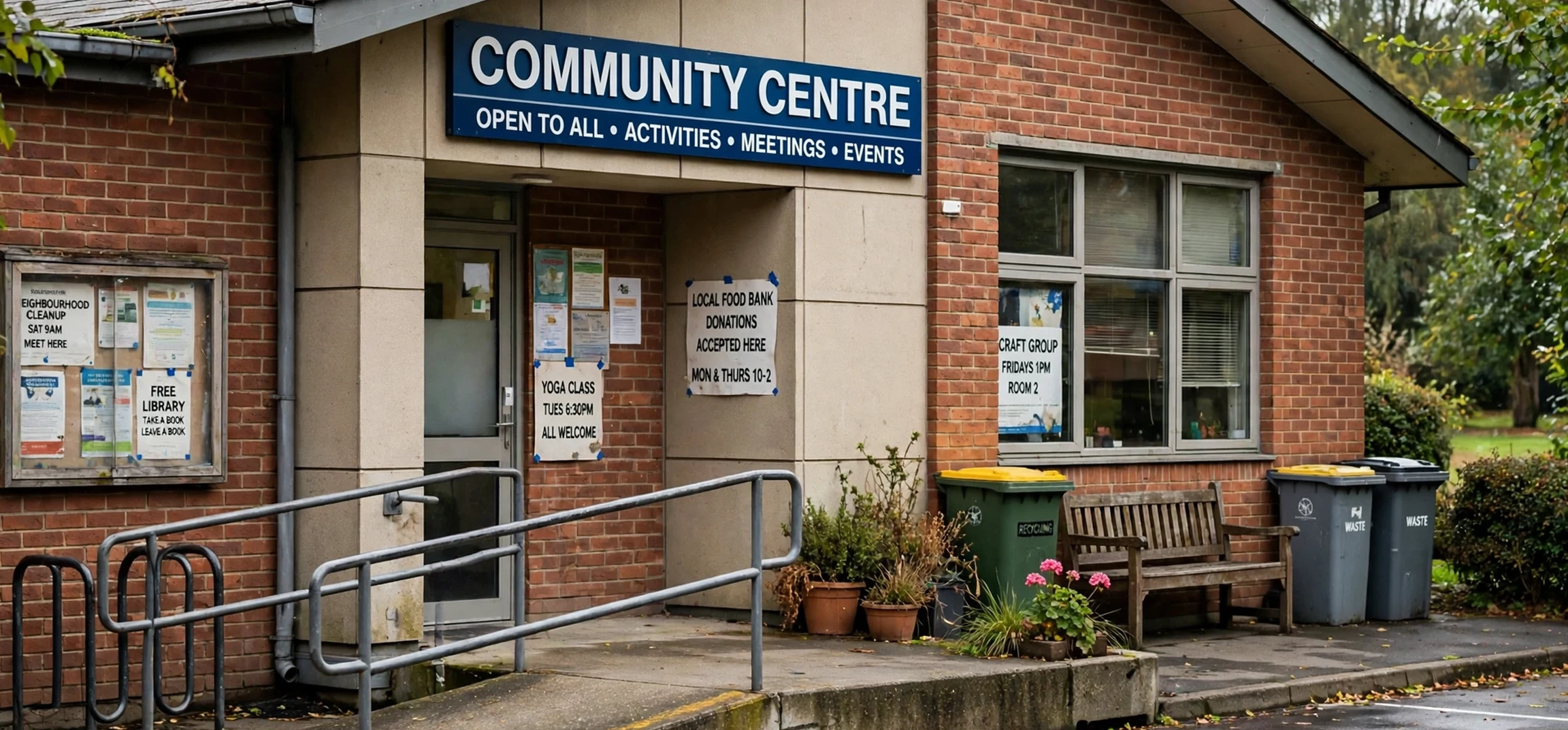
When people search the phrase define public outreach, they are usually looking for a clear, practical explanation of what public outreach means and how it works in real life. To define public outreach in simple terms, public outreach is the planned effort by an organisation, agency, charity, school, or business to inform, involve, and build a relationship with the public. It is not just advertising, and it is not just a single announcement. Public outreach is an ongoing conversation between an organisation and the people it serves, affects, or hopes to reach. If you want to define public outreach fully, you need to look at its purpose, its methods, its audiences, and the results it is expected to produce.
Public outreach matters because decisions made behind closed doors often fail when the public first hears about them at the last minute. A council planning a new road, a charity launching a health campaign, a school changing its admissions policy, or a company opening a new site all benefit when people understand what is happening, why it is happening, and how they can have a say. Good outreach builds trust, reduces rumours, and helps organisations spot problems early. Poor outreach, by contrast, creates confusion, resistance, and wasted effort. That is why so many guides that define public outreach stress two-way communication rather than one-way announcements.
Define Public Outreach: The Core Meaning
To define public outreach precisely, think of it as a structured process with three parts: sharing information, listening to feedback, and acting on what is learned. Sharing information means explaining a plan, a service, a change, or an opportunity in plain language that ordinary people can understand. Listening means creating real ways for people to respond, whether through meetings, surveys, comment forms, phone lines, social media, or face-to-face conversations. Acting on feedback means showing that public input changed something, or explaining honestly why it did not. Without that third step, outreach feels like a box-ticking exercise and people stop taking part.
Another way to define public outreach is to contrast it with related ideas. Public relations often focuses on reputation and media coverage. Marketing focuses on selling a product or service. Public outreach overlaps with both, but its centre of gravity is different: it is about participation and public benefit. A marketing campaign wants a purchase. An outreach campaign wants understanding, involvement, or behaviour change that serves a wider community goal, such as safer streets, better health, cleaner neighbourhoods, or stronger local services. That distinction helps anyone who needs to define public outreach for a report, an exam, or a workplace plan.
What Public Outreach Is Not
Public outreach is not a press release sent once and forgotten. It is not a social media post with comments switched off. It is not a consultation that asks people for views after the decision is already fixed. It is also not the same as community outreach in every case, although the two terms are often used together. Community outreach usually targets a specific local community, while public outreach can cover a whole city, region, or country. Both share the same core idea: reach people where they are, in language they understand, and give them a genuine route to respond.
Define Public Outreach Through Everyday Examples
The easiest way to define public outreach is through examples. A local health service running free workshops on healthy eating, with leaflets in several languages and staff available to answer questions, is doing public outreach. A transport authority holding open evenings about a new bus route, displaying maps, and inviting residents to mark problem stops is doing public outreach. A charity visiting schools to talk about recycling, a library running digital skills sessions for older residents, and a council sending clear letters about bin collection changes are all outreach in action. In each case, the organisation goes to the public rather than waiting for the public to come to it.
Businesses also use public outreach, often without using the term. A company that holds a public meeting before building a new store, publishes a plain-language summary of its plans, and answers questions from neighbours is practising outreach. A utility company that explains planned roadworks in advance, gives a realistic timetable, and provides a contact route for complaints is doing the same. The test is simple: did people learn something useful, did they have a chance to respond, and did the organisation listen? If the answer is yes, the activity fits any serious effort to define public outreach.
Outreach in Government and Charities
Government outreach often has a legal or democratic duty behind it. Planning applications, policy changes, and public spending decisions may require consultation by law. Charities, meanwhile, use outreach to find the people who need their services, recruit volunteers, and raise awareness of an issue. Both sectors face the same challenge: reaching people who do not read official notices, do not attend meetings, and may distrust institutions. That is why effective outreach uses trusted local partners, community venues, translated materials, and accessible formats, rather than relying on a single channel.
Define Public Outreach by Its Goals
When you define public outreach by its goals, five aims appear again and again. The first is awareness: making sure people know a service, risk, opportunity, or change exists. The second is understanding: explaining the reasons and the evidence behind a decision in plain language. The third is involvement: giving people a meaningful chance to shape plans before they are final. The fourth is behaviour change: encouraging actions such as recycling, vaccination, energy saving, or safe driving. The fifth is trust: building a long-term relationship so that the next conversation starts from goodwill rather than suspicion.
Different campaigns weight these goals differently. An emergency campaign may focus almost entirely on awareness and behaviour change, with speed mattering more than long discussion. A long-term planning project may focus on involvement and trust, with months of meetings and feedback rounds. A good outreach plan states its goals openly, so success can be judged. If the goal was awareness, did the target audience actually hear the message? If the goal was involvement, did a diverse range of people take part, or only the usual voices? Clear goals stop outreach from drifting into vague activity.
Define Public Outreach: Methods and Channels
To define public outreach in practical terms, list the methods organisations actually use. Public meetings and drop-in sessions allow face-to-face questions. Surveys and questionnaires, online or on paper, gather views at scale. Focus groups give deeper insight from a small group. Leaflets, posters, and letters reach people who are not online. Social media, videos, and websites reach large audiences quickly and allow sharing. Partnerships with schools, faith groups, sports clubs, and local charities carry messages through trusted voices. Each method has strengths and limits, and strong campaigns combine several rather than betting everything on one channel.
Accessibility decides whether outreach is real or symbolic. Materials should use plain language, avoid jargon, and be available in the languages and formats the audience needs. Meeting times should suit working people, parents, and carers, not only daytime officials. Venues should be step-free and easy to reach by public transport. Online forms should work on a phone, not only on a desktop computer. An outreach plan that only reaches confident, connected, online residents has missed the people who often need the service most. For more on the duties people owe to their wider community, see this guide to civic duty and community responsibility.
Choosing the Right Channel
Channel choice should follow the audience, not the organisation’s habits. Young parents may respond best to school-gate conversations and short videos. Older residents may prefer letters and local radio. Small business owners may need briefings at a time that does not clash with trading hours. Rural communities may need travelling sessions rather than a single city-centre event. Before choosing channels, good outreach teams ask who is affected, who is hardest to reach, and where those people already get trusted information. That research step is often skipped, and its absence shows in low turnout and narrow feedback.
Define Public Outreach: How to Plan a Campaign
A workable outreach plan follows a clear sequence. First, define the audience and the decision at stake. Second, set measurable goals, such as reaching a certain share of households or gathering feedback from a representative mix of ages and areas. Third, choose messages that answer the questions people actually ask: what is changing, why, when, what will it cost, and how can I respond? Fourth, pick channels and a timetable that give people time to react, not a single evening with two days’ notice. Fifth, collect feedback carefully and report back on what changed. Finally, evaluate honestly, including who was missed, and publish the findings where participants can see them.
Budgets and staffing matter as much as good intentions. Outreach needs people who can explain complex topics simply, listen without becoming defensive, and record feedback accurately. It also needs time: rushed outreach feels dismissive, however polished the leaflets look. Organisations that treat outreach as an afterthought, added at the end of a project, usually get the weakest response. Organisations that build it into the project from the start, with a named lead and a real budget, get better plans and fewer surprises later. If you are writing a plan, stating that sequence is a strong way to define public outreach for colleagues who need to approve it.
| Outreach method | Best for | Watch out for |
|---|---|---|
| Public meeting | Detailed questions and visible discussion | Only confident speakers tend to attend |
| Survey | Views at scale from many people | Low response rates and leading questions |
| Drop-in session | One-to-one chats and map-based feedback | Needs good publicity or few people come |
| Leaflet or letter | Reaching households without internet access | Easy to ignore if the headline is unclear |
| Social media and video | Fast, wide reach and easy sharing | Comments can become heated and unrepresentative |
| Community partnership | Trusted routes into hard-to-reach groups | Partners need time, respect, and real input |
Define Public Outreach Success: How to Measure It
Measuring outreach means looking beyond attendance counts. A meeting with two hundred people is not a success if they all came from one street and one age group. Better measures include reach across the affected area, diversity of participants, quality of feedback, and evidence that feedback influenced the outcome. Surveys can track awareness before and after a campaign. Website and leaflet data can show which messages were read. Follow-up research can test whether behaviour changed, such as higher recycling rates or more people using a new service. Honest evaluation also records failures, because a campaign that admits who it missed can fix the gap next time.
Reporting back is the step that turns a one-off exercise into lasting trust. A short, plain-language summary that says what people said, what changed, and what did not change, with reasons, should go back to everyone who took part. That closing loop is what separates genuine outreach from a consultation that disappears into a filing cabinet. Organisations that close the loop find that the next campaign starts with more goodwill and higher participation. Organisations that do not close it find that each campaign gets harder, because people learn that taking part changes nothing.
Frequently Asked Questions About Public Outreach
What is the simplest way to define public outreach?
The simplest way to define public outreach is this: it is planned, two-way communication between an organisation and the public, designed to inform people, listen to them, and let their views shape decisions or behaviour. It combines clear information with genuine opportunities to respond.
Is public outreach the same as advertising?
No. Advertising aims mainly to persuade people to buy or choose something. Public outreach aims to inform, involve, and build understanding around a public issue, service, or decision. It may use advertising channels, but its success is judged by participation and trust, not only by sales or clicks.
Who carries out public outreach?
Governments, councils, health services, schools, charities, and businesses all carry out outreach. The audience and the legal duties differ, but the core practice is the same: go to the public, explain clearly, listen carefully, and report back honestly.
Why does public outreach sometimes fail?
Common causes include starting too late, using jargon, choosing one channel that misses key groups, asking for views after decisions are fixed, and never reporting back. Each of these breaks trust and teaches people not to take part next time.
Conclusion
To define public outreach in one final sentence: it is the deliberate work of informing the public, listening to the public, and letting that listening shape what happens next. Done well, it produces better decisions, fairer services, and stronger trust between organisations and the people they serve. Done badly, it wastes time and deepens cynicism. The difference lies in timing, plain language, accessible channels, diverse reach, and an honest closing loop. Any organisation that plans those five elements from the start is already practising public outreach in the fullest sense, and any reader who can explain them can confidently define public outreach for an exam, a report, or a workplace plan. For a related look at how ideas are framed and argued in public life, see this explainer on ethos, logos, and pathos.