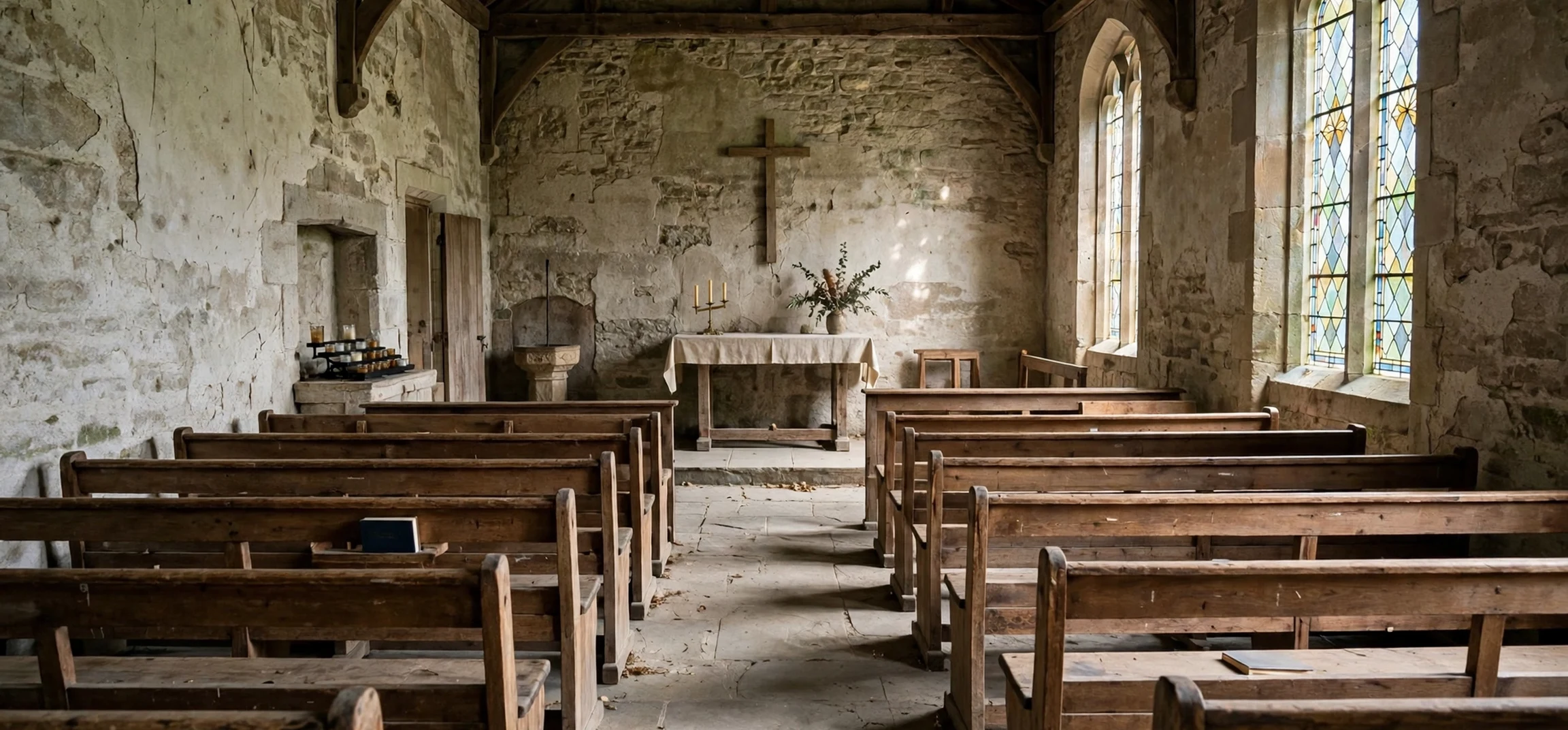
For Catholics, confession is one of the most personal and sometimes most misunderstood practices of the faith. The catholic confession rite, formally called the Sacrament of Penance and Reconciliation, is the ritual through which Catholics confess sins to a priest, receive counsel and a penance, and hear words of absolution — the assurance of God’s forgiveness. This guide explains the rite respectfully and factually: its meaning in Catholic teaching, its history, the steps of the ritual itself, and practical guidance for anyone preparing for confession, whether after many years or for the first time.
The Catholic Confession Rite: Meaning and Purpose
In Catholic teaching, the catholic confession rite rests on the belief that Jesus gave the apostles authority to forgive sins, a commission Catholics trace to the Gospel of John, where the risen Jesus breathes on the disciples and says, “Receive the Holy Spirit. If you forgive the sins of any, they are forgiven.” The sacrament is therefore understood not as a human invention but as a channel of divine forgiveness, with the priest acting in the person of Christ. Catholics distinguish between venial sins (lesser faults) and mortal sins (grave matters committed with full knowledge and consent), and Church teaching asks the faithful to confess mortal sins before receiving Holy Communion, while encouraging regular confession of venial sins as spiritual discipline.
The rite serves several purposes at once. It offers forgiveness and reconciliation with God and with the Church community. It provides moral counsel: the priest may offer guidance for avoiding future sins and growing in virtue. It imposes a penance — typically prayers or acts of charity — as a concrete step of amendment. And for many Catholics, it brings psychological relief: speaking faults aloud to another person, in confidence, and hearing absolution pronounced can lift burdens that private prayer alone does not always remove. The seal of confession, the absolute confidentiality binding the priest, is central to this trust: a priest who revealed anything heard in confession would face the Church’s severest penalties.
The Catholic Confession Rite: A Brief History
Confession has changed form over two thousand years while keeping its core. In the early Church, public penance for grave sins could be a once-in-a-lifetime, lengthy process. By the early Middle Ages, Irish and Celtic monks spread the practice of private, repeatable confession, which gradually became the norm across Western Christianity. The Fourth Lateran Council in 1215 required Catholics to confess at least once a year, a rule that remains in canon law today as the Easter duty. The Council of Trent in the sixteenth century defined the sacrament’s theology against Reformation criticism, affirming its divine institution and its three parts: contrition, confession, and satisfaction.
The Second Vatican Council (1962–1965) reformed the rite’s language and emphasis, in a period covered by many historical and cultural explainers and emphasis, restoring the name “Reconciliation” alongside “Penance” to stress the restoration of relationship, and approving communal celebrations with individual confession. The current Rite of Penance, promulgated in 1973, offers three forms: individual confession (the normal form), communal celebration with individual confession, and, in rare emergencies, general absolution without individual confession. Most Catholics encounter the first form, and it is the focus of this guide.
The seal of confession
The seal of confession is absolute in Catholic canon law: a priest may not reveal, directly or indirectly, anything learned in confession, even to save a life or under legal compulsion, and violation incurs automatic excommunication. This uncompromising rule is why penitents can speak freely, and it is defended by the Church as essential to the sacrament. It has occasionally created tension with civil law, particularly around mandatory reporting, but the Church has consistently maintained the seal without exception.
The Steps of the Rite, Explained
The individual rite follows a clear, repeatable pattern that is worth knowing in advance, since unfamiliarity is the main source of anxiety for returning penitents. First comes preparation: an examination of conscience, a prayerful review of one’s actions against the Ten Commandments, the Beatitudes, or a printed guide. Many parishes provide examination pamphlets, and there is no expectation of memorising a list — honesty matters more than completeness of recall.
Second, the penitent enters the confessional or reconciliation room — traditionally a screened booth preserving anonymity, though many modern churches offer a face-to-face option — and begins with the sign of the cross and a greeting, often “Bless me, Father, for I have sinned. It has been [time period] since my last confession.” Third comes the confession itself: the penitent names sins plainly and briefly, by kind and, for mortal sins, by number or frequency, without unnecessary detail or naming others. Fourth, the priest offers counsel, assigns a penance, and invites an act of contrition — a prayer expressing sorrow and resolve, such as the traditional “O my God, I am heartily sorry for having offended Thee…” or a contemporary form. Fifth, the priest extends his hands and pronounces absolution: “God, the Father of mercies, through the death and resurrection of his Son, has reconciled the world to himself… I absolve you from your sins in the name of the Father, and of the Son, and of the Holy Spirit.” The penitent answers “Amen”, and the priest dismisses them with words of peace. Finally, the penitent completes the penance, usually promptly, often in the church itself.
Preparing for Confession: Practical Guidance
Preparation is mostly interior, but a few practical points help. Choose a time when you will not feel rushed — many parishes offer confession on Saturdays or by appointment, and priests are generally glad to accommodate someone returning after a long absence. If you are nervous, it is perfectly acceptable to say so at the start; priests hear this often and respond with patience. You may bring a written list or a prayer card, and you may confess anonymously behind the screen if that feels easier. There is no penalty for forgetting something: forgotten sins are forgiven in the absolution, and can be mentioned next time if remembered.
For parents preparing children, first confession usually takes place around age seven, the traditional age of reason, as part of preparation for first Holy Communion. Catechists emphasise God’s love and forgiveness rather than fear, and the experience is kept simple and encouraging. For adults returning after years away, many parishes run “welcome home” initiatives, particularly during Advent and Lent, the seasons when confession is traditionally emphasised. Whatever the gap, the rite itself does not change, and priests expect and welcome returners.
It is also worth noting what confession is not. It is not counselling or therapy, though it can be therapeutic; priests may suggest professional help for issues beyond their competence. It is not a transaction: penance is not a price paid for forgiveness, which Catholic teaching holds is freely given. And it is not limited to Catholics in every circumstance: Church law provides for members of certain other churches to receive the sacrament in grave necessity, though the normal expectation is that penitents are Catholics in communion with the Church.
| Step | What happens | Penitent’s part |
|---|---|---|
| Preparation | Examination of conscience | Review actions prayerfully |
| Greeting | Sign of the cross, introduction | State time since last confession |
| Confession | Sins named plainly | Kind and number, briefly |
| Counsel and penance | Advice and a penance assigned | Listen, accept penance |
| Contrition | Act of contrition prayed | Express sorrow and resolve |
| Absolution | Priest pronounces forgiveness | Answer “Amen” |
| Dismissal | Words of peace | Complete penance promptly |
Frequently Asked Questions About Catholic Confession
How often should Catholics go to confession?
Church law requires at least once a year, and before Communion if conscious of mortal sin. Many Catholics go monthly or seasonally, especially in Advent and Lent.
Is confession really confidential?
Yes, absolutely. The seal of confession binds the priest under pain of excommunication, with no exceptions.
Can I confess anonymously?
Yes. The traditional screened confessional preserves anonymity, and most churches still offer it alongside face-to-face options.
What if I forget a sin?
Forgotten sins are forgiven in absolution. Mention them next time if you remember them.
Confession in Community and Seasonal Life
Confession is often imagined as a private act, but it also has a communal dimension in Catholic life. Parishes hold communal penance services, especially during Advent and Lent, where the community gathers for scripture, reflection, and hymns, followed by individual confession with several priests available. These services emphasise that sin affects the whole community and that reconciliation restores communion, not just individual peace. They are also welcoming occasions for returning Catholics, since the shared setting reduces the feeling of being singled out, and priests at such services expect penitents who may be nervous or out of practice.
Seasonal rhythms reinforce the practice. Lent, the forty days before Easter, is traditionally a time of repentance, fasting, and almsgiving, and confession is a natural part of that preparation for Easter. Advent, before Christmas, carries a similar though quieter emphasis. Many Catholics also associate confession with life milestones — before marriage, before confirmation of a child, after a serious illness, or at the start of a new chapter — using the sacrament as a way to mark turning points with honesty and grace. In all these settings, the rite remains the same, but its meaning deepens through repetition across a lifetime of faith.
Conclusion
The catholic confession rite is, for Catholics, a meeting point of honesty, mercy, and renewal: a structured, confidential conversation in which sins are named, counsel is given, and forgiveness is pronounced with authority. Whether approached weekly or after decades away, its steps remain the same, its seal remains absolute, and its purpose remains reconciliation — with God, with the Church, and with oneself. For those preparing, the best advice is simple: examine honestly, speak plainly, and trust the rite to do what it has done for centuries. For more respectful guides to faith traditions and their practices, explore the religious and cultural explainers on this site.



