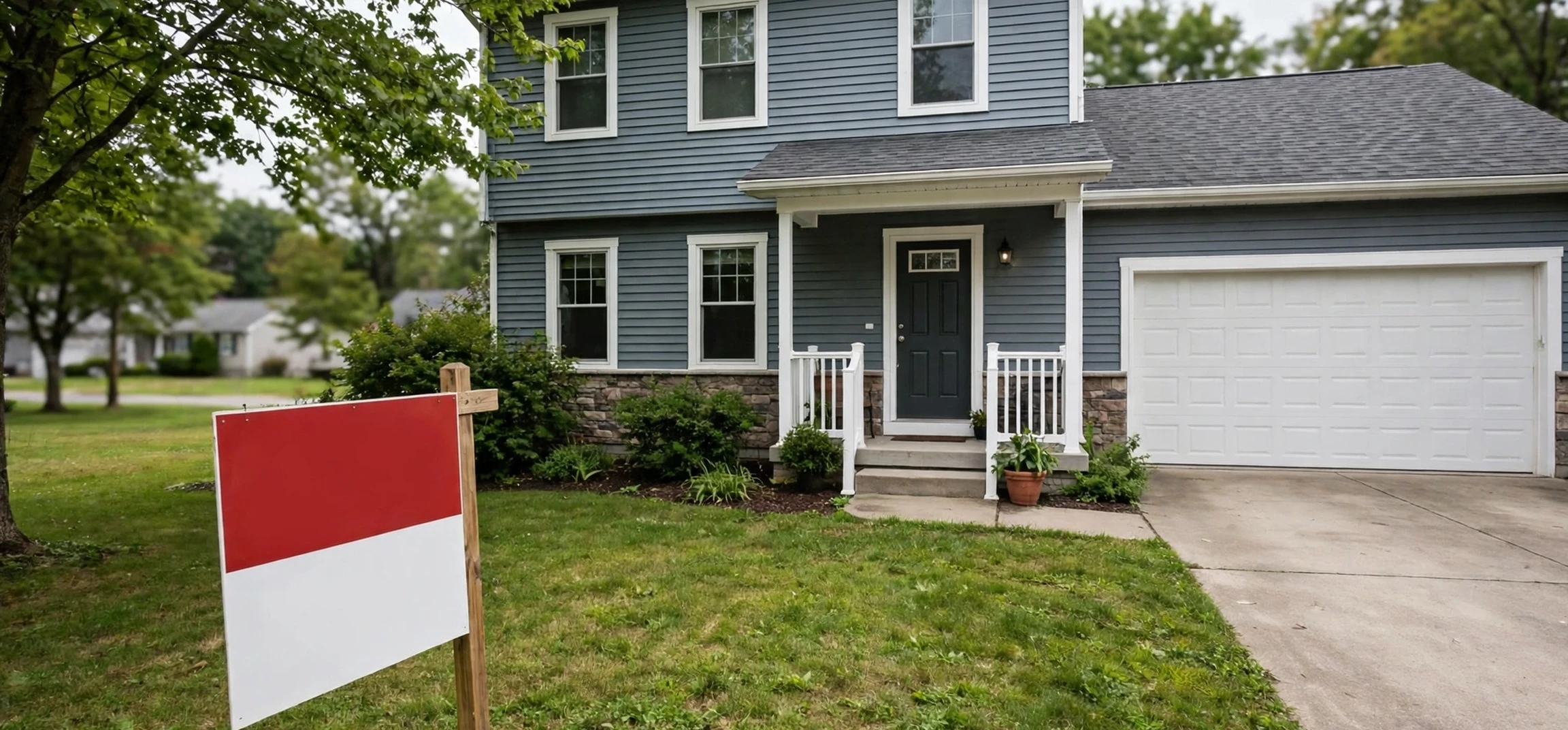
When a house listing changes to contingent, many buyers feel confused, hopeful, and cautious all at once. In simple terms, a contingent listing means the seller has accepted an offer, but the sale is not final yet because one or more agreed conditions still have to be met. You may have arrived here after searching for contingent show meaning, a related search phrase that often leads buyers to this same question about what a contingent status really signals. In this guide, we explain what contingent means on a house, how it differs from pending, what common contingencies involve, and what buyers and sellers should do next when they see this status.
A contingent home is not quite sold, and it is not quite available either. That in-between position is exactly why the label matters. For a seller, contingent means progress without certainty. For a buyer who missed out, it can mean a small window of opportunity if the deal falls through. For a new buyer, it means the home may come back on the market, but counting on that outcome would be a mistake. Understanding the label helps everyone avoid wasted time, false hope, and rushed decisions.
What Contingent Means on a House Listing
A contingent listing means an offer has been accepted, but the contract depends on specific conditions being satisfied before closing. Those conditions are called contingencies, and they protect one or both sides of the deal. Until each contingency is removed or waived, the sale can still fail, and the home can return to active status. Real estate platforms often show this status with a label, a badge, or a colour change, which is why shoppers notice it so quickly.
Think of a contingent sale as a handshake with homework attached. The buyer and seller agree on price and basic terms, but the agreement says the deal only moves forward if certain checks pass. Those checks might involve financing, an appraisal, a home inspection, or the sale of the buyer’s current home. If a check fails and the contract allows it, the buyer may be able to walk away, or the parties may renegotiate the price, repairs, or timeline.
Contingent Is Not the Same as Sold
A sold home has closed, with ownership transferred and funds exchanged. A contingent home has not reached that point. The distinction matters for search results, for backup offers, and for expectations. A buyer should never assume a contingent home is unavailable forever, and a seller should never assume a contingent deal is guaranteed. Both sides need to keep following the contract timeline until closing day.
Contingent Show Meaning: A Related Search Term Explained
The phrase contingent show meaning appears in search results because people often type a short, mixed-up version of their real question. Some mean to ask what contingent means when a listing shows that status. Others are trying to understand why a home still shows up in search results even though an offer was accepted. In both cases, the honest answer is the same: contingent show meaning is best understood as a related search term for the listing status explained in this guide, not as a separate real estate category.
Search engines match words loosely, so a query about a contingent listing can surface pages about showings, pending homes, and active listings together. That mix can be confusing. A contingent home may still be shown to backup buyers in some markets, while in other markets showings stop once an offer is accepted. Local practice, the listing agreement, and the contract terms decide what happens next. When in doubt, the listing agent or the contract itself is the reliable source, not a search snippet.
Why Contingent Show Meaning Appears in House Searches
Another reason contingent show meaning appears so often is that buyers search while they are browsing, not while they are reading a contract. They see a label on a portal, they wonder whether they can still tour the home, and they type the first words that come to mind. That behaviour creates related phrases that look unusual on their own but point to a normal buyer question. The underlying question is practical: can I still see this house, can I still make an offer, and what would have to happen for it to come back?
The answer depends on the type of contingency and on local rules. Some contingent listings accept backup offers, which means a second buyer can step in if the first deal collapses. Others are marked as contingent with no showings, which means tours have paused. A small number are contingent but still actively marketed because the seller wants a stronger backup position. Buyers should ask directly whether backup offers are welcome, rather than guessing from the label alone.
Common Types of Contingencies in a House Sale
Financing contingency is one of the most common. It says the purchase depends on the buyer securing a mortgage on acceptable terms. If financing falls through despite a good-faith effort, the buyer may be able to exit under the contract. Appraisal contingency is closely related: if the home appraises below the agreed price, the buyer may renegotiate, bring extra funds, or walk away, depending on the wording. Both contingencies protect buyers from paying far more than a lender will support.
Inspection contingency gives the buyer time to have the home inspected and to decide whether to proceed, ask for repairs, or negotiate a credit. Sale contingency means the buyer must sell a current home before buying the new one, which adds timing risk for the seller. Title contingency requires a clean title search, so ownership can transfer without unresolved claims. Each contingency has a deadline, and missing a deadline can change a buyer’s rights, so timelines deserve close attention.
Kick-Out Clauses and Backup Offers
Some contracts include a kick-out clause, which lets a seller keep marketing the home and accept a better offer if the first buyer cannot remove a contingency by a set date. The first buyer usually gets a short window to waive the contingency or step aside. Backup offers work in a similar spirit: a second buyer agrees to purchase if the first deal fails. Sellers like backup offers because they reduce the time a home sits idle if a deal collapses. Buyers like them because they keep a chance alive without starting from zero.
Contingent vs Pending vs Active: A Clear Comparison
Active means the home is fully available and the seller is seeking offers. Contingent means an offer is accepted but conditions remain. Pending means the contingencies have mostly been satisfied and the sale is moving toward closing, although it is still not final. Some portals also use labels such as pending with contingencies, contingent with showings, or contingent with no showings. Those extra words matter, because they describe whether tours and backup offers are still possible.
For buyers, the practical difference is simple. An active home invites a fresh offer. A contingent home invites a careful question about backup position. A pending home usually means the window has nearly closed, although deals can still fail late for financing or title reasons. Sellers should understand that moving from active to contingent is progress, but only closing turns progress into a completed sale. Keeping communication open with all parties reduces surprises at each stage.
| Status | What it means | Can a new buyer act |
|---|---|---|
| Active | No accepted offer yet | Yes, make an offer |
| Contingent | Offer accepted, conditions remain | Often, as a backup buyer |
| Pending | Conditions mostly cleared | Rarely, unless the deal fails |
| Sold or closed | Ownership transferred | No, the sale is complete |
What Buyers Should Do When a Home Goes Contingent
If you love a contingent home, do not give up immediately, but do not pause your whole search either. Ask your agent whether backup offers are accepted, what position you would hold, and how long the current contingencies run. Keep touring other homes, keep your financing ready, and keep your documents organised so you can move fast if the first deal fails. A backup offer is a real opportunity, but it should never stop you from finding a home you can buy outright.
If you are the buyer in a contingent deal, protect your timeline. Book inspections promptly, respond to lender requests quickly, and track every contingency deadline in writing. Delays can weaken your position and frustrate a seller who may have backup interest. Clear, fast communication is one of the simplest ways to turn a contingent deal into a closed deal.
What Sellers Should Do During a Contingent Period
Sellers should treat a contingent period as active work, not a waiting room. Confirm inspection access, respond to repair requests within the contract window, and keep the home in the agreed condition. If the contract allows showings or backup offers, decide early whether that strategy helps or hurts your position. Some sellers prefer quiet progress toward closing, while others prefer a backup offer for security. Either choice should be deliberate, not accidental.
Sellers should also plan for the possibility that contingencies fail. Keep records, keep the home presentable, and avoid making irreversible plans until closing funds are confirmed. If a deal collapses, a home that stayed in good condition and kept strong marketing materials can return to active status with less delay. Preparation turns a setback into a short pause rather than a long restart.
Frequently Asked Questions About Contingent Homes
Can I still buy a contingent house?
Sometimes, yes. If backup offers are accepted, you can submit one and wait in line. If the first deal closes, your backup offer ends. If it fails, you may move into first position. Always confirm the backup rules in writing before assuming you have a place in line.
How long does contingent status last?
It depends on the contingencies and their deadlines. Some last a few days for inspections, while financing or a home-sale contingency can last several weeks. The contract timeline, not the portal label, controls the real schedule.
Does contingent mean the seller accepted a low offer?
No. Contingent says nothing reliable about price. It only says an offer was accepted with conditions attached. The agreed price is usually private until closing records appear, so buyers should not read price signals into the label.
What happens if a contingency fails?
The outcome depends on the contract. The parties may renegotiate, extend a deadline, or cancel the deal. In many contracts, a failed contingency lets the buyer exit and recover earnest money under the agreed terms. Legal details vary, so professional advice matters for specific cases.
Contingent Show Meaning and Backup Offer Strategy
For buyers, the most practical lesson behind contingent show meaning is to treat a backup offer as a real plan, not a lottery ticket. A backup offer should reflect what you would genuinely pay, with financing and inspection terms you can honour, because it may become the primary contract with little warning. Talk through the backup position in writing: what rank you hold, what happens if the first buyer extends a deadline, and how long your offer stays valid. A clear backup offer protects you from being left in limbo while other homes sell, and it protects the seller from confusion if the first deal fails. Keep your search active alongside any backup position, so a single contingent listing never becomes your only hope.
Sellers also benefit from understanding contingent show meaning in this strategic sense. A well-managed backup position can shorten a return to market from weeks to days, because the next buyer is already qualified and familiar with the home. That is why some sellers continue limited showings during a contingent period, while others prefer privacy to help the first deal close smoothly. Neither approach is universally right. The best choice depends on the strength of the first buyer, the type of contingency, local market speed, and how much disruption the seller can accept. An experienced agent can weigh those factors and recommend a showing plan that fits the contract rather than the portal label alone.
Contingent Show Meaning: Questions to Ask Your Agent
When you see a contingent label, ask five direct questions. First, which contingencies remain and when do they expire. Second, are backup offers accepted, and in what order. Third, are showings still happening, and under what conditions. Fourth, has the appraisal or inspection already taken place, and what issues, if any, were raised. Fifth, what would have to happen for the home to return to active status, and how quickly would you be told. These questions turn contingent show meaning from a vague label into a concrete timeline, and they help buyers and sellers make decisions based on facts rather than hope or rumour.
Conclusion
A contingent listing is a home in transition: an offer accepted, conditions still open, and closing not yet certain. The phrase contingent show meaning, as a related search term, points to that same everyday question about what the label allows and what happens next. Buyers should ask about backup offers, sellers should manage deadlines carefully, and both sides should treat the contingent period as real work toward closing. With clear timelines and honest communication, a contingent deal has a strong chance of becoming a completed sale, and even when it does not, the next buyer is ready. For more plain-language explainers, see our guide to what mean means in everyday use and our look at how slang meanings spread online.