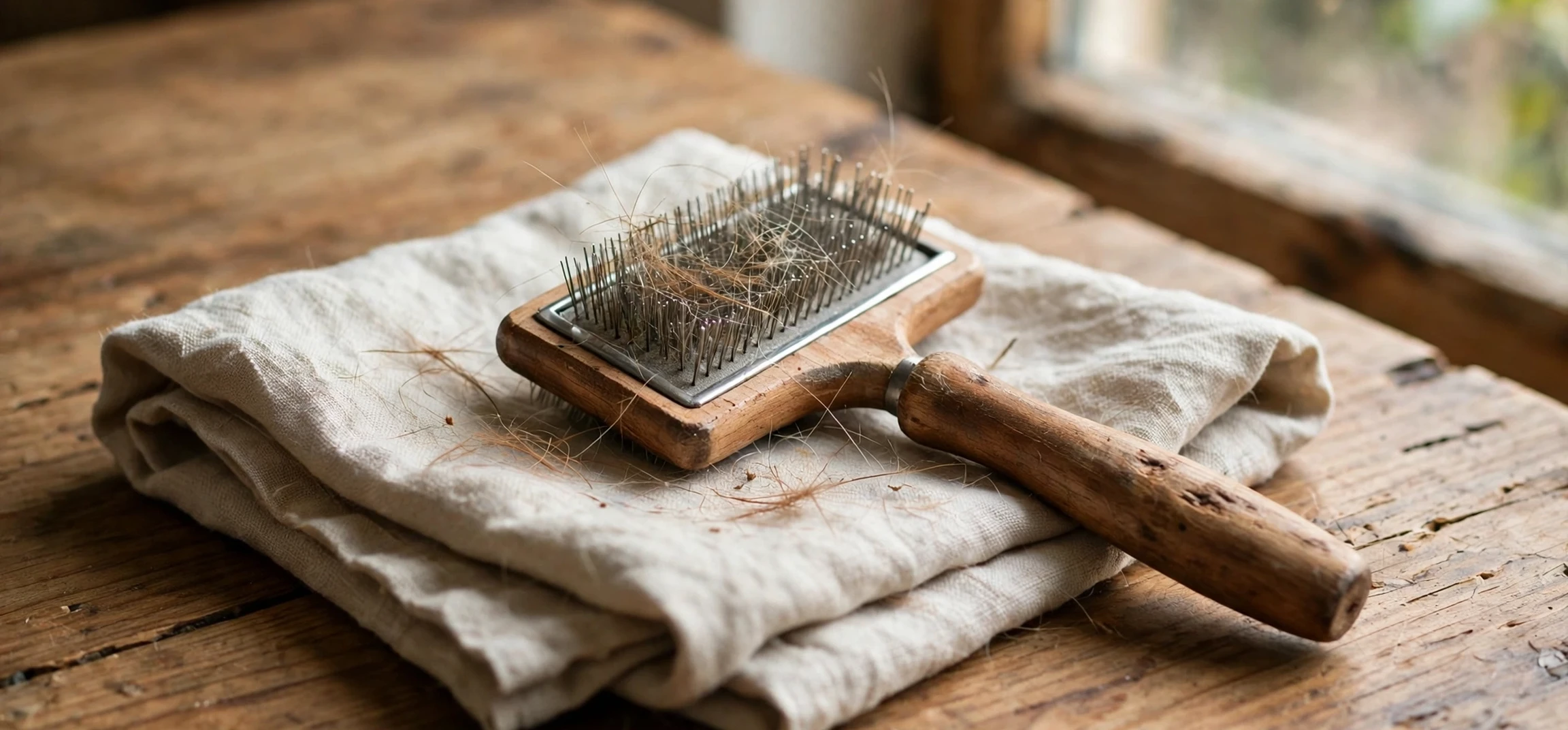
If you have ever searched for dander meaning, you probably met the word in one of two places: a conversation about pet allergies, or a product label promising to reduce allergens in the home. In simple terms, dander meaning refers to the tiny flakes of skin shed by animals, especially cats and dogs, and sometimes the fine particles that come from feathers. These flakes are so small that they float in the air, settle on furniture, and cling to clothing and bedding. Understanding dander meaning is the first step toward understanding why some people sneeze around pets even in a clean house, and why regular cleaning and good ventilation can make a real difference to comfort indoors.
Dander is not the same thing as pet hair, although the two are often confused. Hair itself is usually too large to stay airborne for long, and it is rarely the main trigger for allergy symptoms. Dander, by contrast, consists of microscopic skin cells that animals shed continuously as part of their normal skin renewal. Because the flakes are light and sticky, they can remain in carpets, curtains, and upholstered furniture for weeks or even months. This is why someone with a pet allergy can react in a home where a pet no longer lives, and why the topic of dander meaning comes up so often in guides about allergies, cleaning, and indoor air quality.
What People Mean When They Search for dander meaning
When people look up dander meaning, they usually want a plain definition rather than a scientific lecture. At its core, dander is dead skin. Humans shed skin cells too, but the word dander is almost always used for animals. Dogs, cats, rabbits, birds, and other furry or feathered animals all produce it. In cats and dogs, the flakes carry proteins found in skin glands, saliva, and urine, and these proteins are what trigger allergic reactions in sensitive people. So dander meaning covers both the flakes themselves and, in everyday speech, the allergenic material attached to them.
It helps to think of dander as a normal by-product of healthy skin. Every animal with skin or feathers renews its outer layer, and old cells flake away to make room for new ones. Grooming spreads some of these flakes into the coat, where they hitch a ride on hair and then transfer to sofas, beds, and laps. The flakes are invisible to the naked eye, which is why a home can look spotless and still hold plenty of dander. That invisibility is also why dander meaning is worth pinning down: you cannot manage what you cannot see, so knowing what dander is helps you choose cleaning habits that actually target it.
How dander meaning Differs From Pet Hair and Household Dust
Confusion between dander, hair, and dust is common, and clearing it up makes the whole subject easier. Pet hair is visible, relatively heavy, and easy to vacuum or brush away. Household dust is a mixture of many things, including fabric fibres, outdoor soil tracked indoors, pollen, dust mite waste, and yes, dander. Dander is the smallest and most persistent of the three in allergy terms, because it stays airborne longer and sticks to surfaces more stubbornly. A home with a shedding dog may have obvious hair on the sofa, but the dander is the part most likely to reach a visitor’s nose and eyes.
Another useful distinction is between dander and dust mites. Dust mites are tiny creatures that live in bedding and soft furnishings and feed on shed skin cells, including human skin and pet dander. Their waste is itself a common allergen. So dander can cause symptoms directly, and it can also feed a dust mite population that adds a second source of allergens. Reducing dander therefore helps on two fronts at once. Regular washing of bedding in hot water, vacuuming with a sealed filter machine, and keeping humidity in a moderate range all work against both problems together.
Why Dander Triggers Allergy Symptoms
For most people, dander is harmless. The immune system of a person with a pet allergy, however, treats certain proteins in dander as a threat and overreacts. That overreaction releases histamine and other chemicals, producing sneezing, a runny or blocked nose, itchy eyes, coughing, and sometimes skin rashes or worsened asthma. Symptoms can appear within minutes of entering a home with a pet, or build up over hours. Because dander clings to clothing, a pet owner can even carry it into a pet-free workplace or school, which explains why some people react in places where no animal is present.
It is worth noting that no breed of dog or cat is truly free of dander. Some breeds shed less hair or produce lower levels of the main allergenic protein, and they are often marketed as hypoallergenic, but every animal with skin produces dander. Individual reactions also vary: one person may tolerate a particular cat with no trouble, while another reacts strongly to the same animal. If symptoms are frequent or severe, the sensible step is to speak with a doctor or allergy specialist, who can test for specific sensitivities and discuss options. This article is general information only and is not a substitute for medical advice.
Where Dander Collects in the Home
Dander follows the animal, and then it follows people. The heaviest build-up is usually where pets sleep and rest: their beds, favourite chairs, and the owner’s bed if pets are allowed on it. Carpets and rugs trap flakes deep in their fibres, while curtains, cushions, and soft toys hold them on their surfaces. Hard floors collect dander too, but it is easier to mop or sweep away there. Clothing is a major carrier, especially woollen jumpers, fleeces, and other fabrics with a fuzzy surface that grabs tiny particles.
Air movement spreads dander further. Heating and cooling systems can circulate flakes from room to room, and opening windows can bring in outdoor pollen that mixes with indoor allergens, though fresh air also helps dilute stale indoor air. The practical lesson is to focus cleaning where pets spend time and where people breathe close to soft surfaces: bedrooms, living rooms, and any upholstered furniture. A home cleaning routine that covers these spots regularly will do more good than an occasional deep clean of the whole house. For broader cleaning ideas, see this house cleaning guide for room-by-room habits that keep soft furnishings and floors in better shape.
Practical Ways to Reduce Dander at Home
Reducing dander is about steady habits rather than a single fix. Brushing pets outdoors, where loose flakes drift away instead of settling indoors, helps keep coats in good condition and removes some dander before it reaches the sofa. Bathing pets occasionally can also reduce surface dander, but over-bathing dries out skin and can make flaking worse, so it is best to follow a vet’s guidance on frequency and use a gentle pet shampoo. Washing pet bedding weekly, and washing your own bedding if pets share the bed, removes a large share of accumulated flakes.
Vacuuming matters more than many people expect. A vacuum with a sealed filtration system traps fine particles instead of blowing them back into the air, and vacuuming carpets, rugs, and upholstery two or three times a week makes a noticeable difference in homes with pets. Hard floors can be damp-mopped, which picks up flakes instead of scattering them the way a dry broom can. Air purifiers with fine-particle filters can lower airborne dander in a single room, especially the bedroom, where people spend many hours breathing close to pillows and bedding. Keeping pets out of the bedroom is one of the most effective single steps for people with strong symptoms, even though it is not always a popular one.
Other small changes add up. Choosing washable covers for sofas and cushions makes regular cleaning easy. Storing soft toys and spare blankets in closed containers keeps them from gathering flakes. Changing clothes after long cuddle sessions with a pet, and washing hands after handling animals, reduces the amount of dander carried to the face and eyes. None of these steps eliminates dander completely, and none needs to be done perfectly. The goal is a lower overall load, which for many people is enough to turn daily discomfort into occasional mild symptoms.
Dander and Pet Skin Health
Sometimes a sudden increase in flaking signals that a pet’s skin needs attention. Dry indoor air in winter, a poor diet, parasites, or a skin condition in dogs can all increase shedding and flaking. A healthy coat is usually shiny and smooth, with little visible flaking, while dull fur, bald patches, redness, or constant scratching are signs worth raising with a vet. Regular grooming gives owners a chance to spot these changes early. It also helps to remember that dander itself is normal: the aim is not to stop an animal shedding skin, which is impossible, but to keep its skin healthy and the home’s allergen load low.
Pet skin health also connects to the wider household. Animals with irritated skin may shed more, and the extra flakes add to the cleaning burden. A vet can advise on diet, grooming products, and treatment for underlying skin problems. Owners should avoid using human shampoos or harsh products on pets, since these can strip natural oils and worsen dryness. Simple, consistent care, a balanced diet, fresh water, and regular vet check-ups, supports both the animal’s comfort and the household’s air quality.
Dander at a Glance
The table below sums up the key points about dander meaning and how dander behaves in the home, so you can use it as a quick reference.
| Topic | What to Know |
|---|---|
| Definition | Tiny flakes of skin shed by furry or feathered animals |
| Main source | Cats and dogs, plus rabbits, birds, and other pets |
| Why it matters | Carries proteins that trigger allergies in sensitive people |
| Where it hides | Carpets, bedding, sofas, curtains, and clothing |
| How long it lingers | Weeks to months in soft furnishings without cleaning |
| Best controls | Regular vacuuming, washing bedding, ventilation, air filtration |
Frequently Asked Questions About Dander
Is dander the same as pet hair?
No. Hair is visible and heavy, while dander consists of microscopic skin flakes. Hair can carry dander, but the flakes themselves are the main allergy trigger. This is why a short-haired pet can still cause symptoms, and why removing visible hair alone does not solve an allergy problem.
Can you be allergic to dander but not to a specific pet?
Reactions vary by animal and by person. Some people react to cats but not dogs, or to one individual animal more than another, because protein levels differ. Allergy testing can identify which animals and proteins cause a reaction, which is more reliable than guessing from a single visit.
Does cleaning really help with dander?
Yes, up to a point. Regular vacuuming, washing bedding, and filtering the air reduce the total load of flakes in the home, and many people notice fewer symptoms as a result. Cleaning cannot remove every flake, especially from deep carpet fibres, but a lower load usually means milder symptoms.
Are hypoallergenic pets free of dander?
No pet is completely free of dander. Breeds described as hypoallergenic may shed less or produce less of the main allergenic protein, but they still shed skin cells. People with allergies should spend time with a specific animal before committing, and discuss the decision with a doctor if symptoms are a concern.
Conclusion
To sum up, dander meaning is simple once the confusion with hair and dust is cleared away: dander is the tiny skin flakes that animals shed every day, carrying proteins that can trigger allergies in sensitive people. It is invisible, persistent, and normal, which is why it causes so much trouble in otherwise clean homes. The good news is that understanding dander meaning points directly to the solutions that work: regular vacuuming with good filtration, frequent washing of bedding and pet beds, thoughtful grooming, and cleaner air in the rooms where you sleep and relax. For pet lovers dealing with allergies, these habits often make the difference between enjoying time with an animal and dreading it. If symptoms persist or worsen, a doctor or allergy specialist can help identify the exact triggers and the best next steps. For more on keeping a home fresh and comfortable, this house cleaning guide offers practical room-by-room routines that pair well with a pet-friendly cleaning plan.