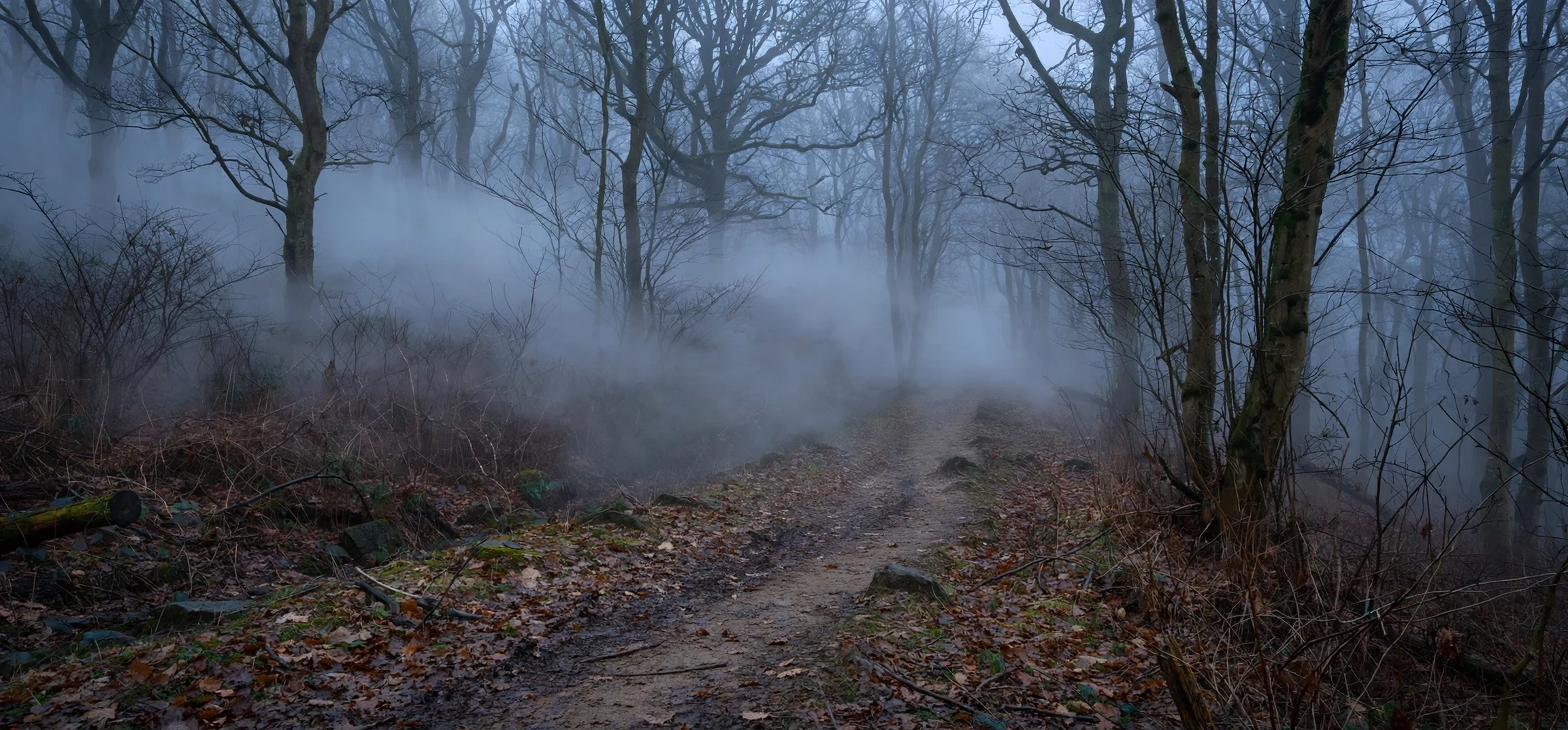
The dead and buried plot is the kind of story that hooks viewers with a buried secret, a life interrupted, and a truth that refuses to stay hidden. This guide explores the dead and buried plot as a suspense thriller concept: how such stories are built, why the title itself creates tension, what themes they explore, and what viewers can expect from the twists, moral dilemmas, and slow-burn revelations that define the genre. Rather than giving away every surprise, it explains the shape of the story, so you can follow the clues, enjoy the suspense, and appreciate how writers keep an audience guessing until the final scenes.
At its core, the dead and buried plot turns on something — or someone — from the past returning to the present. A secret once covered up resurfaces. A decision once thought finished demands a reckoning. A quiet life, built carefully over years, begins to crack when an old connection, an old lie, or an old loss reappears. That structure is powerful because it combines two fears at once: the fear of being discovered, and the fear of what discovery will destroy. Viewers are not only asking “what happened?” but also “what will happen now that the past is awake?”
Dead and Buried Plot Overview
A useful overview of the dead and buried plot starts with its central tension. The protagonist usually has something to protect: a family, a reputation, a career, a new identity, or a fragile peace. The past threatens that protection. Sometimes the threat arrives as a person from years ago. Sometimes it arrives as evidence — a message, a photograph, a place revisited, a name overheard. Sometimes it arrives as guilt itself, growing louder until silence becomes impossible. The drama comes from watching a character try to hold two lives together: the life they show the world, and the life they buried.
Suspense thrillers of this kind rarely rush. Early episodes or chapters establish normality with care, so the disruption feels real. Viewers learn the routines, relationships, and small comforts of the present, which makes the intrusion of the past more unsettling. A familiar street suddenly feels watched. A casual conversation carries a double meaning. An ordinary object becomes a clue. That slow accumulation of unease is deliberate: it invites the audience to notice details, form theories, and doubt their first impressions.
The title phrase itself does much of the work. “Dead and buried” suggests finality, yet in these stories finality is an illusion. What was buried was never truly gone; it was only waiting. Writers use that irony to shape every reveal. Each answer raises a new question. Each apparent resolution opens a deeper layer. The audience learns, alongside the characters, that burying a problem is not the same as solving it.
Dead and Buried Plot Structure and Suspense
The dead and buried plot typically follows a recognisable suspense structure, even when the details differ. First comes the settled present, presented as stable but slightly fragile. Second comes the trigger — the moment the past breaks through. Third comes concealment, as characters try to manage the damage, often making choices that create new risks. Fourth comes escalation, as lies multiply, alliances shift, and the cost of silence grows. Finally comes confrontation, where the buried truth must be faced, whether through confession, exposure, or a decisive choice.
That structure, central to the dead and buried plot, works because it mirrors how secrets behave in real life. A small concealment requires another concealment to protect it. A favour owed becomes a debt. A person trusted with a secret gains power over the secret-keeper. Thriller writers exploit that chain reaction, showing how ordinary people can drift into extraordinary danger one understandable decision at a time. The most compelling versions avoid cartoon villains; instead, they show sympathetic characters making flawed choices under pressure, which makes their dilemmas harder to judge and harder to forget.
Pacing is equally important. Good suspense alternates between tension and release: a quiet domestic scene after a threatening encounter, a moment of humour before a revelation, a false sense of safety before a new twist. Those contrasts keep viewers emotionally engaged without exhausting them. Clues are planted early and paid off late. A throwaway remark in an early scene may become crucial later, rewarding attentive viewing and encouraging discussion after each episode.
Suspense Techniques Writers Use
Writers of a dead and buried plot rely on several classic techniques. Dramatic irony lets viewers know something a character does not, creating dread as the character walks towards danger. Unreliable memory makes the past itself uncertain: characters remember events differently, and the audience must decide whom to trust. Shifting perspectives show the same incident from different angles, revealing motives that were previously hidden. Time shifts — brief returns to earlier years — show how present choices were shaped by past wounds, without explaining everything at once.
Setting also does suspense work. A small town, a close-knit workplace, a family home, or a remote landscape can all trap characters together, so avoidance becomes impossible. Familiar places become charged with meaning: a road, a house, a meeting place that once seemed innocent now carries a secret history. That use of place helps explain why viewers often remember the atmosphere of a thriller as vividly as its twists.
Dead and Buried Plot Themes
Beneath the twists, the dead and buried plot explores enduring themes. Guilt is central: can a person outrun a wrong, or does guilt demand acknowledgement? Identity is another: if someone has built a new life on a buried truth, who are they really — the person they were, or the person they became? Loyalty is tested repeatedly, as characters choose between protecting loved ones and telling the truth. Justice, too, is rarely simple. Legal justice, personal justice, and moral justice may point in different directions, leaving characters — and viewers — to weigh competing claims.
Family is often the emotional centre. Secrets in these stories frequently involve parents, siblings, partners, or children, because family bonds make concealment both more understandable and more painful. Protecting a child, sparing a partner, or honouring a parent can motivate silence, yet that same silence can damage the very relationships it was meant to protect. That paradox gives the story its emotional weight: every attempt to preserve love risks undermining trust.
Another theme is the cost of reinvention. Starting again is a hopeful idea, but thrillers ask what reinvention leaves behind. Can a fresh start be honest if it depends on forgetting? Does a new community deserve the full truth, or only the version that allows belonging? These questions have no easy answers, which is why the genre sustains discussion long after the final scene. Viewers often disagree about which character acted rightly, and that disagreement is part of the pleasure.
| Story element | Role in the dead and buried plot | Effect on viewers |
|---|---|---|
| The buried secret | Creates the central mystery | Invites theories and close watching |
| The settled present | Shows what is at stake | Makes disruption feel personal |
| The returning figure | Forces confrontation | Raises tension and moral questions |
| The slow reveal | Reframes earlier scenes | Rewards attention to clues |
Characters in a Dead and Buried Story
Character types in a dead and buried plot are best understood as roles rather than fixed personalities. There is usually a central figure carrying the secret, whose present life viewers come to care about. There is a catalyst figure from the past, whose return forces confrontation. There are allies who may help, hinder, or unknowingly complicate matters, and there are investigators — formal or informal — who piece together clues. The most interesting stories blur these roles: an ally may have their own secret, an investigator may have a personal stake, and a catalyst may be sympathetic rather than simply threatening.
Strong writing gives each character a plausible reason for their choices. A character who hides the truth out of fear is different from one who hides it out of love, pride, or a sense of duty. Those motives shape how viewers judge them and how much sympathy they retain as the story darkens. When motives are clear, even troubling decisions feel human. When motives are vague, twists can feel arbitrary. That is why the best suspense thrillers spend time on ordinary life — work, friendship, routine — before the past intrudes: ordinary life makes motives visible.
For viewers who enjoy comparing how different series handle ensemble casts and long-running tension, our guides to Longmire TV series cast and Legion TV series cast offer useful contrasts in tone, structure, and character focus, without relying on any single show’s formula.
Twists, Clues, and How to Watch Without Spoilers
Twists are the signature pleasure of the dead and buried plot, but they work best when they feel earned rather than imposed. An earned twist reframes earlier scenes: details that seemed innocent suddenly make new sense, and viewers enjoy re-evaluating what they saw. A weak twist, by contrast, depends on information that was never available, leaving viewers feeling tricked rather than surprised. Skilled writers therefore plant clues fairly, even if subtly, so attentive viewers can suspect the truth before it is confirmed.
Watching without spoilers requires a little discipline. Avoid plot summaries that promise “explained” endings before you have finished the story, and be cautious with social media threads, thumbnails, and comment sections. If you watch with others, agree on spoiler boundaries in advance. Many viewers find that discussing theories — rather than searching for answers — preserves suspense while deepening enjoyment. Theories turn viewing into a shared puzzle, where each clue can be debated without ruining the reveal.
It is also worth noting what this guide deliberately does not do. It does not present broadcast schedules as current fact, because schedules change, and it does not offer unverified personal details about performers. The focus here is the fictional story world: its structure, themes, and suspense craft. That approach keeps the discussion useful whether you are discovering the story for the first time or revisiting it to notice clues you missed.
Why the Dead and Buried Formula Endures
The dead and buried plot endures because it speaks to a universal experience: everyone has a past, and everyone has parts of that past they would rather not revisit. Fiction lets viewers explore that anxiety safely, through characters who face the consequences viewers can imagine but need not suffer. The formula also adapts easily. It can be a domestic drama, a crime thriller, a psychological study, or a blend of all three, depending on how much emphasis falls on relationships, investigation, or inner guilt.
Its adaptability also explains why the dead and buried plot appeals across formats. A short series can sustain tight, escalating tension. A longer series can explore how a secret affects a whole community over time. A novel can dwell on interior thought in ways screen drama cannot. In each format, the core question remains: what happens when what was buried refuses to stay buried? That question is simple to state and endlessly variable in execution, which is why writers return to it again and again.
Fans of suspenseful, layered storytelling may also enjoy our guide to FlashForward TV series, which explores a different kind of high-concept tension built around knowledge of the future rather than secrets from the past.
Frequently Asked Questions
What is the dead and buried plot about?
In general terms, the dead and buried plot is about a secret from the past resurfacing and threatening a carefully built present life, forcing characters to confront guilt, loyalty, and the cost of concealment.
Is dead and buried a mystery, a thriller, or a drama?
It blends all three. Mystery drives the question of what really happened, thriller pacing creates suspense about what will happen next, and drama explores the emotional consequences for relationships and identity.
Does the story rely on jump scares?
Typically, no. Suspense here comes from dread, revelation, and moral pressure rather than sudden shocks. Quiet scenes — a look, a pause, a familiar place revisited — often carry the greatest tension.
Can I enjoy it without knowing the ending?
Yes, and most viewers enjoy it more that way. Following clues, forming theories, and watching characters wrestle with difficult choices is central to the experience, so avoiding spoilers is recommended.
What makes a buried-secret story feel believable?
Clear motives, fairly planted clues, and consequences that follow from choices. When characters act for understandable reasons and secrets create new problems, the story feels human rather than contrived.
Conclusion
The dead and buried plot remains compelling because it turns a simple idea — that the past cannot simply be covered over — into rich, suspenseful drama. Through a settled present, a triggering return, escalating concealment, and a final confrontation, it explores guilt, identity, loyalty, and the price of reinvention. Whether you watch for the twists, the characters, or the moral questions, the story rewards attention: clues planted early, motives revealed slowly, and a truth that, once uncovered, changes everything that came before. That is the enduring thrill of a secret that refuses to stay buried.



