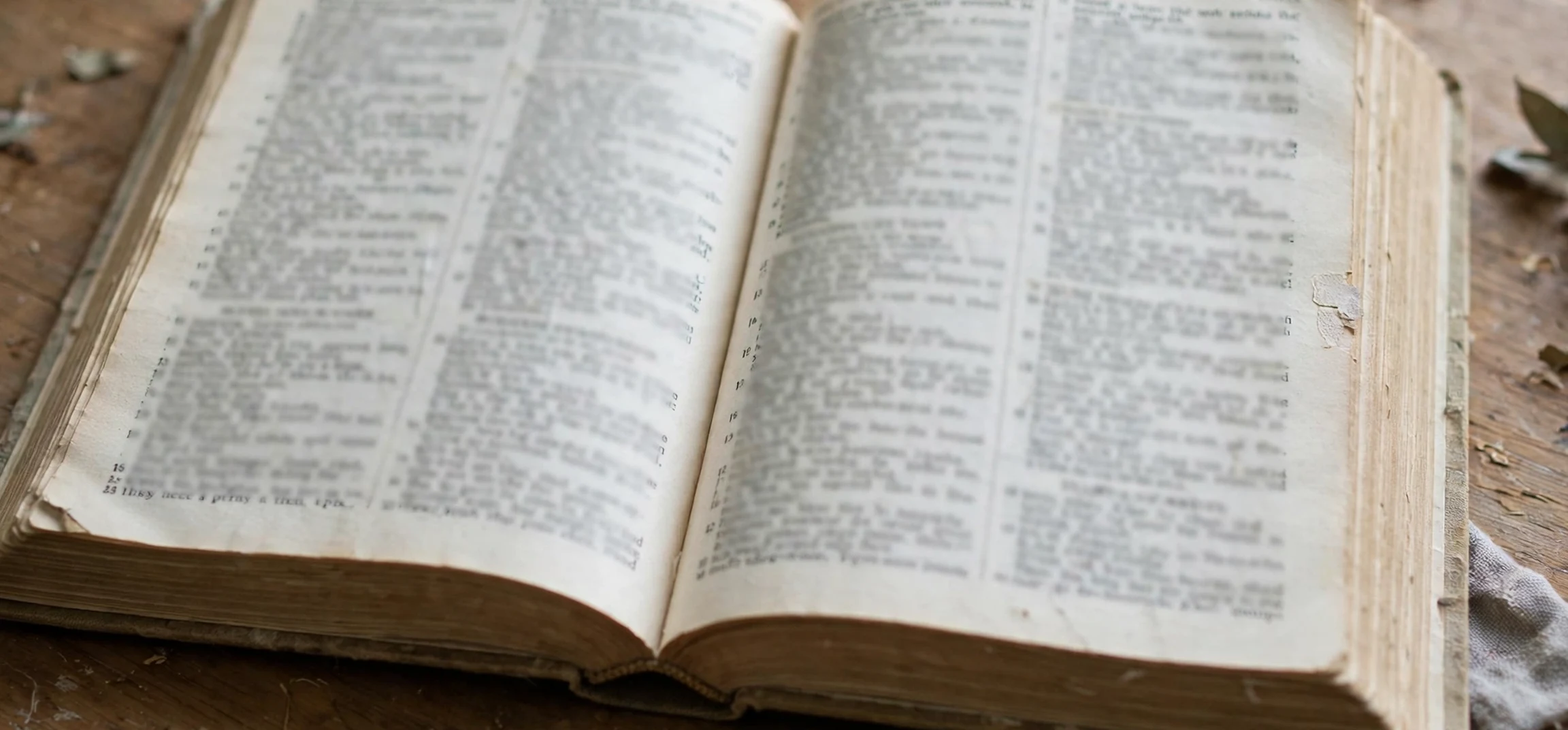
If you have ever paused mid-sentence to check a meaning, you already know why dictionary words and definitions matter so much in everyday life. A dictionary is not just a dusty book on a shelf; it is a living record of how people actually speak, write, argue, joke, and explain the world to one another. When you look up dictionary words and definitions, you are not simply finding a synonym or a spelling. You are finding the history of a word, the shades of meaning it carries, and the contexts in which it sounds natural or strange. This guide explains how dictionary words and definitions work, how to read them properly, and how to use them to write and speak with greater confidence and precision.
Many people treat a dictionary as a last resort, something to consult only when they are completely stuck. In reality, the strongest readers and writers use dictionary words and definitions every day, often without thinking about it. They check whether a word is formal or informal, whether it takes a particular preposition, whether its plural is regular or irregular, and whether it has a second meaning that could change a whole sentence. Understanding dictionary words and definitions helps you avoid embarrassing mistakes, choose the exact word you mean, and recognise when someone else is using a word loosely, cleverly, or misleadingly. It is a practical skill, not an academic exercise.
What Are Dictionary Words and Definitions?
At its simplest, dictionary words and definitions pair a headword with an explanation of what that word means. The headword is the word being defined, usually shown in bold, followed by its part of speech, its pronunciation, and then one or more numbered senses. Each sense describes a distinct use. For example, a common word may have a literal sense, a figurative sense, and a technical sense, and dictionary words and definitions keep those senses separate so you can see exactly which one fits your sentence. Good dictionaries also show example sentences, because meaning lives in use, not in isolation.
The reason dictionary words and definitions are organised this way is that language is messy. Words change over time, pick up new meanings, and lose old ones. A word that once meant one thing in a farming community may now mean something entirely different in technology or sport. Dictionary editors track real usage in books, newspapers, conversations, and online writing, and they update dictionary words and definitions when a new sense becomes common enough to record. That is why a modern dictionary feels current while an old one can feel like a time capsule.
Headwords, Parts of Speech, and Pronunciation
When you open an entry, the first things you see after the headword are usually its part of speech and pronunciation guide. The part of speech tells you whether the word acts as a noun, verb, adjective, adverb, or another category, and that single detail can prevent many errors. Pronunciation guidance, whether written with phonetic symbols or with a simple respelling, helps you say the word aloud with confidence. Together, these details turn dictionary words and definitions from a bare explanation into a complete toolkit for using the word correctly.
How to Read Dictionary Words and Definitions Correctly
Reading dictionary words and definitions well is a skill in itself. Start with the numbered senses and ask which one matches your context. If you are reading a news article, the first sense is often the most common one, but not always the right one for a specialised topic. Next, look at the example sentences. They show the word in a natural sentence, with the grammar and companions it usually keeps. Finally, check any labels such as formal, informal, old-fashioned, or regional, because those labels warn you when a word might sound out of place even if its basic meaning is correct.
Another useful habit is to read the whole entry, not just the first line. Many misunderstandings happen because someone stops at the first sense and misses a second sense that fits better. Dictionary words and definitions reward patience: the second or third sense is often the one used in idioms, jokes, or technical writing. If an entry includes related forms, such as a noun form of a verb or an adverb form of an adjective, note those too, since they expand your vocabulary without requiring you to learn a completely new word.
Common Mistakes When Using a Dictionary
One common mistake is choosing a long or impressive-looking synonym without checking its tone. Another is assuming that every sense of a word is interchangeable. A third is ignoring example sentences and guessing the grammar from the definition alone. All three mistakes are easy to avoid once you treat dictionary words and definitions as a guide to real usage rather than a list of interchangeable parts. If you want to deepen your writing generally, a structured writing guide can help you practise these choices in longer pieces, and our related guide on writing tips from a published author offers practical habits that pair well with regular dictionary use.
Types of Dictionary Words and Definitions Explained
Not all dictionaries do the same job, and dictionary words and definitions vary with the type of dictionary you consult. A general dictionary covers everyday vocabulary across many subjects. A learners dictionary uses a limited defining vocabulary and gives extra grammar help, which makes it ideal for students. A specialised dictionary focuses on one field, such as medicine, law, or computing, and explains technical terms that a general dictionary might only summarise. A thesaurus is different again: it groups words by meaning and offers synonyms and antonyms, but it does not replace dictionary words and definitions, because synonyms are rarely exact equivalents.
There are also historical dictionaries, which trace a word through centuries, and slang dictionaries, which record informal and fast-changing usage. Each type answers a different question. If you want to know what a word means today, use a current general or learners dictionary. If you want to know where a word came from, use an etymological or historical dictionary. If you want to know whether a word is acceptable in a formal essay, check its labels in a general dictionary and look at its example sentences. Choosing the right tool is half the skill of using dictionary words and definitions well.
| Dictionary Type | Best For | What It Shows |
|---|---|---|
| General dictionary | Everyday meanings | Senses, pronunciation, examples |
| Learners dictionary | Students and new writers | Simple definitions and grammar patterns |
| Specialised dictionary | Technical subjects | Precise field-specific senses |
| Historical dictionary | Word origins | How meanings changed over time |
| Thesaurus | Finding alternatives | Synonyms, antonyms, related words |
Dictionary Words and Definitions for Better Writing
Writers who consult dictionary words and definitions regularly tend to write more precisely, because they catch vague words before they reach the page. Instead of writing that something was nice, they can check whether pleasant, delightful, agreeable, or satisfying fits the exact feeling they mean. Instead of repeating the same verb, they can find a verb with the right strength and direction. This is not about showing off rare words. It is about matching the word to the thought, so the reader understands exactly what you intended, without having to guess.
Dictionary words and definitions also help with editing. When you revise a draft, look up any word you used automatically, especially words you borrowed from another subject or from casual speech. You may discover that a word you thought was neutral carries a negative tone, or that a phrase you used is marked as informal and would weaken a formal report. For word meanings that carry emotional or cultural weight, it is worth comparing entries and examples, much as you would when exploring a word with a strong connotation in our article on the meaning behind a popular tattoo number, which shows how context changes interpretation.
Building Vocabulary With Daily Lookups
A simple daily habit works better than memorising long lists. Each day, choose one unfamiliar word from something you read, look up its dictionary entries, read all of its senses, and then write two sentences of your own using it. The first sentence should use the most common sense, and the second should use a less common sense if one exists. Over weeks, this habit builds a vocabulary that is usable, not just recognisable, because you have practised the word in context rather than simply seeing it once on a list.
Dictionary Entries in the Digital Age
Digital dictionaries have changed how people use dictionary entries, mostly for the better. Search is instant, pronunciation can be heard aloud, and entries can link to related words, word families, and usage notes. Many digital dictionaries also update more quickly than print editions, so new senses and new words appear sooner. The risk is that a quick search result may show only the first sense, or a short summary, and tempt you to stop there. The full entry still matters, especially when a word has several senses or a tricky grammar pattern.
Another digital change is that dictionary entries now sit alongside real examples from published writing, which helps you see how a word behaves in different registers. A word may appear in a formal report, a sports commentary, and a comedy script, and each context teaches you something different about its tone. Use that breadth, but stay critical: not every online result is a reliable dictionary. Prefer established dictionaries with named editors and clear update histories, and cross-check any surprising definition against a second source before you rely on it in important writing.
Frequently Asked Questions About Dictionaries
What is the difference between a definition and a meaning?
A meaning is what a word conveys in use, while a definition is the written explanation of that meaning in a dictionary. Dictionary entries therefore describe meanings; they do not create them. People create meanings by using words, and dictionaries record the patterns that emerge.
Why do words have more than one definition?
Words gain new senses when people use them in new contexts, metaphors, or fields. Dictionary entries list those senses separately so you can pick the one that fits your sentence, rather than forcing one broad explanation to cover every use.
Should I trust the first definition I see?
Usually the first sense is the most common, but it is not always the right one for your context. Always check the other senses and the example sentences in dictionary entries before you settle on a meaning, especially in technical or idiomatic writing.
How can dictionaries help with spelling?
Every headword shows the standard spelling, and many entries also show accepted variants, plurals, and related forms. Checking dictionary entries is therefore one of the fastest ways to confirm a spelling and to learn the correct form for a particular grammar pattern.
Conclusion
Dictionary entries are far more than a safety net for unfamiliar words. They are a daily tool for reading carefully, writing precisely, and thinking clearly about language. When you learn to read a full entry, compare its senses, study its examples, and notice its labels, you gain control over tone, grammar, and nuance that no spellchecker can give you. For a broader look at how words carry layered meanings, see our guide to an all-encompassing meaning explained. Make dictionary entries a regular part of your reading and writing routine, and your vocabulary will grow in a way that is practical, lasting, and genuinely useful.