If you have ever searched for the farfetch definition, you probably met two very different answers. In everyday English, “far-fetched” describes an idea that feels stretched too far to be believable. In the world of fashion, Farfetch is the name of a well-known online luxury marketplace. The farfetch definition therefore depends on context, and confusing the two is easy because they sound identical when spoken aloud. This guide explains both meanings clearly, shows how each one is used, and helps you tell them apart at a glance.
Farfetch Definition: The Everyday English Word
The most common farfetch definition in dictionaries is the adjective “far-fetched”, usually written with a hyphen. It describes a story, explanation, excuse or plan that seems unlikely, exaggerated or hard to believe. If a friend claims they missed work because a flock of geese blocked their driveway for three hours, you might call that explanation far-fetched. The word carries a gentle scepticism: it does not say something is impossible, only that it stretches credibility.
The phrase has been part of English for centuries. “Fetch” once meant to go and bring something back, so something “far-fetched” was brought from a great distance, and by extension felt strained or unlikely. Modern usage keeps that flavour. Journalists use it for conspiracy theories, managers use it for unrealistic sales forecasts, and teachers use it for excuses that do not quite add up. It is a useful, polite way to express doubt without accusing someone of lying outright.
Everyday Examples of Far-Fetched Claims
Consider a few typical cases. A student says the dog ate their homework, the printer broke, and the backup file vanished, all on the same night. Each event alone is possible, but together the chain feels far-fetched. A salesperson promises that a single cream will remove ten years of wrinkles in a week. The promise feels far-fetched because it contradicts what most people know about skin care. In both cases the word signals that the listener is being asked to believe too much at once.
Writers also use the term as a deliberate device. A far-fetched plot twist can be entertaining in comedy or fantasy, where the audience expects exaggeration. In a serious news report, however, a far-fetched claim damages trust. Context decides whether the word is playful or critical, so always check the tone of the sentence before you judge it.
Farfetch Definition in Fashion and E-Commerce
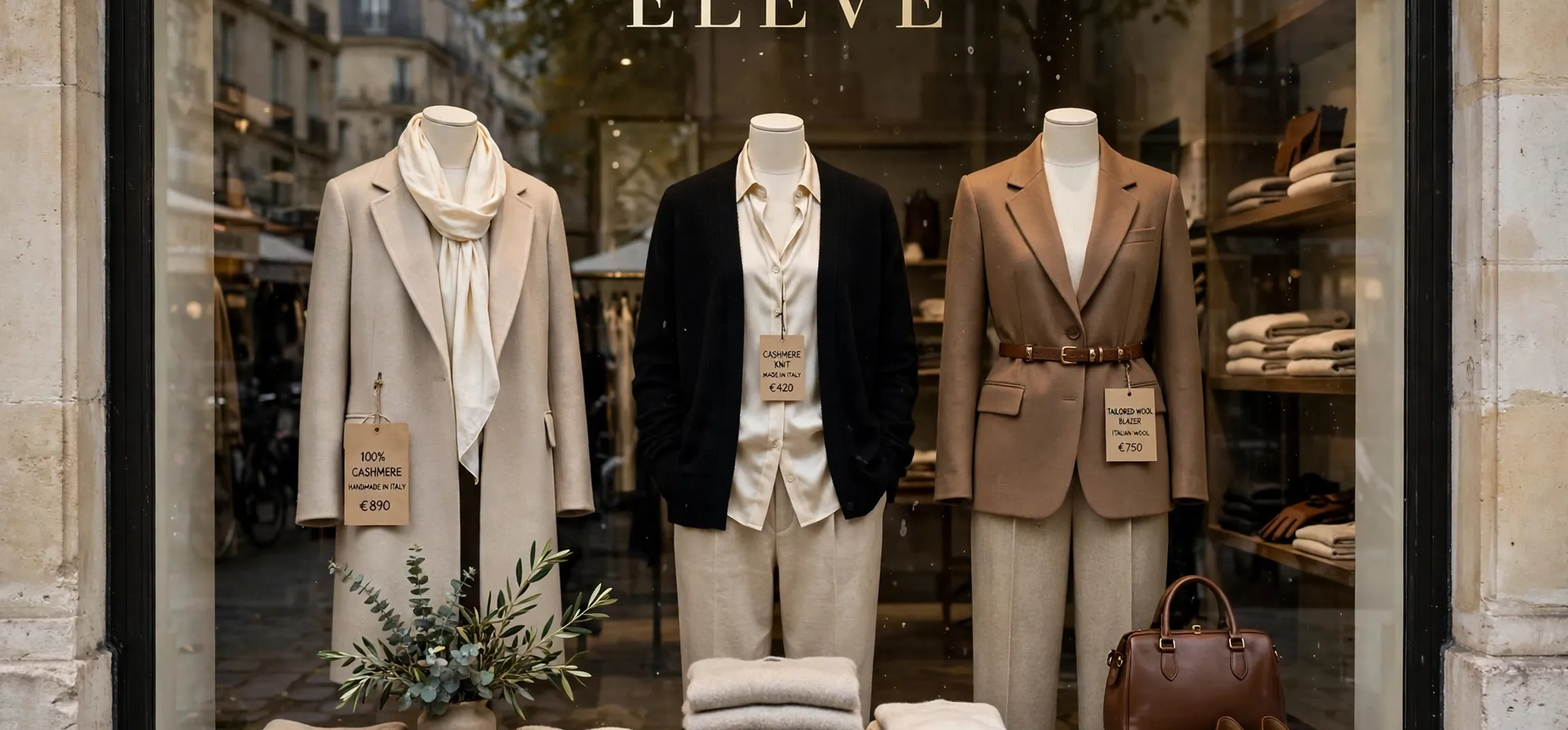
The second farfetch definition belongs to the fashion industry. Farfetch is an online platform that connects shoppers with luxury boutiques and brands around the world. Instead of holding all its stock in one warehouse, it lists items from hundreds of independent sellers, letting customers browse designer clothing, shoes, bags and accessories from many shops in one place. When you order, the item is usually shipped directly by the boutique that listed it.
This marketplace model is what sets Farfetch apart from a traditional department store. A department store buys stock and sells it under its own roof, while a marketplace brings buyers and sellers together and handles the transaction, payment and delivery steps. For shoppers, the advantage is range: a rare size or a sold-out item in one city may still be available from a boutique elsewhere. For small boutiques, the advantage is reach: they can sell to customers worldwide without building their own global website.
Farfetch also became known for blending technology with luxury retail. It invested in tools for virtual try-ons, personalised recommendations and data about what shoppers want, and it partnered with major fashion houses on digital projects. Whether those experiments succeed in the long term is a separate question, but they explain why the brand appears so often in business and technology coverage as well as fashion pages.
Farfetch or Far-Fetched? How to Tell Them Apart
Spelling is the simplest clue. The fashion brand is written as one word, “Farfetch”, with a capital F. The adjective is written as two words joined by a hyphen, “far-fetched”, and it is never capitalised unless it starts a sentence. If you see the word at the start of a sentence about shopping, look for the capital letter and the shopping context. If you see it describing an unlikely story, the hyphen gives it away.
Pronunciation will not help, because both sound the same. Grammar helps a little: “far-fetched” behaves like an adjective and usually sits before a noun or after a verb such as “sounds” or “seems”. “Farfetch” behaves like a proper noun, the name of a company, and it usually appears with words such as “website”, “app”, “order” or “sale”. When in doubt, read the whole sentence rather than the single word.
| Feature | Farfetch (brand) | Far-fetched (adjective) |
|---|---|---|
| Spelling | One word, capital F | Hyphenated, lower case |
| Part of speech | Proper noun | Adjective |
| Meaning | Luxury fashion marketplace | Unlikely or hard to believe |
| Typical context | Shopping, fashion, business | Stories, excuses, claims |
Using “Far-Fetched” Correctly in Writing
To use the adjective well, pair it with the claim you doubt rather than the person making it. Saying “that explanation sounds far-fetched” is softer and fairer than “you are far-fetched”, which is not standard English anyway. The word works best when you can point to why the claim feels stretched: too many coincidences, a missing link in the logic, or a result that contradicts ordinary experience.
Avoid overusing it. If every disagreement becomes “far-fetched”, the word loses force. Reserve it for cases where belief genuinely requires a leap, and give a reason when you can. Strong writing shows the gap between the claim and the evidence instead of relying on a label alone. For more on how word meanings shift with context, see our guide to name meanings explained and the piece on what “auth” means in modern usage. Readers who enjoy unpicking confusing terms may also like what a VPN means in plain English.
Farfetch Definition: Frequently Asked Questions
Is Farfetch a real word?
As a brand name, yes, it is a registered company name. As an ordinary English word, the standard form is “far-fetched” with a hyphen. “Farfetch” without the hyphen is not the dictionary adjective.
Is Farfetch a shop or a marketplace?
It is a marketplace. It lists products from many boutiques and brands, and the selling boutique usually ships the order to the customer.
Why do people mix the two up?
They sound identical, and search engines often return both meanings for the same query. Checking spelling and context is the fastest way to separate them.
What are synonyms for far-fetched?
Useful alternatives include implausible, unlikely, exaggerated, hard to swallow and stretching credibility. Each carries a slightly different tone, so choose the one that fits your sentence.
How Farfetch Changed Luxury Shopping
Before marketplaces like Farfetch, buying luxury fashion outside a major city meant travelling, ordering from a catalogue, or relying on a local shop’s limited stock. A boutique in Milan might hold a pair of shoes in your size while a shopper in Sydney had no way of knowing. The farfetch definition in business terms is therefore tied to a simple idea: make the stock of hundreds of small shops visible to the whole world at once. That visibility changed how boutiques think about their customers, because a shop that once served one neighbourhood could suddenly serve buyers on several continents.
The change also affected pricing and discovery. Shoppers could compare the same item across sellers, find rare editions, and discover small labels they would never have met in a department store. At the same time, the model raised new questions about authenticity, returns and delivery times, because the seller and the platform are not always the same company. Wise shoppers check who the seller is, read the returns policy on the official listing, and confirm delivery estimates before paying, especially for high-value items. Those habits matter on any marketplace, not just this one.
For the fashion industry, the marketplace model also changed how trends spread. A style that appears in a small boutique can now be seen, shared and bought globally within days, which speeds up the fashion cycle and gives independent designers a faster route to an audience. Critics argue that this speed encourages overconsumption, while supporters argue that it supports small businesses that would otherwise struggle. Both points have merit, and the debate continues as online luxury retail matures. What is clear is that the marketplace idea, once novel, is now a normal part of how luxury fashion is sold.
How do I know a marketplace item is genuine?
Buy through the official platform, check the seller’s ratings and history, and read the platform’s authenticity guarantees on the official listing. If a price looks far below every other seller, treat it as a warning sign and investigate before buying.
What about returns on marketplace orders?
Returns policies vary by seller and by item, so always read the policy shown on the specific listing rather than assuming one standard rule. Keep packaging and receipts until you are sure you will keep the item.
Conclusion
The farfetch definition comes in two forms that share a sound but little else. One is a fashion marketplace built on connecting boutiques with shoppers worldwide. The other is a long-standing English adjective for claims that stretch belief. Remember the hyphen, check the context, and you will never confuse the brand with the adjective again. When you meet the word in the wild, ask one simple question: is this about shopping, or about believability? The answer settles the meaning at once.



