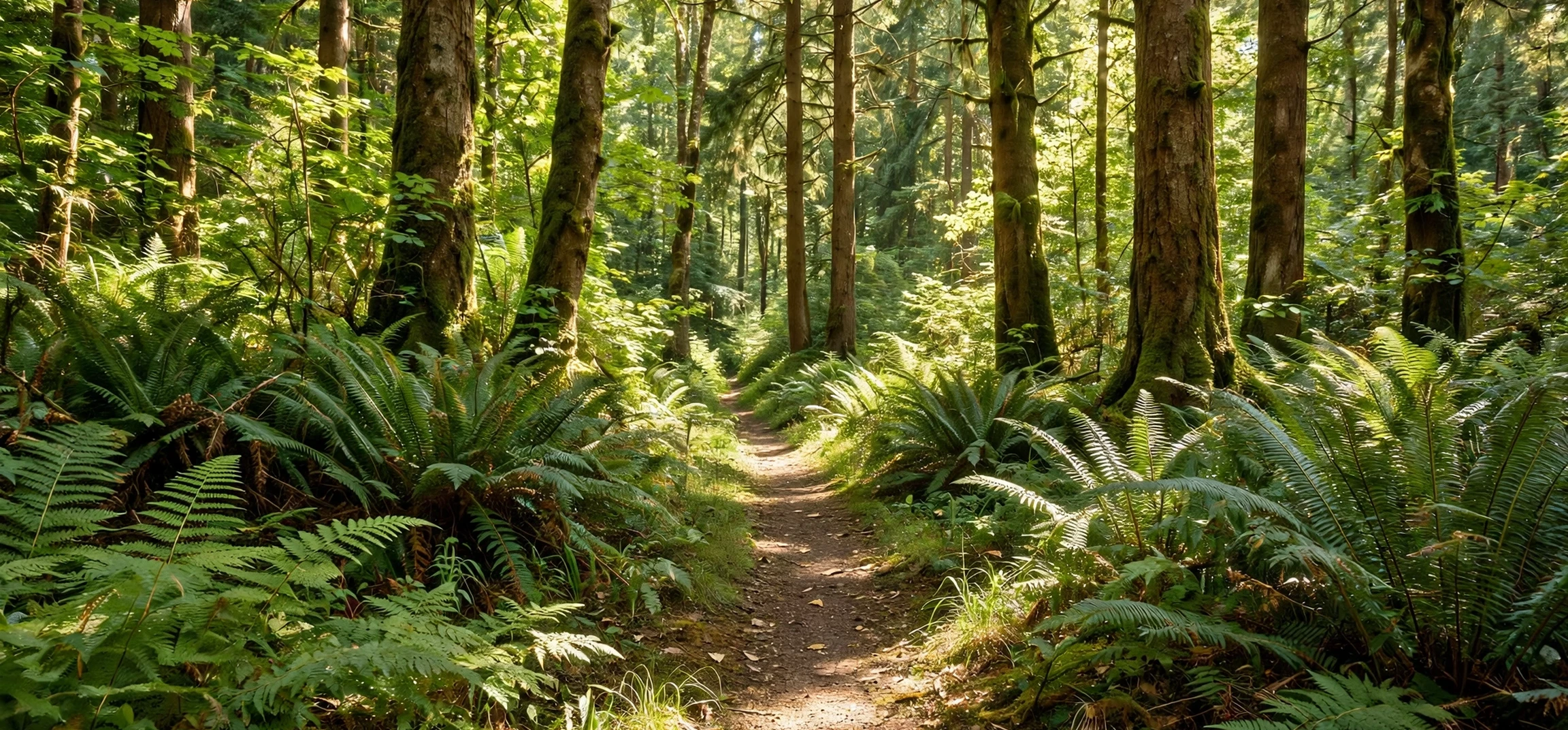
The meaning of name Forrest is most often given as “dweller by the forest” or simply “forest”, a nature name that carries a calm, grounded and outdoorsy feeling. If you are considering Forrest for a baby, a character, or a pen name, this guide explains where the name comes from, how it has been used through history, what traits people commonly associate with it, and how it compares with similar nature names. The meaning of name Forrest is straightforward on the surface, yet its story touches Old English, Norman French, surnames, place names and modern naming trends, which is why it continues to appeal to parents who want something traditional without being overused.
Forrest is usually classed as a masculine given name in English-speaking countries, although nature names are increasingly used across genders today. Its spelling with two r letters is the standard form, while Forest with one r is a recognised variant. Both point to the same woodland root. Understanding the meaning of name Forrest helps you decide whether its sound, history and associations suit the person or character who will carry it.
Origin of the Name Forrest: The Meaning of Name Forrest Explained
The meaning of name Forrest begins with the English word forest, which itself came into English from Old French forest, meaning a woodland or hunting preserve. Before that, the word is linked to Latin foris, meaning outside, in the sense of land outside a town or cultivated area. In medieval England, a forest was not simply any group of trees: it was often a defined area kept for hunting, with its own laws and keepers. A person who lived near such land, worked in it, or took a surname from it could therefore become known by a name connected to the woods.
Forrest also developed as a surname before it became common as a first name. In Scotland and northern England, Forrest and Forrester were surnames for people who lived by a forest or who guarded one. The occupational form Forrester means forest keeper, while Forrest itself is the shorter, place-based form. When surnames began to be reused as first names in the English-speaking world, Forrest followed the same path as names such as Hunter, Parker and Bailey: a word describing a place or a job became a personal name in its own right.
That surname-to-first-name journey matters because it explains why Forrest feels both old and fresh. It has centuries of use behind it, yet it never became as common as James, William or Henry, so it still sounds distinctive. Parents who like surnames as first names often choose Forrest for exactly that balance: familiar enough to spell and pronounce, uncommon enough to stand out.
Forrest Through History and Culture
Forrest has appeared in English records for many generations, first as a surname and later as a given name. Its use grew in the nineteenth and twentieth centuries, when nature names and surname names both gained ground. In the United States, Forrest has had steady, modest popularity rather than dramatic peaks, which has helped it avoid feeling tied to a single decade. In the United Kingdom, Australia and other English-speaking countries, it is recognised but remains a less common choice, a point in its favour for parents who want individuality without obscurity.
Culture has shaped how people hear the name. The most famous fictional bearer, Forrest Gump, gave the name a gentle, kind-hearted and determined association for a whole generation of film viewers. That character is not the origin of the name, but he made it warm and memorable. Other bearers in sport, music and public life have reinforced a down-to-earth, hard-working image. When people think of the meaning of name Forrest, they often picture woodland, steadiness and a person who is at ease outdoors, and those associations tend to be positive.
It is worth noting that any long-used name will have some bearers whose reputations are mixed. Sensible naming guides therefore focus on the name itself — its language, history and sound — rather than treating one famous person as the whole story. Forrest stands on its own as a nature name with a clear etymology, and that is the safest and most useful way to judge it.
Personality Traits Associated with the Meaning of Name Forrest
Name-meaning guides often link Forrest with traits such as calmness, loyalty, patience and a love of nature. These are associations, not predictions: a name does not determine character. Still, they are useful because they describe the impression the name tends to make. Forrest sounds soft at the start and firm at the end, which many people hear as steady and dependable rather than flashy or sharp.
In everyday life, that impression can be an advantage. Teachers, colleagues and new acquaintances tend to find Forrest easy to remember and easy to pronounce, and its woodland meaning gives it an immediate, pleasant image. For a fictional character, the same qualities make Forrest a natural fit for roles such as a guide, a ranger, a craftsman, a quiet leader or a loyal friend. Writers often choose nature names when they want a character to feel rooted and trustworthy, and Forrest does that work without needing explanation.
If you are choosing between Forrest and a similar name, consider the mood you want. Forrest feels rustic and classic. It pairs well with short, strong middle names and with longer, traditional surnames. It also works well in full and in short form: many Forrests are simply called Forrest, while others use For or even Resty informally among friends, though no single nickname dominates.
Variants, Spellings and Nicknames for Forrest
The main variant is Forest, spelled with one r. Both are pronounced the same in most accents, so the choice is mainly visual. Forrest with two r letters is the more common spelling for the given name in the United States, while Forest is also widely understood and is the standard spelling of the common noun. Some families choose Forest to keep the spelling identical to the word, while others prefer Forrest because it looks more like a traditional name and matches the surname form.
Related names include Forrester, which is rarer as a first name but shares the same woodland root, and nature names such as Rowan, Ash, Linden and Sylvan, which carry a similar outdoors feeling with different sounds. If you like the meaning of name Forrest but want something less common, those alternatives are worth exploring. If you like Forrest itself, its simplicity is part of the appeal: there is no complicated pronunciation to teach and no unusual spelling to correct constantly.
For siblings, Forrest sits comfortably beside other classic and nature names. It does not clash with most surnames, although very long surnames can make the full name feel lengthy. Saying the full name aloud a few times, including initials, is a practical test every parent should run before settling on a spelling.
How Popular Is Forrest Today?
Forrest is best described as familiar but not fashionable in the sense of being everywhere. It appears on baby-name lists in the United States and the United Kingdom, usually outside the top tier, which means a child named Forrest is unlikely to share the name with several classmates, yet is also unlikely to face constant mispronunciation. That middle ground is precisely what many modern parents seek.
Popularity can vary by region and by year, and official statistics are the best source for current rankings in your country. As a general guide, nature names as a group have risen in recent decades, and Forrest has benefited from that trend without becoming a fad name. Its classic surname history gives it staying power that trend-only names sometimes lack. If long-term usability matters to you, Forrest is a comparatively safe choice: it sounded appropriate a century ago and still sounds appropriate now.
For writers and creators, popularity is less important than clarity. Forrest is instantly readable, carries a clear image, and does not distract the reader with an unfamiliar spelling. Those are strong reasons to use it for a character, a brand or a project name as well as for a child.
Forrest at a Glance
| Detail | Forrest |
|---|---|
| Core meaning | Dweller by the forest; forest; woodland |
| Language roots | Old English and Old French, linked to Latin foris |
| Name type | Place and surname name, now a given name |
| Usual gender use | Masculine, with growing unisex use as a nature name |
| Main variant | Forest (one r) |
| Related names | Forrester, Rowan, Ash, Linden, Sylvan |
| Overall feel | Calm, grounded, outdoorsy and traditional |
For more name ideas in the same style, see our guide to Cassian name meaning, the Jackson name meaning, and the meaning of the name Mariana. Comparing a few names side by side often makes the right choice clearer than studying one name alone.
When people search for the meaning of name Forrest, they are usually looking for more than a dictionary definition: they want to know whether the name feels right, how it will be received, and what story it tells. The meaning of name Forrest answers all three questions at once, because it is a nature name with a clear history, a gentle sound and a grounded image. That combination is rarer than it seems, and it explains why the meaning of name Forrest continues to attract parents who might otherwise choose a more fashionable option. In short, the meaning of name Forrest is not just about trees: it is about steadiness, place and a connection to the natural world that feels timeless rather than trendy.
Another way to judge the meaning of name Forrest is to imagine it in everyday use. On a school register, a business card or a book cover, the meaning of name Forrest reads clearly and needs no explanation, which is a practical advantage that unusual names do not always offer. Parents who value that clarity often return to the meaning of name Forrest after considering more elaborate alternatives, and they usually find that its simplicity is its strength.
Frequently Asked Questions About the Meaning of Name Forrest
What does Forrest mean?
Forrest means “forest” or “dweller by the forest”. It comes from the English word for woodland, which entered English from Old French and is linked to a Latin word for outside land.
Is Forrest a first name or a surname?
Both. Forrest began as a surname for people who lived by or worked in a forest, and it later became established as a first name, following the common pattern of surnames becoming given names.
How do you spell Forrest?
The standard given-name spelling is Forrest, with two r letters. Forest, with one r, is also used and is pronounced the same. Choose the spelling that looks right to you and use it consistently.
Is Forrest a popular name?
Forrest is familiar but not extremely common. It ranks well outside the most popular names in most English-speaking countries, which makes it distinctive without being obscure.
What middle names go well with Forrest?
Short, classic middle names often balance Forrest best, such as James, Thomas, Henry or Grace, depending on the full name. Try the combination aloud with your surname before deciding.
Conclusion: Is Forrest the Right Name?
The meaning of name Forrest — forest, woodland, dweller by the forest — gives it a clear, natural and reassuring identity. Its history as a surname, its steady rather than flashy popularity, and its easy pronunciation all work in its favour. Whether you are naming a baby, creating a character or choosing a name for a project, Forrest offers tradition without heaviness and nature imagery without novelty. If a calm, grounded and timeless name appeals to you, Forrest deserves a place at the top of your shortlist.



