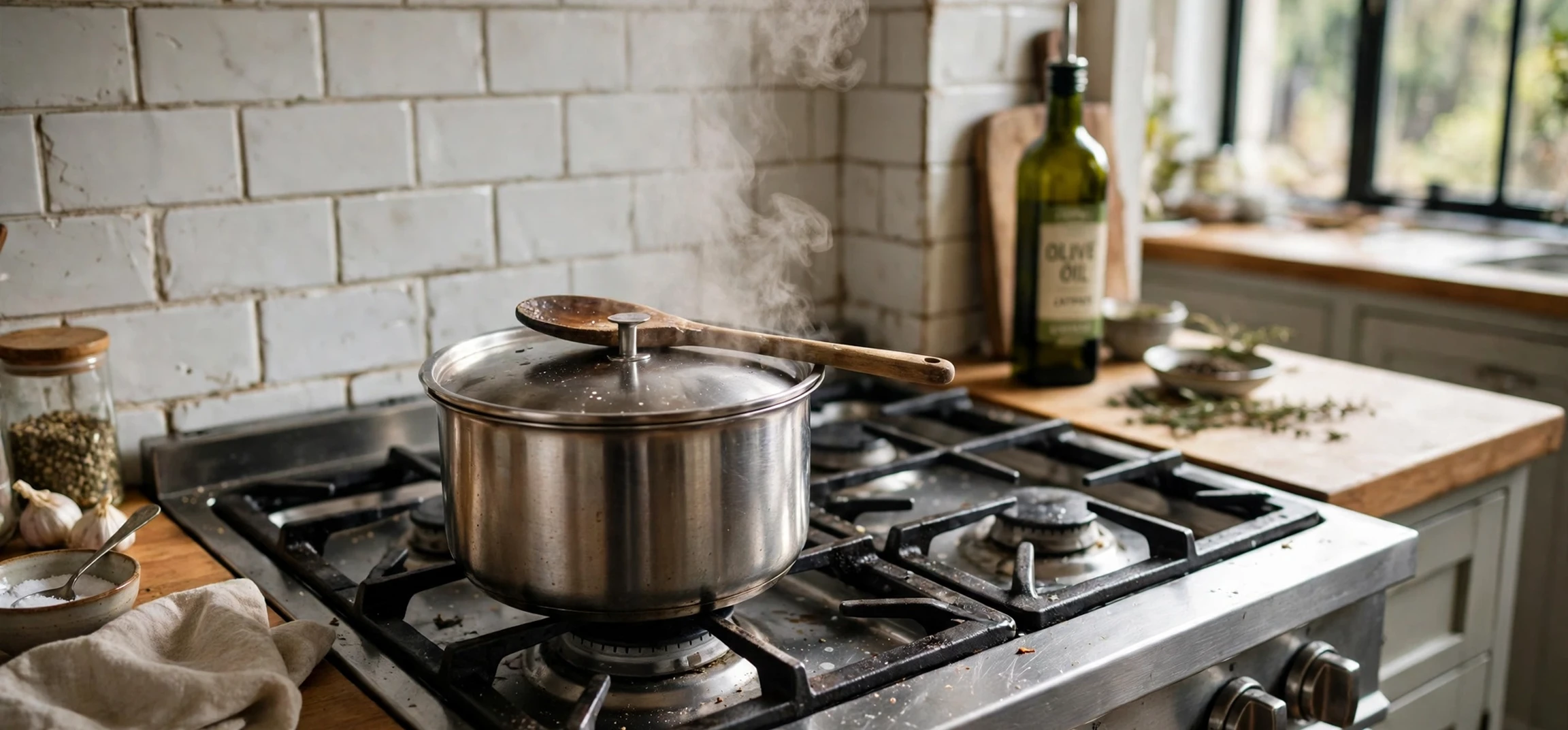
To define fricassee in the simplest possible way, it is a cooking method in which pieces of meat, usually chicken, veal or rabbit, are first cooked gently in fat without browning, and then finished by simmering in a light sauce, often enriched with cream, egg yolks, butter or stock. The word can describe both the method and the finished dish, so a cook might say that they are going to fricassee a chicken, or that chicken fricassee is on the menu for dinner. Either way, the heart of the dish is tenderness: the meat is never seared hard, never boiled fiercely, and never left to dry out. Instead it is coaxed to a soft, silky finish in a sauce that tastes of the meat itself, brightened by herbs, lemon or mushrooms. If you have ever eaten a pale, creamy chicken stew that tasted far more delicate than an ordinary stew, you have probably eaten a fricassee without knowing its name.
Many home cooks meet the word in an old cookbook, a restaurant menu or a television programme, and wonder whether it is a fancy name for a stew, a braise or a casserole. The confusion is understandable, because a fricassee shares features with all three. It is cooked in a pot, it uses liquid, and it takes time. Yet the details matter, and they are what give a fricassee its particular character. The meat is cut into serving pieces, seasoned, and sweated in butter or oil until it turns opaque but does not brown. A little flour is often stirred in, stock or wine is added, and the pot is covered and left to simmer gently until the meat is tender. Near the end, the sauce is finished, classically with a liaison of egg yolks and cream, which thickens it without boiling. That pale colour, that gentle heat and that silky finish are the signatures of the method.
This guide will define fricassee in full, explaining the term, from its origins and its classic technique to its modern variations, its most common mistakes and the answers to the questions readers ask most often. Whether you are trying to understand a recipe, planning to cook the dish for the first time, or simply curious about a word that sounds more complicated than it is, you will find a clear, practical explanation here, together with tips that help you get the texture and flavour right on your first attempt.
Define Fricassee in Plain Terms
When cooks ask us to define fricassee, the shortest accurate answer is this: a fricassee is meat cooked in the white braising style, meaning it is first sweated without colour and then simmered in liquid until tender, and served in its own lightly thickened sauce. The word comes from French cookery, where fricassée has been used for centuries, and it entered English through the same tradition of French-inspired professional cooking that gave us many of our kitchen terms. In older English cookbooks the spelling sometimes appears as fricasee or fricassy, but the modern standard spelling is fricassee, and the past form, as in fricasseed chicken, simply means chicken that has been cooked by this method.
For anyone who wants to define fricassee precisely, the distinction between the white and brown styles is worth grasping, because it explains almost everything else about the dish. In a brown braise, meat is seared until deeply coloured, and the sauce that follows is dark, rich and caramelised. In a white fricassee, the cook deliberately avoids browning, keeping the heat moderate and the pan covered, so that the meat stays pale and the sauce stays light. This is not a mistake or a sign of undercooking. It is a deliberate choice that produces a cleaner, more delicate flavour, in which the taste of the chicken or veal, the sweetness of onion, the earthiness of mushroom and the freshness of parsley or tarragon can all be tasted separately, rather than being merged into one deep, roasted flavour.
It also helps, when you define fricassee for a reader, to know that the word is used in two slightly different ways. In strict classical cookery, a fricassee is the whole method described above, and the sauce is an essential part of the dish. In everyday speech, however, people sometimes use the word loosely for any light, creamy chicken stew, even if the cook browned the meat a little or used a slightly different thickener. Both uses are common, and neither is wrong in casual conversation, but if you are following a classical recipe, the pale, unbrowned character is the detail to respect, because it changes both the look and the taste of the finished plate.
How to Define Fricassee Against Braising and Stewing
To define fricassee clearly, it helps to place it beside its closest neighbours. Braising is the broad family to which a fricassee belongs: meat cooked slowly in a covered pot with a small amount of liquid. Stewing is similar, but the meat is usually cut smaller, is often browned first, and is cooked fully submerged in liquid. A fricassee sits in a narrower space. Like a braise, it uses serving-sized pieces and a covered pot, but unlike a typical brown braise, it avoids browning, and unlike many stews, the liquid is kept to a modest level, so that the sauce is concentrated rather than watery, and the meat is steamed and simmered at the same time.
Another useful comparison is with sautéing. A sauté cooks small pieces quickly over high heat in a little fat, producing colour and a crisp edge. A fricassee begins a little like a sauté, because the meat is cooked in fat in a pan, but the heat is lower, the time is longer, and the liquid stage that follows is the point of the dish. The result is the opposite of a sauté in texture: soft, yielding meat in a smooth sauce, rather than browned, firm pieces. Readers who enjoy learning related terms may also find our guide to a similar slow-cooking word useful, in the article on braised cooking explained, which sets out how browning changes flavour in a brown braise.
The table below summarises the differences at a glance. Keep it in mind when you read a recipe, because a recipe that tells you to brown the meat deeply and then calls the result a fricassee is really describing a brown stew or braise, even if the sauce is creamy. The name matters less than the result on the plate, but knowing the distinction helps you predict what a dish will taste like before you start cooking.
| Method | Is the meat browned first? | Amount of liquid | Typical sauce |
|---|---|---|---|
| Fricassee | No, sweated without colour | Modest, partway up the meat | Pale, light, often cream or egg enriched |
| Brown braise | Yes, deeply seared | Modest, partway up the meat | Dark, rich, caramelised |
| Stew | Often, but not always | Generous, meat mostly covered | Thicker, heartier, often with vegetables |
| Sauté | Yes, quickly over high heat | Very little, if any | Pan juices or a quick deglazed sauce |
The Classic Method Step by Step
Once you can define fricassee, the classic method is forgiving, provided you respect its two rules: keep the heat gentle, and do not rush the simmer. Start with a whole chicken jointed into serving pieces, or with veal cut into neat chunks, and pat the meat dry. Season it with salt and pepper. Melt butter in a heavy, lidded pot over medium-low heat, add the meat in a single layer, and cook it slowly, turning the pieces, until the flesh turns opaque and firms up, but shows no golden colour. This stage, called sweating, usually takes eight to ten minutes. If the butter starts to brown or the meat starts to colour, lower the heat at once, because colour at this stage changes the character of the dish.
Next, lift the meat out briefly, soften chopped onion, carrot and celery in the same butter, and stir in a spoonful or two of flour to make a pale roux. Pour in warm stock, a splash of white wine if you like, and a bouquet of herbs such as parsley, thyme and a bay leaf. Return the meat to the pot, add mushrooms if you are using them, and bring the liquid to the gentlest possible simmer, with only the occasional bubble breaking the surface. Cover the pot and cook until the meat is completely tender, usually forty to sixty minutes for chicken, and longer for veal. The liquid should never boil hard, because fierce boiling toughens the meat and can split a cream sauce later.
The finishing stage is what makes a fricassee feel luxurious. Remove the meat and keep it warm. Strain the sauce if you prefer a smooth finish, or leave the vegetables in for a more rustic dish. Reduce the sauce a little if it seems thin, then take the pot off the heat and whisk in a liaison of egg yolks beaten with cream, stirring constantly. The residual heat will thicken the sauce to a silky coating consistency, but the sauce must not return to the boil, or the egg will curdle. Season with salt, pepper and a squeeze of lemon juice, return the meat to the sauce, scatter with chopped parsley, and serve at once with rice, buttered noodles or mashed potatoes.
Ingredients That Suit a Fricassee
Chicken is the classic choice when you define fricassee by its traditional ingredients, and for good reason. Its mild flavour suits a pale sauce, its joints cook evenly, and its skin and bones enrich the sauce as it simmers. Use a whole jointed chicken rather than skinless breast alone, because breast alone can dry out during a long simmer, whereas thighs and drumsticks stay moist and tender. Veal is the other traditional meat, prized in classical French cooking for its delicacy, and rabbit makes a fine, lean alternative in the same style. Pork and lamb are less traditional, because their stronger flavours and fattier character suit a brown braise better, though a careful cook can still make a pleasant light stew from them.
Vegetables play a supporting role rather than starring in the dish. Onion, carrot and celery form the aromatic base, mushrooms add an earthy depth that pairs beautifully with cream, and small pearl onions or baby carrots can be cooked in the sauce for an elegant finish. Herbs should be fresh and restrained: parsley, thyme, tarragon and chives all work well, while strong herbs such as rosemary or sage can overpower the delicate sauce. Lemon juice or a little white wine vinegar at the end is almost essential, because acidity lifts the richness of the cream and keeps the dish from feeling heavy. For cooks thinking about meat cuts in general, our guide to another name for filet mignon is a useful reminder of how different cuts suit different cooking methods.
As for the sauce, the classical liaison of egg yolks and cream gives the glossiest, most traditional result, but modern cooks often simplify it with cream alone, or with a little crème fraîche stirred in at the end. A flour-thickened sauce without egg or cream is also perfectly acceptable, and it is more stable if the dish must be reheated. What matters is that the sauce coats the back of a spoon, tastes seasoned and bright rather than floury, and is served generously, because the sauce is not an afterthought in this dish. It is half the pleasure.
Regional Variations and Modern Twists
Although the method you define fricassee by is French in origin, versions of the dish appear across Europe and beyond. In France itself, fricassée de poulet à l’ancienne remains the benchmark, often with mushrooms and small onions, finished with cream and lemon. In parts of Germany and Central Europe, a similar pale chicken dish is served with capers and lemon, and in the Caribbean, fricasseed chicken takes a different direction, with the meat browned in caramelised sugar and simmered with peppers and herbs, a reminder that the same word can travel and change meaning in a new food culture. That Caribbean version is delicious, but it is not the classical white fricassee, and readers should not be surprised when the two dishes look very different on the plate.
Modern cooks have adapted the method in many practical ways. A slow cooker can handle the simmering stage beautifully, provided the meat is sweated on the hob first and the sauce is finished separately, because a slow cooker will not reduce a sauce well on its own. A pressure cooker shortens the time, but the sauce must still be finished after pressure cooking, and the egg liaison must never be pressure cooked. Vegetarian cooks sometimes apply the same technique to mushrooms, cauliflower or plant-based chicken pieces, sweating them gently and finishing them in a cream and herb sauce, and while purists might object to the name, the method translates well, because the point is the gentle cooking and the silky sauce rather than the meat itself.
Serving choices also vary widely. In a formal setting, a fricassee is served with plain rice or buttered pasta, so that the sauce can be enjoyed without competition. In a family setting, mashed potatoes, crusty bread or simple steamed vegetables are all welcome, and a green salad with a sharp dressing provides a fresh contrast to the richness of the sauce. A glass of dry white wine, if you drink alcohol, matches the dish well, and sparkling water with lemon is a fine alcohol-free alternative. Whatever you serve alongside it, keep the accompaniments simple, because the fricassee itself should remain the centre of the meal.
Common Mistakes and How to Avoid Them
The most common mistake, once you define fricassee correctly, is browning the meat too much at the start. A little pale gold will not ruin the dish, but deep browning turns it into a different dish, with a darker sauce and a roasted flavour that crowds out the delicate herbs. The fix is simple: use medium-low heat, do not crowd the pan, and be patient. If you are unsure, err on the side of lower heat, because pale meat can always be simmered a little longer, while browned meat cannot be unbrowned. A second common mistake is boiling the sauce after the egg liaison has been added, which produces a grainy, curdled texture. The remedy is to take the pot off the heat before whisking in the yolks and cream, and to serve promptly rather than returning the pot to a fierce boil.
A third mistake is using too much liquid. A fricassee is not a soup, and a watery sauce tastes thin no matter how good the meat is. Start with less liquid than you think you need, because the meat and vegetables will release moisture as they cook, and you can always add a splash more stock later. Conversely, too little liquid can cause the sauce to catch or the meat to cook unevenly, so check the pot halfway through and add a little warm stock if the level has dropped too far. Finally, under-seasoning is a frequent fault in pale dishes, because there is no deep browning to supply flavour. Taste the sauce at every stage, season the meat before cooking, and finish with salt, pepper and lemon juice, tasting again before serving.
Define Fricassee: Frequently Asked Questions
Is fricassee the same as stew?
Not quite. A stew is a broader term for meat cooked slowly in liquid, often with the meat fully covered and often browned first. A fricassee is a specific kind of light braise in which the meat is not browned and the sauce is pale and silky. Every fricassee could loosely be called a stew, but not every stew is a fricassee.
Can I make a fricassee without cream or egg?
Yes. The sauce can be thickened with flour alone, or finished with crème fraîche, or left as a light, stock-based sauce. The cream and egg liaison is traditional and gives the glossiest result, but a flour-thickened version is simpler, more stable for reheating, and still recognisably a fricassee if the meat was sweated without browning.
What meat works best for a first attempt?
Chicken is the best starting point. Use a whole jointed chicken, or a mix of thighs and drumsticks, and follow the gentle heat rule carefully. Chicken is forgiving, widely available, and shows the pale, silky character of the dish at its best, which makes it the ideal way to learn the method.
Why is my fricassee sauce grainy?
If you define fricassee by its silky sauce, a grainy sauce almost always means the egg liaison was heated too much after it was added, or the sauce boiled. Next time, take the pot off the heat before adding the yolks and cream, whisk constantly, and do not return the sauce to a boil. If the sauce has already split, a little cold cream whisked in off the heat can sometimes rescue it.
Conclusion
To define fricassee one last time, it is a gentle, pale braising method in which meat is sweated without browning and then simmered in a light, silky sauce. It is neither a stew nor a sauté, neither a brown braise nor a cream soup, but a dish in its own right, with a history in French cookery, a clear technique, and a flavour that rewards patience and restraint. Learn to keep the heat low, to use just enough liquid, and to finish the sauce with care, and you will have a dish that feels both comforting and elegant, suitable for a quiet family dinner or a more formal occasion. Try it with chicken first, master the method, and then explore its variations with confidence.



