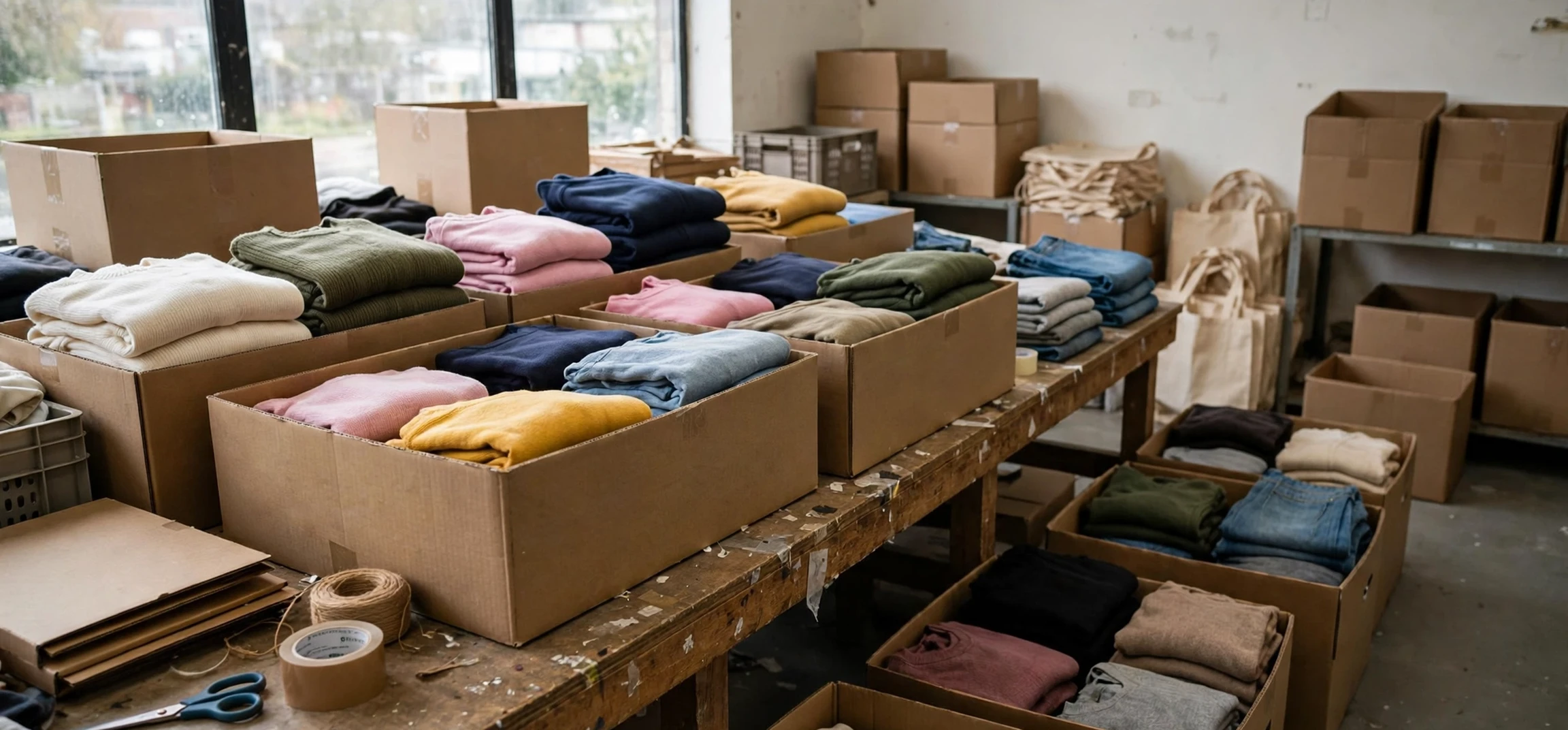
A goodwill donation price is not a fixed price tag, and understanding that distinction is the key to valuing donated items fairly and confidently. When people search for a goodwill donation price, they usually mean one of two things: how much a donated item might be worth for tax or record-keeping purposes, or what sort of amount a charity shop might assign to a similar item. Goodwill organisations are charitable organisations that sell donated goods to fund employment and community programmes, and they do not publish a single universal price list that applies everywhere, because values depend on condition, location, and the current market. This guide explains how donation values are estimated, what affects them, how to keep good records, and where to check official guidance, without presenting any figure as a current or guaranteed price.
Whether you are clearing out a home, donating after a move, or preparing records for a tax return, a goodwill donation price should be treated as an estimate based on fair market value, not as a sale price or a promise. The sections below explain that concept in plain language, show how different categories of items are typically assessed, and set out the practical steps that donors in the United States, the United Kingdom, and elsewhere should follow. Where rules differ by country, this guide flags the difference and directs you to the official source for your jurisdiction.
A goodwill donation price is an estimate of fair market value, not a figure fixed by the charity.
Goodwill Donation Price Explained
A goodwill donation price, in the sense most donors mean it, is an estimate of an item’s fair market value at the time of donation. Fair market value means the amount a willing buyer would pay a willing seller for the item in its present condition, in the place where it is donated. It is not the original purchase price, it is not the replacement cost of a new item, and it is not the amount the charity later sells the item for, although those figures can be useful reference points. A sofa bought for a large sum ten years ago, for example, will usually have a much lower fair market value today if it shows wear, while a well-kept branded item in good condition may retain more of its value.
Goodwill organisations themselves generally do not assign a tax value to your donation. Staff at a donation centre can give you a receipt confirming that you donated items on a particular date, but they do not usually appraise each item for you. That responsibility rests with the donor, who is expected to make a reasonable estimate and to keep records supporting it. Official valuation guides published by charitable organisations and tax authorities exist to help donors make those estimates, and they typically present ranges rather than single figures, precisely because condition matters so much.
Anyone estimating a goodwill donation price should start with condition, since condition moves value most.
It is important to be realistic and consistent. Overstating values can cause problems if a tax return is examined, while understating them simply means you do not claim the full benefit you are entitled to. A sensible approach is to compare your item with similar items in a similar condition, note the basis for your estimate, and keep photographs and receipts. That habit protects you and makes the whole process quicker the next time you donate.
What Affects a Donation’s Value?
Condition is the single largest factor in any goodwill donation price estimate. An item that is clean, complete, undamaged, and in working order will be valued higher than the same item with stains, missing parts, or faults. For clothing, that means no tears, stains, or excessive wear, and for electronics it means that the item powers on, includes its essential accessories where possible, and has been reset to remove personal data. Donating items in the best condition you can reasonably achieve is both generous and practical, because items in poor condition may not be saleable at all and may cost the charity money to dispose of.
A goodwill donation price for clothing depends on brand and wear, while furniture depends on size and resale ease.
Brand, age, and category also matter. Some categories, such as furniture, household goods, and clothing, are donated in large volumes, so their typical values reflect a busy second-hand market. Other categories, such as musical instruments, collectables, or specialist equipment, vary much more widely, and a general guide may not capture the value of a rare or high-quality piece. Age cuts both ways: a recent item in good condition often retains more value, but a genuinely vintage or collectable item may be worth more precisely because it is old and scarce. When an item may be unusual or valuable, a specialist appraisal is worth considering.
Location and season play a smaller but real part. Second-hand markets differ by region, and seasonal items, such as winter coats or garden furniture, may be in greater demand at certain times of year. None of this means you should time donations purely for value; the charitable purpose comes first. It does mean, however, that a valuation guide should be treated as a starting point for your area, not as a national fixed price.
Published guides help set a goodwill donation price, but they give ranges that must be matched to the item.
How to Estimate a Goodwill Donation Price
Start by listing what you donated, item by item, with a brief description and a note of its condition. Group similar items together only where it is genuinely helpful; a bag of mixed clothing is harder to value fairly than a list that separates coats, shirts, and trousers. For each item or group, ask what a similar item in a similar condition sells for second-hand in your area. Charity shop price tags, second-hand listings, and published valuation guides can all inform that judgement, but none of them should be copied uncritically: a single listing is not a market, and a guide range still requires you to choose the point in the range that matches your item’s condition.
Next, apply a condition adjustment honestly. If your item is in excellent condition, the upper part of a published range may be reasonable. If it is in good but used condition, the middle is more appropriate. If it shows clear wear, the lower part is the honest choice. Write down your reasoning in a sentence or two per item or group. That note, kept with your receipt, is the evidence that your estimate was reasonable, and it is far more useful than a bare total with no explanation.
A goodwill donation price should be recorded with its basis, so a tax claim can be supported if checked.
For higher-value items, take extra care. Tax authorities in several countries set thresholds above which a formal appraisal or additional documentation is required for a deduction claim. The exact threshold and the required form differ by jurisdiction and change over time, so check the current official guidance for your country before you claim. If an item, or a group of similar items donated together, may exceed that threshold, seek professional advice rather than guessing. A qualified appraisal costs money, but it is the correct route for genuinely valuable donations.
Photographs are a simple and powerful record. A quick photograph of each significant item, or of each bag or box before it is sealed, takes moments and provides a clear record of condition. Keep those photographs with your donation receipt and your valuation notes, ideally in a single folder for the tax year. If you donate regularly, a simple spreadsheet with columns for date, item, condition, estimated value, and basis of estimate will make year-end record-keeping far easier.
For electronics, a goodwill donation price assumes the item works and personal data has been removed.
Valuing Common Categories
Clothing is the most common donation category, and its values are usually modest per item, with outerwear and suits typically valued higher than everyday shirts and trousers. The key variables are brand, condition, and whether the item is a complete set. A suit with both jacket and trousers, in good condition, is worth more than a lone jacket. Children’s clothing, donated in large quantities, is usually valued at the lower end unless it is a branded or barely worn piece.
Furniture values depend heavily on size, condition, and whether the piece can be transported and resold easily. Small, sturdy items such as chairs, side tables, and bookshelves are straightforward. Large upholstered items are harder: a clean, undamaged sofa from a known maker may hold value, while a stained or damaged one may have little or no resale value and may not be accepted at all. Always check with the receiving organisation whether large items are accepted and whether collection is available before assuming a donation will be taken.
A goodwill donation price that ignores damage will overstate value and create problems later.
Household goods, kitchenware, books, toys, and electronics follow the same principle: completeness and working order matter. A complete set of dishes is worth more than a mixed box of singles. A book in good condition has a small but real value, while a damaged or outdated textbook may have none. Electronics should be tested, cleaned, and reset, and any personal data removed, before donation. Items that cannot be tested or that contain personal data that cannot be removed should not be donated in that state.
Vehicles, property, and other high-value donations follow different rules entirely and are outside the scope of a general guide. If you are considering donating a vehicle or property, seek specialist advice from the charity and from a tax professional, and do not rely on a general valuation range.
Season and location can shift a goodwill donation price slightly, but they never turn a worn item into a valuable one.
| Category | Key value factors | Record to keep |
|---|---|---|
| Clothing | Condition, brand, completeness of sets | Item list, condition note, photograph |
| Furniture | Condition, size, maker, ease of resale | Description, dimensions, photograph |
| Household goods | Completeness, working order, cleanliness | Item list, condition note |
| Electronics | Working order, accessories, data removed | Test note, reset confirmation, photograph |
| Books and media | Condition, edition, completeness | Title list, condition note |
Tax, Receipts, and Record-Keeping
Tax treatment of charitable donations varies by country, and in the United States it also varies by whether you itemise deductions. In general, a donor who wishes to claim a deduction must have a receipt from the charity, must be able to show the items donated and their fair market value, and must follow the documentation rules that apply to the total claimed. In the United Kingdom, Gift Aid works differently: it allows the charity to reclaim tax on a monetary donation, but it does not normally apply to donated goods in the same way, and donors should check the current Gift Aid rules for goods sold on their behalf. This guide does not give tax advice; it explains the record-keeping that makes any claim supportable, and readers should check the official guidance of their tax authority for the current rules.
A good donation record has five elements: the date of donation, the name of the receiving organisation, a description of the items, your estimate of fair market value with a brief basis, and the receipt itself. Keep those records for at least as long as your tax authority requires, which is commonly several years. If you donate through a charity shop that sells goods on your behalf under a Gift Aid arrangement, keep the shop’s documentation as well, since that scheme has its own paperwork.
For high-value items, a goodwill donation price may need a formal appraisal rather than a guide range.
For readers who want to compare official approaches to valuing donations, our guide to donation valuation guidance explains how published guides are structured, and our related Goodwill donation value overview sets out the same principles from a different angle. Both are useful background, but neither replaces the official guidance for your jurisdiction, which should always be your final check. A third useful reference is our guide to published value guides, which explains how to read a valuation range without treating it as a fixed price.
Donating Well: Practical Tips
Donating well starts before you leave home. Sort items by category, check each one for damage, clean what can be cleaned, and set aside anything that is broken, stained beyond use, or missing essential parts. Charities are grateful for usable goods, but unusable goods create disposal costs that reduce the funds available for their programmes. If you are unsure whether an item is acceptable, contact the donation centre in advance rather than leaving it and hoping.
Keeping photographs alongside a goodwill donation price estimate makes record-keeping far more reliable.
Pack items carefully. Use sturdy bags or boxes, label them by category where helpful, and keep fragile items separate. For electronics, include chargers and cables where you have them, and make sure personal data has been removed. For furniture, measure doorways and check whether collection is offered; a donation that cannot be collected or delivered safely helps nobody.
Finally, ask for a receipt at the time of donation and check it before you leave. A receipt should show the date and the organisation’s name, and you should add your own item list to it as soon as you get home, while the details are fresh. That small habit is the difference between a smooth record-keeping process and a scramble at the end of the tax year.
Donors who treat a goodwill donation price honestly protect both themselves and the charity’s work.
Frequently Asked Questions
What is a goodwill donation price?
It is an estimate of an item’s fair market value at the time of donation, meaning what a willing buyer would pay a willing seller for that item in its present condition. It is not a fixed price, and it is not set by the charity for tax purposes.
Does Goodwill tell me the value of my donation?
Generally, no. Goodwill organisations usually provide a receipt confirming the donation, but the donor is responsible for estimating fair market value. Published valuation guides from charities and tax authorities can help you make that estimate.
Finally, a goodwill donation price is only part of donating well; usability and good packing matter just as much.
Should I use a published valuation guide as an exact price?
No. Guides present ranges, and you should choose the point in the range that matches your item’s condition, brand, and local market. Always check the official guide for your jurisdiction, since figures and rules change over time.
What records should I keep for a donation?
Keep the date, the organisation’s name, a description of the items, your value estimate with its basis, photographs where helpful, and the receipt, for at least as long as your tax authority requires.
Checking official guidance before claiming a goodwill donation price is essential, since rules change over time.
Conclusion
A goodwill donation price is best understood as a careful estimate, not a price tag. Fair market value depends on condition, brand, category, and local market, and it is the donor’s job to estimate it honestly, to record the basis for that estimate, and to keep the receipt and photographs that support it. Published valuation guides are helpful starting points, but they present ranges, not fixed figures, and official guidance for your country should always be the final check, especially for higher-value items or tax claims. Donate items that are clean, complete, and usable, keep good records, and check with the receiving organisation if you are unsure about acceptance. Done that way, donating is straightforward, generous, and properly documented, which is good for the donor, good for the charity, and good for the people its programmes serve.



