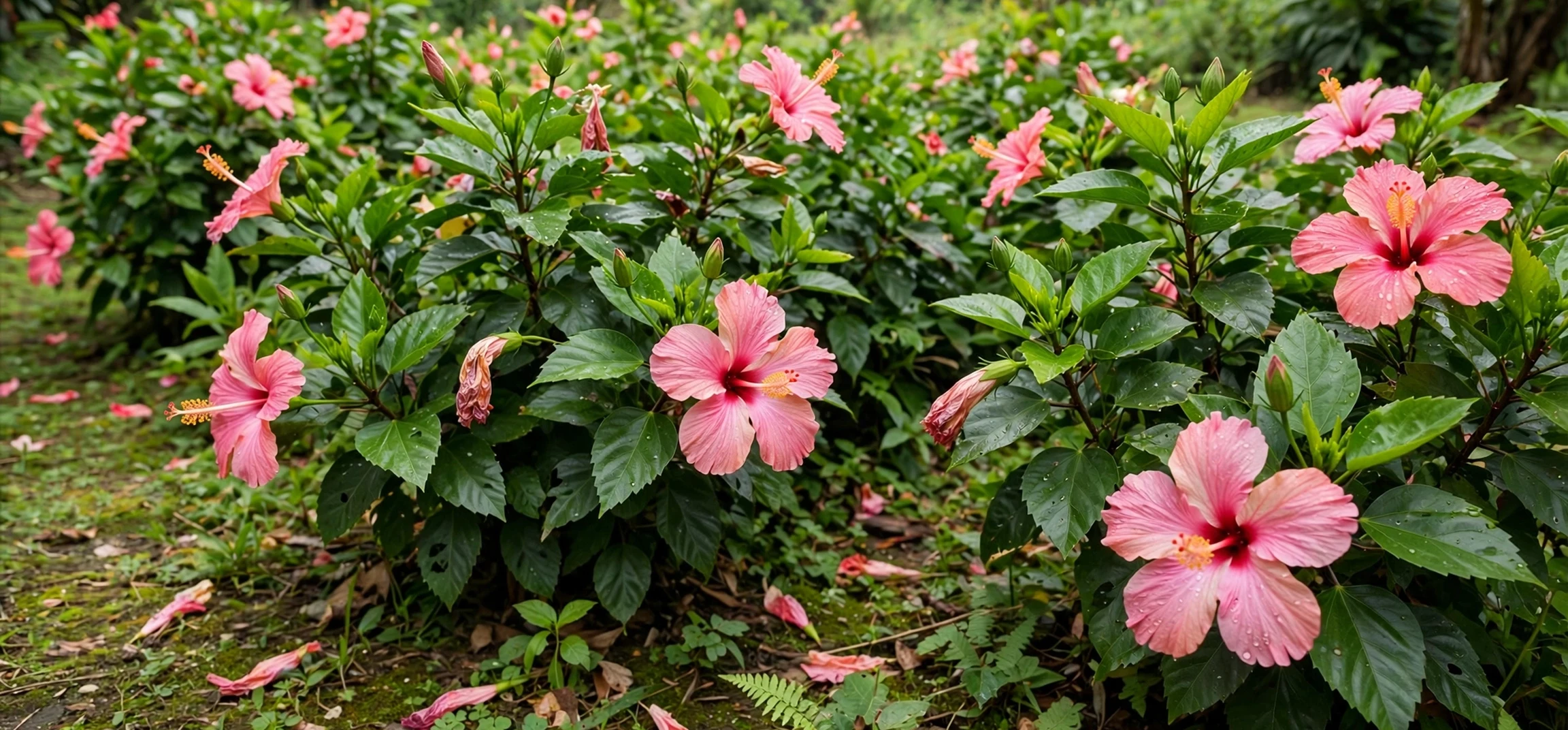
If you are exploring hawaiian women names for a baby, a character, or simply out of love for Hawaiian culture, you will find names that sound like music and carry meanings tied to the ocean, the sky, flowers, and family. Hawaiian women names are rooted in the Hawaiian language, a Polynesian language in which sounds, nature imagery, and relationships all shape meaning. In this guide, we share well-known hawaiian women names, explain what they commonly mean, and offer respectful guidance on pronunciation, spelling, and cultural context, so you can choose or appreciate these names with care.
Hawaiian naming traditions deserve respect. Names are not just labels in Hawaiian culture; they can honour ancestors, mark a birth story, or carry a hope parents hold for a child. Some names are given after careful thought and family discussion, and some carry deep personal or spiritual significance. This guide focuses on name meanings that are widely shared in public naming references, and it notes where meanings can vary. When in doubt about a particular name, the most respectful step is to learn from Hawaiian language sources and from Native Hawaiian voices.
Understanding hawaiian women names and Their Roots
The Hawaiian language has a small set of sounds compared with English, which gives these names their flowing, vowel-rich quality. Words often combine elements that describe nature, such as lani, meaning sky or heaven, kai, meaning sea, and pua, meaning flower. When these elements join with other words, they create names that read almost like short poems. For example, a name that pairs the sea with the sky can suggest beauty, vastness, and calm all at once.
Spelling also matters. Hawaiian uses the okina, a glottal stop marked with a reversed apostrophe, and long vowels marked with a line called a kahako. These marks change pronunciation and sometimes meaning, so two names that look similar in plain English spelling may sound quite different in Hawaiian. If you choose a Hawaiian name, learning the correct spelling and pronunciation is a meaningful way to honour the language.
It is also worth remembering that these names are living cultural heritage, not a trend to borrow lightly. Using a name with understanding, pronouncing it as correctly as you can, and learning something about the culture behind it shows respect. This guide aims to support that kind of thoughtful appreciation.
Popular hawaiian women names and Their Meanings
The names below are among the most widely recognised hawaiian women names. Meanings are given as they are commonly understood in naming references; some names have more than one accepted interpretation, and families may attach their own personal meaning as well.
Leilani
Leilani is one of the best-known Hawaiian names. It combines lei, a garland of flowers, with lani, meaning heavenly or sky, and is commonly understood as heavenly flower or heavenly lei. It is a gentle, celebratory name that evokes beauty and welcome.
Malia
Malia is the Hawaiian form of Mary. It is widely used in Hawaii and is often associated with calm and grace. Because it is a Hawaiian adaptation of a familiar name, it bridges cultures while remaining distinctly Hawaiian in sound.
Nalani
Nalani combines na, a plural or possessive element, with lani, and is commonly understood as the heavens or heavenly. It is a serene name that points upward, toward the sky and its quiet beauty.
Kailani
Kailani joins kai, meaning sea, with lani, meaning sky or heaven, and is commonly understood as sea and sky. It suits families who love the ocean and the open horizon, and it is a favourite among modern Hawaiian names.
Noelani
Noelani is commonly understood as heavenly mist. The image is soft and poetic: mist drifting over mountains or settling above the sea at dawn. It is a name that carries a sense of mystery and calm.
Moana
Moana means ocean in Hawaiian and in several other Polynesian languages. As a name, it honours the sea as a source of life, travel, and connection between islands. It is simple, strong, and deeply rooted in Pacific identity.
Mahina
Mahina means moon. In Hawaiian tradition, the moon marks time, tides, and planting cycles, so the name carries associations with rhythm, light in darkness, and natural wisdom.
Hokulani
Hokulani combines hoku, meaning star, with lani, and is commonly understood as heavenly star. It is a luminous name, often chosen for a child seen as a bright light in the family.
Anela
Anela is the Hawaiian form of Angela and is commonly understood as angel or messenger. Like Malia, it shows how Hawaiian has welcomed and reshaped names from other languages into its own sound system.
Lokelani
Lokelani is commonly understood as heavenly rose. Hawaii state flower is the yellow hibiscus, and roses in Hawaiian naming carry the same sense of cherished beauty. The name is elegant and floral without being fragile.
Alana
Alana is commonly understood as awakening or offering, depending on the source. It is a short, warm name that works well across languages while keeping a Hawaiian feel.
Kalani
Kalani combines ka, the definite article, with lani, and is commonly understood as the heavens or the sky. Although used for all genders in Hawaii, it appears frequently among hawaiian women names and carries a calm, expansive feeling.
Hawaiian Women Names at a Glance
| Name | Commonly Understood Meaning | Key Element |
|---|---|---|
| Leilani | Heavenly flower or heavenly lei | Lei and lani |
| Malia | Hawaiian form of Mary | Adapted name |
| Nalani | The heavens | Lani |
| Kailani | Sea and sky | Kai and lani |
| Noelani | Heavenly mist | Lani |
| Moana | Ocean | Sea |
| Mahina | Moon | Celestial |
| Hokulani | Heavenly star | Hoku and lani |
| Anela | Angel | Adapted name |
| Lokelani | Heavenly rose | Lani |
| Alana | Awakening | General |
| Kalani | The heavens | Lani |
How to Choose Among hawaiian women names
Choosing a name is personal, and hawaiian women names offer many paths. Some families prefer a nature name such as Mahina or Moana, while others prefer a name that honours a relative or a family story. Think about how the name sounds with a surname, how it will be pronounced by teachers and friends, and whether you are comfortable teaching others the correct pronunciation. A name you love and can say with confidence will serve a child well.
Consider meaning alongside sound. A name such as Noelani may appeal for its misty imagery, while Hokulani may appeal for its starlight. There is no right answer; the best name is one whose meaning resonates with you and whose story you are happy to tell. If you are choosing for a character in a story, the same care applies: a well-chosen name can deepen a character, while a careless choice can feel shallow.
For broader naming inspiration, you can also explore how names work in other traditions. Our guide to the meaning of Madeline and our look at the meaning of Blaise show how name meanings travel across languages, just as Hawaiian names have travelled across the Pacific and beyond.
Pronunciation Tips for hawaiian women names
Hawaiian pronunciation is more regular than English, which helps once you learn a few rules. Every vowel is pronounced, and vowels generally sound as follows: a as in father, e as in bet, i as in see, o as in boat, and u as in moon. Consonants are similar to English, with some exceptions, and each syllable usually ends in a vowel. That is why Hawaiian names flow so smoothly.
Take Leilani as an example: it is pronounced roughly lay-lah-nee, with each syllable clear and even. Kailani is roughly ky-lah-nee, and Nalani is roughly nah-lah-nee. Listening to native speakers, whether through language lessons or Hawaiian media, is the best way to refine your pronunciation. Do not be discouraged if it takes practice; the effort itself is appreciated.
Spelling with the okina and kahako helps pronunciation, but many English-language lists omit these marks. If you see a name written both with and without marks, treat the marked version as the more precise Hawaiian spelling. When you write the name for official use, follow the spelling preferred by the family or the bearer of the name.
Frequently Asked Questions About hawaiian women names
What are the most popular hawaiian women names?
Leilani, Malia, Kailani, and Nalani are among the most popular Hawaiian names for women in public naming lists. Their popularity comes from beautiful sounds, clear nature meanings, and ease of pronunciation for English speakers.
Do hawaiian women names always describe nature?
Many do, because nature imagery is central to the Hawaiian language, but not all. Some hawaiian women names are Hawaiian forms of names from other languages, such as Malia and Anela, while others honour family or personal stories.
Can a Hawaiian name be used by someone without Hawaiian ancestry?
Many people do use Hawaiian names with admiration and respect. The respectful approach is to learn the correct pronunciation and meaning, understand something of the culture, and avoid treating the name as a costume or a joke. Families with Hawaiian roots may have their own views, and those views deserve respect.
Why do some Hawaiian names have several meanings?
Hawaiian words can combine elements in ways that allow more than one reading, and different naming references may emphasise different elements. Treat meanings as commonly understood rather than as a single fixed definition, and value the meaning a family attaches to the name.
How do I find more hawaiian women names?
Hawaiian language dictionaries, cultural organisations, and naming guides are good starting points. You may also enjoy browsing related name lists, such as our collection of Hawaiian female names for pets, which shows how the same beautiful sounds appear in many contexts.
Conclusion
Hawaiian women names offer a wonderful blend of sound, nature, and story, from the heavenly flower of Leilani to the ocean of Moana and the moonlight of Mahina. The best way to appreciate them is to learn their meanings carefully, pronounce them as correctly as you can, and honour the culture that created them. Whether you are naming a child, a character, or simply learning, take time to explore the language behind the name. A name chosen with understanding becomes more than a beautiful sound; it becomes a small bridge to Hawaiian language, land, and heritage.