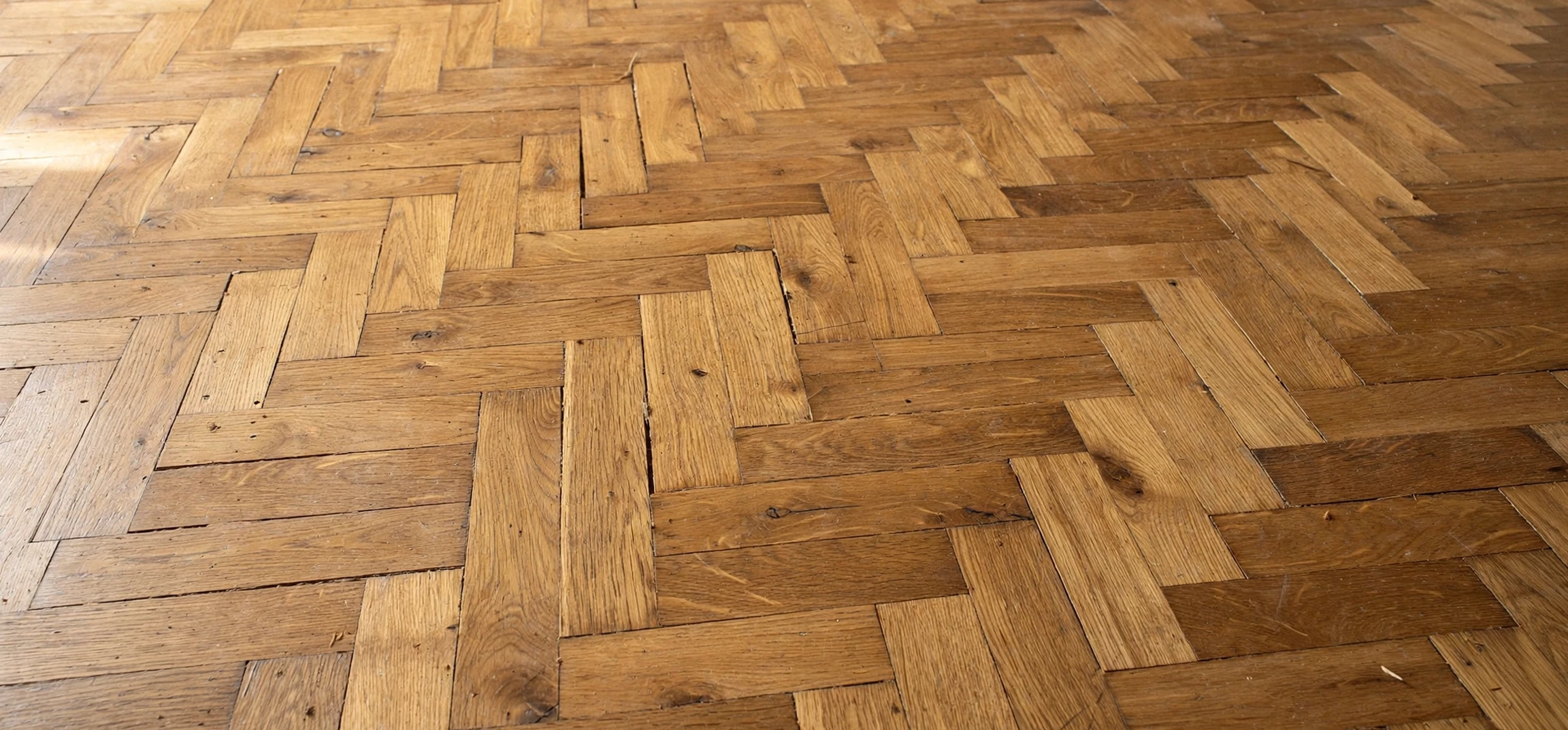
When people search for “meaning herringbone”, they usually want a simple answer to a surprisingly slippery question: is herringbone a pattern, a fabric, a type of flooring, or all three? The answer is that herringbone is first and foremost a pattern, named after the skeleton of a herring fish, and it appears across flooring, textiles, brickwork, and jewellery because the same zigzag arrangement works beautifully in many materials. Understanding the herringbone meaning means recognising that distinctive broken zigzag, knowing how it differs from the similar chevron pattern, and seeing why designers have returned to it for centuries, from Roman roads to modern living rooms.
The name itself tells the story. A herring’s backbone has fine bones angling off a central spine in a repeated V shape, and the herringbone pattern copies that structure: rectangular pieces are laid at right angles to one another so that each piece meets the next at a ninety-degree corner, creating a staggered zigzag that runs across the surface. Unlike a simple straight or diagonal layout, the herringbone meaning includes this sense of ordered energy, a surface that feels both classic and dynamic at the same time. That combination is why the pattern never really goes out of style, even as trends in colour and material change around it.
Meaning Herringbone Explained
At its simplest, the herringbone meaning is a V-shaped zigzag pattern formed by rectangles arranged at right angles. Each rectangle, whether it is a plank of wood, a brick, a tile, or a woven thread, is placed so that its end meets the side of the next piece, and the pattern repeats in columns that zigzag back and forth. The result looks like a series of broken Vs rather than a continuous zigzag line, and that broken quality is the key visual test. If the zigzag is continuous and unbroken, you are probably looking at chevron, not herringbone, a distinction that matters when you are ordering materials or describing a design to a contractor.
The pattern’s history is long. Versions of herringbone appear in Roman road construction, where small stones were laid in the arrangement to create durable, interlocking surfaces that could bear heavy traffic. It later became a staple of fine European interiors, especially in French parquet flooring, where the precision of the pattern signalled craftsmanship and wealth. In textiles, herringbone twill became a classic suiting fabric, prized for its subtle texture and durability. Across all these uses, the herringbone meaning has stayed consistent: a practical arrangement that happens to look refined, because the interlocking geometry distributes weight and wear evenly.
Word meanings in design often borrow from the natural world, and herringbone is a good example of how a descriptive name sticks. Just as other everyday terms carry a story about their origin, which readers explore in guides like our look at the meaning of a popular slang term, herringbone survives because the fishbone image makes the pattern instantly recognisable once you have seen it. You do not need a design degree to spot it; you only need to know what to look for.
Meaning Herringbone vs Chevron: The Key Difference
The most common confusion around the herringbone meaning is the difference between herringbone and chevron, and the distinction is worth learning because the two patterns are priced, cut, and installed differently. In herringbone, rectangular pieces are laid at right angles, so every joint forms an L-shaped corner and the zigzag is broken at each step. In chevron, pieces are cut at an angle, usually forty-five degrees, so that they meet point to point and form a continuous, unbroken zigzag that runs in a clean V down the surface.
Practically, this means herringbone can be laid with standard rectangular planks, tiles, or bricks, while chevron requires specially cut pieces, which often makes chevron more expensive and more wasteful to install. Visually, herringbone feels more textured and traditional, with a woven, almost basket-like quality, while chevron feels sleeker and more modern, with long lines that draw the eye along the room. Neither is better in absolute terms; the choice depends on the room, the material, and the mood you want. But using the right name matters when you are shopping, because ordering chevron when you meant herringbone, or the reverse, can lead to the wrong materials arriving on site.
A quick way to remember the difference is to picture the fishbone again. Herringbone keeps the staggered, step-like rhythm of bones branching off a spine, while chevron smooths that rhythm into a single continuous arrow. Once you have seen both side by side, the difference becomes hard to unsee, and you will start noticing it in shops, hotels, and homes everywhere.
Herringbone in Flooring
Flooring is where most people encounter herringbone today, and it is also where the pattern makes its strongest impression. Herringbone wood flooring, whether solid hardwood, engineered wood, or luxury vinyl, turns a plain floor into a feature, adding movement and visual interest without needing bold colours. It works particularly well in hallways, living rooms, and entryways, where the zigzag draws the eye forward and makes a space feel considered rather than merely finished. Designers often recommend it for rooms where the floor is a major part of the look, since the pattern rewards attention.
There are practical considerations too. Herringbone flooring usually costs more to install than straight plank flooring, because laying the pattern takes more time, more skill, and more cuts, especially around edges and doorways. It can also use slightly more material, since offcuts from the pattern are harder to reuse. On the other hand, the interlocking layout is stable and durable, and it hides minor wear well, because the eye reads the overall pattern rather than individual scratches. For a long-term home, many owners find the extra installation cost worthwhile, and the pattern’s timelessness means it is unlikely to date the way a bolder trend might.
Colour and plank size change the effect dramatically. Large planks in a pale oak give a calm, contemporary feel, while smaller, darker blocks feel traditional and formal. Running the pattern in a single direction can lengthen a room visually, and pairing it with simple walls and furniture lets the floor do the talking. If you are planning a renovation, ask your installer to show you samples laid in herringbone rather than judging from a single plank, because the pattern only reveals itself at scale.
Herringbone in Fashion and Textiles
In fashion, herringbone usually means herringbone twill, a woven fabric in which the twill weave reverses direction at regular intervals to create the characteristic zigzag. It is a classic suiting and outerwear fabric, used for jackets, trousers, coats, and skirts, and it is valued for being both durable and subtly textured. From a distance, herringbone tweed or wool can look almost plain, but up close the zigzag adds depth that a flat weave lacks, which is why it remains a favourite for tailored clothing that needs to look refined without shouting.
The fabric’s history is tied to workwear as much as to tailoring. Herringbone twill was used for military uniforms and durable work clothes because the weave is strong and resists tearing, and it later moved into mainstream fashion as designers appreciated its texture. Today you will find it in everything from casual cotton shirts to heavy winter coats, and in accessories such as scarves and bags. The herringbone meaning in textiles is therefore the same as in flooring, a zigzag structure, but the scale is smaller and the effect is more about touch and close-up detail than about transforming a room.
Caring for herringbone fabrics is straightforward: follow the garment’s care label, since the weave itself does not demand special treatment, but be aware that the textured surface can show wear differently from a flat fabric. In wool tailoring, regular brushing keeps the pattern crisp, and in cotton versions, normal washing is usually fine. The pattern’s durability is part of its appeal; a well-made herringbone jacket often outlasts plainer equivalents.
Herringbone in Brickwork and Other Design
Beyond floors and fabrics, herringbone appears in brickwork, tiling, paving, and jewellery. In brick patios and paths, herringbone brickwork is prized for its interlocking strength: because each brick is held by its neighbours at right angles, the surface resists shifting under foot traffic and vehicle weight better than a simple running bond. That is why the pattern has been used for roads and courtyards for centuries, and why it remains a popular choice for driveways and garden paths today.
In tiling, herringbone is a favourite for kitchen backsplashes and bathroom walls, where small rectangular tiles in the pattern add interest to an otherwise plain surface. The effect can be subtle with matching grout or dramatic with contrasting grout that traces every zigzag. In jewellery, herringbone chains use flattened links woven in the same staggered arrangement, creating a flexible, liquid-looking chain that drapes beautifully. Each application uses the same geometry, which is a reminder of how versatile a simple idea can be when it is structurally sound.
For anyone learning design vocabulary, herringbone is also a useful reminder that technical terms often have plain-language roots. Exploring how words are defined and used, as in our guide to technical meanings explained, helps you read design descriptions with more confidence, whether you are shopping for flooring, choosing fabric, or briefing a builder. Knowing the term is half the job; knowing what it looks like in practice is the rest.
| Use | Typical material | Look and feel | Best for |
|---|---|---|---|
| Flooring | Wood, engineered wood, vinyl, tile | Bold zigzag, room-defining | Hallways, living rooms, entries |
| Fashion | Wool, tweed, cotton twill | Subtle texture, tailored | Jackets, coats, suiting |
| Brickwork | Clay brick, stone pavers | Interlocking, durable | Patios, paths, driveways |
| Tiling | Ceramic, porcelain, marble | Detailed, decorative | Backsplashes, bathrooms |
| Jewellery | Gold, silver chains | Smooth, fluid drape | Necklaces, bracelets |
How to Use Herringbone at Home
If you are thinking of using herringbone in your own home, start with the room’s role. In a busy family space, a durable herringbone floor in a mid-tone wood will handle traffic gracefully and age well. In a smaller room, a herringbone backsplash or a single feature wall of tiles can give you the pattern’s charm without the cost of a full floor. Balance is important: because the pattern is visually busy, it pairs best with plain walls, simple furniture, and restrained colour palettes, so the room feels layered rather than cluttered.
Budget realistically. Get quotes that separate material and labour, because herringbone labour is higher than straight laying, and ask whether your installer has done the pattern before. A first-time attempt can lead to uneven joints that spoil the effect. Also check your subfloor and room dimensions: very small or awkwardly shaped rooms can make the pattern hard to lay cleanly, and a good installer will tell you honestly whether the room suits it. Watching home-renovation shows can be a fun way to see the pattern in finished rooms, and for many viewers that kind of makeover viewing is genuinely binge-worthy, but a show is no substitute for a site visit and a proper quote.
Finally, remember that herringbone is a long-term choice. Trends in paint colours and furniture come and go, but a well-laid herringbone floor or a classic herringbone coat tends to look right for decades. That longevity is part of the pattern’s appeal and part of its value: you are not buying a novelty, you are buying a piece of design history that has already survived several centuries of changing taste. For a deeper sense of how names and patterns carry history, see our guide to the meaning behind a classic name, which shows how much story a single word can hold.
Frequently Asked Questions
What does herringbone mean?
Herringbone means a zigzag pattern formed by rectangles laid at right angles, named after the bone structure of a herring fish. It is used in flooring, textiles, brickwork, tiling, and jewellery.
What is the difference between herringbone and chevron?
Herringbone uses rectangles at right angles, creating a broken zigzag, while chevron uses angled cuts that meet point to point, creating a continuous zigzag. Herringbone can use standard rectangles; chevron needs specially cut pieces.
Is herringbone flooring expensive?
It usually costs more than straight plank flooring because installation takes more time and skill, and it may use slightly more material. Many owners consider it worthwhile for its durability and timeless look.
Where is herringbone used?
It is used in wood and tile flooring, woven fabrics such as tweed and twill, brick patios and paths, kitchen backsplashes, and herringbone chain jewellery.
Conclusion
The herringbone meaning is simple once you see it: a broken zigzag of rectangles at right angles, named for a fishbone and used wherever a strong, beautiful pattern is needed. From Roman roads to tailored jackets and modern kitchens, it has survived because it is both practical and elegant, interlocking for strength while pleasing the eye with its rhythmic movement. Whether you are choosing flooring, buying a coat, or simply settling a friendly argument about chevron, knowing the herringbone meaning gives you the vocabulary to describe what you are seeing and the confidence to choose well. Look for the broken zigzag, check the right angles, and you will never confuse it again.