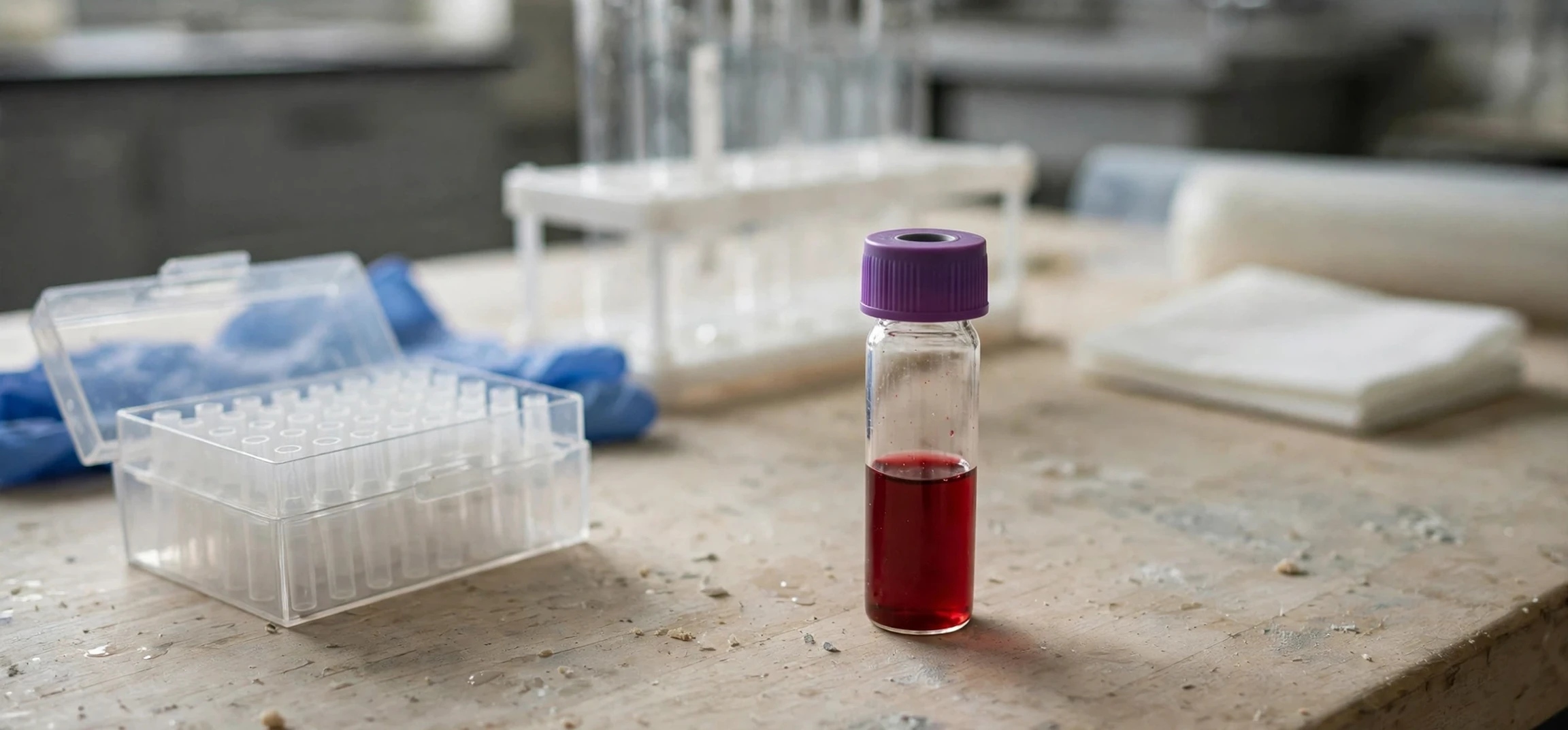
A high rbc blood count on a laboratory report can be alarming the first time you see it, especially when the result is flagged in bold or marked as out of range. RBC stands for red blood cells, the cells that carry oxygen around the body. When the count is higher than the laboratory’s reference range, it is called erythrocytosis or polycythaemia, depending on the context. This guide explains what the result means in general terms, what can cause it, and what usually happens next. It is educational information only and cannot diagnose any individual condition, so treat it as background for a conversation with your clinician, not as a conclusion.
What Does a High RBC Blood Count Mean?
Red blood cells are produced in the bone marrow, and their numbers are carefully regulated. The body increases production when it senses a need for more oxygen-carrying capacity, for example at high altitude or when lung function is reduced. A high count therefore means the body is carrying more red cells than usual, which thickens the blood slightly and can, in some cases, affect circulation.
It is important to know that a single flagged result is not a diagnosis. Laboratory reference ranges are set so that a small proportion of healthy people fall outside them. Dehydration, recent exercise, smoking, and even the time of day can nudge a result. Clinicians therefore look at trends, at other blood results alongside the RBC count, and at your symptoms and history before drawing any conclusions.
Common Causes of a High RBC Count
Causes fall broadly into two groups. In the first, the body is responding appropriately to low oxygen: living at altitude, chronic lung conditions, sleep apnoea, and smoking can all stimulate extra red cell production. In the second, the bone marrow produces too many red cells on its own, a condition known as polycythaemia vera, which is a rarer, long-term blood disorder managed by specialists.
Other contributors include dehydration, which concentrates the blood and can make the count appear higher than it truly is, and certain kidney conditions that affect the hormone controlling red cell production. Some medicines and, in athletes, misuse of performance-enhancing substances can also raise the count. Your clinician’s job is to sort among these possibilities, which is why a detailed history matters as much as the number itself.
High RBC Blood Count: Questions to Ask Your Clinician
Going to an appointment with a short list of questions makes the visit far more useful. Ask whether the result has been seen before and whether it is rising, stable, or falling. Ask which companion results were abnormal, if any, and whether a repeat test is planned. Ask about smoking, sleep, altitude, and medicines, since each can influence the count, and ask what signs should prompt you to seek care sooner rather than waiting for the next appointment.
It is also worth asking what the clinician is ruling out, not just what they suspect. A good explanation covers both the likely explanations and the rarer ones being checked, and it gives you a timeline: when to expect the repeat result, when to return, and what would trigger a referral. Writing down the answers, or bringing someone with you to take notes, helps, because medical appointments contain a great deal of information and it is easy to forget details afterwards.
High RBC Blood Count: Symptoms People Sometimes Notice
Many people with a mildly high RBC count notice nothing at all, and the result is found only on a routine blood test. When symptoms do occur, they are often vague: headache, dizziness, tiredness, itching after a hot shower, or a reddish tinge to the face. None of these symptoms is specific to a high RBC count, which is another reason not to self-diagnose from a single result or a list of symptoms online.
More serious symptoms, such as chest pain, breathlessness, vision changes, or weakness on one side of the body, warrant prompt medical attention regardless of any blood result. Do not wait for a routine appointment if you experience those: seek urgent care.
What Happens After a High Result?
The usual next step is a repeat blood test. If the count normalises, the first result may have reflected dehydration or a temporary factor. If it stays high, the clinician will typically review your full blood count, check iron levels and kidney function, ask about smoking, altitude, sleep, and breathing, and may refer you to a haematologist for further assessment.
| Step | What It Involves | Why It Matters |
|---|---|---|
| Repeat test | Fresh blood sample after days or weeks | Confirms whether the result persists |
| Full blood count review | Haemoglobin, haematocrit, other cell lines | Shows the wider picture |
| History and examination | Symptoms, smoking, altitude, medicines | Identifies likely causes |
| Specialist referral | Haematology assessment if needed | Rules out rarer bone-marrow conditions |
Management, where needed, depends entirely on the cause. It may involve treating an underlying lung or sleep condition, stopping smoking, addressing dehydration, or, for polycythaemia vera, specialist treatments that reduce red cell mass. There is no single treatment for “a high RBC count” in the abstract, because the count is a sign, not a disease in itself.
Can You Lower RBC Naturally?
It is tempting to search for foods or supplements that lower red cell counts, but there is no safe do-it-yourself route, and attempting to thin the blood without guidance can be dangerous. The sensible, general steps are the familiar ones: stay well hydrated, do not smoke, and follow your clinician’s advice about any underlying condition. Blood donation is sometimes discussed in the context of polycythaemia management, but it is a medical decision, not a self-treatment, and should only happen under clinical direction.
What you can do is prepare well for your appointment: note when the test was taken, whether you were ill or dehydrated, what medicines you take, and any symptoms you have noticed. That information helps your clinician interpret the result far more accurately than the number alone.
Frequently Asked Questions
Is a high RBC count dangerous?
It depends on the cause and the degree. A mildly raised count is often harmless and temporary, while a persistently high count needs investigation. Your clinician can put your result in context.
Can dehydration cause a high RBC reading?
Yes. Dehydration concentrates the blood, which can raise the measured count. That is one reason a repeat test is often the first step.
Does a high RBC count mean cancer?
Not usually. Most causes are not cancer, although one rarer cause, polycythaemia vera, is a chronic blood disorder that specialists manage long term. Investigation is how the distinction is made.
Should I change my diet after a high RBC result?
Do not make major dietary changes on the basis of one result. Discuss diet, iron intake, and any supplements with your clinician, since iron levels interact with red cell production.
Understanding Your Blood Results in Context
A blood report is a panel, not a single number, and the RBC count is best read alongside its neighbours. Haemoglobin measures the oxygen-carrying protein inside red cells, haematocrit measures the proportion of blood made up of red cells, and the mean cell volume describes the average size of those cells. When all three move together, the picture is more coherent than when one value stands out alone, and clinicians use those patterns to narrow down causes.
Reference ranges deserve a word of explanation, because they cause much unnecessary worry. A reference range is typically set to include the central 95 percent of results from healthy people, which means that, by definition, about one in twenty healthy people will fall outside it on any given test. A mildly high RBC count in an otherwise well person, with normal companion results, is therefore a common and usually unremarkable finding that simply prompts a repeat test.
Trends matter more than snapshots. A count that has risen gradually over several years tells a different story from one that jumped suddenly after an illness or a change in medication. If you have access to previous results, bringing them to your appointment helps your clinician enormously. Patient portals increasingly make this easy, and it is worth using them to track your own results over time.
It is also worth understanding the difference between relative and absolute increases. Dehydration produces a relative increase: the number of cells is unchanged, but there is less fluid carrying them, so the concentration rises. True erythrocytosis means more cells are actually present. Clinicians distinguish the two with repeat testing after hydration and with companion measurements, which is another reason not to panic at a first result.
Finally, be cautious with online interpretation tools that label results as “high risk” or “dangerous” based on a single value. Those tools cannot see your history, your other results, or your symptoms, and their warnings are designed to be broad enough to avoid missing anything, which makes them alarming by design. Your clinician’s interpretation, grounded in your full picture, is the one that counts.
Conclusion
A high RBC blood count is a flag for further thought, not a verdict. It tells you that your red cell numbers sit above the usual range, and it invites a calm, methodical follow-up: a repeat test, a review of the wider picture, and a conversation with your clinician about causes. Most explanations are manageable, and the investigation itself is usually straightforward. If your report shows this result, book that follow-up rather than worrying in silence. For more general health explainers, see our guides to medication names, health product names, and medical abbreviations.



