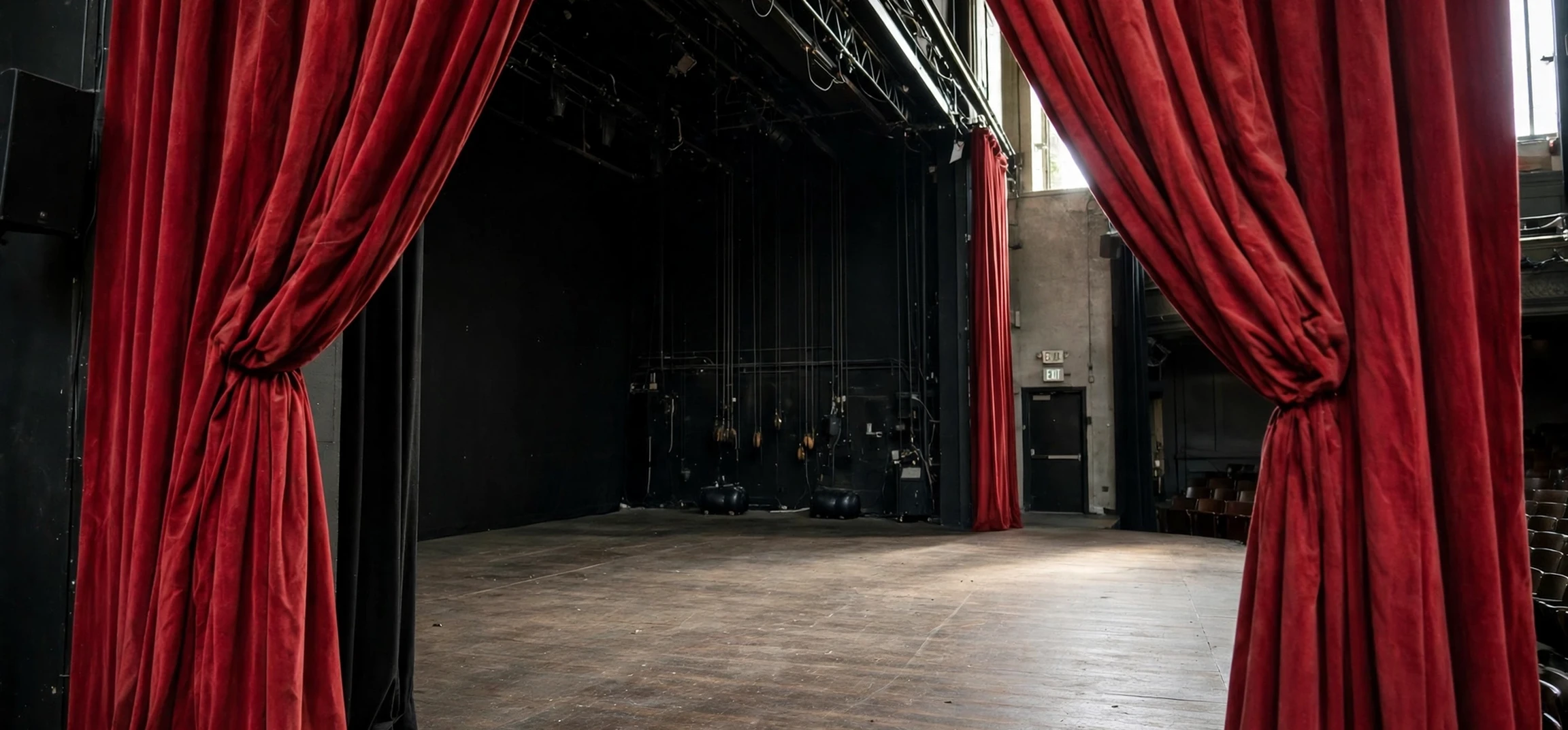
The house theater definition is simple once you know it: in theatre, the house is the part of the building where the audience sits, as opposed to the stage where performers act. The phrase “house theater definition” appears in searches because theatre guides, reviews, and job descriptions use house in ways that confuse newcomers: a full house, house seats, house lights, and front of house all refer to the audience side of the theatre. This guide explains each use, so theatre programmes, reviews, and backstage talk become much easier to follow.
The House Theater Definition in Plain Terms
In a theatre building, the space is traditionally divided into two worlds: the stage, where the performance happens, and the house, where the audience watches. The house includes the seating areas, the aisles, and sometimes the foyers and bars, depending on how a particular venue uses the word. When a review says “the house was packed,” it means the audience seating was full; when a stage manager says “hold the house,” they mean keep the audience waiting briefly before the show begins.
The division matters because theatres are run by two kinds of staff: the stage team, who handle the production, and the front-of-house team, who look after the audience. The front-of-house manager oversees ushers, ticket checks, seating, and audience safety, while the house manager is responsible for the audience areas during a performance. Understanding this split explains many theatre job titles and much of the language used in production meetings.
House Seats, House Lights, and a Full House
House seats are seats kept aside by the theatre rather than sold through general booking, often for the production team, press, or last-minute guests. They are sometimes released for sale shortly before a performance, which is why keen theatregoers ask about house seats on the day. House lights are the lights that illuminate the audience seating; they dim as the performance begins and come up again at the interval and the end, signalling to the audience that it is time to settle or to leave.
A full house means every seat is taken, and theatres announce it proudly because it signals a popular show. A poor house, by contrast, means a small audience, and an empty house means almost nobody came. These phrases come from the older sense of house as a gathering of people, similar to a full house in a card game or a crowded house at a party. The word also appears in phrases such as “bringing the house down,” meaning the audience reacted with overwhelming applause or laughter.
House Sound and the Auditorium
In modern theatre, house also appears in sound terminology: the house sound system is the main speaker system that serves the audience, as opposed to monitor speakers that serve performers on stage. A sound engineer mixing for the house is balancing the sound for the audience’s ears, not for the stage. The slug for this article mentions house audio, and this is the connection: in theatre, house audio means the sound reinforcement that reaches the house, the audience area, rather than foldback or monitors for performers.
This usage extends to other technical areas too. House tabs are the main curtains that separate stage from house, house rigging refers to the venue’s own equipment as opposed to touring equipment, and a house technician is employed by the venue rather than by a visiting company. In each case, house marks the venue and its audience side, as opposed to the visiting production. Related guides include TV series cast guides and Dallas TV show theme music.
House Theater Definition in Practice: Using House Correctly
To use the term correctly, remember the core distinction: house means audience, stage means performance. Say “the house was lively tonight” for an enthusiastic audience, “front of house will handle seating” for audience services, and “house lights to half” if you ever hear a stage manager’s call. Avoid using house for the stage itself, and avoid confusing house seats with premium seats in general, since house seats are specifically those held back by the theatre.
For newcomers attending a show, the practical takeaway is simple: arrive in good time, follow front-of-house staff directions, and notice the house lights as your cue. For students of theatre, the vocabulary opens up production documents, reviews, and job descriptions that otherwise read like code. Either way, house is one of the first theatre words worth learning, because it appears everywhere once you start looking.
| Term | Meaning |
|---|---|
| The house | The audience seating area, as opposed to the stage |
| Front of house | Audience-facing areas and staff, including ushers and the box office |
| House seats | Seats held back by the theatre, sometimes released before a show |
| House lights | Lights over the audience, dimmed when the show starts |
| House sound | The main speaker system serving the audience |
House Theater Definition: Front-of-House Jobs Explained
The front-of-house manager is the senior audience-facing role in a theatre, responsible for everything the audience experiences outside the performance itself. That includes staffing the ushers, managing ticket checks and late seating, handling complaints, and ensuring audience safety, including evacuation procedures if an emergency arises. During a show, the front-of-house manager stays in contact with the stage manager, coordinating intervals, latecomer seating, and any announcement the audience needs to hear.
Ushers are the most visible front-of-house staff, and their work is more skilled than it appears. They guide audiences to seats, help patrons with access needs, manage programmes, and watch for safety issues during the performance, all while remaining unobtrusive. Good ushering requires knowledge of the venue layout, the show’s running time and interval, and the house rules on photography, phones, and late seating. Many theatre professionals begin as ushers, learning the business from the audience side before moving into stage or management roles.
Box office staff form another part of the front-of-house team, handling ticket sales, exchanges, and enquiries, both in person and by phone or online. They need detailed knowledge of seating plans, prices, concessions, and availability, and they often handle the release of house seats shortly before a performance. In smaller venues, one person may cover several front-of-house roles, while larger theatres have separate teams for box office, ushering, and management.
Safety is a core front-of-house responsibility that audiences rarely notice. Staff are trained in evacuation routes, first aid, and crowd management, and they carry out checks before each performance, including clear aisles, working emergency lighting, and accessible routes. When an incident occurs, from a medical emergency to a fire alarm, front-of-house staff lead the audience response while stage staff manage the performers. That quiet professionalism is what makes theatre attendance feel effortless, and it is a large part of what the house team provides.
House Theater Definition: Intervals and Audience Etiquette
The interval, called intermission in some countries, is the break between acts, and it is a house event as much as a stage one. House lights come up, audiences stretch, visit facilities, and discuss the performance, while front-of-house staff reset seating areas and prepare for the second half. The interval also serves a practical purpose for the production, giving stage crews time to change scenery and performers time to rest, which is why its length is carefully planned rather than left to chance.
Audience etiquette during a performance is part of house culture too. Phones should be silenced, photography is usually prohibited, and latecomers may be held by front-of-house staff until a suitable break, since entering during a quiet scene disturbs both performers and fellow audience members. These rules exist to protect the shared experience: theatre is communal in a way that recorded media is not, and consideration for others is part of attending. Newcomers who follow front-of-house guidance will find theatre welcoming rather than intimidating.
House Theater Definition: A Quick Recap
To recap, the house is the audience side of a theatre, front of house covers the staff and areas that serve the audience, house seats are seats held back by the venue, house lights illuminate the seating, and house sound is the speaker system serving the audience. Each term flows from the same core idea, and together they form a small vocabulary that unlocks theatre programmes, reviews, and production talk. Keep that core distinction between house and stage in mind, and the rest of theatre language becomes far easier to follow.
Frequently Asked Questions
What does house mean in theatre?
House means the audience area of a theatre, as opposed to the stage where performers act.
What is front of house?
Front of house covers the audience-facing side of a theatre, including ushers, ticketing, and audience services.
What are house seats?
Seats kept aside by the theatre for production staff, press, or guests, sometimes released for sale before a performance.
What does a house manager do during a show?
The house manager oversees audience areas, coordinates with the stage manager, handles late seating and announcements, and manages any audience safety issue.
Can I ask front-of-house staff about house seats?
Yes. Ushers and box office staff can explain whether house seats are being released and how to buy them.
Conclusion
In theatre, the house is where the audience sits, and its language, from full houses to house lights and house sound, all flows from that one idea. Learn the distinction between house and stage, and theatre programmes, reviews, and backstage talk will make far more sense. Front-of-house work turns the idea of the house into a profession, and understanding those roles makes every theatre visit richer.



