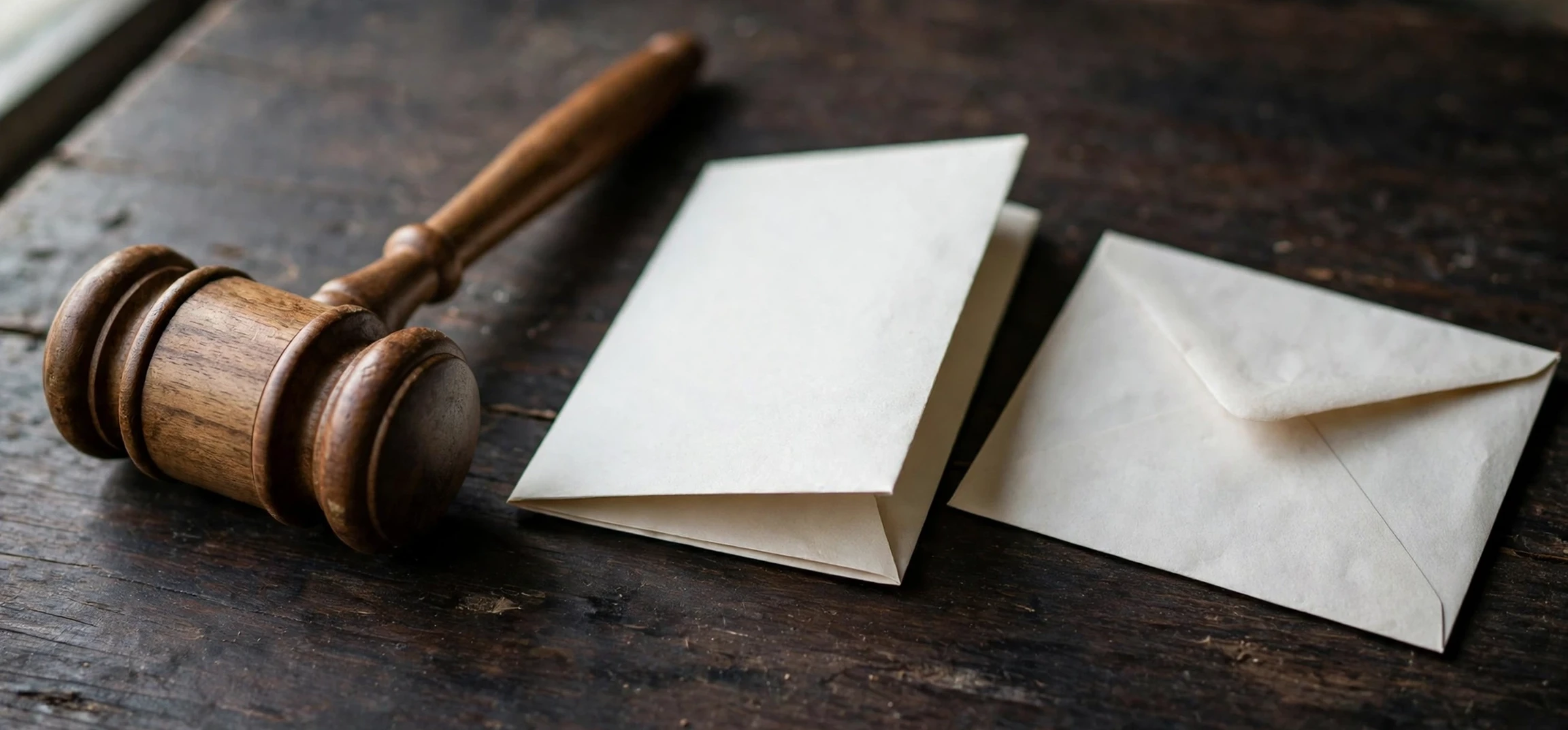
If you searched for “how to call a judge in court”, you may actually be looking for guidance on formal written correspondence to a judge, such as a letter, rather than on spoken address in a courtroom. This article covers the written side of the subject in detail: how to address a judge in a letter, how to structure that letter, which salutations and closings are conventional, and what to avoid. It is general educational information about etiquette and correspondence, not legal advice for a specific case. If you have a live case, the rules of the court concerned and the advice of your own legal representative take precedence over any general guide.
Written correspondence to a judge is different from ordinary business correspondence because it is addressed to a judicial office, not to a private individual, and it may become part of a formal record. That distinction shapes every choice in the letter, from the address block to the tone. A letter to a judge should be respectful, concise, factual, and neutral in tone, and it should state its purpose clearly in the opening lines. It should not argue a case, repeat rumours, make personal attacks, or ask the judge to decide a matter outside the proper procedure. Understanding that boundary is the most important part of writing well in this context.
How “how to call a judge in court” Applies to Written Correspondence
In writing, the question of how to call a judge in court becomes a question of forms of address on the page. The envelope and the address block normally use the judge’s full name and judicial title, for example “The Honourable” followed by the name and the court, although exact conventions vary by country and by court. The salutation that follows is usually “Dear Judge” followed by the surname, which is the standard formal opening in many common-law systems. Some courts and some countries use different conventions, such as “Dear Justice” for a higher court, or a title specific to that jurisdiction, so it is worth checking the practice of the court concerned before you write.
The key principle is consistency and restraint. Use the judge’s title and surname throughout, rather than switching to a first name or to an informal greeting. Do not use flattery, humour, or familiar language, and do not open with a personal appeal. A letter that begins with a clear statement of who you are, why you are writing, and what case or matter it concerns, if any, will be far easier for a court office to handle than a letter that buries its purpose in several paragraphs of background. If you are writing on behalf of someone else, say so plainly in the first paragraph and explain your relationship to the matter.
The Address Block and Salutation
A conventional layout places your own name and return address at the top, followed by the date, followed by the judge’s name, title, and court address. The salutation then follows, normally “Dear Judge” and the surname. The closing is usually formal, such as “Yours faithfully” where the salutation did not use a personal name in some traditions, or “Yours sincerely” in others, followed by your signature and printed name. These small choices signal that you understand the formality of the occasion, and they cost nothing. What matters more than any single formula is that the letter is neat, legible, and free from errors in spelling and in the judge’s name and title.
Structuring a Letter: “how to call a judge in court” in Practice
A well-structured letter to a judge can usually be kept to one or two pages. The first paragraph states the purpose: for example, that you are writing to provide a character reference, to request information about procedure, or to draw attention to a scheduling matter through the proper channel. The middle paragraphs give only the facts that are directly relevant, in chronological order where that helps, and without speculation about other people’s motives. The final paragraph states clearly what, if anything, you are asking the court office to do, or simply thanks the judge for considering the letter, and then closes formally. Keeping the letter short is itself a mark of respect for the court’s time.
There are several things a letter to a judge should not contain. It should not contain legal argument unless you have been specifically invited or directed to provide it through the proper procedure, because unsolicited argument can be treated as an improper attempt to influence a decision. It should not contain new evidence that has not been properly presented through the court process. It should not contain threats, emotional pressure, or repeated contact after a matter has been decided. And it should not contain personal information about other people that is not relevant to the purpose of the letter. If you are unsure whether a point belongs in the letter, the safer course is to leave it out and to seek guidance from a legal professional or from the court office about the correct procedure.
Character References and Supporting Letters
One of the most common reasons for writing to a judge is to provide a character reference for someone involved in proceedings. Such a letter should be honest, specific, and measured. State how long you have known the person and in what capacity, give one or two concrete examples of their character or conduct, and avoid exaggeration or sweeping claims. Do not claim knowledge you do not have, and do not comment on the merits of the case itself unless you have direct, relevant knowledge and have been asked to do so. A short, truthful letter from someone who genuinely knows the person carries far more weight than a long letter full of general praise.
Tone, Language and Presentation
Use plain, formal English throughout, in en-GB spelling where that is the convention of the court. Avoid slang, abbreviations, and overly complex legal language that you do not fully understand, because misused legal terms can confuse the meaning of a letter. Use short paragraphs, leave clear spacing, and check the letter carefully before sending it. If you are writing by hand, make sure the handwriting is legible; if you are typing, use a standard font and layout. Keep a copy of the letter and a note of the date you sent it, together with any proof of posting, because you may need to refer to it later.
| Part of the letter | Conventional approach | Common mistake to avoid |
|---|---|---|
| Address block | Full name, judicial title, and court | Using a first name or an informal title |
| Salutation | Dear Judge followed by the surname | Opening with a familiar greeting |
| Opening paragraph | Clear purpose and identification | Burying the purpose in background detail |
| Body | Relevant facts only, in order | Argument, speculation, or new evidence |
| Closing | Formal closing, signature, printed name | Informal sign-off or missing contact details |
For related guidance on formal writing, see our letterhead and address format guide and our practical writing guide. For background on how courts record outcomes, see our explanation of what a disposed court case means. Those guides complement this one, but they do not replace the rules of the specific court you are writing to.
What Not to Write to a Judge
It is worth being explicit about the boundaries, because they are easy to cross unintentionally. Do not write to a judge about a case in which you are a party in order to argue your side outside the hearing, because courts decide cases on the evidence and argument presented through the proper process, not on private correspondence. Do not send repeated letters on the same point, and do not copy a letter to the press or to social media in an attempt to create pressure. Do not make statements about a judge personally, and do not include material that is confidential, defamatory, or irrelevant. If your concern is about court administration, such as a scheduling clash or a missing document, address it factually to the court office, which is often the correct recipient in the first place.
If you are a party to proceedings, the correct route for most communications is through your legal representative or through the court office, following the procedure rules of that court. If you are not represented, the court office can often explain procedure in general terms, although it cannot give legal advice. That distinction matters: court staff can tell you which form to use or where to file a document, but they cannot tell you what to argue or what outcome to expect. A letter that asks for procedural guidance is therefore very different from a letter that asks a judge to favour one side, and only the former is normally appropriate as direct correspondence.
Frequently Asked Questions
What salutation should I use in a letter to a judge?
In many courts, “Dear Judge” followed by the surname is the standard salutation, with the full judicial title used in the address block. Conventions vary by jurisdiction and by level of court, so check the practice of the court concerned if you are unsure, and use the title and surname consistently throughout the letter.
Can I argue my case in a letter to a judge?
As a general rule, no. Cases are decided on material presented through the proper court process, not on private letters. If you are a party, raise arguments through your representative or through the procedure the court has directed. A letter should be limited to its proper purpose, such as a character reference or a procedural matter raised through the correct channel.
How long should the letter be?
Keep it as short as the purpose allows, normally one or two pages. State the purpose first, give only relevant facts, and close formally. A concise, well-organised letter is easier to handle and more respectful of the court’s time than a long, repetitive one.
Conclusion
Writing to a judge is an exercise in formal restraint: use the correct title and surname, state your purpose in the opening lines, give only relevant facts, and close formally. The letter should be short, accurate, and neutral in tone, and it should never be used to argue a case outside the proper procedure or to apply private pressure. If you follow those principles, check the conventions of the court concerned, and keep a copy of what you sent, your correspondence will be clear, respectful, and fit for its purpose. For anything beyond general etiquette, including the merits of a specific case, seek advice from a qualified legal professional in your jurisdiction.



