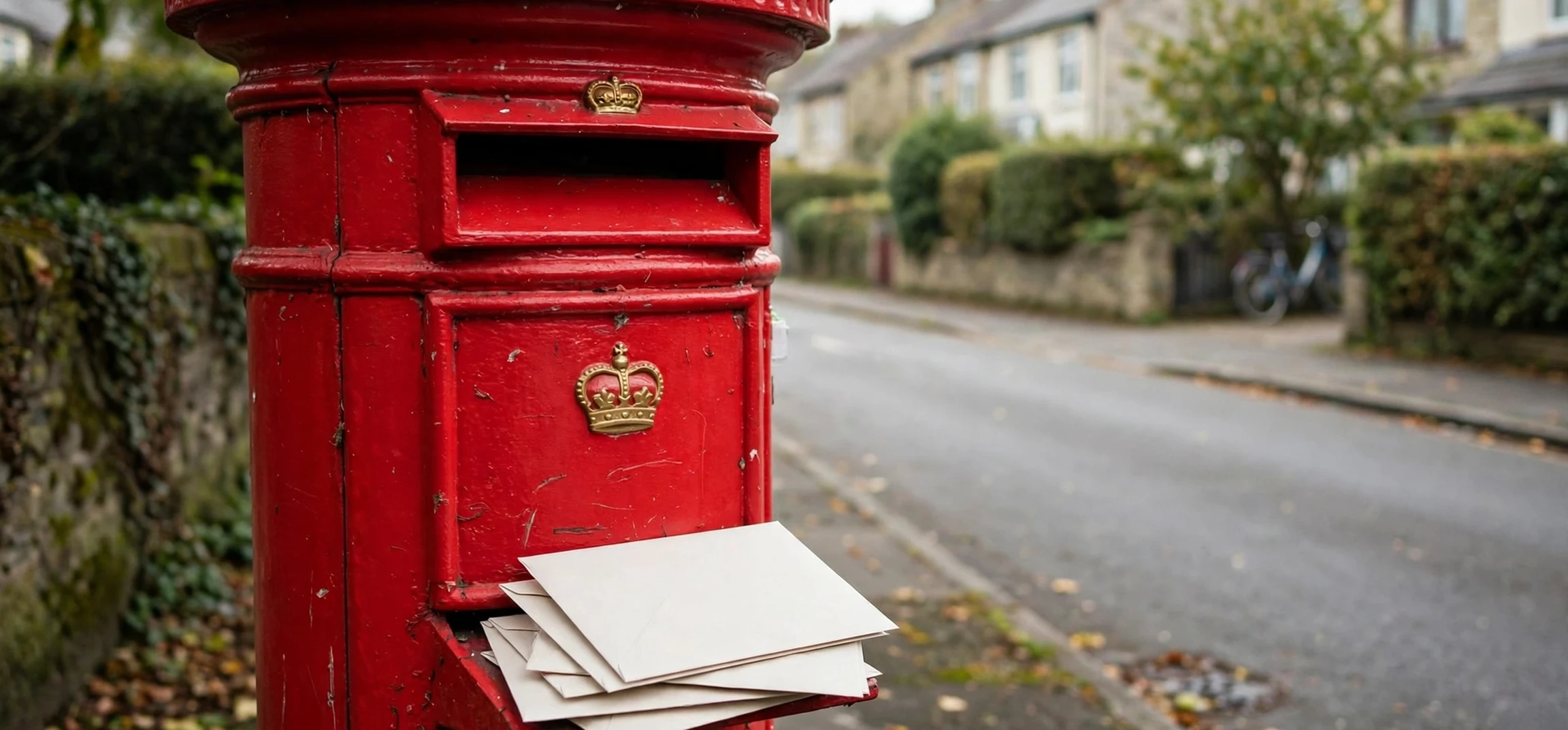
Knowing how to return post sent to wrong address matters to everyone who receives mail, because misdelivered letters and parcels are a common everyday problem. A letter may arrive with your street number but a neighbor’s name, or with your name but an address you have never lived at, or it may simply be a carrier error on a busy route. The good news is that returning misdelivered mail is simple, costs you nothing, and helps the item reach its rightful recipient faster. This guide explains the correct steps, what you should never do with someone else’s mail, and how to handle special cases such as parcels, mail for previous occupants, and mail that keeps arriving by mistake.
The most important principle is straightforward: if mail is not addressed to you or to someone at your household, do not open it. Opening another person’s mail can be a legal issue in many jurisdictions, and it also risks exposing private information that is not yours to see. Even if the envelope looks like junk mail or a circular, the safest course is to treat all misdelivered mail the same way: mark it clearly, keep it sealed, and return it through the postal system so the carrier or sorting office can redirect it.
How to Return Post Sent to Wrong Address: Step by Step
The standard method for how to return post sent to wrong address is to write a clear note on the envelope and put it back into the mail stream. Write “Not at this address” or “Misdelivered: please return to sender” on the front of the envelope, taking care not to cover the original address or any barcode, since postal workers need those details to process the return. Cross out your own address only if it was printed on the item in error, and do so lightly with a single line so the original information remains readable. Then place the item in a post box, hand it to your postal carrier, or drop it at a post office counter.
If the mail belongs to a neighbor on your street, you have a second option: deliver it to that neighbor directly, provided you are confident about the correct address and the item is clearly theirs. Many people do this as a courtesy, and it often gets the mail to its owner faster than the postal system. However, if you are unsure, or if the address is in a different area entirely, returning it through the postal system is the safer choice. Postal workers can read sorting codes and forwarding information that you cannot, and they can check whether the recipient has moved or filed a change of address.
Mail for a Previous Occupant: How to Return Post Sent to Wrong Address
Mail addressed to a previous occupant is one of the most frequent forms of misdelivery. When you move into a new home, mail for the former resident may continue arriving for weeks or months, because not every sender updates their records at the same time. The correct response is the same: mark the item “Not at this address” or “No longer at this address” and return it. After several returns, senders usually update their records or the postal service applies a forwarding instruction if one exists.
Do not throw away mail for a previous occupant, even if it looks unimportant. Discarding someone else’s mail can delay bills, legal notices, or personal correspondence, and it may be treated as an offence depending on local postal law. If the volume is large or persistent, you can speak to your local post office and ask whether a formal notice can be recorded for your address. You can also leave a polite note for your postal carrier explaining that the named person no longer lives at the address, which helps the carrier remember the correction on future rounds.
Parcels, Registered Mail, and Special Deliveries
Parcels follow the same basic principle but need a little more care. If a parcel arrives for someone else, do not open it, and do not sign for it as if you were the recipient. If you have already accepted it from a courier, contact the delivery company as soon as possible and arrange a collection or a drop-off. Keep the packaging and labels intact, since those carry the tracking and return information the company needs. For registered or signed-for mail, refusing delivery at the door is the cleanest option: simply tell the carrier the item is not for your household, and they will take it back immediately.
If a parcel was delivered while you were out and left at your door, do not use the contents, even if the parcel appears to be a gift or a routine order. Contact the sender or the delivery company using the details on the label, and explain that the parcel was misdelivered. Most companies will arrange a courier pickup at no cost to you. Taking the time to do this protects both you and the intended recipient, and it avoids disputes about missing deliveries.
When Misdelivered Mail Keeps Arriving
Occasional misdelivery is normal, but a repeated pattern deserves attention. If the same wrong mail arrives week after week, note the details: the sender, the recipient name, and the address printed on the item. Then raise the issue with your local post office or delivery office, where staff can check sorting information and alert the carrier to the error. Sometimes the cause is a simple sorting mistake; other times it is an outdated forwarding record or a database error at a bulk mailer’s end. Providing specific examples helps staff trace the problem faster than a general complaint.
You can also reduce future problems by making sure your own address details are correct and visible. A clear house number, a legible mailbox label, and an up-to-date change-of-address record when you move all help carriers deliver accurately. If your street has confusing numbering, such as similar house numbers on different roads, a note inside your mailbox for the carrier can prevent mix-ups. For related address guidance, see our article on the California DMV change of address form and our guide to where to send a tax return.
| Situation | What to do | What to avoid |
|---|---|---|
| Letter for a neighbor | Mark “misdelivered” and return, or hand to neighbor if certain | Opening it or throwing it away |
| Mail for a previous occupant | Mark “not at this address” and return | Discarding it or opening it |
| Parcel for someone else | Keep sealed, contact the delivery company | Signing for it or using the contents |
| Registered mail wrongly delivered | Refuse delivery or return unopened | Signing as the recipient |
| Repeated misdelivery | Report examples to the local post office | Ignoring the pattern |
Common Mistakes to Avoid With Misdelivered Mail
The most common mistake is opening mail out of curiosity or by accident. If you open something by mistake, stop reading as soon as you realize the error, reseal the envelope, write “opened in error” on it along with “not at this address,” and return it. Honest mistakes happen, and marking the item clearly helps the postal service and the recipient understand what occurred. A second mistake is writing over barcodes or addresses so heavily that the item cannot be processed; always keep the original details readable.
Another mistake is assuming that mail marked for a similar name is yours. If the first name or surname differs from anyone in your household, treat it as misdelivered even if the address matches. Similarly, do not assume that mail addressed to a family member who has moved away is yours to open. The recipient’s privacy matters regardless of the relationship, and returning the item lets them deal with it themselves or update the sender.
Frequently Asked Questions
Does it cost anything to return misdelivered mail? No, returning mail that was delivered to you in error is normally free. Simply mark it and place it back in the mail stream or hand it to your carrier.
Can I just throw away mail for a previous occupant? No, you should return it marked “not at this address.” Discarding someone else’s mail can delay important correspondence and may breach postal rules.
What if I opened mail by mistake? Stop reading, reseal it, mark it “opened in error,” and return it through the postal system as soon as possible.
Should I deliver a neighbor’s mail myself? You can if you are certain of the correct address, but returning it through the postal system is safer when you are unsure.
How to Return Post Sent to Wrong Address: Business and Shared Mailboxes
Business addresses and shared mailboxes add a wrinkle to how to return post sent to wrong address. In an office building, mail may be sorted by a receptionist or mailroom rather than by the carrier, so a misdelivered item should be handed to the mailroom with a note explaining the error rather than left in a general outbox. In apartment buildings with shared mail areas, placing the item back in the outgoing slot with a clear “not at this address” note works well, and telling the building manager can help if the same error repeats. The principle stays the same in every setting: keep the item sealed, mark it clearly, and put it back into a channel where postal staff can redirect it.
Conclusion
Learning how to return post sent to wrong address is a small act of good citizenship that keeps the postal system working for everyone. Mark the item clearly, keep it sealed, and return it through your carrier, a post box, or a post office, and the mail stands a much better chance of reaching the person it was meant for. Avoid opening, discarding, or signing for mail that is not yours, and report repeated errors with specific examples so the problem can be fixed at its source. For more address and mailing help, see our Canada address lookup guide. A few seconds of care with a misdelivered letter can save its recipient days of worry.



