If you are learning how to write address usa style for a personal letter, the good news is that the format is simple, consistent, and easy to master once you have seen it laid out clearly. This guide explains how to write address usa format for personal mail sent inside the United States, using placeholder examples only, so you can address birthday cards, thank-you notes, invitations, and letters with confidence. The core idea behind how to write address usa format is order: the recipient comes first, then the street, then the city, state, and postal code, with each piece of information on its own line and nothing extra squeezed in where it does not belong.
Personal mail still matters. A handwritten card feels different from a quick message on a phone, and a neatly addressed envelope is the first thing the recipient sees. It also matters to the people and machines that move your letter from one town to another. A clear, correctly ordered address helps your mail arrive faster and reduces the chance that it is delayed, returned, or misdelivered, which is exactly why people search for how to write address usa guidance before posting an important card. Learning how to write address usa format for personal mail is therefore a practical life skill, not just a classroom exercise, and it takes only a few minutes to learn well.
Throughout this guide, every example uses invented placeholder details. You will see names like Jordan Sample and streets like Sample Street, because the point is the shape of the address, not any real person or place. Never copy a real private address into a practice example, and never share your own home address or anyone else’s in a public post or comment. The placeholder format below shows you exactly where each element goes, and you can swap in your own real details only on the actual envelope you are posting.
How to Write Address USA: Personal Envelope Basics
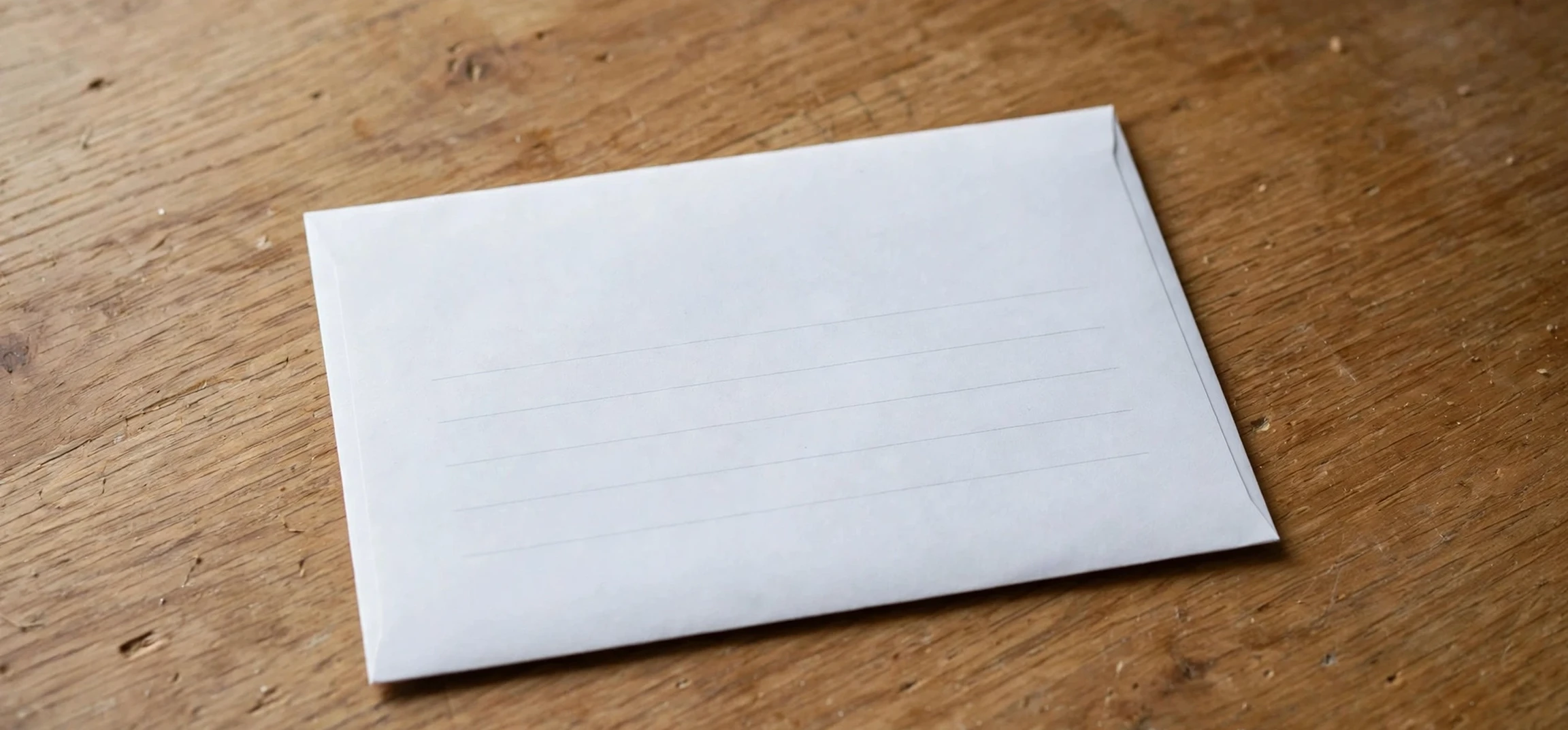
The standard personal envelope in the United States puts the recipient address in the centre of the envelope and the return address in the top-left corner. The recipient address is the one that matters most for delivery, so give it plenty of space and write it clearly. Start with the recipient’s full name on the first line. On the second line, write the street address, including the house number, street name, and any apartment or unit number. On the third line, write the city, followed by a comma, then the two-letter state abbreviation, then the postal code. That three-line shape covers most personal mail.
Here is the shape using placeholders only:
Jordan Sample
123 Sample Street, Apartment 4B
Sample City, ST 12345
Notice how each line has one job. The first line says who should receive the letter. The second line says which building and unit. The third line says which town and delivery area. Keeping those jobs separate is the heart of how to write address usa format, and it is what makes an envelope easy to read at a glance, whether a person or a sorting machine is reading it. Anyone revising how to write address usa envelopes should start by checking that each line carries only its own job.
Where the Return Address Goes
Your return address belongs in the top-left corner of the envelope, in smaller but still legible writing. It follows the same three-line shape, using your own name and address. The return address matters because, if the letter cannot be delivered for any reason, it can come back to you instead of being lost. It also tells the recipient who sent the letter before they even open it, which is a thoughtful touch for personal mail. If you are sending a card to a friend, a return address is good practice even when you expect delivery to go smoothly.
Postage and Envelope Placement
Postage goes in the top-right corner of the envelope. The recipient address sits in the centre, and the return address sits in the top-left. Keeping those three zones separate prevents confusion. Avoid writing the recipient address too close to the edges, too small, or diagonally across the envelope, because all of those habits make the envelope harder to process. A centred, horizontal address in a clear hand or a clean printed font is the safest choice, and it looks tidier too.
How to Write Address USA Line by Line
Let us walk through each line of a personal address in detail, because small choices on each line add up to a much clearer envelope. The first line is the recipient’s name. Use the name the person normally goes by, spelled as they spell it. If you are writing to a household rather than one person, you can put both names on the first line or use a family name, but for most personal letters a single recipient name is clearest. Avoid nicknames that a delivery worker would not recognise unless that is genuinely how the person receives mail.
The second line is the street address. Begin with the house or building number, then the street name, then a word such as Street, Avenue, Road, or Lane as it applies. If the person lives in an apartment, include the apartment or unit number on the same line or on the line directly after the street, depending on space. The apartment number is essential: without it, a letter to a large building may reach the building but not the right door. Double-check numbers carefully, because a single wrong digit is one of the most common reasons personal mail goes astray.
The third line is the city, state, and postal code. Write the city name in full, add a comma, then the two-letter state abbreviation, then the postal code. The postal code, often called the ZIP code, is a five-digit number that narrows delivery to a specific area. Some addresses also use an extra four digits after a hyphen, but for personal mail the five-digit code is normally enough. If you are unsure of a postal code, check it with the recipient or through an official postal lookup before posting, rather than guessing.
Common Line Mistakes to Avoid
One common mistake is putting the city and postal code on separate lines, which breaks the familiar pattern and can slow sorting. Another is writing the state name in full but misspelling it, when the standard abbreviation would have been clearer. A third is cramming the apartment number into the city line, where it looks like part of the town name. Keep each element in its home line, and your envelope will match what delivery workers expect to see. That consistency is a quiet advantage of learning how to write address usa format properly.
How to Write Address USA for Apartments and Units
Apartment addresses deserve extra care, because a building can hold dozens of households behind one street number. The clearest personal format puts the apartment identifier on the street line, after the street address, separated by a comma. Using placeholders only, the pattern looks like this: Jordan Sample, then 123 Sample Street, Apartment 4B, then Sample City, ST 12345. That single comma and the word Apartment remove all doubt about which door the letter is for.
Other unit labels work the same way. Suite, Unit, and Floor can all appear after the street address when they apply, and the same rule holds: keep the unit label with the street line, not the city line. If you are writing by hand and space is tight, a short form such as Apt 4B is widely understood, but spelling the word out is never wrong and is often clearer. This detail is a small but useful part of how to write address usa guidance for apartment dwellers. Whichever form you choose, be consistent, and copy the unit exactly as the recipient gives it to you, including any letters in the unit number.
Students, renters, and people in shared houses should be especially careful with unit details, because mail for several people may arrive at one street address. A missing apartment number can mean a letter sits in a communal pile or is returned as undeliverable. Taking ten extra seconds to confirm the unit is one of the simplest ways to make sure personal mail reaches the right person, and it is a habit worth building early.
How to Write Address USA for Cards and Invitations
Cards and invitations follow the same address rules as letters, with a few social touches. For a wedding invitation or a formal card, you may write out the state name in full and use a more formal version of the recipient’s name, but the line order stays exactly the same: name, street, city with state and postal code. Formality changes the wording, not the structure. That stability is helpful, because it means one format serves everything from a casual birthday card to a formal announcement.
For holiday cards sent to many people, it is tempting to rush and skip return addresses or to rely on memory for postal codes, even after reading a guide on how to write address usa envelopes. Resist that temptation. A short checklist for each card, name, street, apartment if any, city, state abbreviation, postal code, return address, and postage, will catch most errors before the cards go into the mailbox. If you are addressing cards for a whole family at one home, one envelope addressed to the household is normally enough, and it avoids duplicate mail arriving at the same door.
Children learning to send cards can practise with the placeholder format first. Writing a pretend envelope to Jordan Sample at a sample address lets a young sender learn the line order without handling any real private address. Once the pattern is confident, the real envelope can be addressed with the same calm, line-by-line method. Practising with placeholders is also a good privacy habit for adults: it keeps real addresses out of notes, photos, and social media posts about the practice itself.
How to Write Address USA: Checking Before You Post
Before sealing any personal envelope, run a quick final check. Read the recipient name aloud and confirm the spelling. Read the street number digit by digit. Confirm the apartment or unit, if there is one. Confirm the city spelling, the state abbreviation, and the postal code. Finally, confirm that your return address is in the top-left corner and that postage is in the top-right. That thirty-second check catches the errors that cause most personal mail delays.
If something does not look right, ask the recipient to confirm the address rather than guessing. People move, buildings renumber units, and postal codes occasionally change for an area, so even a confident grasp of how to write address usa format benefits from a fresh confirmation. A quick confirmation message is far easier than tracking down a lost letter. This is also a good moment to remember the privacy rule that runs through this guide: confirm addresses privately, one to one, and never post a real address in a group chat, a comment, or a public page.
For readers who want to go further, related guides on this site explain nearby topics, including how to address an envelope with a PO box and the difference explained in mailing address versus physical address. Those guides use the same placeholder-only approach, so you can compare formats without handling any real private details.
Personal Mail Address Format at a Glance
| Envelope Line | What Goes Here | Placeholder Example |
|---|---|---|
| Return address, top-left | Your name and address | Alex Sender, 10 Example Road, Sample City, ST 12345 |
| Recipient line 1, centre | Recipient full name | Jordan Sample |
| Recipient line 2, centre | Street and apartment or unit | 123 Sample Street, Apartment 4B |
| Recipient line 3, centre | City, state abbreviation, postal code | Sample City, ST 12345 |
| Top-right corner | Postage | Stamp or printed postage |
Frequently Asked Questions About Personal Mail Addresses
What goes on the first line of a personal envelope?
The recipient’s full name goes on the first line. That is the person the letter is for, written as they normally spell their name. Everything else in the address supports that first line by telling the delivery system where that person can be reached.
Should I write the state name in full or abbreviate it?
For everyday personal mail, the two-letter state abbreviation is the standard choice and the clearest for sorting. Writing the state name in full is also acceptable, especially on formal invitations, but abbreviations reduce the chance of a spelling slip and keep the city line compact.
Is the five-digit postal code enough for personal mail?
Yes, in most cases the five-digit postal code is enough for personal mail, and standard how to write address usa examples use the five-digit code for this reason. Some addresses carry an extra four digits, but you do not need to add them if you do not know them. The five-digit code, combined with the correct street and city, is what delivery normally relies on.
Do I really need a return address on a personal card?
A return address is strongly recommended in any how to write address usa guide. It lets undeliverable mail come back to you, it identifies the sender at a glance, and it costs nothing but a few seconds. For cards sent to friends and family, it is a small courtesy that can save a lost card.
How can I practise how to write address usa format safely?
Practise with placeholders only, such as Jordan Sample at 123 Sample Street, Sample City, ST 12345. That lets you learn the line order, the comma placement, and the corner layout without writing down or sharing any real private address. Once the pattern feels natural, apply it to a real envelope in private.
Conclusion: Personal Mail, Addressed with Confidence
Learning how to write address usa format for personal mail comes down to three lines in the centre of the envelope, a return address in the top-left, and postage in the top-right. Name first, street and unit second, city with state and postal code third. Check each line before posting, confirm anything you are unsure about privately, and keep real addresses out of public posts and practice examples. With that simple routine, your cards and letters will look tidy, travel smoothly, and reach the people you meant them for, which is, after all, the whole point of sending personal mail and of learning how to write address usa format in the first place.