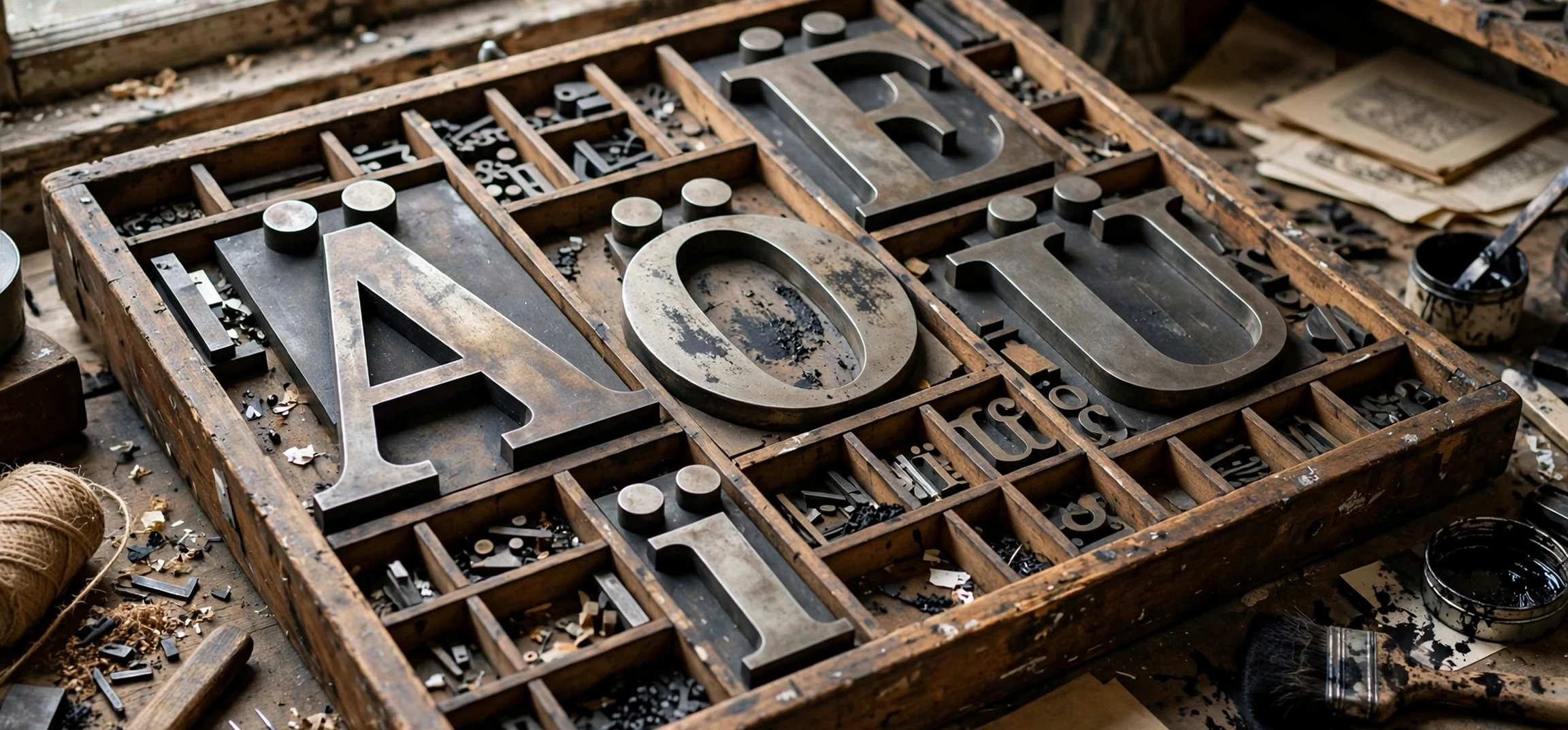
The search phrase jaÿ z adds umlaut name looks puzzling at first glance, but it points to a genuinely interesting question about spelling, stage names and typography. Why does the name of the rapper, entrepreneur and cultural figure usually written as Jay-Z sometimes appear with two dots over the letter y, as Jaÿ-Z or Jaÿ Z? Does the spelling jaÿ z adds umlaut name describe an official change, a stylistic choice, a typographical joke, or simply a quirk of search engines and social media? This guide explains the phrase step by step: what the mark over the y actually is, how the artist’s name has been styled over the years, why musicians alter spellings at all, and how you should write the name yourself.
The short answer is reassuring. The two dots do not change how the name is pronounced, and they do not turn the artist into a different person. In strict typographical terms, the mark over ÿ is a diaeresis rather than an umlaut, although in everyday English the two words are often used interchangeably. The stylised spelling jaÿ z adds umlaut name is therefore best understood as a variant presentation of a famous stage name, not as a new legal identity. The sections below unpack that distinction, because it explains almost every confusing result you will meet online.
Jaÿ Z Adds Umlaut Name: What Is the Mark Over the Y?
To understand jaÿ z adds umlaut name, start with the character itself. The letter ÿ is a Latin letter y with two dots above it. In languages such as French and Dutch, those dots are a diaeresis: they signal that a vowel should be pronounced separately rather than blended with a neighbouring vowel. In German, two dots over a, o or u form an umlaut, which changes the vowel sound itself. English does not normally use either mark, which is why ÿ looks exotic and deliberate when it appears in an English-language stage name.
That distinction matters for the search phrase. When people write jaÿ z adds umlaut name, they usually mean the visual effect — a y with two dots — rather than a technical claim about German vowel mutation. Search language is rarely typographically precise. A fan, a meme-maker or a headline writer who wants to signal “the version with the dots” will reach for the familiar word “umlaut”, because the heavy-metal umlaut is a well-known pop-culture joke, from fictional band names onwards. The technically careful description would be “Jay-Z with a diaeresis over the y”, but that phrase is unlikely to be typed into a search box.
There is also a practical point. The character ÿ exists in standard character sets, so it can be typed, copied and searched, but many systems strip or ignore diacritics. That is why the same stylised name may appear as Jay-Z in one place, Jaÿ-Z in another, and JAY-Z in a third, without any of those versions being wrong in intent. They are presentations of one identity, adapted to different fonts, platforms and house styles.
Jaÿ Z Adds Umlaut Name and the History of the Stage Name
The artist behind the name is publicly known by the birth name Shawn Carter, and his stage name has always been a stylised construction. The “Jay” element is widely understood as a nod to his neighbourhood nickname and to the local culture that shaped his early career, while the “Z” gives the name a sharp, memorable finish. From the beginning, the name was designed to work as a brand: short, distinctive, and easy to chant, print on an album cover, and recognise at a glance.
Over a long career, the styling of that brand has shifted. Early releases and press material commonly used Jay-Z, with a hyphen. Later, the hyphen was sometimes dropped, giving Jay Z, and at other times the name was set in capitals as JAY-Z, especially in logos and album art. These are not identity changes; they are the normal evolution of a public brand. Musicians, like companies, refresh typography to mark a new era, to suit a particular design, or simply because a designer prefers a cleaner look.
The jaÿ z adds umlaut name variant belongs in that same family of stylistic play. Adding dots over the y creates a visual twist that catches the eye, suggests a European or high-fashion flavour, and works well in a meme, a parody, a piece of fan art or a headline that wants to signal something unusual. It does not, on its own, prove that the artist has renamed himself in any formal sense. When a major artist genuinely changes a name, the change is normally announced through official channels, reflected consistently across releases, and reported by reputable music press. A scattering of dotted spellings online, without that pattern, points to stylisation rather than reinvention.
Why Artists Play With Spellings at All
Stage-name spelling is a creative tool, and jaÿ z adds umlaut name is a good example of how it works. First, spelling creates distinctiveness. “Jay” is a common name, but “Jaÿ” is instantly searchable and visually unique. In an age when fans search, tag and hashtag everything, a distinctive spelling is a practical advantage, even if it is used only occasionally.
Second, spelling signals era and attitude. A hyphen suggests a classic hip-hop construction; capitals suggest monumentality; a diaeresis suggests artiness, irony or international flair. Artists and their design teams choose between those signals deliberately. A single album era may therefore use one styling consistently, while the next era switches to another, without any confusion among fans about who is meant.
Third, spelling enables humour. The “metal umlaut” is one of pop culture’s oldest typographical jokes: adding dots to an ordinary word makes it look heavier, more dramatic or more European. Applying that joke to a hip-hop name creates a playful collision of genres. Much of the online material behind jaÿ z adds umlaut name is likely to be humorous or decorative for exactly that reason, and it should be enjoyed in that spirit rather than treated as a legal announcement.
Finally, spelling travels differently across languages. A name that works perfectly in English may need adjustment for a French, Dutch or German audience, where diacritics are everyday marks rather than decorations. A dotted y may therefore appear in international artwork or fan material simply because it looks natural in that linguistic context. None of these reasons requires a formal renaming, and all of them explain why variants coexist.
Jaÿ Z Adds Umlaut Name: Pronunciation, Typing and Searching
Pronunciation is the easiest part of jaÿ z adds umlaut name to settle. The name is still pronounced “Jay-Zee”, exactly as before. The dots do not add a syllable, change the vowel, or turn the name into a foreign word. If you hear someone say the dotted version differently for comic effect, that is a performance choice, not a rule.
Typing the character is straightforward once you know where to look. On most devices, holding down the letter y on a mobile keyboard reveals accented variants, including ÿ. On a desktop, character maps and symbol pickers provide the same letter, and copying it from an existing example is perfectly acceptable. If you are writing for publication, however, consider whether your audience and your style guide expect the standard spelling Jay-Z. In most editorial contexts, the standard spelling is clearer, more searchable and less likely to be misread as a typo.
Searching is where the variant causes the most friction. Search engines often treat ÿ and y as related but not identical, so a search for the dotted form may return fewer or stranger results than a search for Jay-Z. If you are researching the artist, search the standard spelling first, then try the dotted variant for fan art, memes and stylised artwork. That two-step approach captures both the official record and the playful material that prompted the query in the first place.
| Spelling | Where you will see it | What it means |
|---|---|---|
| Jay-Z | Most press, reference and catalogue material | The standard, hyphenated stage name |
| Jay Z | Headlines and informal writing | The same name without the hyphen |
| JAY-Z | Logos, album art and branding | The same name in capitals for emphasis |
| Jaÿ-Z / Jaÿ Z | Fan art, memes and stylised design | The same name with a decorative diaeresis over the y |
Common Mistakes Around Jaÿ Z Adds Umlaut Name
The first mistake is to treat every spelling variant as a news event. Stage names accumulate variants over decades, and only a small minority represent formal changes. Before repeating a claim that an artist “has changed his name”, check whether official releases, the artist’s own channels and reputable music outlets all use the new form consistently. If they do not, you are looking at stylisation.
The second mistake is to confuse the diaeresis with a pronunciation instruction. In French, a diaeresis does affect pronunciation, but in an English stage name it functions as decoration. Applying French pronunciation rules to an American hip-hop name will mislead more than it clarifies. The safe assumption for English-language material is that the dots are visual, not phonetic.
The third mistake is to assume that a dotted spelling is a typo to be “corrected” everywhere. In fan art, design and humour, the dots are the point. Correcting them away removes the joke or the visual identity the creator intended. The right editorial choice depends on context: standard spelling for reference writing, dotted spelling when you are discussing or reproducing the stylised work itself.
Readers interested in how names carry meaning may also enjoy our guides to personal names, including Bowen name meaning, Brandon name meaning and Cassian name meaning.
Jaÿ Z Adds Umlaut Name: Frequently Asked Questions
Is Jaÿ-Z the artist’s new official name?
There is no consistent evidence in official releases and reputable reporting for a formal renaming. The dotted spelling is best treated as a stylised variant of Jay-Z unless official channels adopt it uniformly.
How do you pronounce Jaÿ-Z?
Exactly like Jay-Z. The dots are decorative in this English-language context and do not change the pronunciation.
Is it an umlaut or a diaeresis?
Strictly, the mark over ÿ is a diaeresis. “Umlaut” is the everyday word many searchers use for the same two dots, which is why the search phrase jaÿ z adds umlaut name is so common.
Should I write Jay-Z or Jaÿ-Z?
Use Jay-Z for reference, news and general writing. Use Jaÿ-Z only when discussing the stylised spelling itself, or when reproducing artwork that uses it.
Conclusion: What Jaÿ Z Adds Umlaut Name Really Means
The phrase jaÿ z adds umlaut name captures a small but revealing piece of modern celebrity culture: a famous name, a tiny typographical twist, and a search engine trying to make sense of the difference. The dots over the y do not create a new person, a new pronunciation or a new legal identity. They create a variant look — playful, distinctive and visually memorable — in a long tradition of stage-name styling that has already given us the hyphen, the dropped hyphen and the all-capitals logo. If you came here confused by a dotted spelling, you can leave confident: write Jay-Z in ordinary prose, enjoy Jaÿ-Z as design, and remember that in the world of stage names, spelling is often style rather than substance.