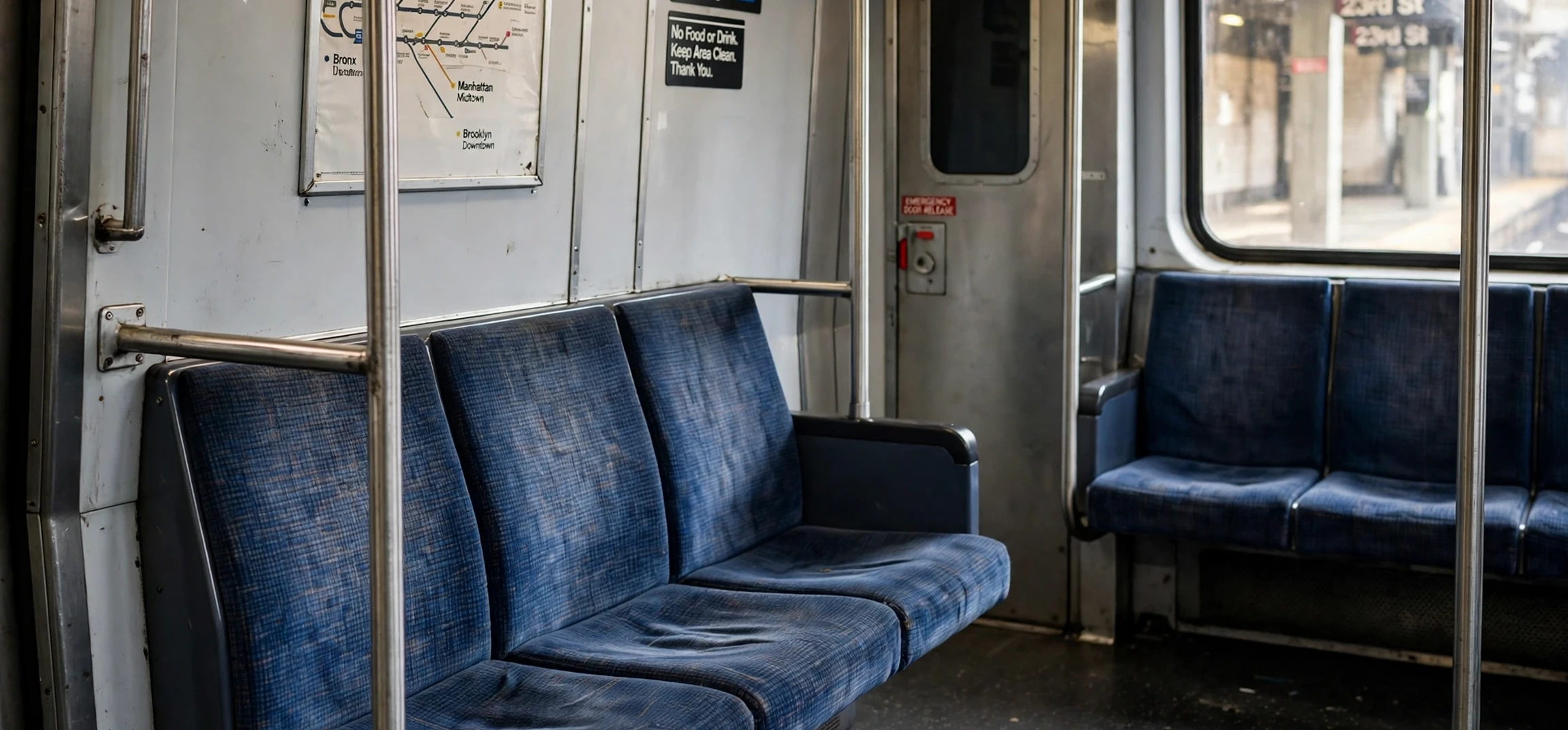
If you searched for the manspreading definition, you are looking for a clear explanation of a word that became widely known in the 2010s through discussions about public transport, personal space and everyday manners. In simple terms, the manspreading definition is this: it describes the practice of sitting with the legs spread wide apart in a public seat, especially on a bus, train or subway, in a way that takes up more than one seat or leaves less room for the people sitting nearby. The term is most often used when the posture affects other passengers, rather than for simply sitting comfortably when plenty of space is available. This guide explains the meaning, where the word came from, why it became a topic of public debate, and how it fits into the wider conversation about shared-space etiquette.
It is worth saying at the start that this is a social and etiquette topic, not a medical or scientific one. People searching for the manspreading definition disagree about how serious the issue is, how common it really is, and whether it deserves a special name at all. Some see it as a useful shorthand for inconsiderate seating habits on crowded transport, while others see it as an exaggerated label for ordinary behaviour. A balanced manspreading definition has to hold both of those views in mind, because the word itself became famous precisely because it sparked argument. This manspreading definition guide therefore explains the term neutrally, describes the debate fairly, and offers practical etiquette tips that apply to every passenger, whatever their view of the word.
manspreading definition: What the Word Means
At its core, the manspreading definition is straightforward. The word combines “man” with “spreading” and refers to a seated posture in which a person spreads their legs widely, occupying space beyond a single seat. The term is almost always used in the context of public transport: a crowded bus, train, tram or subway carriage where seats are limited and passengers are expected to share the available room. The key element is not the posture alone, but the effect on others. A person sitting with legs apart in an empty carriage is not really what the word is about; the word is used when the posture reduces the space or comfort of neighbouring passengers.
Dictionaries and language commentators have generally offered a manspreading definition in similar words, emphasising the public-transport setting and the idea of taking up more than one person’s share of space. The manspreading definition is therefore best understood as a piece of social vocabulary: a word invented to name a specific, recognisable behaviour in shared spaces, in the same way that other etiquette terms name behaviours such as talking loudly on a phone in a quiet carriage or blocking a doorway with luggage. Like many such terms, its meaning is clear enough in everyday use, even if people disagree about how often the behaviour happens or how much it matters.
manspreading definition: Where the Word Came From
The word behind the manspreading definition gained prominence in the mid-2010s, when social media posts and news stories about crowded subway journeys began to circulate widely. Photographs of passengers sitting with legs spread across neighbouring seats were shared online, often with humorous or frustrated captions, and the term quickly became a piece of internet shorthand. From there it moved into newspaper articles, language blogs and eventually mainstream dictionaries, which recorded it as a new word of the period. The speed of that journey, from online slang to dictionary entry, is part of why the manspreading definition remains so well known today.
The timing mattered. The 2010s saw a wider public conversation about behaviour in shared urban spaces, from phone use and loud music to luggage on seats and priority seating. Manspreading became one of the most visible symbols of that conversation, partly because it was easy to photograph and easy to argue about. Some transport authorities even referenced the issue in etiquette campaigns, encouraging passengers to be mindful of how much space they occupied. Whether those campaigns changed behaviour is hard to measure, but they show that the word had moved beyond internet jokes and into real public discussion about how strangers share small spaces.
Public Transport Etiquette and Shared Space
To understand why the manspreading definition caught on, it helps to think about the unwritten rules of public transport. A bus or train carriage is a shared space where strangers sit close together, often for a long time, with no ability to choose their neighbours. In that setting, small courtesies matter a great deal: keeping bags off seats when the vehicle is busy, offering a seat to someone who needs it more, keeping noise down, and sitting in a way that leaves room for others. Sitting with legs spread wide breaks that shared understanding when the vehicle is crowded, because it effectively claims space that other passengers need.
It is also worth noting that the etiquette point applies far beyond any single word. Passengers of all kinds can take up extra space, whether by spreading out belongings, sitting in the aisle seat while leaving the window seat empty, or stretching legs into the walkway. Transport etiquette campaigns generally make the same point in broader terms: be aware of the space around you, adjust when the vehicle fills up, and remember that a seat is a shared resource. Seen in that light, the manspreading definition is one example of a much larger idea, which is that good manners on public transport mostly come down to noticing other people and making room for them.
The Debate Around the Term
The debate around manspreading has two main sides, and a fair summary should present both. On one side, supporters of the term argue that it names a real and recognisable pattern, that it is rooted in different expectations about how men and women are taught to sit in public, and that giving the behaviour a name makes it easier to discuss and discourage. From this perspective, the word is useful precisely because it is specific: it points to a posture that is easy to recognise and easy to correct, simply by sitting with legs closer together when the vehicle is busy.
On the other side, critics argue that the term is unfair or exaggerated. Some say that sitting with legs apart can be a matter of comfort or body shape rather than inconsideration, and that the word singles out one group unfairly. Others argue that the behaviour is relatively rare, that photographs shared online may be staged or unrepresentative, and that the attention given to the issue is out of proportion to more serious transport problems such as overcrowding or service cuts. Some critics also point out that women and other passengers can also occupy extra space in different ways, and that a general rule about considerate seating would be fairer than a gendered label. Both sides agree on at least one thing, even if they phrase it differently: on a crowded vehicle, everyone should try to leave room for fellow passengers.
manspreading definition: Related Terms and Everyday Use
Once the word became popular, a family of related terms appeared in online discussion, including words for other space-taking habits on transport, such as spreading bags across seats or taking up the whole bench. Most of these related terms never reached the same level of recognition, and the manspreading definition remains the best-known of the group. In everyday use, the word is now often used lightly or humorously, for example when friends tease each other about hogging the sofa, even though its original meaning was specifically about public transport.
That lighter, everyday use is a normal stage in the life of a new word. A term that starts as a complaint about a specific behaviour often broadens over time into a general joke or shorthand, and its original edge softens. At the same time, the serious point behind the word has not disappeared: discussions of public-transport etiquette still return to the same basic question of how strangers share limited space politely. For anyone writing or speaking about the topic, the safest approach is to use the word in its defined sense, to describe the specific seating behaviour on crowded transport, and to avoid using it as a general insult, which only adds heat without adding clarity.
Practical Etiquette Tips for Every Passenger
Whatever you think of the manspreading definition itself, the practical advice is simple and applies to everyone. When you board a busy bus or train, take a moment to notice how full the vehicle is and how much space you are using. If the carriage is crowded, keep your legs within roughly the width of your own seat, move bags onto your lap or under the seat, and slide along to free the aisle seat when someone needs it. If you need extra room for a genuine reason, such as an injury or a mobility aid, that is a different situation, and fellow passengers and staff will generally understand.
It also helps to remember that etiquette works best when it is mutual. If someone is taking up extra space, a polite request is usually more effective than a confrontation: a simple “excuse me, could I sit here” resolves most situations quickly. Transport staff and fellow passengers alike tend to respond better to calm, direct requests than to arguments about labels. In the end, the manspreading definition matters less than the habit it points to, which is the habit of noticing the people around you and sharing the space fairly. That is a standard everyone can agree on, whatever word they prefer to use for it.
Manspreading at a Glance
| Aspect | Summary |
|---|---|
| Meaning | Sitting with legs spread wide on public transport, taking more than one seat’s share of space |
| Typical setting | Crowded buses, trains, trams and subway carriages |
| When it applies | When the posture reduces room or comfort for neighbouring passengers |
| When it does not apply | Sitting comfortably with space to spare in an empty vehicle |
| Origin | Popularised online in the mid-2010s, then recorded in dictionaries |
| Core etiquette point | Be aware of your space and make room when the vehicle fills up |
Frequently Asked Questions
What is the manspreading definition in one sentence?
The manspreading definition is the practice of sitting with legs spread wide apart on public transport in a way that takes up more than one seat’s worth of space and leaves less room for other passengers.
Is manspreading only about men?
The word itself refers to men, but the underlying etiquette point applies to everyone. Any passenger can take up extra space with posture, bags or belongings, and the general rule is the same: share the available room fairly when the vehicle is crowded.
Is manspreading a real problem or just an internet joke?
Opinions differ. Supporters say it names a real, recognisable habit on crowded transport, while critics say it is exaggerated or unfairly labelled. Most people agree on the practical point that passengers should be mindful of the space they use.
What should I do if someone is taking up my space on a train?
A polite, direct request usually works best, such as asking whether you can sit in the neighbouring seat. Staying calm and specific is more effective than arguing about labels or starting a confrontation.
Conclusion
The manspreading definition is simple: sitting with legs spread wide on crowded public transport in a way that takes up more than a fair share of space. The word became famous because it gave a name to a familiar frustration, and it stayed famous because people disagreed about it. Some see it as a useful piece of etiquette vocabulary, others see it as an exaggerated or unfair label, but the practical lesson underneath the argument is one that almost everyone can accept. On a busy bus or train, a little awareness goes a long way: keep within your seat when the vehicle is full, move your bags, and make room for the person next to you. Good manners in shared spaces are not about any single word; they are about noticing other people. For more plain-language explainers on this site, see our guide to the mean in maths, our look at the meaning and definition of business, and our guide to all-encompassing meaning.