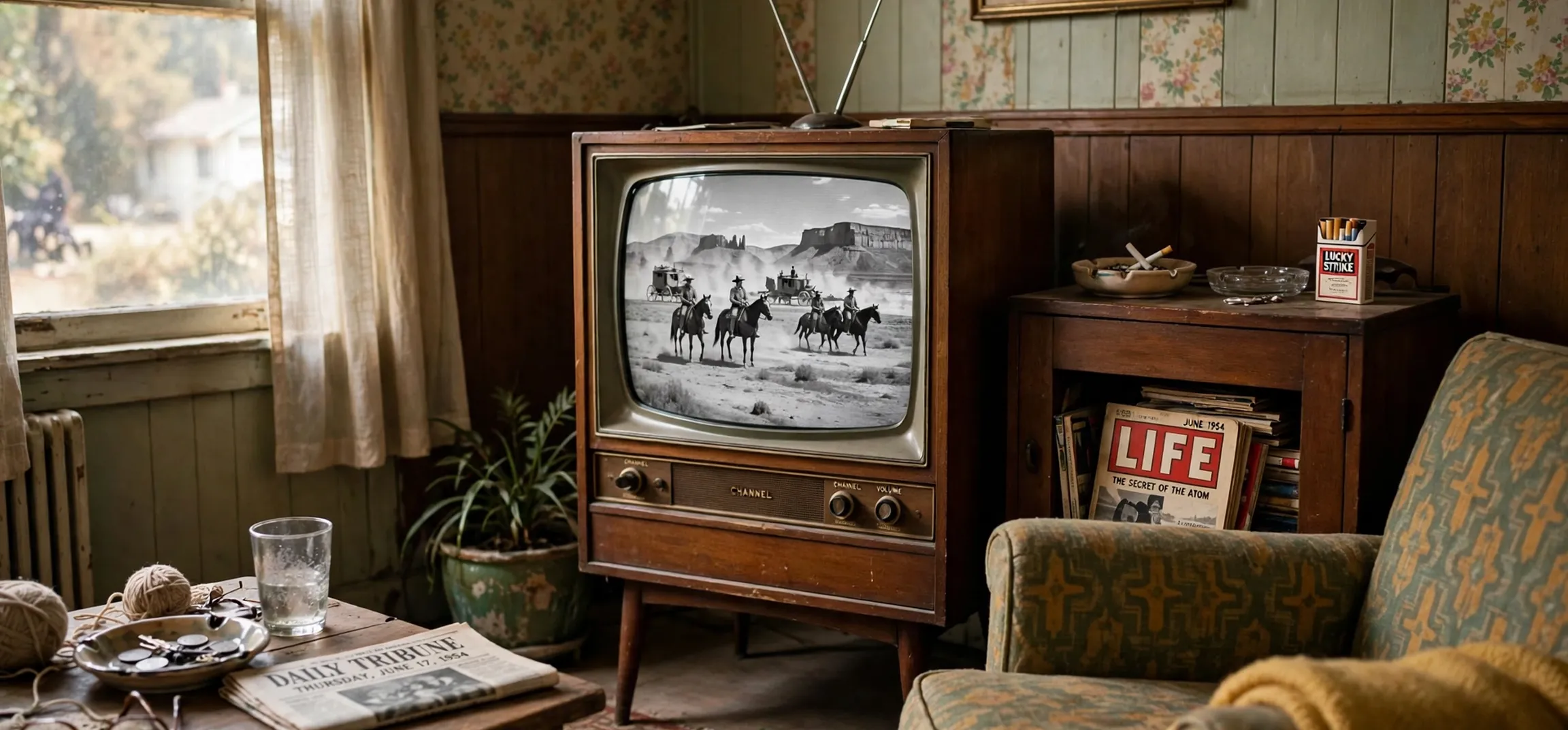
Maverick the TV show is a name that television fans meet in two very different eras. The original Maverick the TV show ran in the late 1950s and early 1960s and made a star of James Garner as Bret Maverick, a charming gambler who preferred wit to gunfights. Decades later, the word Maverick returned to screens in other forms, most famously through the Top Gun films, which are not the same show but share the nickname. This guide focuses on the classic series, explains why it stood out, and clears up the common confusion with its later namesakes.
Maverick the TV Show: The Original Series
Maverick the TV show first aired in 1957 as a Western with a twist. Bret Maverick was a professional gambler travelling through the American West, and unlike the stern heroes of most Westerns, he was cheerful, ironic and openly reluctant to fight. He would rather talk, bluff or walk away than draw a gun, and that reluctance became the show’s signature. When a fight was unavoidable, he usually won by cleverness rather than speed.
James Garner played Bret with an easy, natural style that felt modern for its time. His younger brother Bart, played by Jack Kelly, joined the series and eventually shared the lead, with episodes alternating between the two brothers or pairing them together. The brothers’ charm, humour and habit of landing in trouble made the show a hit, and it ran for five seasons. Its tone influenced later television: heroes could be funny, flawed and sceptical without losing the audience’s affection.
What Made Maverick Different From Other Westerns
Most Westerns of the era treated the hero as a moral authority who enforced justice with a gun. Maverick the TV show gently mocked that formula. Bret Maverick openly admitted he was in it for the money, he cheated at cards when he could get away with it, and he treated grand speeches about honour with a raised eyebrow. The comedy came from the gap between what Western heroes were supposed to do and what Bret actually did.
The show also played with storytelling itself. Some episodes parodied other genres, broke the fourth wall lightly, or let Bret comment on the absurdity of his situation. That self-awareness was unusual for 1950s television and it helped the series age better than many of its rivals. Modern viewers often find it fresher than expected, because its humour relies on character rather than dated slang or effects.
Key Characters in Maverick
Alongside Bret and Bart, the series featured a rotating cast of gamblers, con artists, lawmen and settlers. Bret’s father, Beau, appeared in later episodes, and various cousins and rivals drifted in and out. The show rarely relied on a fixed supporting cast, which kept each episode feeling like a new adventure in a new town. That structure also made it easy for guest stars to shine, and many well-known actors appeared before they became famous.
The Legacy of Maverick the TV Show
The legacy of Maverick the TV show is visible in the “reluctant hero” that later television and film returned to again and again. Characters who would rather negotiate than fight, who treat heroism as a job rather than a calling, owe something to Bret Maverick. The series also proved that a Western could succeed as a comedy-drama, opening space for later genre-mixing shows.
In 1994, the story returned as a film starring Mel Gibson as Bret Maverick, with James Garner in a supporting role. The film kept the humour and the card-playing heart of the series, and it introduced the character to a new generation. It is a fond tribute rather than a remake, and it works best if you know the original show’s playful tone.
| Detail | Classic series |
|---|---|
| First aired | 1957 |
| Lead actors | James Garner, Jack Kelly |
| Main character | Bret Maverick, gambler |
| Genre | Western comedy-drama |
| Seasons | Five |
| Later film | Maverick (1994) |
Maverick the TV Show vs Top Gun’s Maverick
Confusion is common because Tom Cruise’s character in Top Gun is also nicknamed Maverick. That Maverick is a naval aviator, not a gambler, and the films are not connected to the television series. The shared nickname comes from the same English word: a maverick is an independent-minded person who does not follow the herd. Both characters fit that description, which is why the name suits them both, but they belong to separate stories, studios and eras.
If you are searching for streaming or DVD options, check the title and year carefully. Listings for the classic series usually say “Maverick (1957)” and name James Garner, while film listings say “Top Gun: Maverick” and name Tom Cruise. For more classic television, see TV shows with Rodger Corser, the Chuck cast guide and TV series worth watching.
Maverick the TV Show: Frequently Asked Questions
Who starred in Maverick?
James Garner starred as Bret Maverick, with Jack Kelly as his brother Bart. Both shared leading duties across the series.
When did Maverick air?
The original series ran from 1957 to 1962, for five seasons.
Is the 1994 film a remake?
It is a film version of the same character and tone, starring Mel Gibson, with James Garner in a supporting role. It is best seen as a tribute.
Is Maverick connected to Top Gun?
No. Top Gun’s Maverick is a separate character who happens to share the same nickname.
Where to Start Watching Maverick
New viewers often ask where to begin with Maverick the TV show, and the answer is forgiving: because most episodes stand alone, you can start almost anywhere. Early episodes with James Garner show Bret at his most charming, while later episodes with Jack Kelly show how well the brotherly dynamic worked. A good first episode is one built around a card game or a con, because those showcase the humour that sets the series apart from straighter Westerns.
Streaming availability changes often, so check the current listings on the official pages of the services you use rather than relying on old guides. Classic television channels and archive services also rotate the series in and out of their schedules. DVD box sets remain a reliable option for collectors, and they usually include episodes in broadcast order with the original opening titles intact.
Watching Maverick today also offers a window into 1950s television production. Episodes were filmed quickly, sets were reused, and guest stars cycled through at a remarkable rate. Noticing those details adds to the fun rather than spoiling it, because the show’s wit was often a response to its own constraints. When a scene feels stagey or a plot feels thin, Bret’s raised eyebrow seems to acknowledge it, and the audience is invited to share the joke.
How many episodes of Maverick are there?
The series ran for five seasons with well over a hundred episodes. Exact counts vary by source because some episodes feature Bret, some Bart, and some both brothers.
Is Maverick suitable for children?
It is generally family-friendly by modern standards, with mild violence, gambling themes and period attitudes that parents may wish to discuss with younger viewers.
The Humour That Still Works Today
Maverick the TV show remains watchable because its humour is based on character rather than topical jokes. Bret’s reluctance to fight, his love of a good bluff, and his habit of commenting on the absurdity of Western conventions all still land, because they rely on human nature rather than 1950s references. A modern viewer does not need to know the politics or slang of the era to enjoy a scene in which Bret talks his way out of a gunfight he never wanted.
The show also rewards attention. Recurring jokes, such as Bret’s habit of quoting his father’s dubious advice, build across episodes, and guest characters sometimes return with their own schemes. That continuity was unusual for episodic television of the time, and it gives the series a warmth that rewards watching in order. For viewers used to long story arcs, Maverick offers a middle path: episodes stand alone, but the world grows richer the more you watch.
Guest Stars and Familiar Faces
One pleasure of Maverick the TV show is spotting future stars in early roles. Because the series used a rotating cast of guest characters, many actors who later became famous appeared in single episodes as gamblers, outlaws, settlers or love interests. Watching for those appearances has become a hobby for classic television fans, and episode guides often list notable guests. That rotating structure also meant the show never depended on one supporting actor, which kept it fresh across five seasons.
The guest-star system reflected how television was made at the time. Studios kept large stables of contract players and moved them between series, so a face from Maverick might appear the same week in another Western or drama. For modern viewers, that creates a sense of a shared television world, where the same actors turn up in different towns and roles. It is part of the charm of classic episodic television.
Conclusion
Maverick the TV show earned its place in television history by letting its hero be clever, funny and reluctant instead of stern and violent. Bret Maverick’s charm, the show’s gentle parody of Western conventions and its influence on later reluctant heroes all explain why it is still remembered decades later. Whether you discover it through the classic episodes or the 1994 film, it remains one of the most enjoyable Westerns ever made.



