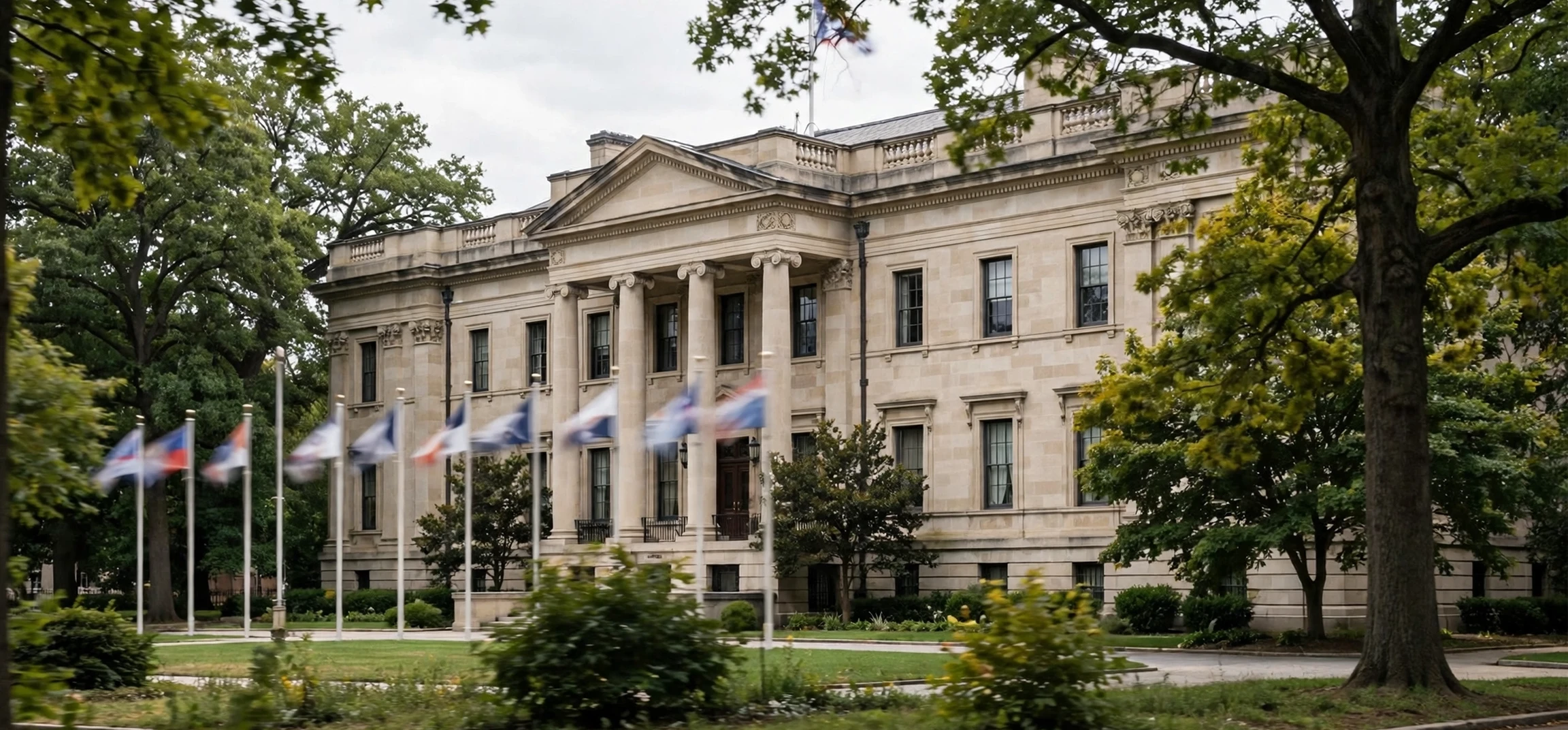
The meaning of attache is most often connected with diplomacy, but the word has more than one use, and its spelling gives a useful clue to its history. In its commonest modern sense, and in the central meaning of attache, an attaché is a person attached to an embassy or diplomatic mission who deals with a specialist area, such as defence, culture, trade or science. The same word family also appears in everyday English in “attaché case”, the slim briefcase once carried by diplomats and business people. This guide explains each meaning, how to spell and pronounce the word, and how to use it correctly.
Attache is a French loanword, and that explains both the accent and the slightly formal feel. In French, attaché means attached, and the accent on the final e shows that the vowel is pronounced rather than silent. In English writing you will see both “attaché” with the accent and “attache” without it. The accented form is more precise, but the unaccented form is widely accepted, especially in informal writing and in search queries. Either way, the pronunciation is roughly “a-ta-SHAY”.
Meaning of Attache in Diplomacy
In diplomacy, the meaning of attache is a specialist official assigned to a diplomatic mission. An attaché is not usually the ambassador — the ambassador heads the mission — but a member of the embassy staff with responsibility for a particular field. A military attaché advises on defence matters and liaises with the host country’s armed forces. A cultural attaché promotes cultural exchange, education and the arts. A commercial or trade attaché supports business links and trade promotion, while a science attaché follows research cooperation.
Attachés are part of the diplomatic staff and are normally listed as members of the mission, although their rank and privileges can vary according to their role and the agreements between the two countries. Their work is practical and relationship-based: attending meetings, writing reports, arranging visits, and helping officials from their home country understand local conditions. A good attaché combines specialist knowledge with discretion, language skills and cultural awareness.
It is worth noting the spelling of the plural. The plural of attaché is attachés, with an s added to the accented form, or attaches in the unaccented spelling. In careful writing, keep the accent consistent throughout a document. If you use “attaché” once, use it every time, rather than switching between forms.
Common Types of Diplomatic Attaché
Military attachés are among the oldest and best known. They observe military developments, attend ceremonies and maintain contact between armed forces, all within the rules of diplomacy. Naval and air attachés perform a similar role for their respective services. Civilian attachés cover areas such as agriculture, labour, press and information, or education. In larger embassies, several attachés may work alongside each other, each reporting to the ambassador while keeping their own specialist contacts.
Meaning of Attache: Other Everyday Uses
Beyond diplomacy, the meaning of attache appears in a few related phrases. The best known is the attaché case: a hard-sided, rectangular briefcase with a handle and clasps, popular in the mid-twentieth century for carrying documents. It takes its name from the diplomatic officials who carried such cases. Today the term is sometimes used for any slim, formal briefcase, and it carries a slightly old-fashioned, businesslike flavour.
In French, attaché can also describe anything that is attached or fastened, and it appears in job titles such as attaché de presse, meaning press officer. In English, however, the diplomatic sense dominates, and using “attache” for a generally attached object would sound unusual. If you mean that something is fastened to something else, the ordinary English verb “attached” is the natural choice.
Another point of confusion is the similar-sounding word “attach”. To attach something is to fasten or join it to something else, as in “please attach the file to your message”. An attaché, by contrast, is a person — or, in the briefcase phrase, a case associated with such a person. Keeping the noun and the verb apart will prevent one of the commonest errors with this word.
| Form | Meaning | Example in context |
|---|---|---|
| Attaché (noun) | Specialist diplomatic official | The cultural attaché organised the exhibition |
| Attaché case (noun phrase) | Slim, hard-sided briefcase | He carried his papers in an attaché case |
| Attach (verb) | To fasten or join | Attach the document before sending |
| Attached (adjective or verb form) | Fastened to something | The note was attached to the file |
How to Use Attache Correctly in Writing
Use “attaché” when you mean the diplomatic official described by the meaning of attache, and give the specialist area if it matters: “defence attaché”, “cultural attaché” or “press attaché”. Do not use it as a general synonym for “assistant” or “secretary”, because an attaché has a specific diplomatic role. In formal writing, use the accent if your keyboard and style guide allow it; in plain text where accents are awkward, the unaccented form is acceptable and will be understood.
Watch your articles and prepositions. You would normally write “the attaché at the embassy” or “the attaché to the embassy”, depending on whether you mean where they work or which mission they belong to. Avoid vague phrases such as “the attache person”, which add nothing. If you are writing for an exam or a formal report, define the term on first use: “an attaché, a specialist official attached to a diplomatic mission”. That single clause prevents misunderstanding.
Pronunciation also helps memory. Stress falls on the final syllable: a-ta-SHAY. Saying the word aloud a few times, with the accent in mind, makes the spelling easier to remember. The final “é” is pronounced like the “ay” in “say”, not like a silent e in English words such as “make”.
Attache in History and Culture
Attachés have long been part of how countries understand each other. Before instant communication, an embassy’s attachés were among the few reliable sources of information about a host country’s military, economy and culture. Their reports shaped foreign policy, trade decisions and alliances. Even today, when news travels instantly, the personal relationships and local knowledge of an attaché remain valuable, because much diplomatic work still depends on trust and context rather than headlines alone.
In fiction, the attaché case has become a small symbol of mid-century official life: the neat, locked case carried by diplomats, civil servants and business travellers. It appears in films and novels as shorthand for documents, secrets or formal business. That cultural image is part of why the phrase survives even though the case itself is less common than the laptop bag or backpack today.
Frequently Asked Questions
What is an attaché?
An attaché is a specialist official attached to an embassy or diplomatic mission, responsible for an area such as defence, culture, trade or science.
How do you spell attaché?
The precise spelling is “attaché” with an acute accent on the final e. The unaccented spelling “attache” is also widely used and understood, especially in informal writing.
How do you pronounce attaché?
It is pronounced roughly “a-ta-SHAY”, with the stress on the final syllable.
What is an attaché case?
An attaché case is a slim, hard-sided briefcase with a handle and clasps, named after the diplomatic officials who once commonly carried such cases.
Is an attaché the same as an ambassador?
No. The ambassador heads the diplomatic mission, while an attaché is a specialist member of the mission’s staff working in a particular field.
Meaning of Attache in Modern Diplomatic Work
In modern embassies, the meaning of attache is closely tied to specialist teamwork. An ambassador cannot be an expert in every field, so attachés provide the detailed knowledge that makes diplomacy work day to day. A trade attaché, for example, may help businesses from the home country understand local regulations, meet potential partners and navigate unfamiliar markets. A cultural attaché may arrange exhibitions, student exchanges and language programmes that build understanding between peoples, not just between governments.
The meaning of attache also includes a strong element of representation. Attachés attend official events, ceremonies and conferences on behalf of their mission, and their conduct reflects on their home country. That is why language skills, cultural sensitivity and discretion matter as much as technical expertise. A defence attaché discussing cooperation with host-country officers, or a science attaché explaining a research partnership, needs to be accurate, diplomatic and aware of local customs at the same time.
For students of politics or international relations, understanding the meaning of attache helps explain how embassies actually function. The ambassador sets direction and represents the head of state, while attachés carry out much of the specialist work beneath that leadership. Without them, an embassy would be a ceremonial office rather than a working institution. That division of labour — leadership at the top, expertise throughout the mission — is a practical example of how large organisations operate.
Meaning of Attache: Spelling and Style Checklist
When you write about this word, a short checklist prevents the usual mistakes. First, remember that the meaning of attache in English is a person, not an action: use “attaché” for the official and “attach” for the verb. Second, decide on the accent and stay consistent, using “attaché” throughout a formal document or “attache” throughout informal text. Third, give the specialist area when it matters, such as “military attaché” or “cultural attaché”, rather than leaving the role vague.
Finally, pronounce the word as you write it: a-ta-SHAY, with the stress on the last syllable. Saying it aloud reinforces the spelling, especially the accented final e that distinguishes the noun from the verb “attach”. With that checklist in mind, the meaning of attache becomes easy to use correctly, whether you meet it in a news report, an exam question or a historical novel.
In short, the meaning of attache centres on a specialist diplomatic official. Remember the meaning of attache when you see the word in news or history: it is a person with a defined role, not a general assistant, and the meaning of attache is distinct from the verb “attach”.
Conclusion
The meaning of attache is clear once you separate the person from the verb. An attaché is a specialist diplomatic official; an attaché case is the formal briefcase associated with that world; and “to attach” is the ordinary verb meaning to fasten. Remember the French origin, the “a-ta-SHAY” pronunciation, and the accented spelling for formal writing, and you will use this elegant loanword with confidence. For more word explainers on this site, read what does simultaneously mean, name Angelica meaning and what does diuretic mean.



