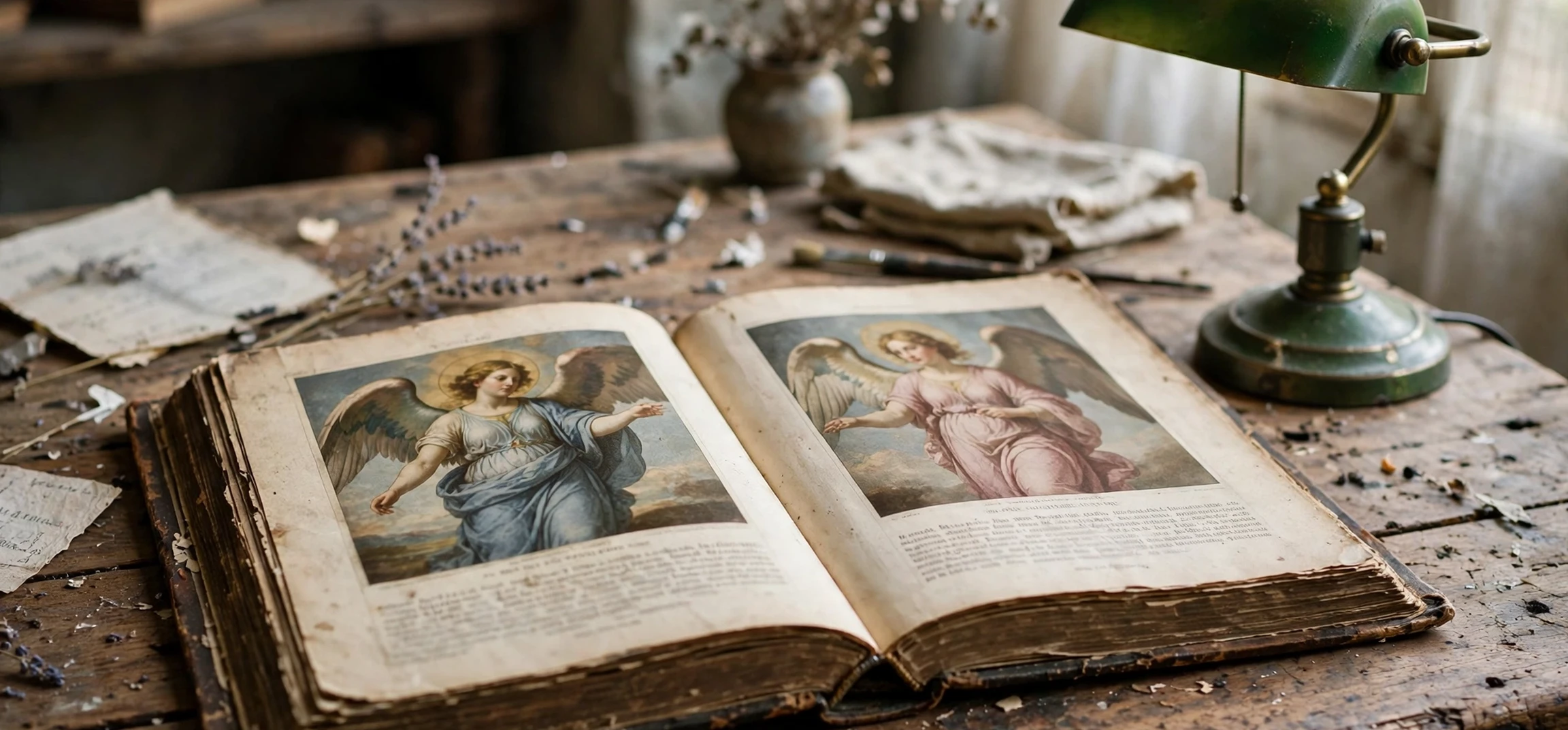
What is cherub? A cherub is a type of angelic being described in religious texts, art, and literature, most often pictured as a childlike figure with wings. The word is used in different ways depending on context. In the Hebrew Bible and in later Christian tradition, a cherub is a powerful, awe-inspiring creature associated with the presence of God, guarding sacred places and carrying out divine tasks. In popular art, especially from the Renaissance onwards, a cherub is more often a plump, rosy-cheeked child with small wings, used as a symbol of innocence, love, and beauty. Understanding what is cherub therefore means holding both pictures in mind: the ancient, majestic guardian and the familiar, gentle figure of later painting and decoration.
The plural of cherub is cherubim, although cherubs is also widely used in everyday English, especially when talking about art or about a sweet-looking child. People sometimes call a young child a cherub as a term of affection, meaning that the child looks innocent, round-cheeked, and delightful. That everyday use comes directly from the artistic image, not from the ancient religious description. This guide explains the origins of the word, the role of cherubim in scripture, how artists transformed them over centuries, and how the term is used in modern language.
What Is Cherub in Simple Terms?
In simple terms, what is cherub can be answered in one sentence: a cherub is an angelic being, traditionally ranked among the higher orders of angels, whose image has changed greatly between ancient texts and modern art. In ancient descriptions, cherubim are not small babies. They are impressive, composite creatures with wings, sometimes described with multiple faces or with the features of different living beings, and they are placed near the throne of God or at the entrance to sacred spaces. Their role is protective and reverent. They mark a boundary between the ordinary world and the holy, and their presence signals that something of great importance is happening.
In later European art, however, the cherub became smaller, softer, and more human. Artists painting scenes of heaven, love, and celebration filled skies with cherubs who looked like lively toddlers, often chubby and smiling, sometimes playing instruments or scattering flowers. These figures are technically closer to putti, a classical artistic motif of small children, but in everyday language they are almost always called cherubs. That is why a person looking at a church ceiling, a Valentine’s card, or a garden ornament may meet a very different cherub from the one described in ancient scripture, even though both carry the same name.
What Is Cherub in Religious Texts?
In the Hebrew Bible, cherubim appear at several key moments. After Adam and Eve leave the Garden of Eden, cherubim are placed at the east of the garden with a flaming sword to guard the way to the tree of life. In the Book of Exodus, two golden cherubim are described as part of the mercy seat, the cover of the Ark of the Covenant, with their wings spread over it. In the visions of Ezekiel, cherubim are described in vivid, complex detail, with wheels, wings, and faces, moving as part of a divine chariot. These passages do not present cherubim as gentle ornaments. They present them as beings of power, movement, and mystery, closely linked to God’s presence.
In Christian tradition, cherubim kept that high rank. Medieval theologians placed them in the hierarchy of angels, often second only to seraphim, and associated them with knowledge, wisdom, and contemplation of God. Hymns, prayers, and church art from the Middle Ages often treated cherubim with great seriousness, as beings who constantly praise God and guard holy things. That seriousness is important for anyone studying religious art or literature, because it explains why older church carvings and manuscripts show cherubim as solemn, winged figures rather than as playful children. The shift towards the childlike image came later, and it was driven more by artistic fashion than by a change in scripture.
What Is Cherub in Art and Architecture?
Art history shows a long transformation. Early Christian and Byzantine art often showed cherubim as winged heads or as full figures with large wings, following the serious tone of scripture. During the Renaissance, artists rediscovered classical art, with its putti and cupids, and blended those motifs with Christian angels. The result was the familiar plump cherub, used to fill clouds, frame scenes, and add warmth and charm to paintings of the Madonna, saints, and mythological subjects. Raphael’s famous pair of cherubs at the foot of the Sistine Madonna, resting their chins on their hands, became one of the most reproduced images in Western art and helped fix the childlike cherub in popular imagination.
From painting, cherubs spread into sculpture, architecture, furniture, and garden design. Stone cherubs appear on tombs, fountains, and church facades, where they can symbolise innocence, protection, or the soul’s journey. In the eighteenth and nineteenth centuries, cherubs became common in domestic decoration, from porcelain figures to wallpaper borders. In the twentieth century, they appeared on greeting cards, in advertising, and in children’s book illustration, often as shorthand for sweetness and love. Each of these uses borrows something from the older religious idea — protection, closeness to heaven, purity — but softens it into a decorative, approachable form that suits everyday life.
What Is Cherub Compared with Cupids and Putti?
People often confuse cherubs with cupids, and the confusion is understandable. Cupid, from Roman mythology, is the god of love, often shown as a winged boy with a bow and arrows. Putti, from classical and Renaissance art, are chubby naked children, sometimes winged and sometimes not, used as decoration. Cherubs, in the strict religious sense, are a separate category of angel. In popular usage, however, the three figures overlap heavily. A winged child on a Valentine’s card might be called a cherub by one person, a cupid by another, and a putto by an art historian, and all three labels would be understood in context.
The practical difference is mainly one of origin and purpose. A cherub in scripture is an angel with a sacred duty. A cupid belongs to mythology and to the theme of romantic love. A putto is an artistic device, a decorative child who adds life and movement to a scene without necessarily carrying a theological meaning. Knowing these distinctions helps when writing about art, visiting a gallery, or reading older literature, where authors may use cherub in the strict sense, the artistic sense, or the affectionate sense. The surrounding context — a biblical passage, a painting description, or a comment about a baby — usually makes the intended meaning clear.
What Is Cherub in Language and Everyday Speech?
The word cherub comes into English from Hebrew, through Greek and Latin. Its plural, cherubim, follows the Hebrew plural pattern, which is why it looks unusual in English. Over time, English speakers also formed the regular plural cherubs, especially for the artistic and affectionate uses. Both plurals are accepted in modern dictionaries, but cherubim is preferred in religious and scholarly writing, while cherubs is common in everyday speech and in descriptions of ornaments and pictures. A single figure is always a cherub, never a cherubim, and that distinction is worth keeping straight in formal writing.
The adjective cherubic describes a face or expression that looks like a cherub: round, rosy, innocent, and sweet. It is used for children, for portraits, and sometimes ironically for adults whose innocent appearance hides a mischievous character. The word has also entered names and titles in literature and popular culture, where a character called Cherub or described as cherubic is usually meant to seem pure, charming, or deceptively innocent. These extended uses show how a religious term can travel far from its origins while keeping a core association with innocence and a heavenly, protected quality.
Cherubs in Literature and Modern Culture
In literature, cherubs appear in poetry, drama, and fiction as symbols of innocence, divine love, and the boundary between earth and heaven. Poets have used cherubs to describe children, to decorate visions of paradise, and to contrast purity with worldly experience. In children’s stories, cherubs often appear as guardians or as cheerful inhabitants of magical places. In modern popular culture, the image survives on greeting cards, in tattoos, in garden centres, and in festive decoration, where a cherub can suggest love at Valentine’s Day, peace at Christmas, or remembrance on a memorial.
That survival is part of the word’s interest. Few ancient religious terms remain so visible in everyday decoration, and few have changed their appearance so completely while keeping their name. When people buy a cherub ornament, they are rarely thinking of Ezekiel’s complex visions, but they are still drawing on a long tradition in which winged figures mark a place as special, protected, or blessed. For readers interested in related words and names, see the meaning of the name Angelica, what 333 means in angel numbers, and fallen angel names.
| Context | How a cherub appears | Main association |
|---|---|---|
| Ancient scripture | Powerful winged guardian, sometimes with multiple faces | Holiness, protection, divine presence |
| Medieval theology | High-ranking angel devoted to knowledge and praise | Wisdom and contemplation |
| Renaissance art | Plump, childlike figure with small wings | Innocence, beauty, celebration |
| Everyday language | A sweet, round-cheeked child | Affection and innocence |
Frequently Asked Questions
What is cherub in one sentence?
A cherub is an angelic being, ranked among the higher angels in religious tradition and commonly pictured in art as a winged, childlike figure symbolising innocence.
What is the plural of cherub?
The traditional plural is cherubim, used in religious and scholarly writing. Cherubs is also widely accepted, especially for art, ornaments, and everyday speech.
Are cherubs the same as cupids?
Not strictly. Cherubs are angels in religious tradition, cupids belong to Roman mythology and romantic love, and putti are decorative children in art, although popular usage often overlaps.
Why do cherubs look like babies in paintings?
Renaissance artists blended Christian angels with classical putti, creating the plump, childlike cherub that became the familiar image in later art and decoration.
For a reader meeting the term for the first time, the question what is cherub is best answered by looking at context first. If the context is a biblical passage, what is cherub points to a powerful guardian angel. If the context is a gallery label, what is cherub points to a childlike figure in a painting. If the context is a family conversation, what is cherub may simply be an affectionate description of a baby. In each case, asking what is cherub and then checking the surrounding words — scripture, art, or everyday speech — gives a more accurate answer than memorising one fixed image. That habit, of asking what is cherub in this particular context, is the most reliable way to use the word well, and it explains why dictionaries list both the religious and the artistic senses side by side.
Conclusion
So, what is cherub? It is a word with two lives: a serious, powerful angel in ancient scripture and theology, and a gentle, childlike figure in centuries of art and everyday language. Both lives share a core idea — a being close to heaven, associated with protection, purity, and love — but they look very different. Recognising that double history helps readers understand biblical passages, gallery paintings, and affectionate everyday speech without confusing one use for another. Whether met in a church, a museum, or a description of a smiling toddler, the cherub remains one of the most enduring and recognisable figures in Western culture, precisely because it can carry both awe and tenderness at once.



