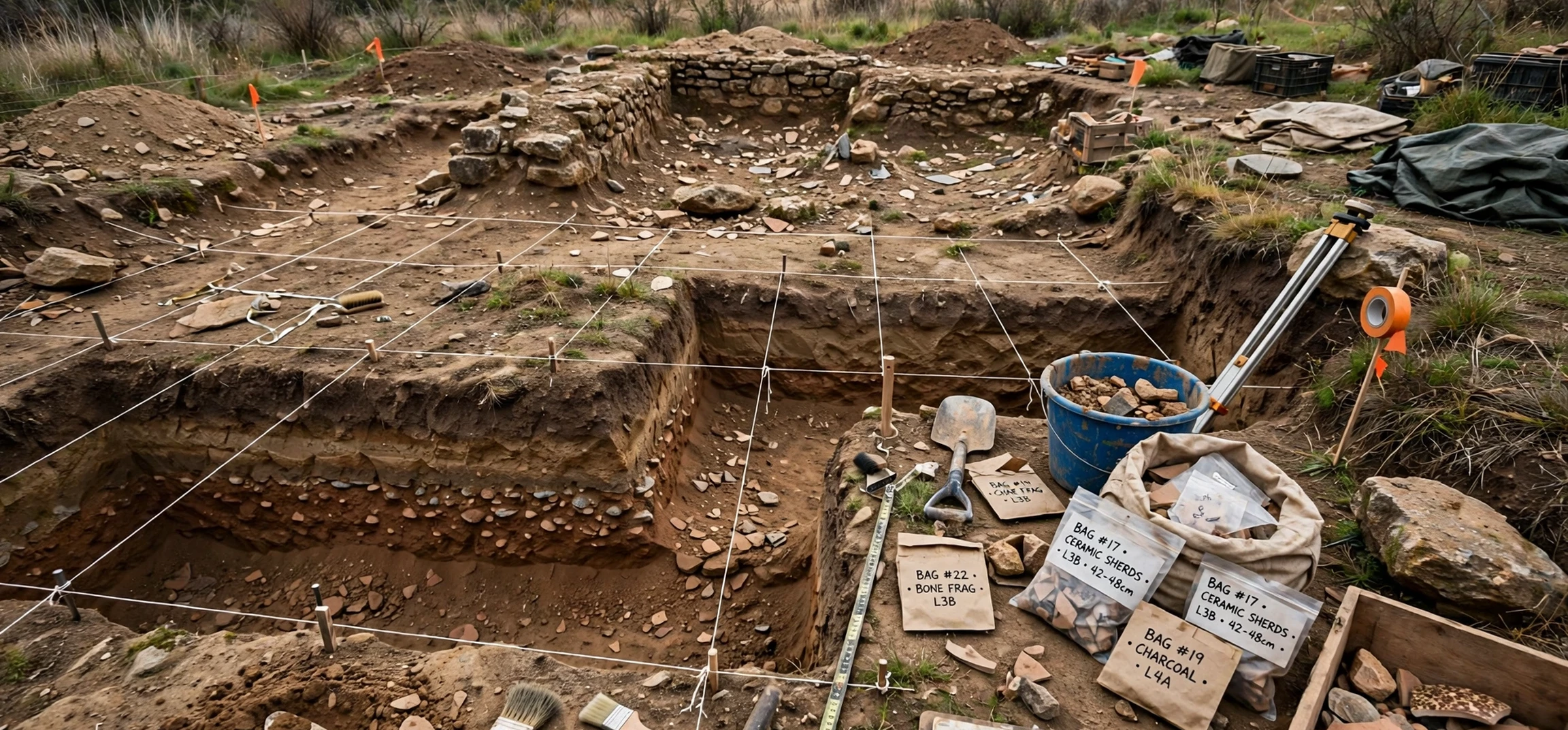
If you searched for “define excavation in construction”, you want a clear, practical explanation of what excavation means on a building site, and this guide provides exactly that. To define excavation in construction is to describe the process of removing earth, rock, or other material from the ground to create space for foundations, basements, trenches, roads, pipelines, and other structures. Excavation is one of the first major physical activities on most construction projects, and it shapes everything that follows: the stability of the building, the safety of the workers, and the cost and schedule of the job.
Excavation sounds simple, digging a hole, but to define excavation in construction properly, in professional construction it is a carefully engineered operation. Before any digging begins, surveyors mark the site, engineers study the soil, and project teams check for underground utilities, water tables, and nearby structures. The type of excavation chosen depends on the soil, the depth, the purpose of the dig, and the space available. A shallow trench for a pipe is a different task from a deep basement excavation beside an existing building, and each demands different equipment, safety measures, and planning. Understanding these distinctions is essential for students, homeowners, and anyone working near a construction site.
What “define excavation in construction” Means
When professionals define excavation in construction, they mean the controlled removal of ground material to reach a required depth, shape, and level for building work. The word excavation covers both the action and the resulting hollow: the pit, trench, or cutting itself is also called an excavation. This work includes cutting through topsoil, clay, gravel, or rock, loading the removed material, hauling it away or stockpiling it for reuse, and shaping the remaining surfaces to the engineer’s specifications. Every step is measured, because a foundation that sits even slightly off level can cause problems for the entire structure.
The definition also implies responsibility. Excavation changes the ground’s natural balance, so engineers must consider how the surrounding soil will behave once support is removed. That is why deep excavations use shoring, bracing, or sloping to prevent collapse, and why water must be managed through pumping or drainage. In short, to define excavation in construction is to describe not just digging, but digging done safely, accurately, and with respect for the ground and the structures around it.
Common Types When You define excavation in construction
Construction teams use several types of excavation, each suited to a different purpose. Topsoil excavation removes the upper layer of soil, including vegetation and organic material, so that building can begin on stable ground. Earth excavation goes deeper, removing the soil below the topsoil to reach the level required for foundations or roads. Rock excavation tackles hard material that cannot be dug with ordinary equipment and may require breaking, ripping, or controlled blasting by licensed specialists.
Trench excavation creates long, narrow cuts for pipelines, cables, and drainage, while basement excavation opens a large area for underground floors and parking levels. Dredge excavation removes material from beneath water for harbors and waterways, and muck excavation deals with wet, unstable soil that must be removed or replaced before building. Choosing the right type matters: using the wrong method wastes time, damages equipment, or creates safety hazards that could have been avoided with better planning.
Bulk and Trench Work Compared
Bulk excavation removes a large volume of material across a wide area, such as the footprint of a building or a road cutting, and it usually relies on heavy machines like excavators, bulldozers, and dump trucks. Trench excavation is narrower and more precise, often dug in stages and supported as it deepens. Both require survey control, but trench work demands extra care because workers enter the trench and because the narrow walls are more vulnerable to collapse. Regulations in most countries set strict rules for trench depth, access, and protective systems, and experienced contractors treat those rules as non-negotiable.
Equipment Used in Excavation
When you define excavation in construction in practical terms, modern excavation relies on a fleet of specialized machines. Hydraulic excavators do most of the digging, using buckets of different sizes for bulk work, trenching, and fine grading. Bulldozers push and level material, loaders move it into trucks, and dump trucks haul it away or to stockpiles. Compactors then firm up the surfaces left behind, while smaller tools such as trench boxes, pumps, and surveying instruments handle safety and accuracy. On tight urban sites, compact machines and even hand digging may be necessary where large equipment cannot reach.
Equipment choice depends on soil, access, depth, and schedule. Soft soil allows fast digging but may collapse easily, while rock slows progress and wears machinery. Wet ground requires pumps and careful handling, and sites beside existing buildings demand low-vibration methods to avoid damage. A good excavation plan matches each machine to the task and the ground conditions, rather than simply bringing the largest equipment available.
Safety and Planning Before Digging
Safety is the most important part of any excavation, because cave-ins are among the deadliest hazards in construction. Before digging, teams locate underground utilities such as gas, water, electricity, and communications lines, since striking one can cause injury, outages, or worse. Soil is inspected and classified, and protective measures are chosen: sloping the sides back, benching in steps, shoring with supports, or shielding workers with trench boxes. Workers need safe access and escape routes, spoil piles must be kept back from the edge, and excavations must be inspected daily and after rain.
Planning also covers water, weather, and neighbors. Groundwater may need pumping, heavy rain can weaken trench walls overnight, and vibration or dewatering can affect nearby buildings. Responsible contractors monitor these risks, communicate with neighbors, and keep the site tidy and clearly marked. Homeowners planning even a small excavation, such as a footing for an extension, should hire qualified professionals and confirm that utility checks and permits are complete before work starts.
Excavation Stages at a Glance
| Stage | What Happens | Why It Matters |
|---|---|---|
| Survey and marking | Boundaries and levels are set out | Ensures the dig is in the right place |
| Utility checks | Underground services are located | Prevents strikes and injuries |
| Topsoil removal | Surface layer is stripped and stored | Reaches stable building ground |
| Main digging | Earth or rock is removed to design depth | Creates space for the structure |
| Support and drainage | Shoring, pumps, and grading are applied | Keeps workers and walls safe |
| Inspection and backfill | Work is checked, then voids are filled | Confirms quality before building proceeds |
Excavation and the Environment
Once you define excavation in construction, its environmental side becomes clear: excavation affects the environment, and modern projects manage that impact carefully. Topsoil is often saved and reused for landscaping, reducing waste and preserving a valuable resource. Dust is controlled with water spraying and wheel washing, noise is limited to permitted hours, and runoff is managed so that muddy water does not pollute drains or waterways. Contaminated soil, when found, must be handled by specialists and disposed of at licensed facilities rather than simply moved elsewhere.
Reuse of excavated material is another growing practice. Clean soil and crushed rock can serve as fill on the same site or another project, cutting truck journeys and disposal costs. This approach requires testing and planning, but it turns a waste problem into a resource. As construction becomes more sustainable, careful excavation planning is increasingly seen as an environmental responsibility, not just an engineering task.
For related reading, see a construction company profile and our property preservation guide.
Costs, Schedules, and Why People define excavation in construction
Students, estimators, and site managers define excavation in construction carefully because the definition affects budgets and schedules as much as engineering. Excavation quantities are measured in cubic volume, and small errors in depth or area multiply into large differences in truck journeys, disposal fees, and labour hours. When teams define excavation in construction in a contract, they specify what counts as earth, what counts as rock, and how unexpected ground conditions will be handled, because rock costs far more to remove than soil. Weather also matters: rain can halt digging, flood a trench, or turn a stockpile into mud, so schedules build in contingency for ground conditions. A clear definition, agreed before digging starts, prevents disputes later, and it helps everyone on the project understand exactly what the excavation scope includes. In short, to define excavation in construction precisely is to protect the budget, the timetable, and the working relationships on site, which is why professionals return to the definition at every stage of a project.
Frequently Asked Questions
What is the difference between excavation and digging?
Digging is a general word for removing earth, while excavation in construction means planned, measured, and engineered removal of ground material for a specific building purpose, with safety and survey controls.
How deep can an excavation go safely?
Depth limits depend on soil type, water, nearby structures, and local regulations. Deeper excavations require engineered support systems and professional design, and workers must never enter an unprotected deep trench.
Can a homeowner do their own excavation?
Small garden work may be fine, but any excavation for foundations, retaining walls, or utilities should involve qualified professionals, utility checks, and the necessary permits.
Conclusion
To define excavation in construction is to describe the planned removal of earth and rock to prepare the ground for building, carried out with survey accuracy, suitable equipment, and strict safety controls. From topsoil stripping to deep basement work, excavation sets the foundation, literally and figuratively, for everything that follows. Whether you are a student learning the vocabulary, a homeowner planning a project, or simply curious about the work behind a building site, understanding excavation helps you appreciate how much skill goes into the first, most fundamental stage of construction.



