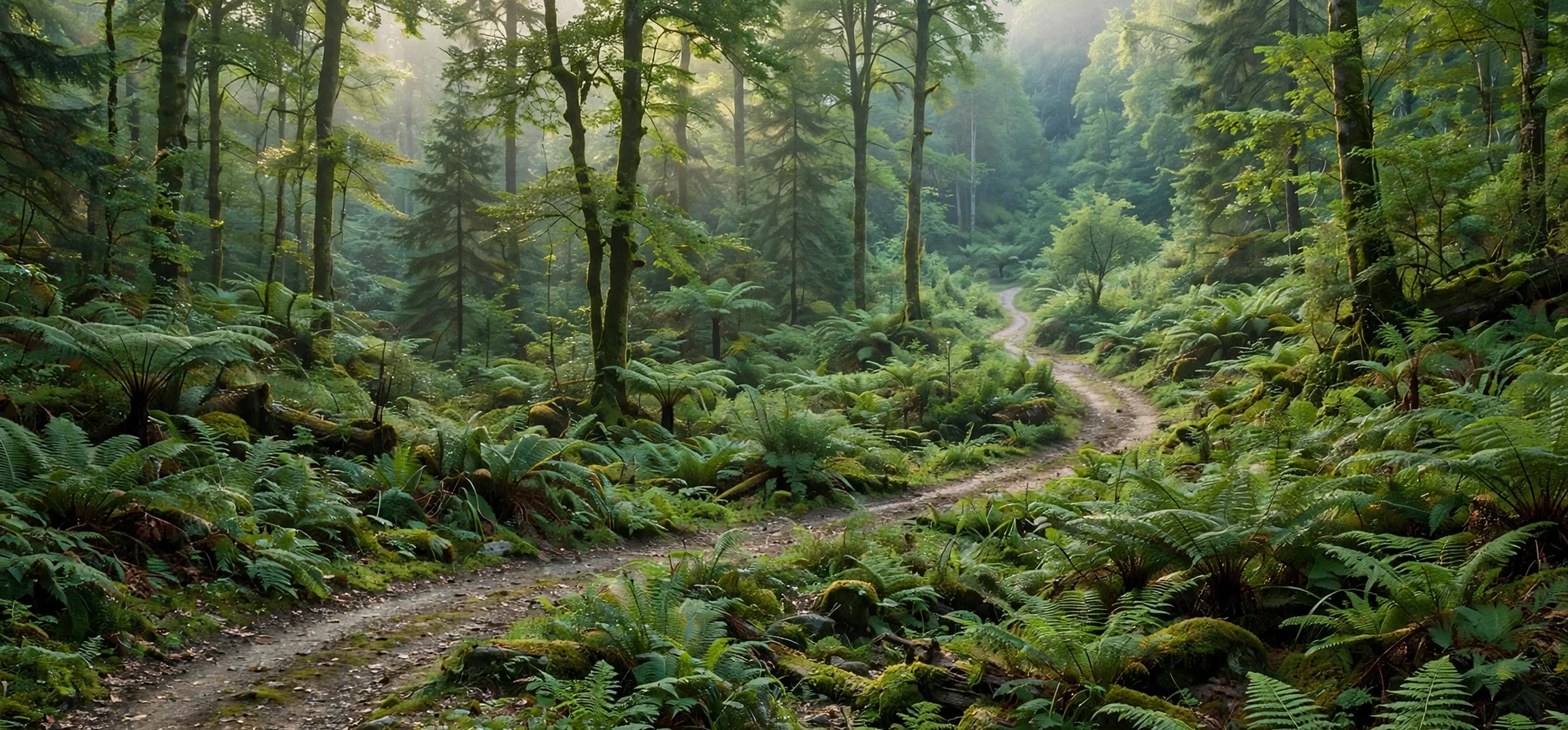
When someone searches for the phrase definition species diversity, they are usually looking for a clear, simple explanation of what the term means in ecology. In short, the definition species diversity points to the variety of different species living in a particular place, and how evenly individuals are spread among those species. A forest with many kinds of trees, birds, insects, and fungi has high species diversity, while a field planted with a single crop has low species diversity. This guide explains the definition species diversity in plain language, explores its different levels, and shows why it matters for healthy ecosystems and for people.
Species diversity is one of the most useful ideas in ecology because it turns a vague sense of “lots of wildlife” into something scientists can describe, compare, and track over time. If two woodlands look green and full of life, a diversity check can reveal that one holds dozens of species while the other is dominated by just two or three. That difference matters. A community with many species often uses resources in different ways, fills more ecological roles, and recovers more quickly after a drought, a storm, or a disease outbreak. Understanding species diversity therefore helps conservationists decide where protection is most urgent and helps students make sense of how nature works.
This article keeps the focus on meaning first. It explains the core idea, breaks down the three levels of diversity that ecologists talk about, gives everyday examples from forests, oceans, grasslands, and gardens, and answers common questions. By the end, you will be able to explain species diversity to someone else without jargon, recognise it in the landscape around you, and understand why scientists treat it as a warning light for the health of the natural world.
Definition Species Diversity in Plain Language
The simplest version of the definition species diversity is this: it is the variety and abundance of species within a given area or community. Two ingredients sit inside that definition. The first is species richness, which is simply how many different species are present. The second is species evenness, which describes whether individuals are spread fairly evenly across those species or concentrated in just a few. A pond with ten species, each represented by a similar number of individuals, is more diverse than a pond with ten species where one species accounts for almost every individual.
It helps to separate species diversity from two nearby ideas. Biodiversity is the broader umbrella: it covers genetic diversity within species, species diversity between species, and ecosystem diversity across habitats. The definition species diversity is therefore one important slice of biodiversity, not the whole thing. Likewise, a long species list alone does not guarantee high diversity. If a meadow contains fifty plant species but one grass makes up ninety percent of all plants, the community is less diverse in the ecological sense than a meadow with thirty species in balanced proportions.
Why both richness and evenness matter
Richness tells you what is there, while evenness tells you how the community is organised. Imagine two gardens. The first has twenty flower species but one of them covers nearly the whole garden. The second has fifteen flower species in roughly equal patches. Pollinators visiting the second garden find a steadier mix of nectar sources through the season, and a pest that attacks one flower species leaves fourteen others standing. That is why ecologists insist that the definition species diversity must include evenness as well as a simple count.
The Three Levels Behind Definition Species Diversity
Ecologists usually describe the definition species diversity at three connected levels, often called alpha, beta, and gamma diversity. Alpha diversity is the diversity within a single place, such as one woodland, one reef, or one field. Beta diversity compares places: it measures how much the species list changes as you move from one habitat to another, for example from a riverbank to a hillside. Gamma diversity is the total diversity across a larger region that contains many habitats. Together, these levels explain why protecting a single nature reserve is rarely enough on its own.
Consider a mountain valley. Each meadow in the valley has its own alpha diversity. The differences between meadows, shaped by soil, moisture, and altitude, create beta diversity. Add up every meadow, forest patch, stream, and rocky slope in the valley and you get gamma diversity. A valley can have modest diversity in any single meadow yet high overall diversity because each habitat contributes different species. Conservation plans that only count species in one spot can miss this bigger picture, which is why the three levels remain central to the definition species diversity.
Genetic diversity and ecosystem diversity in context
Although this guide focuses on species, it is worth noting the two neighbours of the definition species diversity within biodiversity. Genetic diversity is variation within a single species, such as different coat colours in a mammal population or drought tolerance among trees of the same species. Ecosystem diversity is variety among habitats themselves, from wetlands and deserts to coral reefs and temperate forests. Species diversity sits between the two: genes vary within species, species vary within ecosystems, and ecosystems vary across landscapes.
Examples of Species Diversity in Forests, Oceans, and Grasslands
Tropical rainforests are the classic example of high species diversity. A single hectare can hold hundreds of tree species, alongside countless insects, birds, amphibians, and fungi, many of them found nowhere else. Coral reefs offer a marine parallel: the reef structure shelters fish, crustaceans, molluscs, corals, and algae in a crowded, interdependent community. In both cases, the variety is not decoration. Different species pollinate different flowers, recycle different nutrients, and occupy different feeding niches, so the whole system functions through division of labour.
Grasslands and temperate woodlands show a quieter but still rich version of the same idea. A healthy meadow may contain grasses, clovers, wildflowers, and herbs that flower at different times, supporting bees, butterflies, beetles, and birds across the season. Even a city park or a garden can illustrate the definition species diversity: a lawn of one grass species has low diversity, while a mixed border with shrubs, flowers, herbs, and a small pond supports far more insects and birds. Diversity is therefore not something that only exists in distant wilderness; it can be observed, and improved, close to home.
What low species diversity looks like
Low species diversity is easy to spot once you know what to look for. A plantation of a single tree species, a lake dominated by one kind of algae, or a farm field growing one crop all show the same pattern: few species, uneven abundance, and heavy dependence on a narrow set of conditions. Such systems can be productive in the short term, but they are fragile. One pest, one disease, or one weather extreme can affect most of the community at once because there are few alternative species to take up the slack.
Why Species Diversity Matters for Ecosystems and People
Species diversity supports the services that ecosystems provide to people. Diverse plant communities tend to produce more stable yields, hold soil better, and cycle nutrients more completely. Diverse pollinator communities improve fruit and seed production. Diverse forests store carbon, filter water, and moderate local climate more reliably than uniform stands. When species disappear, these services do not always collapse at once, but they usually become less stable and more expensive to replace with technology.
Diversity also acts as insurance. In a varied community, some species tolerate heat, others tolerate wet conditions, and still others recover quickly after disturbance. As conditions change, the mix of species shifts rather than the whole system failing. Scientists call this resilience, and it is one of the strongest practical arguments for protecting the definition species diversity wherever it remains. Losing species one by one may seem harmless, but each loss removes a small piece of that insurance.
There is also a less practical, but no less real, reason to care. Species diversity is part of what makes the natural world interesting, beautiful, and worth studying. From the variety of birdsong at dawn to the different shapes of leaves in a woodland, diversity enriches everyday experience. Readers who enjoy clear explanations of ideas may also like this site’s guide connected to biodiversity topics and its writing guide for explaining complex ideas simply.
Species Diversity at a Glance
The table below summarises the key ideas in this guide, so you can compare them side by side and revisit the definition species diversity whenever you need a quick refresher.
| Concept | What it means | Simple example |
|---|---|---|
| Species richness | Number of different species in an area | A woodland with 40 bird species |
| Species evenness | How evenly individuals are spread among species | Ten species with similar population sizes |
| Alpha diversity | Diversity within one place | Species in a single meadow |
| Beta diversity | Change in species between places | Meadow species compared with forest species |
| Gamma diversity | Total diversity across a region | All species in a whole valley |
Notice how the table separates counting from balance. Both matter, and the definition species diversity is incomplete if either is ignored. A community can gain species yet lose diversity if a single newcomer comes to dominate, just as it can lose species yet keep a balanced structure among those that remain. Tracking both measures over time gives a far more honest picture than either alone.
Frequently Asked Questions About Definition Species Diversity
What is the simplest definition species diversity statement?
The simplest statement is that species diversity is the variety of species in an area, taking into account both how many species are present and how evenly individuals are distributed among them. That two-part idea is the heart of the definition species diversity, and it applies equally to a pond, a forest, or a garden.
Is species diversity the same as biodiversity?
No. Biodiversity is the wider term, covering genetic diversity, species diversity, and ecosystem diversity. The definition species diversity covers only the middle layer: the variety of species. Keeping the terms distinct avoids confusion when reading conservation reports or science news.
Can a place have many species but low diversity?
Yes. If one species dominates and the rest are extremely rare, evenness is low and overall diversity is lower than the species count alone suggests. This is why ecologists report richness and evenness together rather than relying on a headcount.
Why do scientists monitor species diversity?
Monitoring reveals change that casual observation can miss. A gradual loss of species, or a shift toward dominance by a few hardy species, can signal pollution, habitat loss, or climate pressure before a system collapses. Early warning gives conservationists a chance to act while recovery is still possible.
Conclusion: Remembering the Definition Species Diversity
To sum up, the definition species diversity describes the variety of species in a community, shaped by both richness and evenness. It operates at local, comparative, and regional levels, shows up in forests, reefs, grasslands, and gardens alike, and underpins the stability and services that ecosystems provide. A definition species diversity reminder is worth keeping in mind whenever you read about wildlife loss: the question is never only how many species remain, but how balanced and resilient the community they form still is.
Next time you walk through a park, a woodland, or a meadow, try a quick diversity check of your own. Count the different plants you can see, notice whether one dominates, and listen for how many bird species are calling. That small habit turns an abstract definition into a living observation, and it is the first step toward understanding, and protecting, the variety of life around us.