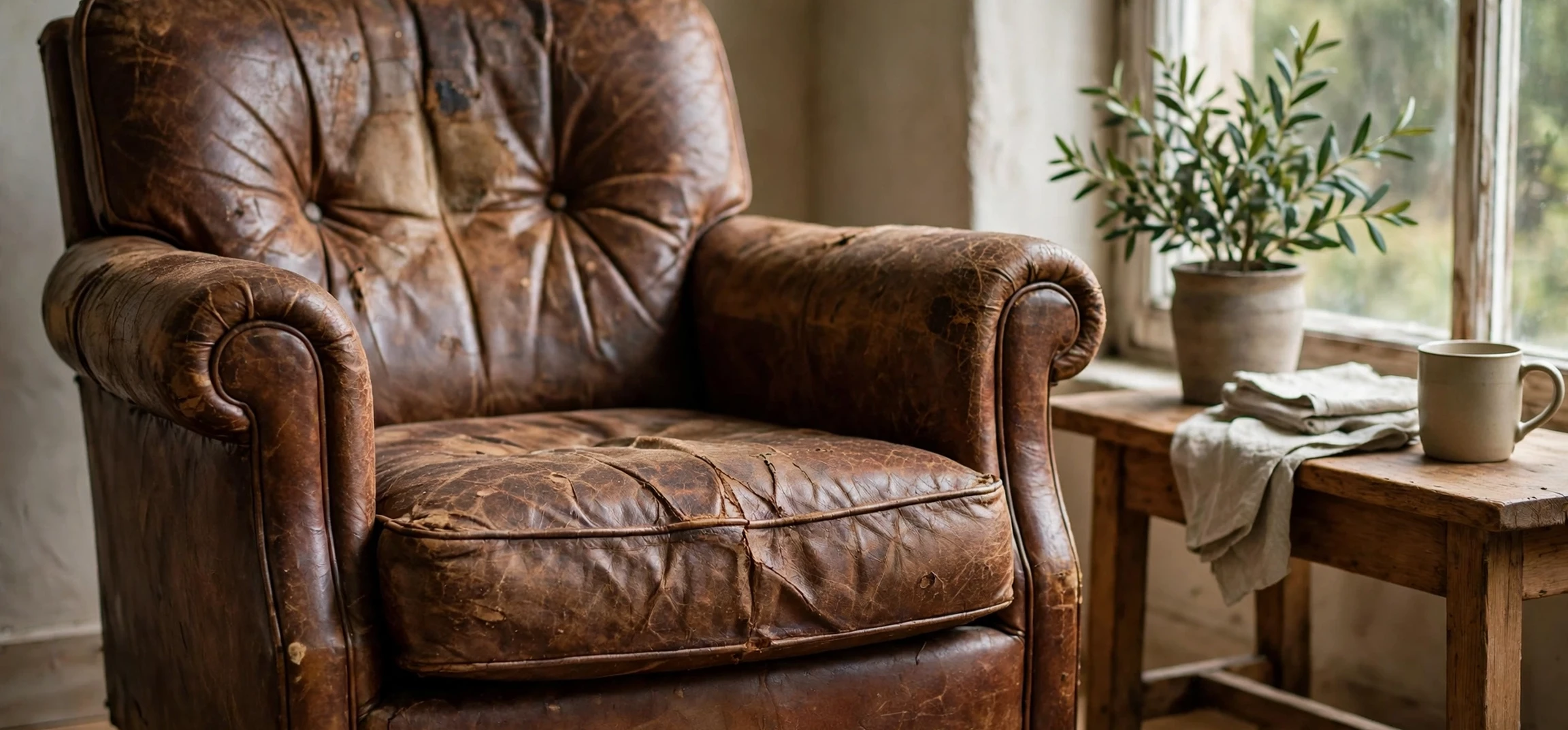
The phrase “wear and tear” is one of those everyday expressions that most people understand instinctively but rarely stop to define. The wear tear meaning is, in simple terms, the gradual damage, deterioration, or loss of condition that happens to something through ordinary, everyday use over time. It is the scuff on a favourite pair of shoes, the faded fabric on a well-used sofa, and the thinning tread on a car tyre. Nothing has been misused or broken on purpose; the item has simply been used, and use leaves its mark.
Understanding the phrase matters because it appears in far more places than casual conversation. It shows up in tenancy agreements, insurance policies, product warranties, employment discussions, and even in descriptions of the human body. In each of those settings, “wear and tear” carries a slightly different weight, and knowing what it means, and what it does not mean, can help you read contracts, judge disputes, and describe everyday deterioration accurately.
The Core wear tear meaning in Everyday Language
At its heart, “wear and tear” describes the natural, expected decline of an object that comes from normal use. The word “wear” points to the gradual erosion of a surface or material: paint rubbing off a door handle, fabric thinning at the elbows of a jacket, or the sole of a shoe growing smooth. The word “tear” points to the small rips, strains, and separations that accumulate in the same way: a seam loosening, a strap fraying, or a hinge growing wobbly. Together, they cover the full range of slow, ordinary deterioration.
The key idea is expectation. Wear and tear is the damage you would expect to see even when something is treated reasonably well. It is the opposite of damage caused by misuse, neglect, or accident. A carpet that has faded in the path everyone walks across the room shows wear and tear; a carpet with a large burn mark does not, because a burn is not a normal consequence of walking on it. That distinction between expected and unexpected damage is what gives the phrase its practical power.
Wear Versus Tear: Are They Different?
In everyday speech, the two words are used together as a fixed pair, and people rarely separate them. Strictly speaking, though, they describe different processes. Wear is gradual and surface-level: the slow rubbing away of material through contact and friction. Tear is more sudden and structural: a rip, a split, or a break in the material itself. In practice, the pair covers both, because most well-used objects show a mixture of the two. A much-loved book, for example, has both worn corners and a torn page or two, and both are part of its wear and tear.
The phrase also works figuratively. People talk about the wear and tear of a busy lifestyle, a demanding job, or years of travel, meaning the gradual toll those experiences take on a person’s energy, health, or belongings. The figurative use borrows the same logic: slow, cumulative, expected decline caused by ordinary living, rather than by a single dramatic event.
Wear and Tear in Property and Tenancy
One of the most common places to meet the phrase is in renting. Tenancy agreements and deposit disputes frequently turn on whether damage to a property counts as fair wear and tear or as damage the tenant should pay for. Fair wear and tear in this context means the deterioration a landlord should reasonably expect over the course of a tenancy: faded paint, light scuffs on floors, minor marks where furniture stood, and carpets that have flattened in busy areas.
Damage that goes beyond fair wear and tear is different in kind. Large stains, holes in walls, broken fixtures, and pet damage that goes beyond normal use are typically treated as the tenant’s responsibility. The dividing line is not always sharp, which is why move-in and move-out inspection reports matter so much. Photographs and written condition reports taken at the start of a tenancy give both sides a shared record of what the property looked like before anyone lived in it, and that record makes it far easier to judge what changed through ordinary living and what changed through something more.
Factors That Affect Fair Wear and Tear
Several factors shape what counts as fair. The length of the tenancy matters: a carpet that looks tired after five years of daily use is showing expected deterioration, while the same carpet looking tired after five weeks is not. The quality and age of the item matter too: an old, thin carpet will show wear faster than a new, heavy-duty one, and a landlord cannot reasonably expect an ageing item to look new at the end of a tenancy. The number of occupants and the presence of children or pets also affect expectations, since more use naturally produces more wear.
If you are a tenant, the practical advice is straightforward: report problems promptly, keep the property reasonably clean, and keep your own record of its condition. If you are a landlord, the equivalent advice is to set clear expectations at the start, document the condition thoroughly, and judge the end-of-tenancy condition against the age and quality of each item, not against the standard of a brand-new property.
The wear tear meaning in Insurance, Warranties, and Work
Insurance policies often exclude wear and tear from cover, and understanding that exclusion can prevent an unpleasant surprise. An insurer covers sudden, unexpected events such as a storm, a theft, or an accident. It does not normally cover the gradual deterioration of an ageing roof, a worn-out appliance, or a car part that has simply reached the end of its expected life. If a claim is rejected as wear and tear, the insurer is saying the loss was the predictable result of age and use, not an insurable event.
Product warranties work similarly. A warranty typically covers defects in materials or workmanship, not the gradual decline that comes from using the product as intended. A phone battery that holds less charge after years of daily charging is showing wear and tear, while a phone that stops working because of a manufacturing fault is a warranty matter. The distinction protects both sides: the manufacturer is responsible for making a sound product, and the owner accepts that even a sound product ages with use.
Wear and Tear and the Human Body
The phrase is also used for the body, most famously in descriptions of joints. Years of movement, sport, and physical work gradually affect cartilage and joints, and doctors sometimes describe that cumulative effect as wear and tear. The expression is a simplification, and modern understanding of joint health is more nuanced than the phrase suggests, involving factors such as genetics, injury history, and activity levels. Still, the everyday meaning is clear: the body, like any well-used thing, shows the effects of a lifetime of use.
The same figurative use appears in discussions of work and stress. A demanding schedule, years of shift work, or prolonged pressure can be described as causing wear and tear on a person’s wellbeing. Here the phrase communicates something important: the effect is cumulative and gradual, not the result of one bad week, and recovery usually requires rest and change over time rather than a single quick fix.
| Context | What counts as wear and tear | What usually does not |
|---|---|---|
| Rented property | Faded paint, light scuffs, flattened carpets | Holes in walls, large stains, broken fixtures |
| Insurance | Ageing roof, worn appliance parts | Storm damage, theft, accidental damage |
| Product warranty | Battery ageing, faded finishes, loosened hinges | Manufacturing defects, faulty components |
| Vehicles | Tyre tread loss, brake pad wear, seat fading | Collision damage, neglect-related failure |
Wear and Tear in Everyday Sentences
Seeing the phrase in context makes its meaning clearer. A few typical examples: “After ten years of family life, the sofa is showing signs of wear and tear.” “The landlord accepted that the faded curtains were fair wear and tear and did not deduct anything from the deposit.” “The mechanic explained that the brakes had simply reached the end of their life through wear and tear.” In each case, the phrase explains deterioration that is normal, expected, and nobody’s fault.
It is also used in the negative, to deny that something is merely wear and tear. “The engineer confirmed the crack was a manufacturing defect, not wear and tear” is a sentence that carries real weight in a warranty claim, because it moves the damage from the owner’s responsibility to the manufacturer’s. Learning to use the phrase precisely, in both directions, is genuinely useful.
Common Confusions to Avoid
People sometimes confuse wear and tear with damage, and the difference is worth holding onto. Damage implies a specific event or act that caused harm: a spill, a drop, a collision. Wear and tear implies a slow process with no single cause. Another confusion is with the word “ware”, which is a different word entirely, referring to goods or merchandise. And in some regions, people write “wear and tare”, which is a misspelling: the correct second word is “tear”, as in a rip or strain.
For more word-meaning explainers, see our guides to all-encompassing meaning and arm loan meaning.
Frequently Asked Questions
What is the simple wear tear meaning?
It is the gradual damage or deterioration that happens to something through ordinary, everyday use over time, as opposed to damage caused by misuse, neglect, or accident.
What is fair wear and tear in a rented home?
It is the deterioration a landlord should reasonably expect during a tenancy, such as faded paint, light scuffs, and carpets flattened in busy areas, judged against the length of the tenancy and the age and quality of each item.
Why do insurance policies exclude wear and tear?
Because insurance covers sudden, unexpected events, not the predictable decline of ageing items. Gradual deterioration through normal use is considered a maintenance matter rather than an insurable loss.
Conclusion
The wear tear meaning is simple at its core and surprisingly far-reaching in practice. It describes the slow, expected deterioration that comes from ordinary use: the scuffed shoe, the faded curtain, the thinning tyre tread. In tenancy, insurance, warranties, and everyday speech, the phrase draws the same line in every setting, between the decline that life naturally causes and the damage that a specific event, fault, or act of neglect causes. Knowing where that line falls helps you read contracts with clearer eyes, argue a deposit or warranty case more fairly, and describe the ageing of the things around you with precision. The next time you notice a well-used object looking its age, you will know exactly what to call it: wear and tear, the honest record of a life being lived.



