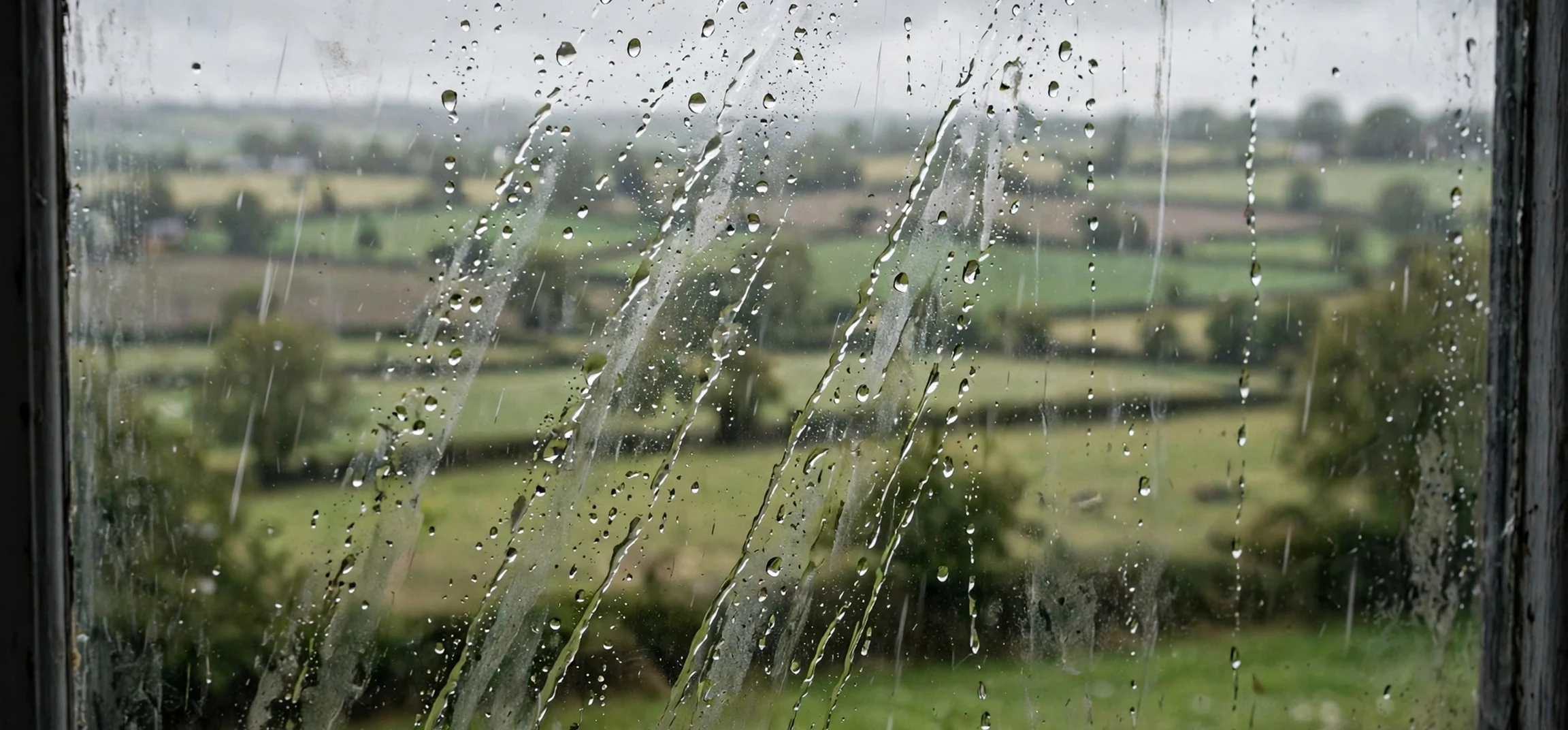
If you have ever wondered what does it mean to call someone a wet blanket, the short answer is that it describes a person who dampens other people’s enthusiasm or fun, often by being overly cautious, negative, or unwilling to join in. The phrase is an idiom, which means its meaning cannot be worked out simply by adding up the literal meanings of “wet” and “blanket.” Instead, it draws on a vivid image: just as a wet blanket would smother a fire, a person described this way is seen as smothering excitement, energy, or a good mood. This guide explains what does it mean to call someone a wet blanket in everyday speech, where the image comes from, how it is used, and how to use it fairly and kindly.
Idioms like this one are useful because they pack a social observation into a few words. When someone says a person is a wet blanket, they are usually not making a formal judgement about character. They are expressing frustration in the moment: a plan was exciting, the mood was high, and then someone’s caution, complaint, or refusal seemed to bring the mood down. Understanding that social context matters, because the same behaviour can look very different depending on the situation. A person who points out a genuine risk is not necessarily a wet blanket. A person who objects to everything, for no clear reason, is more likely to earn the label.
What “what does it mean to call someone a wet blanket” Means in Everyday Speech
In everyday speech, what does it mean to call someone a wet blanket comes down to this: the speaker feels that the other person is spoiling the fun. The phrase is informal and mildly critical, but it is not usually meant as a serious insult. It belongs to the same family as phrases like “party pooper” and “killjoy,” all of which describe someone who reduces enjoyment, whether by refusing to take part, by focusing on problems, or by insisting on rules when others want to relax. The tone can be teasing among friends, or it can be annoyed among colleagues, and the context decides which.
The image behind the idiom helps to explain its force. A blanket is meant to provide warmth and comfort. A wet blanket does the opposite of what a blanket should do: it is cold, heavy, and unwelcome. Applied to fire, a wet blanket smothers flames. Applied to a social situation, the phrase suggests that enthusiasm, like a flame, has been smothered. That is why the idiom feels stronger than simply saying someone is “cautious” or “quiet.” It claims an effect on the whole group, not just a trait of one person.
Where the Wet Blanket Image Comes From
The wet blanket idiom has been in English for a long time, and its origin is tied to that fire-smothering image. Historically, a wet blanket or wet cloth was a practical way to damp down flames, so the step from a physical blanket to a social metaphor was natural. English is full of similar transfers, where a physical action becomes a way of describing social behaviour. Think of “pouring cold water on an idea,” which uses a similar water image to describe discouragement. The wet blanket phrase belongs to that same pattern, and that is part of why it is easy to understand even on first hearing.
It is worth noting that the phrase is not tied to any one region or dialect in modern use. It appears in British, American, and other varieties of English, in conversation, in fiction, and in informal writing. Its meaning stays stable across those settings, which is not true of every idiom. Anyone asking what does it mean to call someone a wet blanket in another variety of English will therefore usually get the same answer. Some idioms change meaning sharply between regions, but what does it mean to call someone a wet blanket is consistent: it always points to dampened enthusiasm, not to a literal blanket, and not to a medical or technical condition.
Examples of How the Phrase Is Used
Examples make the idiom clearer than a definition alone. That is why, when someone asks what does it mean to call someone a wet blanket, a short scene often explains more than a dictionary entry alone. Consider a group planning a spontaneous trip. One person lists every possible problem, refuses to consider any solution, and insists the trip cannot work. A frustrated friend might say, “Do not be such a wet blanket.” In that case, the phrase is a complaint about attitude, not about the problems themselves. Now consider a different scene: a group is about to do something unsafe, and one person points out the risk and suggests a safer plan. Calling that person a wet blanket would be unfair, because caution in that case is responsible, not fun-spoiling. The difference lies in whether the objection is reasonable and whether an alternative is offered.
Workplaces provide another common setting. A team is excited about a new idea, and a colleague responds only with reasons it will fail, without engaging with the idea at all. Colleagues may privately describe that response as wet blanket behaviour. Again, the key is proportion. Constructive criticism, which explains a problem and suggests a fix, is not the same as blanket negativity, which dismisses an idea without engagement. Learning to tell those apart helps both sides: speakers can use the phrase more fairly, and listeners can hear the underlying message without taking it as a personal attack.
| Situation | Likely to be called a wet blanket? | Why |
|---|---|---|
| Refusing every suggestion without a reason | Yes, often | The pattern reads as dampening enthusiasm |
| Pointing out a real safety risk | No, usually unfair | Caution here is responsible, not fun-spoiling |
| Teasing a friend who will not join a game | Yes, playfully | The tone is light, and the meaning is “join in” |
| Offering a better plan instead of just objecting | No | Constructive alternatives keep energy up |
For readers interested in how other English phrases carry a meaning beyond their literal words, this guide to a word meaning explained in context and this guide to another broad meaning phrase show how context shapes understanding in the same way.
Tone, Fairness, and When Not to Use It
Tone matters a great deal with this idiom. Among close friends, “wet blanket” can be gentle teasing, a nudge to lighten up and join in. In a formal setting, or directed at someone you do not know well, it can sound dismissive, as if their concerns do not matter. It can also feel unfair when it is used to shut down a legitimate worry. If someone is anxious, tired, unwell, or dealing with a real problem, labelling them a wet blanket adds pressure rather than helping. A kinder approach is to ask what is worrying them, or to offer a version of the plan that works for them too.
There is also a group dynamic to notice. Sometimes the label says more about the group than about the individual. A group that wants uncritical enthusiasm may call any cautious voice a wet blanket, even when that voice is right. Healthy groups make room for both energy and caution. Energy gets things started. Caution keeps things safe and realistic. When you understand what does it mean to call someone a wet blanket, you can also notice when the phrase is being used to silence a useful perspective, and you can respond by separating the mood from the message: acknowledge the enthusiasm, and still take the concern seriously.
Polite Alternatives to the Phrase
If you want the same message without the sting, try a direct, specific sentence instead of a label. “I would love it if you joined in” invites participation. “Can we find a version of this plan that works for everyone?” invites problem-solving. “I hear your concern, and I still think this is worth trying” respects both sides. Those sentences take slightly longer than an idiom, but they are clearer, kinder, and less likely to start an argument. They also avoid the label altogether, which matters when someone is asking what does it mean to call someone a wet blanket because they have just heard it used about themselves. Idioms are vivid, but direct language is often fairer when feelings are involved.
Learning From “what does it mean to call someone a wet blanket”
There is a broader lesson in asking what does it mean to call someone a wet blanket, and it applies to idioms in general. A literal reading will mislead you, because idioms work by image and by social use, not by word-by-word addition. This is the most common mistake made by anyone first asking what does it mean to call someone a wet blanket. The wet blanket image works because everyone can picture a fire going out, and everyone has felt a good mood fade. When you learn an idiom, therefore, learn its image, its typical situation, and its tone together. That is also why asking what does it mean to call someone a wet blanket is a better question than asking what the two words mean separately: the first question invites the social meaning, while the second invites only a literal description that misses the point.
Frequently Asked Questions: what does it mean to call someone a wet blanket
Is calling someone a wet blanket an insult?
It is mildly critical and informal, rather than a severe insult. Among friends it can be teasing. In other settings it can feel dismissive, so tone and relationship matter.
Does it mean the person is always negative?
No. It usually describes behaviour in a particular moment, not a permanent character trait. A person can act as a wet blanket in one situation and be enthusiastic in another.
What is the difference between a wet blanket and a killjoy?
Very little in everyday use. Both describe someone who dampens fun. “Killjoy” is slightly more direct, while “wet blanket” leans on the smothering-fire image.
Can the phrase be used about a thing, not a person?
Occasionally, yes. People sometimes describe a rule, a delay, or bad weather as a wet blanket on plans, meaning it dampened enthusiasm. The personal use is still the most common.
Is it rude to call someone a wet blanket at work?
It can be, especially in writing or in front of others. At work, it is usually better to describe the specific behaviour and suggest an alternative, rather than using a label.
How should I answer someone who asks what does it mean to call someone a wet blanket?
Give the image first, then the social meaning. Say that what does it mean to call someone a wet blanket is answered by the fire picture: the person is seen as dampening enthusiasm, just as a wet blanket would smother flames. Then add an example, and note that the phrase is informal and depends on tone, so it can be teasing among friends or unfair when it dismisses a real concern. That three-part answer — image, meaning, and tone — covers what does it mean to call someone a wet blanket more completely than a one-word synonym ever could.
Conclusion
So, what does it mean to call someone a wet blanket? It means saying, in vivid idiom form, that the person is dampening other people’s enthusiasm, much as a wet blanket would smother a fire. The phrase is informal, mildly critical, and highly dependent on context. Used playfully among friends, it is a nudge to join in. Used to dismiss a genuine concern, it is unfair. The wisest use is to understand the image, recognise the social message behind it, and choose your words with care. When you can tell the difference between blanket negativity and reasonable caution, you will use the idiom more fairly, and you will hear it more fairly when it is aimed at you. That judgement is the real point of understanding what does it mean to call someone a wet blanket, beyond memorising a short definition.