The name Zaire carries a sound that is both strong and musical, and it has travelled through history, geography, and popular culture on its way to becoming a given name. When people search for the name Zaire, they are often asking where it comes from, what it means, and whether it suits a child, a character, or a creative project. This guide explores the name Zaire from several angles: its roots in Central Africa, its connection with a river and a former country name, its use as a modern given name, and the associations it carries today. It is a name with a real past and a lively present, and understanding that background helps anyone considering it to use it with respect and confidence.
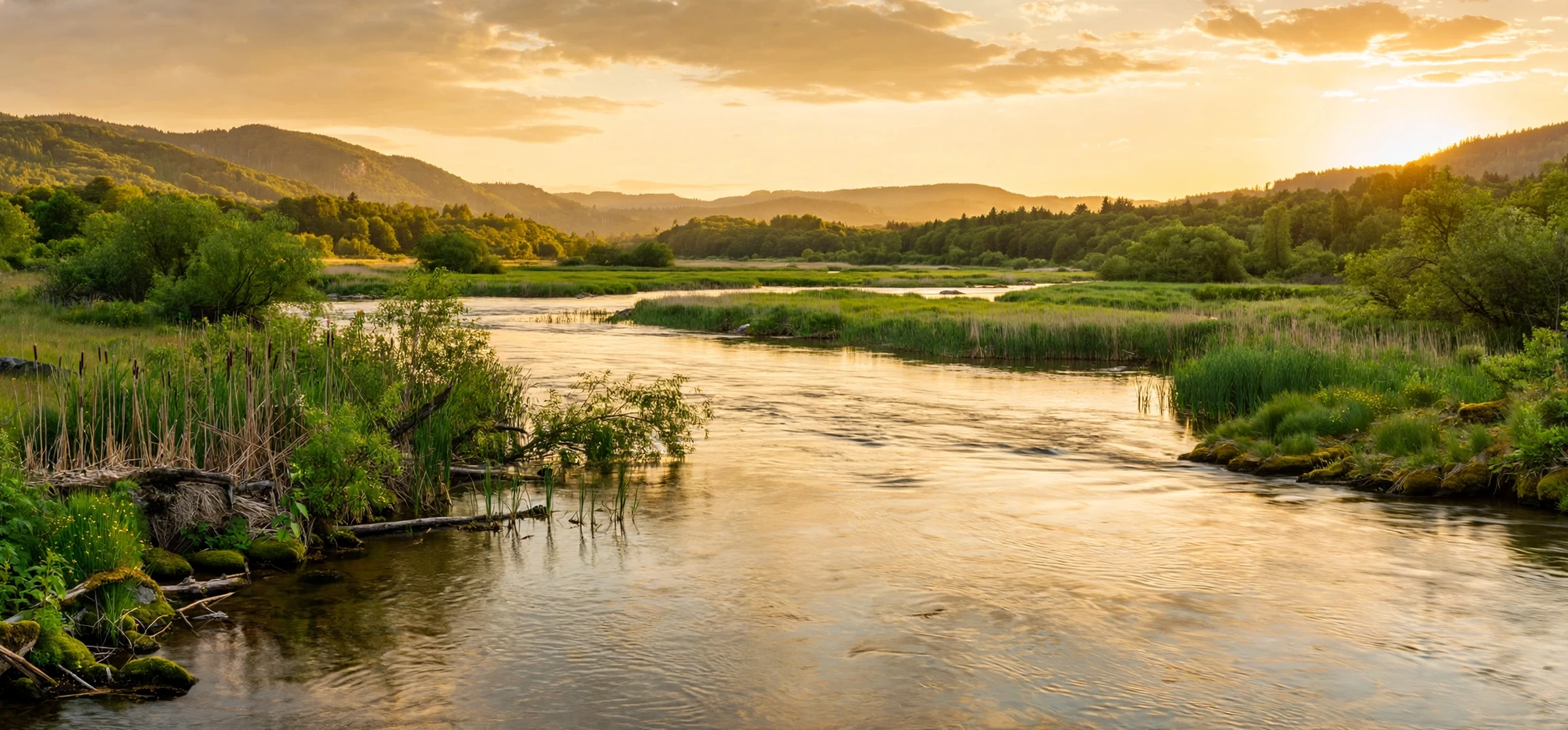
At the heart of the name Zaire is a river. The word is widely associated with the great river of Central Africa now known as the Congo River, and with the country that bore the name Zaire from 1971 to 1997, now the Democratic Republic of the Congo. Older European accounts adapted a local word for the river, and that adapted form eventually gave its name to a nation. When a place name with such a long history becomes a personal name, it brings echoes of that landscape with it: a sense of scale, movement, and depth. That is part of why the name Zaire feels distinctive without feeling invented.
Name Zaire: Meaning and Origin
The meaning most often given for the name Zaire is connected with the river, and through the river with ideas of flowing water and great depth. Some name guides describe it as meaning “river” or “the river that swallows all rivers,” a poetic image that captures how tributaries join the main stream on its long journey to the sea. Others note a meaning along the lines of “great river” or “mighty water.” These glosses should be read as traditional name-book meanings rather than precise translations from a single language, because the word passed through several languages and centuries of use before it reached English. What is consistent across sources is the water connection, and that connection shapes how the name feels: fluid, powerful, and natural.
The origin story of the name Zaire also involves a famous misunderstanding, or at least a famous adaptation. Portuguese explorers in the fifteenth century are said to have asked local people the name of the river and to have recorded a phrase meaning something like “the river” as if it were a proper name. Whether the details are exact or simplified, the pattern is familiar in place-name history: a descriptive phrase becomes a label, the label is repeated on maps, and eventually it hardens into the name everyone uses. The country name Zaire, adopted in the 1970s as part of a policy of reclaiming African identity, drew on that same river heritage, giving the word a modern political chapter as well as an older geographical one.
Name Zaire: A Short History
As a country name, Zaire belonged to a specific period, 1971 to 1997, when the former Belgian Congo was renamed under the government of Mobutu Sese Seko. The renaming was part of a broader programme that also changed personal and place names, aiming to replace colonial labels with African ones. When the country reverted to the name Democratic Republic of the Congo in 1997, the word Zaire did not disappear. It remained in history books, in the memories of people who lived through that era, in music and literature, and in the names of rivers, businesses, and sports teams that had adopted it. For a personal name, that history is worth knowing, because it means the name Zaire can carry different associations for different generations.
For older readers, the name Zaire may recall news reports, football teams, or the famous boxing match in Kinshasa in 1974, often called the Rumble in the Jungle. For younger readers, it may simply sound like a modern, stylish name, similar in rhythm to names such as Zaria, Zara, or Zaire’s near-neighbours in sound. Neither association is wrong. Names gather meanings as they travel, and the name Zaire has gathered a set that spans geography, history, sport, and contemporary style. Anyone using the name for a child or a character should be aware of the historical layer, but need not be limited by it.
Name Zaire as a Given Name
As a given name, the name Zaire is used for both boys and girls, although usage varies by country and community. In the United States, it appears in baby-name records from the late twentieth century onwards, rising in visibility as parents looked for names that were distinctive, melodic, and connected with African heritage. Its two syllables, pronounced roughly ZY-eer or zah-EER depending on the speaker, give it a clear, memorable shape that works well in full and in shortened forms. Some families choose it to honour Congolese heritage or African roots in general; others choose it simply because they love the sound and the river imagery.
Like many place-derived names, the name Zaire works best when the people using it know the story behind it. A child named Zaire will eventually be asked where the name comes from, and a short, honest answer — that it comes from a great African river and a former country name — is a gift. It gives the name depth without burdening it with a lecture. It also helps to be ready for spelling variations and mispronunciations, which are common with less familiar names. A simple correction, offered warmly, usually settles the matter, and most people remember the name after hearing it once, because it is so distinctive.
Name Zaire: Personality and Cultural Associations
Name guides often attach personality sketches to names, and the name Zaire is no exception. Common descriptions include confidence, independence, creativity, and a strong sense of identity. These sketches are entertainment rather than science, and no name determines a person’s character. Still, they reveal something about how a name is perceived: the sound of the name Zaire — the bright opening letter, the long vowel, the firm ending — tends to strike listeners as bold and self-assured. That perception can be an asset for a character in a story, where a name needs to signal presence quickly, and it can be a pleasant association for a real person too.
Culturally, Zaire sits at a crossroads. It is African in origin, international in recognition, and modern in feel. It appears in music, in sport, and in fiction, and it shares its opening sound with a family of popular names beginning with the letter Z, which many parents find fresh and energetic. At the same time, it is uncommon enough that a person named Zaire is unlikely to share a classroom or a workplace with another. That balance — recognisable but not overused — is exactly what many name-seekers are looking for, and it explains why interest in Zaire has remained steady rather than fading after a brief fashion.
| Aspect | What is known about Zaire |
|---|---|
| Core association | The great river of Central Africa, now the Congo River |
| Traditional meaning | Connected with a great river; often glossed as river or mighty water |
| Country chapter | Name of the Democratic Republic of the Congo from 1971 to 1997 |
| Use as a given name | Used for boys and girls; distinctive, two syllables, African heritage |
| Pronunciation | Commonly ZY-eer or zah-EER, varying by speaker and region |
| Style | Bold, melodic, recognisable but uncommon |
Zaire: Variations and Similar Names
There are few standard spelling variations of Zaire, which is part of its appeal: the spelling is already simple and phonetic in English. Some families use Zaire as a middle name, where its distinctive sound adds colour without dominating the full name. Others pair it with a softer first name or a family name to balance its strength. Similar names that name-seekers often consider alongside Zaire include Zaria, Zara, Zaire’s sound-alike Zahir, and river names such as Jordan and Nile. Each has its own history, and comparing them can help clarify whether the river connection, the African heritage, the sound, or the rarity is the quality that matters most.
For writers, Zaire offers a useful shorthand. A character named Zaire arrives with a sense of place and history before speaking a line, which can enrich a story set in or connected with Central Africa, or can simply give a contemporary character a memorable identity. Writers should, however, avoid treating the name as a generic marker of Africanness. The specific river and country history behind Zaire deserves a little research, and a character who carries the name deserves an individual personality beyond the associations of the label. Used thoughtfully, it is a strong choice for fiction as well as for real life. For more name stories in the same spirit, see the meaning of the name Kyle, the meaning of the name Bowen, and the meaning of the name Valeria.
Frequently Asked Questions About Zaire
What does Zaire mean? Traditionally it is connected with a great river, and is often glossed as river or mighty water, reflecting its origin in the name of the Congo River.
Where does Zaire come from? It comes from Central Africa, through the river name and the country that bore Zaire from 1971 to 1997.
Is Zaire for boys or girls? It is used for both, with usage varying by country and community.
How is Zaire pronounced? Most speakers say ZY-eer or zah-EER; either is widely understood.
Is Zaire still appropriate, given the country renamed itself? Yes. Place names that become personal names often outlive their political chapter, and the river heritage behind Zaire remains a living reference.
Zaire: Conclusion
In the end, Zaire is a name with a journey built into it: from a river phrase to a map label, from a map label to a country name, and from a country name to a personal name chosen by families around the world. Its traditional meaning, tied to a great river, gives it a natural, flowing image, while its history gives it weight and a story worth telling. Whether you are considering Zaire for a child, a character, or simply out of curiosity, that combination of sound, meaning, and history is what makes it endure. It is bold without being harsh, uncommon without being obscure, and rooted in a real place while belonging fully to the person who carries it now.